Many people admire the rugged look and adventurous spirit of a Jeep. But if you’re thinking of buying one, or already own one, you might wonder: how many miles can a Jeep last? This is a smart question, especially if you want a vehicle that stays strong for years.
Jeep models have a reputation for durability, but their real lifespan depends on several factors. Let’s explore what affects a Jeep’s mileage, real-world numbers, and how you can make your Jeep last as long as possible.
What Is The Average Lifespan Of A Jeep?
Most Jeep vehicles, like the Jeep Wrangler, Grand Cherokee, and Cherokee, can last a long time if you take care of them. On average, you can expect a Jeep to reach 150,000 to 300,000 miles. Some owners even report crossing 400,000 miles with proper maintenance.

Here’s a quick look at average lifespans for popular Jeep models:
| Jeep Model | Average Lifespan (Miles) |
|---|---|
| Wrangler | 200,000 – 400,000 |
| Grand Cherokee | 150,000 – 300,000 |
| Cherokee | 150,000 – 250,000 |
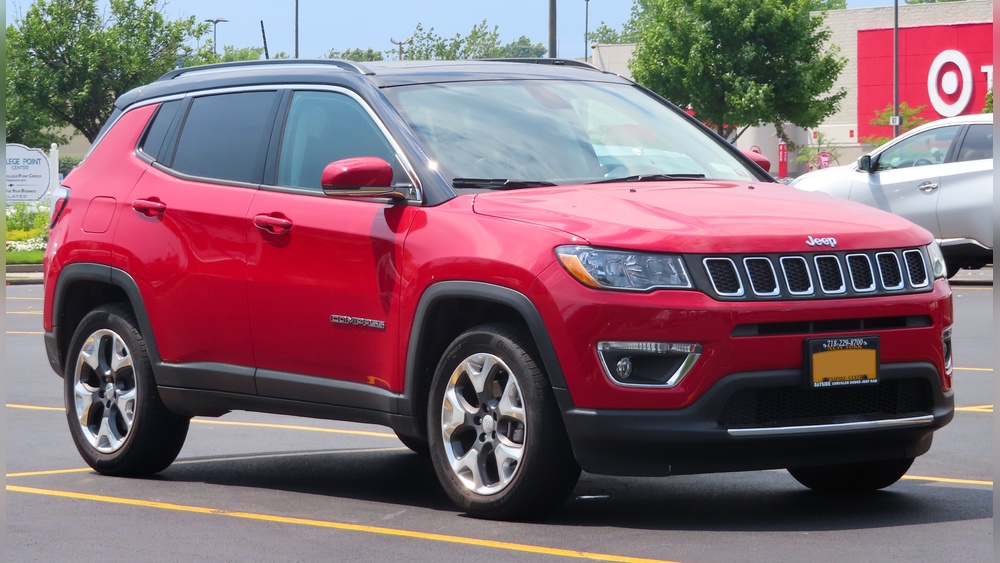
| Compass | 150,000 – 200,000 |
| Renegade | 100,000 – 150,000 |
The Wrangler stands out for its reliability. Older models, with simple engines, often last the longest. This is partly because they have fewer electronics and less complex parts, making repairs easier and less expensive. Owners who buy Jeeps for adventure or for daily driving often find the Wrangler holds up well against rough conditions, sometimes lasting decades with the right care.
Some Jeep owners have shared stories of their vehicles reaching amazing milestones. For example, there are Wranglers from the late 1990s still running strong after 350,000 miles, thanks to careful maintenance and gentle driving. Even the Grand Cherokee, which is more of a family SUV, can reach high mileage if you follow the manufacturer’s maintenance schedule and avoid harsh driving.
Factors That Affect How Long A Jeep Lasts
A Jeep’s lifespan isn’t just about the model. Other important factors include:
- Maintenance: Regular oil changes, fluid checks, and timely repairs are critical. Neglecting these basics can lead to engine or transmission trouble much sooner.
- Driving habits: Aggressive driving, frequent off-roading, or heavy towing can lower lifespan. City driving is often easier on a Jeep than mountain trails, but gentle off-roading once in a while doesn’t cause much harm.
- Environment: Rust is common in areas with a lot of snow or salt. Keeping your Jeep clean helps. Salt from winter roads can eat away at the frame and underbody, so washing your Jeep often is a smart way to protect it.
- Model year: Newer Jeeps have more electronics, which may mean more repairs as they age. Sensors, touch screens, and advanced safety features can develop problems over time, especially after 100,000 miles.
Example: Comparing Two Jeeps
Consider two Wranglers:
| Wrangler A | Wrangler B |
|---|---|
| 2010 model, regular maintenance, city driving | 2010 model, poor maintenance, off-road use |
| Lasted 320,000 miles | Needed engine rebuild at 140,000 miles |
This shows how care and use can make a huge difference. Wrangler A was driven mostly in the city, had oil changed every 5,000 miles, and got rust protection. Wrangler B skipped maintenance and was used for tough off-road trips, leading to early engine trouble.
These real-world examples highlight that even the same model can have very different outcomes based on owner habits.
How To Make Your Jeep Last Longer
If you want your Jeep to reach high mileage, follow these steps:
- Change fluids on time: Use the right oil, coolant, and transmission fluid. Dirty fluids can cause major engine damage, so stick to the recommended schedule.
- Check for rust: Clean the undercarriage, especially after winter. Using rust-proof spray helps prevent corrosion in trouble spots like the wheel wells and frame.
- Inspect suspension and tires: Jeeps handle rough terrain, so check these parts often. Worn-out suspension can cause handling issues and uneven tire wear, leading to expensive repairs.
- Listen to warning signs: Fix small problems before they become big. For example, a small oil leak can turn into engine failure if ignored.
- Use quality parts: Cheap replacements can wear out faster. Investing in better parts saves money over time and keeps your Jeep reliable.
Many Jeep owners join online forums or clubs to share tips and find trusted mechanics. Community advice can help you spot issues early and discover which brands of replacement parts last longer.
Non-obvious Tips For High Mileage
- Drive regularly, not just occasionally: Jeeps left unused for months can develop leaks or electrical problems. Routine use keeps the seals and battery healthy.
- Replace bushings and mounts: These small rubber parts make a big difference in ride comfort and prevent bigger damage. Bad bushings can lead to noisy rides and affect suspension, so replacing them every 100,000 miles is smart.
Some Jeep owners also recommend keeping the battery connections clean and changing air filters more often, especially if you drive in dusty places. These simple steps can add years to your Jeep’s life.
Jeep Vs. Other Suvs: Lifespan Comparison
You might wonder how Jeep compares to other SUVs. Here’s a simple overview:
| Brand/Model | Average Lifespan (Miles) |
|---|---|
| Jeep Wrangler | 200,000 – 400,000 |
| Toyota 4Runner | 250,000 – 350,000 |
| Ford Explorer | 150,000 – 250,000 |
| Honda CR-V | 200,000 – 300,000 |
The Wrangler holds its own against other long-lasting SUVs, especially with proper care. Toyota 4Runner is famous for reliability, but Wranglers often outlast Explorers and match the Honda CR-V. Jeep’s strong frame and simple design help it survive harsh conditions, but regular maintenance is the deciding factor.
One insight: some brands use more rust-resistant materials, so if you live in a snowy area, a CR-V or 4Runner might need fewer rust repairs. However, the Wrangler’s ease of finding replacement parts gives it an edge for long-term owners.

Common Problems That Affect Jeep Longevity
No vehicle is perfect. Some issues can shorten your Jeep’s life:
- Rust: Most common in older Jeeps, especially in the frame and underbody. This can cause major safety issues if not treated, so inspect regularly.
- Transmission issues: Some models (like early 2000s Grand Cherokees) had more failures. Slipping gears or rough shifting are early warning signs.
- Electrical problems: Newer Jeeps with advanced features might experience wiring or sensor issues. Problems like faulty window switches or dashboard lights are common after 120,000 miles.
If you see warning lights or hear strange noises, don’t ignore them. Early fixes can save you thousands of dollars. Also, check the radiator and cooling system, as overheating is another common Jeep problem that can lead to engine failure.
Is High Mileage Always Bad When Buying A Used Jeep?
Not always. A Jeep with 150,000 miles can still be a good buy if it has a full service history and no signs of major problems. Look for:
- Maintenance records
- No leaks or rust
- Smooth shifting and engine noise
It’s better to choose a well-maintained high-mileage Jeep than a low-mileage one with poor care. Ask for details about previous ownership, and take the Jeep for a thorough test drive. If possible, have a mechanic check the vehicle for hidden issues.
Look for signs of regular oil changes, brake service, and tire replacements. Many buyers overlook the importance of checking the transfer case and differentials, which are critical in 4×4 Jeeps.

Final Thoughts
A well-cared-for Jeep can last hundreds of thousands of miles. The Wrangler is especially known for its long life, with some examples going well beyond 300,000 miles. However, your own habits matter more than the badge. Regular maintenance, gentle driving, and smart repairs are the key to a long-lasting Jeep.
If you want more details on Jeep longevity, check out Wikipedia’s Jeep Wrangler page for a deep history and owner reports.
Frequently Asked Questions
How Many Miles Is Too Many For A Used Jeep?
Anything above 200,000 miles is considered high, but with proof of good maintenance, even these Jeeps can have lots of life left. Always check for rust and listen for unusual engine sounds.
Do Jeep Wranglers Really Last Longer Than Other Jeeps?
Yes, the Wrangler is known for its simple design and strong parts. Many owners reach 300,000+ miles. Its reputation comes from years of real-world use in tough environments.
Is It Expensive To Keep A High-mileage Jeep Running?
Parts and repairs can add up, especially for older models. But if you fix problems early and use quality parts, costs stay reasonable. Choosing a mechanic who knows Jeeps well can also lower costs.
What Is The Biggest Reason Jeeps Fail Early?
Rust and neglect are the main problems. Regular cleaning and maintenance prevent most early failures. Avoiding salty roads or washing off salt quickly makes a big difference.
Can Regular Off-roading Shorten A Jeep’s Life?
Yes, frequent tough use wears out parts faster. Regular checks and replacing worn parts can help keep your Jeep running strong for years. Many off-road fans carry spare parts and tools to fix issues quickly, which helps extend Jeep life.