If you own a Jeep Grand Cherokee or plan to buy one, you probably wonder: *How many miles can a Jeep Grand Cherokee last? * This question matters, especially if you want a reliable SUV for many years.
With strong engines, rugged design, and a loyal fan base, the Grand Cherokee is one of the most popular SUVs in the US. But how long does it really last on the road?
In this guide, you’ll learn what affects its lifespan, how many miles you can realistically expect, and what you can do to keep your Jeep running strong.
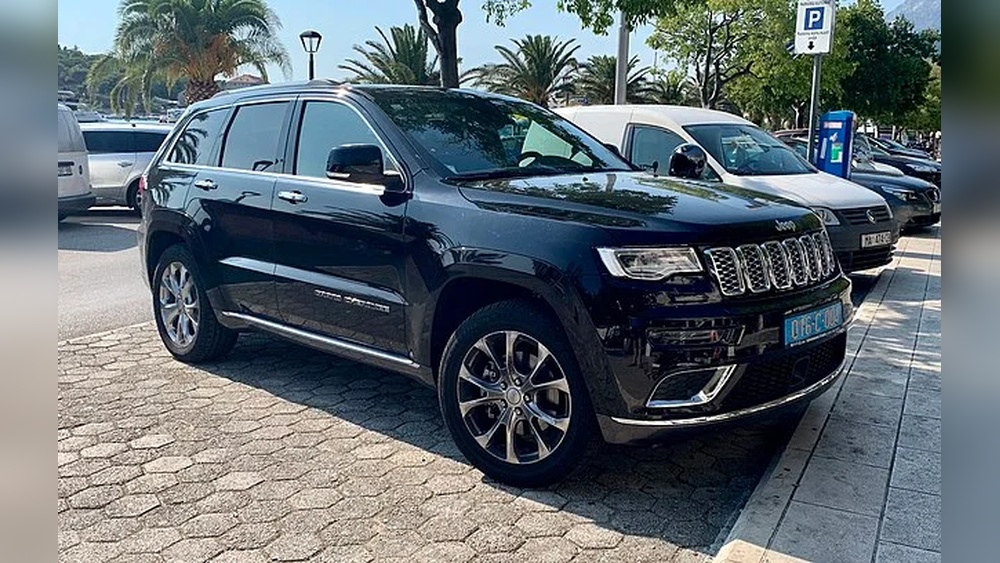
How Many Miles Can A Jeep Grand Cherokee Last?
The average Jeep Grand Cherokee can last between 200,000 and 300,000 miles with proper care. Some owners report driving their Grand Cherokee well past 300,000 miles. On the other hand, poor maintenance or tough usage can shorten its life to under 150,000 miles.
A recent study from iSeeCars found that about 1.5% of Grand Cherokees reach 200,000 miles or more. While this is not the highest in its class, it shows that with the right attention, your Jeep can last a long time.
Here is a quick comparison of the Grand Cherokee’s average lifespan with other midsize SUVs:
| Model | Average Lifespan (Miles) | % Reaching 200,000 Miles |
|---|---|---|
| Jeep Grand Cherokee | 200,000 to 300,000 | 1.5% |
| Toyota 4Runner | 250,000 to 350,000 | 4.1% |
| Honda Pilot | 200,000 to 300,000 | 2.2% |
| Ford Explorer | 200,000 to 250,000 | 0.9% |
You can see the Grand Cherokee is competitive, though not the class leader. Still, it often outlasts many other SUVs if you maintain it well.
Factors That Affect Jeep Grand Cherokee Lifespan
Many things impact how many miles your Grand Cherokee will last. Some are in your control, some are not. Here are the most important factors:
1. Maintenance Habits
Regular oil changes, filter replacements, and fluid checks are key. Skipping maintenance often leads to engine or transmission problems early. For example, using low-quality oil or missing oil changes can cause the engine to wear out faster.
2. Driving Style
If you drive gently, avoid hard stops, and don’t overload your Jeep, it will last longer. Aggressive driving, towing heavy loads, or off-roading can stress parts and shorten lifespan.
3. Model Year And Engine
Older models (especially before 2011) may have more issues. Newer models have better engines, electronics, and safety features, but can be more complex and expensive to repair. The 4.0L inline-six engine (found in older models) is known for its durability, while some V8 and diesel options offer more power but sometimes higher repair costs.
4. Climate And Environment
Living in a cold, snowy area or near the ocean can cause rust. Salt on winter roads is tough on the frame and underbody.
If you live in a dry climate, your Jeep may last longer.
5. Repair History
A Grand Cherokee with a record of accidents or serious repairs may not last as long. Always check the vehicle history before buying used.
Real-world Examples: High-mileage Grand Cherokees
It’s not rare to find owners posting online about their Jeep Grand Cherokee with over 250,000 or even 300,000 miles. For example, on Jeep forums, some drivers share stories of 1998 or 2004 models that are still running strong at 280,000 miles, with only minor repairs like water pumps or radiators.
One non-obvious fact: The transmission is often the first major part to fail, usually between 150,000 and 200,000 miles. However, some owners have replaced the transmission and kept their Jeep running for another 100,000 miles or more.
Cost Of Keeping A Grand Cherokee Running
A big question is how much it costs to keep an older Grand Cherokee on the road. Here’s what you should know:
- Annual maintenance: Around $500, $700 per year on average, according to RepairPal.
- Major repairs: Transmission replacement can cost $3,000, $4,500. Engine rebuilds range from $3,500, $6,000.
- Common repairs: Suspension parts, brakes, and electrical issues are typical as the SUV ages.
Here’s a breakdown of typical maintenance and repair costs:
| Service | Average Cost (USD) | Suggested Interval |
|---|---|---|
| Oil Change | $60, $120 | 5,000 to 7,500 miles |
| Brake Pads/Rotors | $250, $600 | 30,000 to 70,000 miles |
| Transmission Service | $200, $400 | 60,000 to 100,000 miles |
| Timing Belt/Chain | $500, $1,000 | 90,000 to 120,000 miles |
Tip: As your Jeep gets older, expect to spend more on repairs each year.
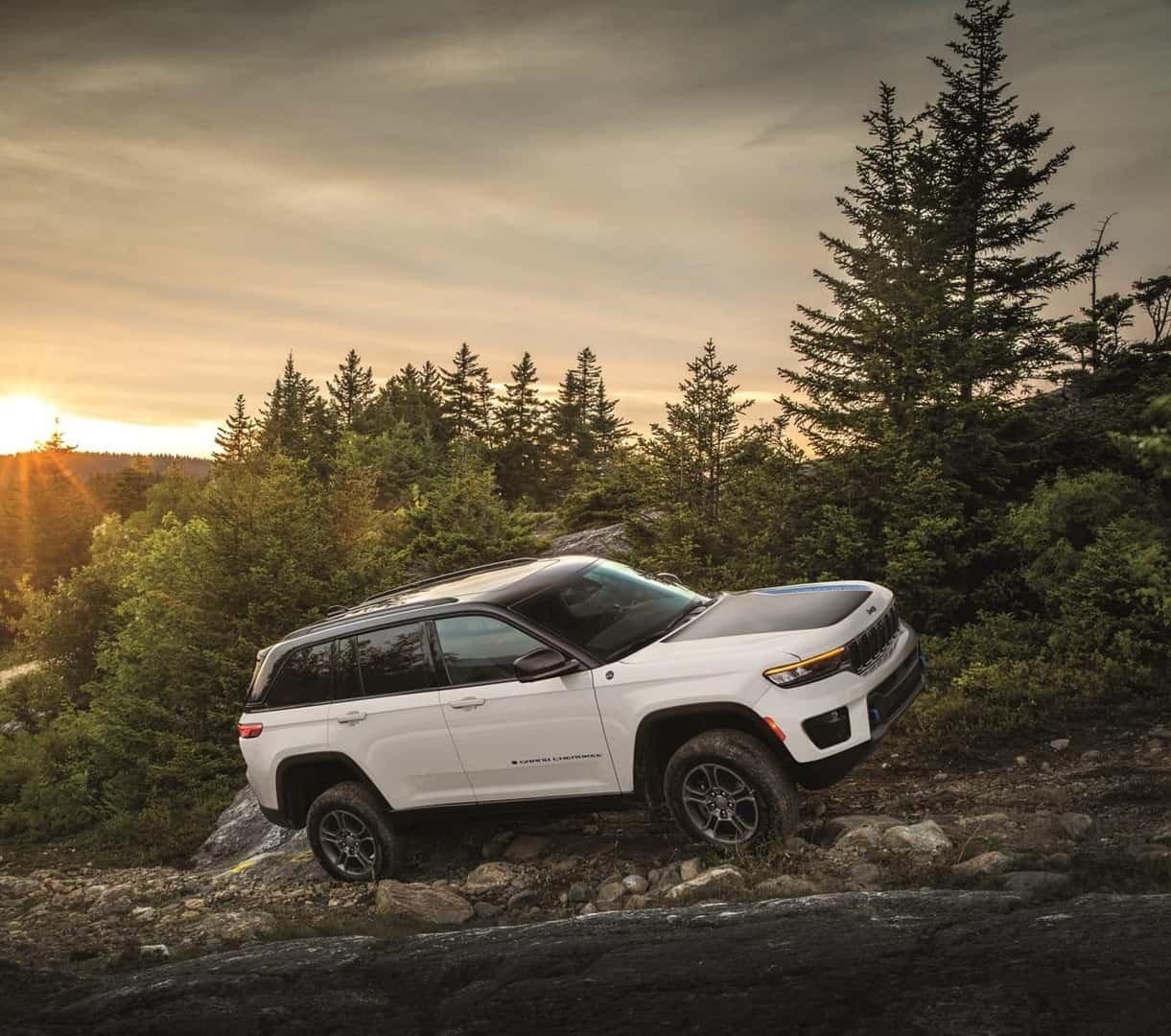
Signs Your Grand Cherokee Is Reaching The End
Every vehicle has a lifespan. Here are signs your Grand Cherokee might be nearing its last miles:
- Frequent engine overheating
- Transmission slipping or hard shifting
- Rust on the frame or underbody
- Electrical problems that are hard to fix
- Expensive repairs cost more than the car’s value
If you notice several of these at once, it may be time to consider replacing your Jeep.
How To Make Your Grand Cherokee Last Longer
With the right steps, you can add years and tens of thousands of miles to your SUV. Here’s how:
- Follow the maintenance schedule: Use the owner’s manual as your guide.
- Fix small problems early: Don’t ignore warning lights or strange noises.
- Wash and wax regularly: This helps prevent rust, especially in snowy areas.
- Avoid heavy towing: Unless your Jeep is equipped for it, don’t tow near the max limit often.
- Drive smoothly: Avoid aggressive starts and stops.
- Use quality parts and fluids: Cheaper options may save money now but cost more in the long run.
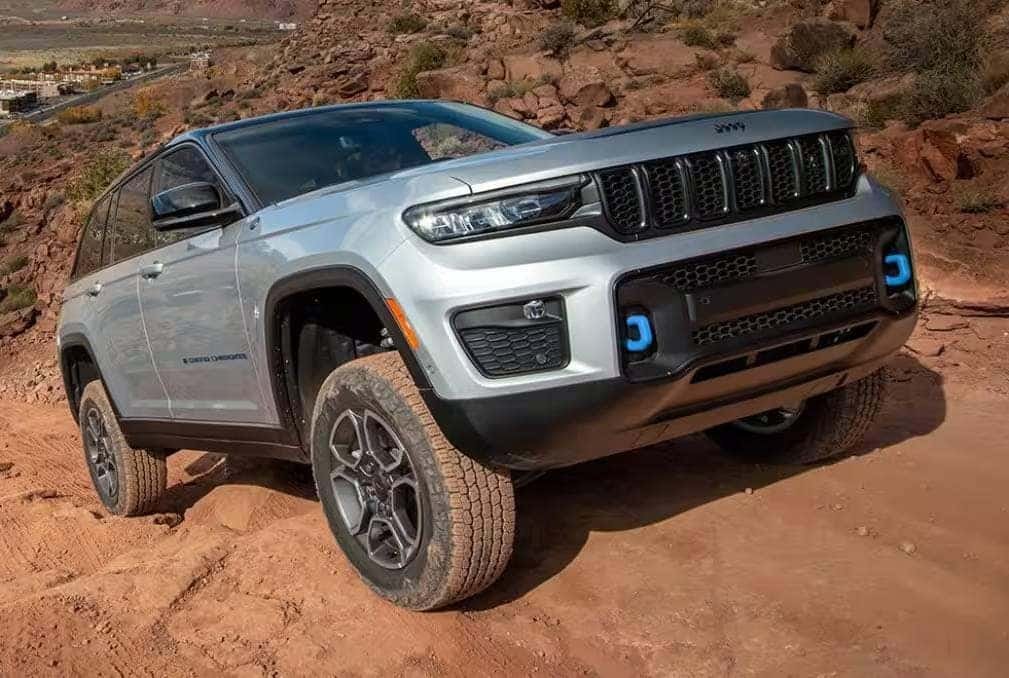
Pros And Cons Of A High-mileage Jeep Grand Cherokee
Buying or keeping a high-mileage Grand Cherokee has both good and bad sides. Here’s what you should consider:
Pros:
- Proven reliability if well maintained
- Lower purchase price for used models
- Comfortable ride and strong off-road ability
Cons:
- Repairs get more frequent and expensive with age
- Fuel economy is average or below for its class
- Some years and engines have more issues than others
Which Grand Cherokee Years Last The Longest?
Not all Grand Cherokees are equal. Some years are known for better reliability. According to owner surveys and repair data, the following years are most likely to last long:
- 1999 to 2004: Solid engines, simple electronics
- 2011 to 2015: Improved build quality and modern features
- 2017 to 2021: Recent models show good reliability, but repairs can be costly
Years to approach with caution include 2014 (transmission issues) and 2012 (electrical problems).
Here’s a look at reliability by generation:
| Generation | Model Years | Reliability |
|---|---|---|
| WJ | 1999 to 2004 | High |
| WK | 2005 to 2010 | Medium |
| WK2 | 2011 to 2021 | High |
| WL | 2022, Present | Too new for data |
Is A High-mileage Grand Cherokee Worth Buying?
If you find a used Grand Cherokee with 150,000 or even 200,000 miles, you may wonder if it’s a good deal. Here are a few tips:
- Check the maintenance history. A car with regular service is better than a lower-mileage model with poor records.
- Get a pre-purchase inspection. A mechanic can spot hidden problems.
- Budget for repairs. Even a well-kept Grand Cherokee may need suspension, transmission, or engine work after 150,000 miles.
- Look for rust and leaks. These are signs of bigger issues.
Buying high-mileage can save money upfront, but be ready for higher running costs.
Grand Cherokee Vs. Other Long-lasting Suvs
How does the Jeep Grand Cherokee compare with other durable SUVs? points:
- Toyota 4Runner and Honda Pilot often last as long or longer, but usually cost more used.
- Ford Explorer and Chevrolet Traverse have similar or lower lifespans.
- The Grand Cherokee offers a better blend of off-road ability and comfort than many competitors.
If you want a balance of off-road power, comfort, and long life, the Grand Cherokee is a strong choice.
Non-obvious Tips For Maximum Lifespan
Many owners miss two important things:
- Keep the transmission cool. Install an extra transmission cooler if you tow or drive in hot weather. Heat is the main enemy of automatic transmissions.
- Update software/recalls. Visit the dealer for software updates and check for recalls. This keeps electronics and safety systems running well.
These small steps can prevent expensive breakdowns and add years to your Jeep.
<!– wp:rank-math/faq-block {"questions":[{"id":"faq-question-962e4b5db345","title":"How Many Miles Is Too Many For A Used Jeep Grand Cherokee?","content":"Generally, anything above 200,000 miles is high for a used Grand Cherokee. If the SUV has full service records and no major accidents, it can still be a smart buy. But expect to spend more on repairs after this mileage.
“,”visible”:true},{“id”:”faq-question-3ec7155e90a3″,”title”:”What Are Common Problems In High-mileage Grand Cherokees?”,”content”:”The most common issues are transmission failures, electrical glitches, worn suspension parts, and engine oil leaks. Regular maintenance reduces the risk, but these problems can still appear after 150,000 miles.
“,”visible”:true},{“id”:”faq-question-fdb17bfb6a3d”,”title”:”Can A Jeep Grand Cherokee Last 300,000 Miles?”,”content”:”Yes, with excellent maintenance and some luck, many Grand Cherokees reach 300,000 miles. You’ll likely need to replace major parts along the way, like the transmission or water pump.
“,”visible”:true},{“id”:”faq-question-288150ca29b2″,”title”:”Is It Expensive To Maintain An Old Grand Cherokee?”,”content”:”Older models cost $500, $700 per year on average for basic maintenance. Large repairs, like engine or transmission, can cost several thousand dollars. Planning ahead for these costs is smart.
“,”visible”:true},{“id”:”faq-question-c1ca256cc0d7″,”title”:”Which Engine Lasts The Longest In The Grand Cherokee?”,”content”:”The 4.0L inline-six (used in older models) is famous for its long life. Among modern engines, the 3.6L Pentastar V6 offers good reliability if serviced on time.
“,”visible”:true}]} –>How Many Miles Is Too Many For A Used Jeep Grand Cherokee?
Generally, anything above 200,000 miles is high for a used Grand Cherokee. If the SUV has full service records and no major accidents, it can still be a smart buy. But expect to spend more on repairs after this mileage.
What Are Common Problems In High-mileage Grand Cherokees?
The most common issues are transmission failures, electrical glitches, worn suspension parts, and engine oil leaks. Regular maintenance reduces the risk, but these problems can still appear after 150,000 miles.
Can A Jeep Grand Cherokee Last 300,000 Miles?
Yes, with excellent maintenance and some luck, many Grand Cherokees reach 300,000 miles. You’ll likely need to replace major parts along the way, like the transmission or water pump.
Is It Expensive To Maintain An Old Grand Cherokee?
Older models cost $500, $700 per year on average for basic maintenance. Large repairs, like engine or transmission, can cost several thousand dollars. Planning ahead for these costs is smart.
Which Engine Lasts The Longest In The Grand Cherokee?
The 4.0L inline-six (used in older models) is famous for its long life. Among modern engines, the 3.6L Pentastar V6 offers good reliability if serviced on time.
Meta Title
How Many Miles Can Jeep Grand Cherokee Last? Real Lifespan & Data
Meta Description
Discover how many miles a Jeep Grand Cherokee can last, key factors that affect its lifespan, real-world examples, cost of ownership, and expert tips to keep your SUV running strong for years.
For more information on vehicle reliability and lifespan data, see this iSeeCars study.



















