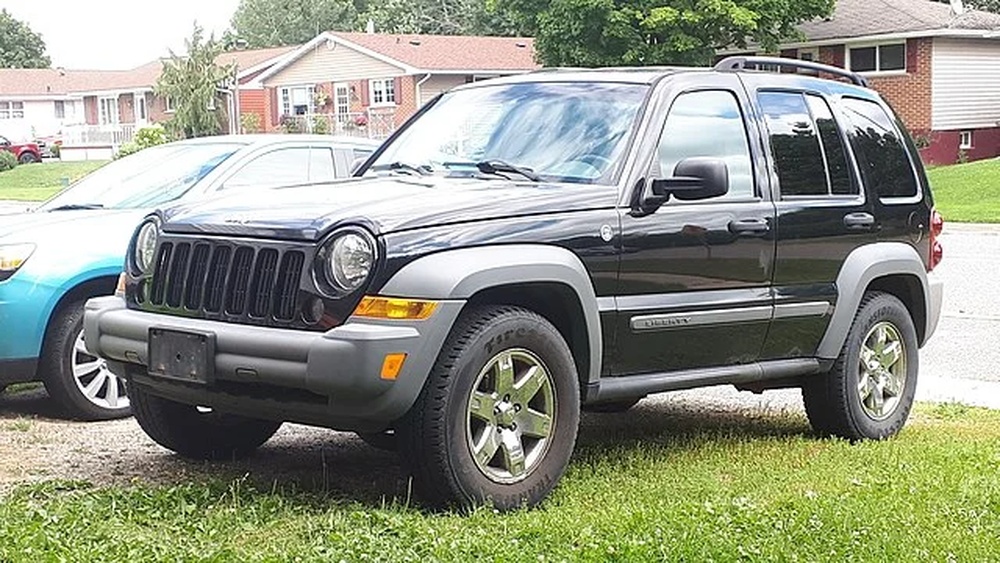
The Jeep Liberty is a compact SUV that has been popular for its rugged style and solid off-road performance. If you’re thinking about buying a used Jeep Liberty or want to keep your current one running for years, you’re probably wondering: how many miles can a Jeep Liberty last?
This question matters for your wallet, your peace of mind, and your plans. the real-life lifespan of Jeep Liberties, what affects their longevity, and how you can make yours go the extra mile.
Typical Lifespan Of A Jeep Liberty
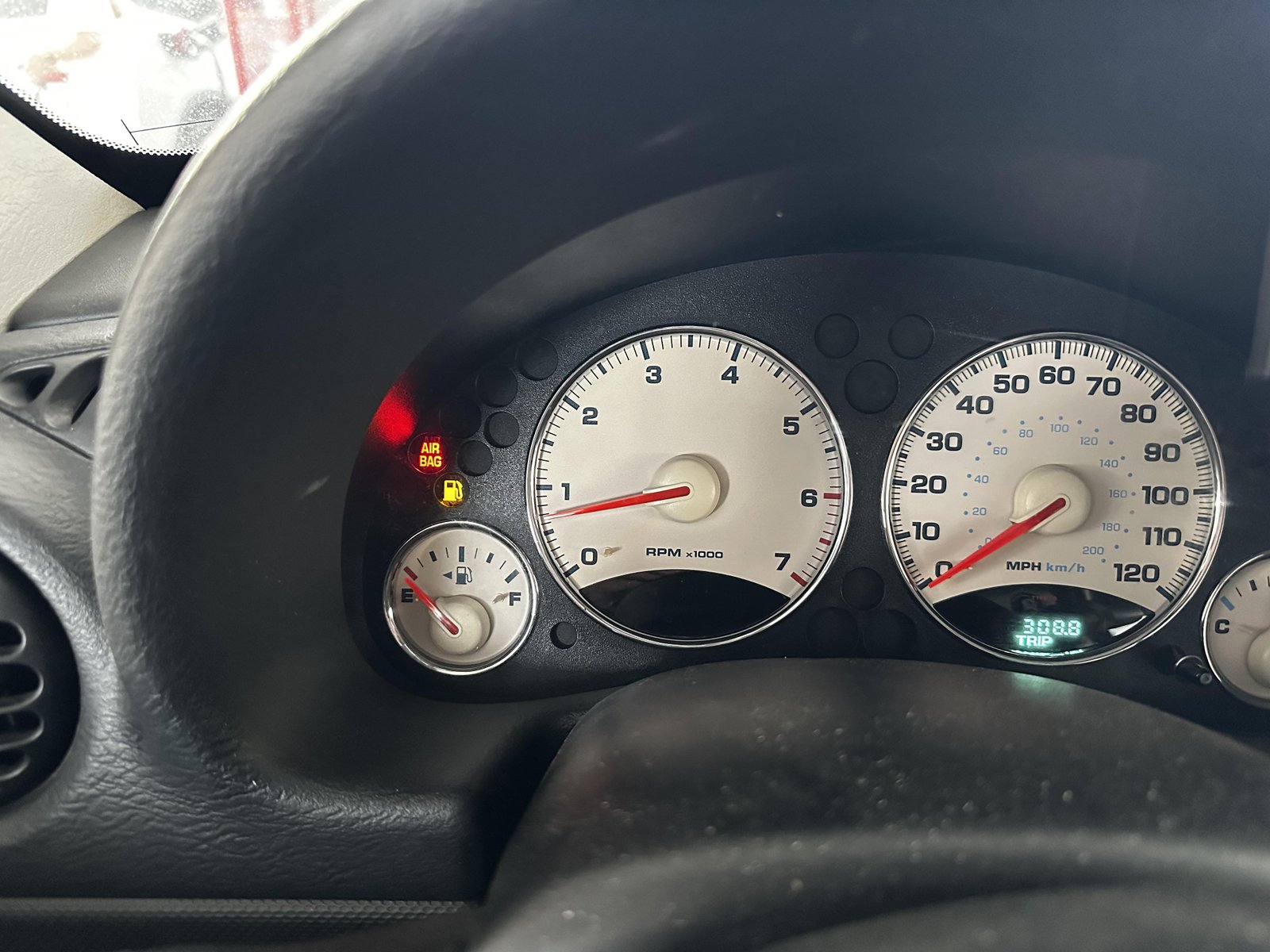
A Jeep Liberty can usually last between 150,000 and 250,000 miles. This range comes from owner reports, mechanic opinions, and automotive data. Some Liberties run past 250,000 miles, but these are less common. Most drivers start to face major repairs after 150,000 miles, although many still use their vehicles for daily driving.
Here’s a simple summary:
| Mileage Range | Condition | Common Issues |
|---|---|---|
| 0-100,000 | Very reliable | Regular maintenance only |
| 100,000-150,000 | Good condition | Some repairs, minor issues |
| 150,000-250,000 | Still usable | Major repairs likely |
| 250,000+ | Rare, often needs full overhaul | Engine/transmission problems |
Most Jeep Liberty owners agree that reaching the 200,000-mile mark is very possible with good care. The Liberty is built to last, but like all vehicles, it needs regular maintenance.
Factors That Affect Jeep Liberty Longevity
Many things affect how long your Jeep Liberty will last. Let’s look at the main factors:
Maintenance
This is the biggest factor. If you follow the manufacturer’s maintenance schedule, your Liberty will last longer. Here’s what matters:
- Oil changes every 3,000 to 5,000 miles
- Regular fluid checks (coolant, brake, transmission)
- Brake inspections
- Tire rotation and alignment
- Changing filters (air, fuel, oil)
Skipping these steps can shorten your Liberty’s life by thousands of miles.
Driving Conditions
How and where you drive makes a difference. For example:
- City driving with stop-and-go traffic wears out parts faster.
- Off-road driving can stress suspension and drivetrain.
- Highway driving is usually easier on the engine.
If you drive gently and avoid harsh terrain, your Liberty will last longer.
Model Year
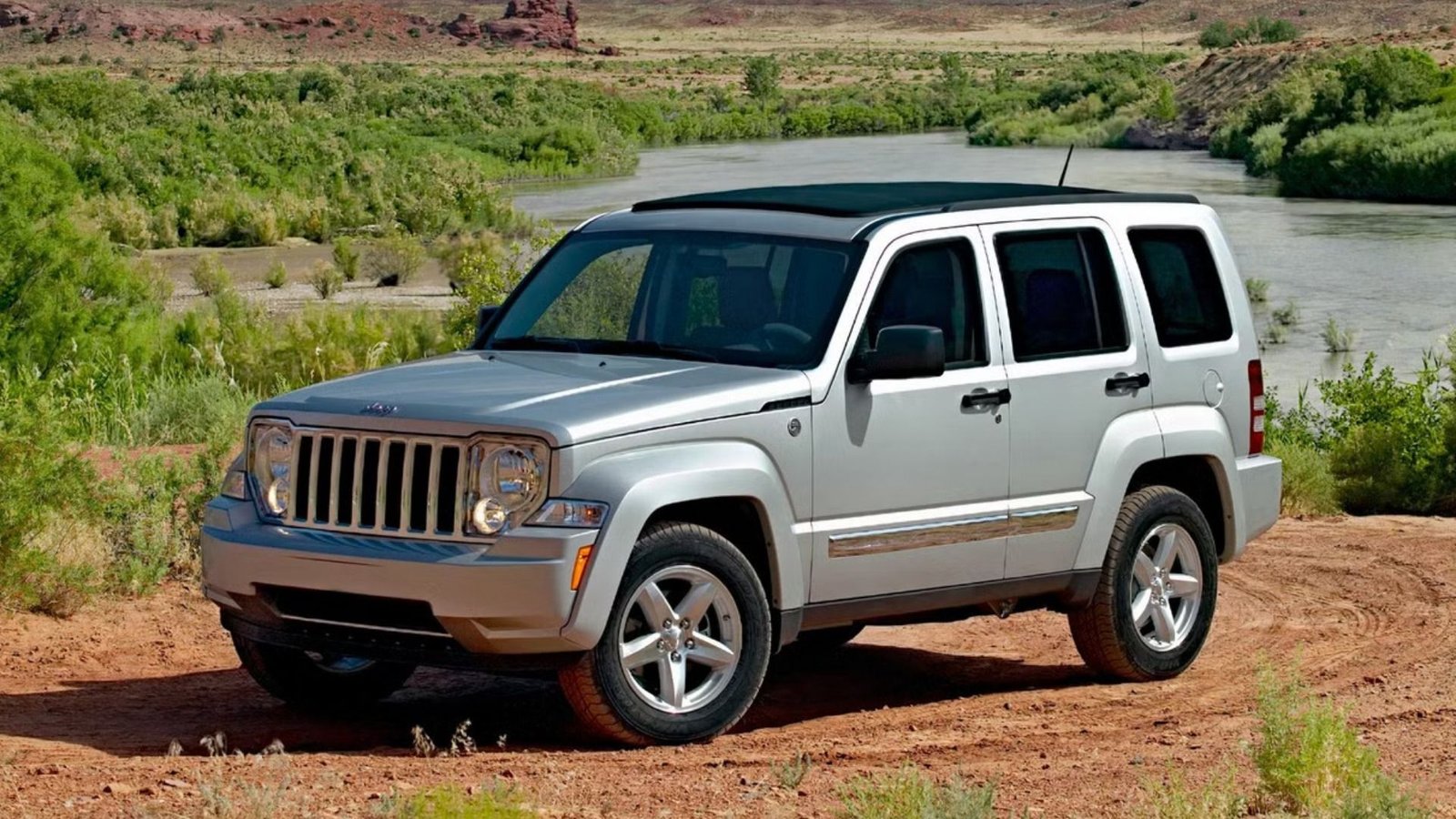
Some model years are more reliable than others. The Jeep Liberty was produced from 2002 to 2012. Here’s a quick comparison:
| Model Year | Reliability Score | Known Problems |
|---|---|---|
| 2002-2004 | Average | Window regulators, electrical issues |
| 2005-2007 | Above average | Suspension, minor engine issues |
| 2008-2012 | Good | Fewer complaints, better build |
If you’re shopping for a used Liberty, models from 2008 to 2012 tend to have fewer problems.
Previous Owners
How previous owners treated the vehicle affects mileage. If the Liberty had regular care and gentle use, it will last longer.
Vehicles with many owners or poor maintenance often have hidden issues.
Climate And Environment
Living in areas with extreme weather (very hot, cold, or salty) can cause rust and wear. Liberties kept in dry, mild climates usually last longer.
Common Problems After High Mileage
After 150,000 miles, some parts of the Jeep Liberty are more likely to fail. Here are a few examples:
- Transmission issues: Shifting problems or leaks
- Engine troubles: Overheating, oil leaks, loss of power
- Suspension wear: Ball joints and bushings need replacement
- Electrical faults: Window regulators, sensors, wiring
- Rust: Especially in older models and snowy climates
Regular maintenance helps prevent these problems, but they become more common as mileage increases.
Real-life Examples
Many Jeep Liberty owners share their experiences online. real stories:
- Mike, 2005 Liberty: Reached 210,000 miles with regular oil changes and minor repairs. The engine is still strong, but the suspension was replaced at 180,000 miles.
- Sandra, 2010 Liberty: Hit 170,000 miles, mostly highway driving. Only needed brake pads and a new battery. No major engine issues yet.
- Carlos, 2003 Liberty: Drove 225,000 miles. Had to replace the transmission at 190,000 miles and dealt with rust in the wheel wells.
These examples show that with care, the Jeep Liberty can go well beyond 150,000 miles.
Cost Of Ownership And Repairs
The Jeep Liberty is not the cheapest SUV to maintain, but it’s not the most expensive either. Here’s a look at typical costs:
- Oil change: $40, $60
- Brake job: $250, $400
- Transmission repair: $1,200, $2,500
- Suspension parts: $300, $800
- Timing belt/chain: $500, $800
Most owners spend $500, $1,000 per year on maintenance. As the Liberty gets older, expect higher repair costs.
If you plan to keep your Liberty past 150,000 miles, budget for major repairs. Engines and transmissions can last a long time, but when they fail, repairs are expensive.
How To Make Your Jeep Liberty Last Longer
You can help your Jeep Liberty reach a higher mileage with these practical steps:
- Follow the maintenance schedule: Don’t skip oil changes, filter replacements, or inspections.
- Use quality parts: Cheap parts often fail faster.
- Drive gently: Avoid hard acceleration, sudden stops, and rough roads.
- Check fluids regularly: Low fluids cause damage.
- Watch for warning signs: Fix problems early to avoid bigger repairs.
- Keep it clean: Washing and waxing prevent rust.
- Store indoors: Protects from weather and sun damage.
Some owners add extra protection, like rustproofing or upgraded suspension parts. These help your Liberty last, especially in tough climates.
Jeep Liberty Vs. Other Suvs
How does the Jeep Liberty’s lifespan compare to other compact SUVs? Here’s a quick look:
| Model | Average Lifespan (Miles) | Reliability |
|---|---|---|
| Jeep Liberty | 150,000 to 250,000 | Good |
| Toyota RAV4 | 200,000 to 300,000 | Excellent |
| Honda CR-V | 200,000 to 300,000 | Excellent |
| Ford Escape | 150,000 to 250,000 | Good |
| Chevrolet Equinox | 150,000 to 200,000 | Average |
The Jeep Liberty’s lifespan is competitive, but models like the Toyota RAV4 and Honda CR-V often last even longer with fewer repairs.
Pros And Cons Of Owning A High-mileage Jeep Liberty
If you’re considering buying or keeping a high-mileage Jeep Liberty, pros and cons:
Pros
- Affordable purchase price (used models)
- Strong off-road ability
- Easy to find parts
- Comfortable ride
Cons
- Higher repair costs after 150,000 miles
- Lower fuel economy (compared to newer SUVs)
- Risk of rust and electrical issues
- Some model years have recalls
Should You Buy A High-mileage Jeep Liberty?
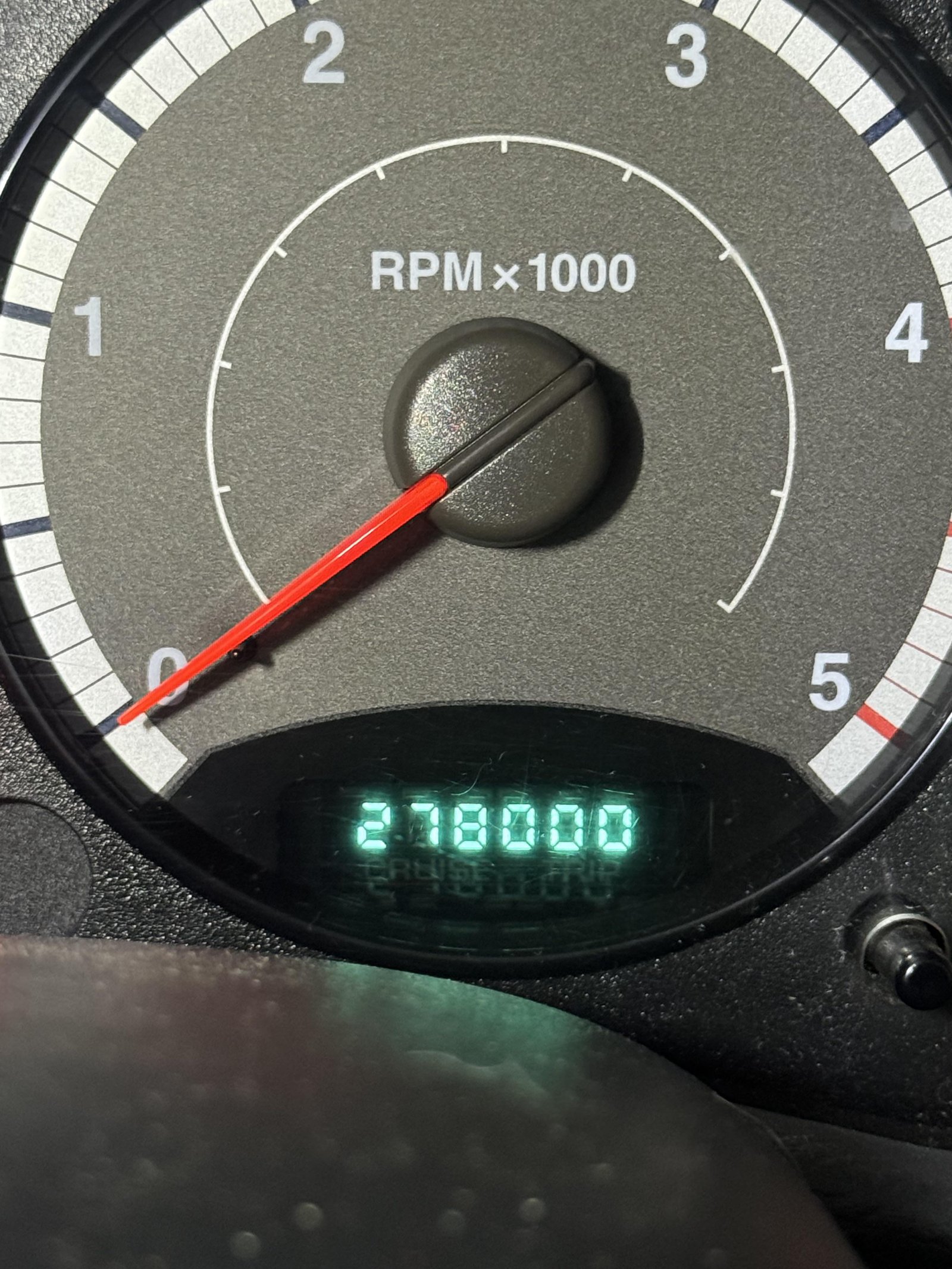
Buying a Jeep Liberty with over 150,000 miles can be a good deal, but only if it’s well maintained. Always check:
- Service records: Was maintenance done regularly?
- Condition: Look for rust, leaks, worn tires, and strange noises.
- History report: Check for accidents and previous owners.
If the Liberty looks good and drives well, it can last years more. But if you see signs of neglect, repairs could be expensive.
Updated Facts And Insights
Many buyers worry about old age and high mileage. But modern cars, including the Jeep Liberty, are built to last longer than vehicles from the past. With regular care, you can expect over 200,000 miles before major breakdowns. Still, the Liberty does not have the same reliability reputation as some Japanese SUVs.
One insight many beginners miss: Rust is a bigger problem than engine wear. If you live where roads are salted, check the frame and underbody. Also, keep in mind that electrical issues are common in older Liberties, especially window regulators and sensors.
Another tip: Transmission fluid needs changing every 30,000 to 60,000 miles. Many owners forget this, causing early failures.
For more technical data and Jeep Liberty history, visit Wikipedia.
<!– wp:rank-math/faq-block {"questions":[{"id":"faq-question-0c1841812cc5","title":"How Many Miles Can A Jeep Liberty Last?","content":"A well-maintained Jeep Liberty usually lasts 150,000 to 250,000 miles. Some reach more, but most need major repairs after 200,000 miles.
“,”visible”:true},{“id”:”faq-question-168d08162b82″,”title”:”Is The Jeep Liberty Reliable?”,”content”:”The Liberty is reliable if you follow maintenance. Model years 2008 to 2012 are the best. Older models may have electrical and rust issues.
“,”visible”:true},{“id”:”faq-question-37f07213892a”,”title”:”What Is The Most Common Problem In High-mileage Jeep Liberties?”,”content”:”The most common issues are transmission failure, rust, and window regulator problems. Engine leaks and suspension wear are also frequent.
“,”visible”:true},{“id”:”faq-question-0a0733a9896b”,”title”:”Should I Buy A Used Jeep Liberty With Over 150,000 Miles?”,”content”:”You can buy a high-mileage Liberty if it has a good service history and no major problems. Always check for rust and get a mechanic to inspect it.
“,”visible”:true},{“id”:”faq-question-cfc96307aa95″,”title”:”How Much Does It Cost To Keep A Jeep Liberty Running After 150,000 Miles?”,”content”:”Expect to spend $500, $1,500 per year on maintenance and repairs for a high-mileage Liberty. Major repairs, like engine or transmission, can cost thousands.
“,”visible”:true}]} –>How Many Miles Can A Jeep Liberty Last?
A well-maintained Jeep Liberty usually lasts 150,000 to 250,000 miles. Some reach more, but most need major repairs after 200,000 miles.
Is The Jeep Liberty Reliable?
The Liberty is reliable if you follow maintenance. Model years 2008 to 2012 are the best. Older models may have electrical and rust issues.
What Is The Most Common Problem In High-mileage Jeep Liberties?
The most common issues are transmission failure, rust, and window regulator problems. Engine leaks and suspension wear are also frequent.
Should I Buy A Used Jeep Liberty With Over 150,000 Miles?
You can buy a high-mileage Liberty if it has a good service history and no major problems. Always check for rust and get a mechanic to inspect it.
How Much Does It Cost To Keep A Jeep Liberty Running After 150,000 Miles?
Expect to spend $500, $1,500 per year on maintenance and repairs for a high-mileage Liberty. Major repairs, like engine or transmission, can cost thousands.
Meta Title
How Many Miles Can A Jeep Liberty Last? Real Lifespan, Tips & Owner Insights
Meta Description
Discover how many miles a Jeep Liberty can last, real owner experiences, common problems, costs, and tips to maximize longevity. Get clear, simple guidance for buyers and owners.