A Jeep 4xe battery pack is commonly listed at 17.3 kWh by Jeep. That does not mean every full recharge will add exactly 17.3 kWh to your electric bill.
Charging losses, battery temperature, the starting state of charge and battery-management reserves affect the energy drawn from the wall.
Quick Answer
Use 17.3 kWh as the pack-capacity reference for a Jeep 4xe. For home cost planning, read the kWh delivered by your charger after several sessions.
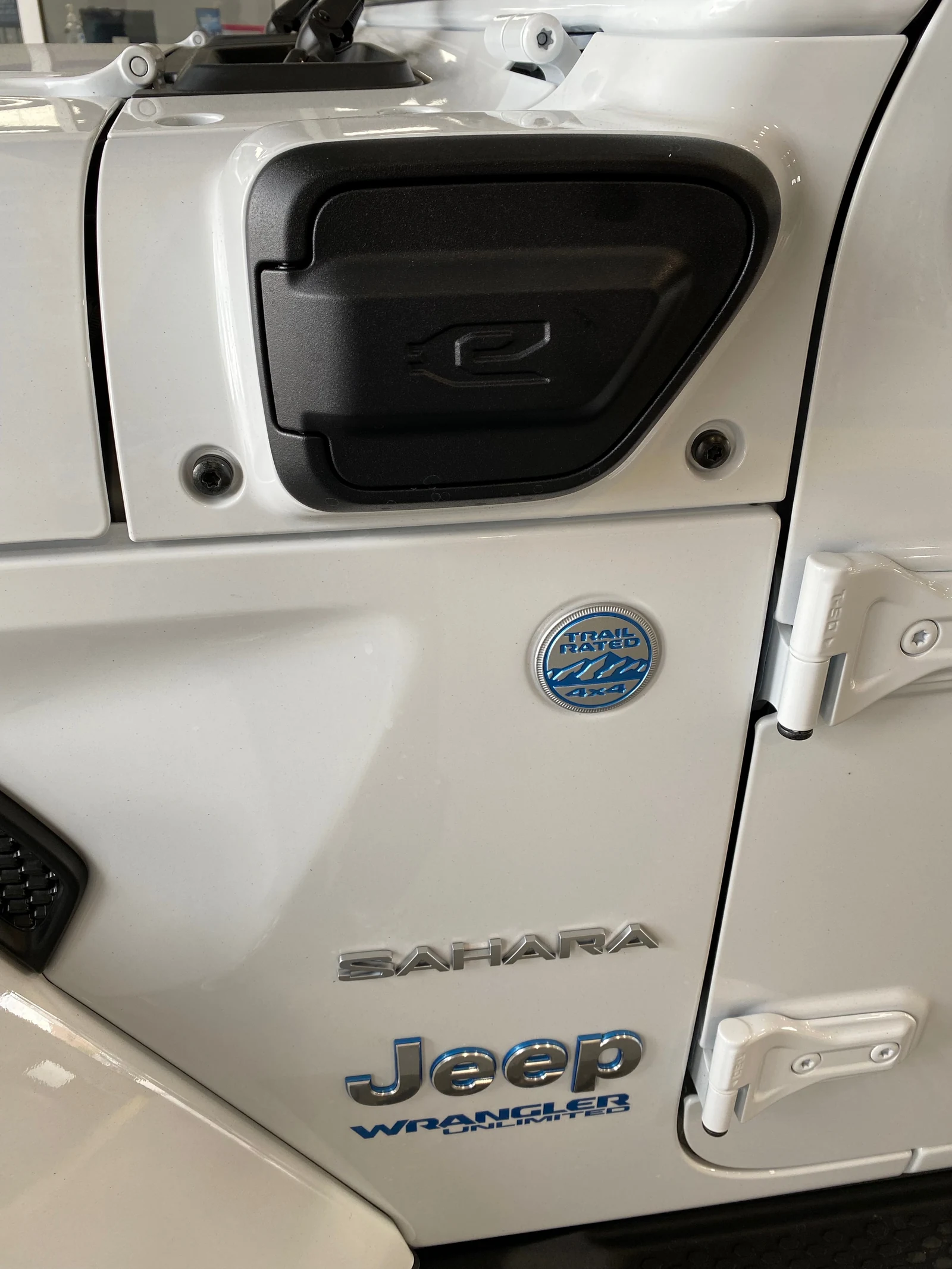
The charger meter gives a more useful household-cost number than multiplying the battery label alone.
Battery Capacity vs. Wall Energy
| Measurement | What it means |
|---|---|
| Battery-pack capacity | The nominal energy capacity associated with the high-voltage battery |
| Usable battery energy | The portion the vehicle allows during normal operation |
| Wall energy | The electricity measured by the charger or utility meter during charging |
Wall energy may exceed the usable energy added to the pack because charging is not perfectly efficient. Avoid promising an exact wall-draw figure without measuring the charger.
How to Calculate Charging Cost
Use this simple formula:
Charging cost = charger kWh delivered × your electricity price per kWh
If your charger reports 18.4 kWh and your electricity rate is $0.16 per kWh, the session costs about $2.94. Replace those sample numbers with your actual charger reading and utility rate.
Charging Time
Jeep’s electrified-vehicle pages state that a Wrangler 4xe may be charged in approximately two and a half hours with Level 2 charging, while official regional pages also describe a roughly two-hour Level II replenishment reference. Charging time still changes with equipment, temperature and starting charge level.
Track Three Numbers for One Week
- Record the battery percentage before plugging in.
- Record the kWh reported by the charger.
- Record the electric miles delivered before the engine begins doing more of the work.
This produces a real cost profile for your commute. For range expectations, continue with the Jeep 4xe electric and total-range guide.
Level 1 and Level 2 Charging Serve Different Needs
| Charging method | Best use | Planning note |
|---|---|---|
| Household outlet | Overnight charging when daily mileage is modest | Confirm the circuit and equipment instructions before regular use |
| Level 2 home charger | Faster routine replenishment | Professional installation may be needed for the dedicated 240-volt equipment |
| Public AC charging | Top-ups while parked away from home | Pricing may include session, time or energy charges |
Why Two Charging Sessions Use Different kWh
A “full charge” is not always a charge from zero to full. The vehicle may arrive with energy remaining, regenerative braking may have added energy during the drive and the battery-management system protects a reserve.
Temperature control and charging losses also affect wall consumption.
Build a Monthly Charging Estimate
Export your charger's monthly kWh total when the app supports it. If it does not, write down the delivered energy after each session for one month.
Multiply the total by your household rate, then compare that result with gasoline purchases. This is more useful than arguing over a single idealized session.
Frequently Asked Questions
Will the charger always report 17.3 kWh?
No. The 17.3-kWh figure is a pack-capacity reference, not a guarantee for every wall-energy reading.
Does cold weather change charging behavior?
It can. Battery temperature and cabin-heating demand influence the energy used and the electric miles delivered afterward.
Do I need DC fast charging for a Wrangler 4xe?
The practical home-charging discussion centers on AC charging. Follow Jeep’s charging instructions and the equipment documentation for your vehicle.
Battery Capacity vs. Energy From the Wall
The battery-capacity figure is not the same as the electricity shown on your utility meter. Charging losses occur as the vehicle converts electricity and manages battery temperature.
A full charge from the wall may require more energy than the nominal battery figure suggests.
| Figure | Meaning | Why it differs |
|---|---|---|
| Battery capacity | The published size of the high-voltage battery pack | Used for vehicle specifications |
| Usable energy | The portion available for driving | Battery management keeps a buffer |
| Wall energy | Electricity drawn during charging | Includes charging losses and supporting systems |
Estimate Charging Cost at Home
Use the energy recorded by your charger or utility monitor when possible. Multiply the measured kWh by your local electricity rate.
If your charger does not display session data, start with the published battery figure and add a reasonable allowance for charging losses.
Example: if one charging session uses 18 kWh from the wall and your electricity rate is $0.16 per kWh, the session costs about $2.88. Your own rate, climate, battery state of charge, and charging equipment will change the result.
Level 1 and Level 2 Charging
A standard household outlet is convenient when the Jeep sits overnight. Level 2 charging reduces the wait and suits drivers who need faster turnaround.
The best setup depends on parking access, electrical capacity, local installation rules, and daily electric mileage.
Use properly installed charging equipment and follow the vehicle guide. Extension cords and improvised electrical setups create avoidable risk.
How to Track Real Charging Efficiency
- Record the battery percentage before charging.
- Record the kWh drawn from the charger or utility monitor.
- Note outdoor temperature and whether cabin preconditioning ran.
- Compare several sessions rather than one day.
- Use the average when estimating monthly charging cost.
Monthly Charging-Cost Worksheet
| Input | Example | Your number |
|---|---|---|
| Average wall energy per session | 18 kWh | Record from charger or meter |
| Charging sessions per month | 20 | Count normal home charges |
| Electricity rate | $0.16 per kWh | Use your utility bill |
| Estimated monthly cost | 18 × 20 × 0.16 = $57.60 | Multiply your own figures |
When Public Charging Makes Sense
Home charging is usually the simplest way to use a 4xe regularly, but public charging may help during errands, work hours, or travel. Compare the station price with your home rate and consider whether the parking time fits your schedule.
Do not assume every public connector or charging speed suits every 4xe setup. Check the vehicle guide and station details before relying on a charger during a trip.
Charging Habits That Improve Daily Use
Plug in regularly instead of waiting for the battery to reach a specific minimum. A plug-in hybrid works best when charging fits your routine.
Overnight charging, workplace charging, or a predictable evening schedule makes the electric portion easier to use.
Keep a short log for the first month. Record charging cost, electric miles, and the number of sessions.
That record shows whether Level 1 charging is enough for your routine or whether a professionally installed Level 2 setup would save time.
Questions for an Electrician
- Does the panel have enough capacity for the proposed circuit?
- Where should the charging equipment be installed?
- Which local permits or inspections apply?
- How will the cable reach the parking space safely?
- Is weather protection required for the chosen location?
- Where Can I Charge My Jeep 4xe
- How To Charge Key Fob Battery Jeep
- How To Charge A Jeep Wrangler Battery
Final Takeaway
A Jeep 4xe uses a 17.3-kWh battery capacity reference, but your bill should be estimated from charger-measured wall energy. Track several sessions and multiply the delivered kWh by your local rate for an accurate home-charging cost.