During World War II, the Jeep became one of the most iconic military vehicles in history. Many people ask: How many Jeeps were made in WW2?
The answer is both surprising and impressive. The story behind these vehicles is full of innovation, teamwork, and massive production.
you’ll learn the exact numbers, the reasons behind Jeep’s popularity, and how these Jeeps changed the war. If you’re curious about military history or just love Jeeps, help you understand their legacy.
The Origin Of The Ww2 Jeep
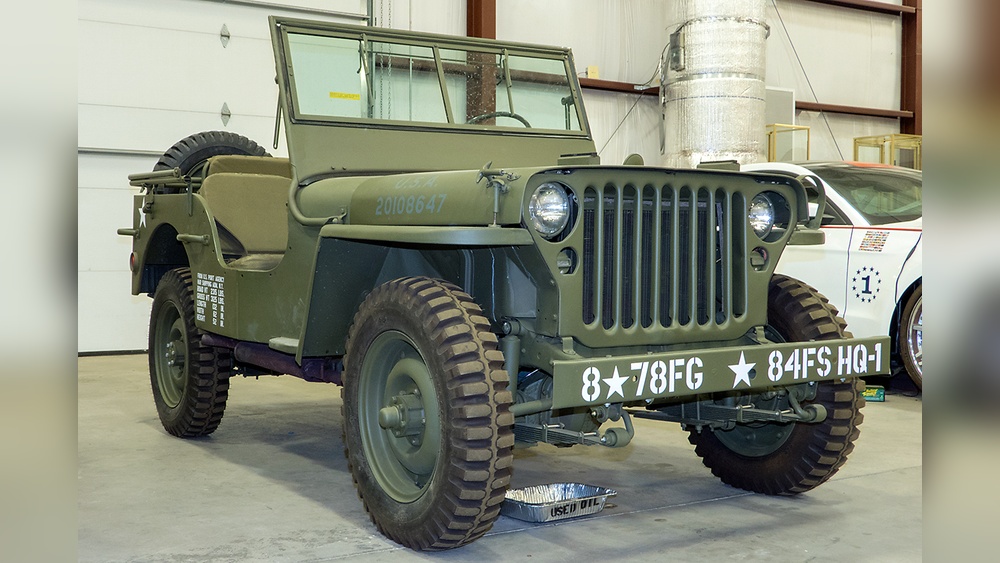
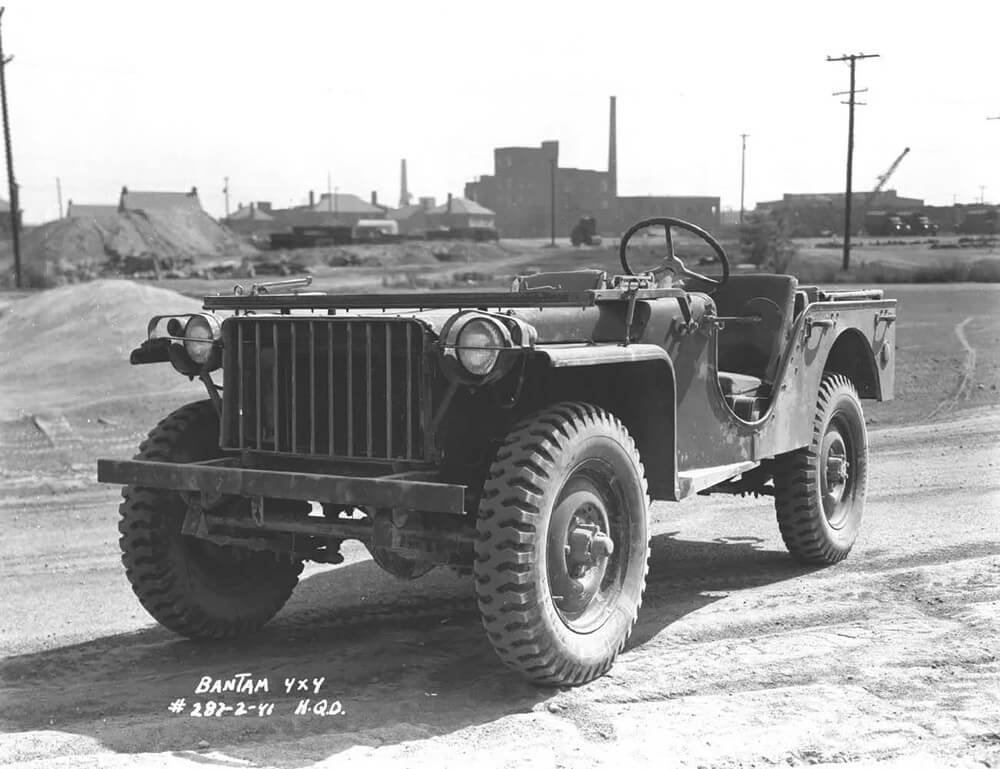
Before the war, there was no vehicle like the Jeep. The US Army needed a small, strong, and all-terrain car for its soldiers. In 1940, the Army asked car companies to design a vehicle that could carry four people, drive off-road, and be easy to fix. Three companies answered: Bantam, Willys-Overland, and Ford.
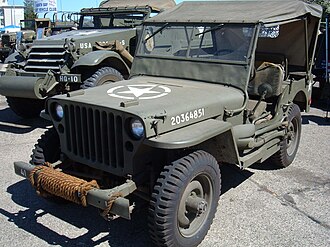
Bantam made the first prototype, but Willys and Ford soon joined. Willys created the famous Willys MB model, while Ford produced the GPW. Both looked very similar and could be used interchangeably. By 1941, the Jeep was ready for mass production.
Jeep Production Numbers During Ww2
So, how many Jeeps were made in WW2? The total production reached over 640,000 units. This huge number shows how important Jeeps were for Allied forces.
Here’s a breakdown of Jeep production by each manufacturer:
| Manufacturer | Model | Number Produced |
|---|---|---|
| Willys-Overland | MB | ~363,000 |
| Ford | GPW | ~280,000 |
| Bantam | BRC-40 | ~2,700 |
Willys-Overland and Ford made almost all the Jeeps. Bantam, the original designer, built only a few thousand. The reason: Bantam was a small company and couldn’t produce enough for the Army’s needs.
Why Were So Many Jeeps Made?
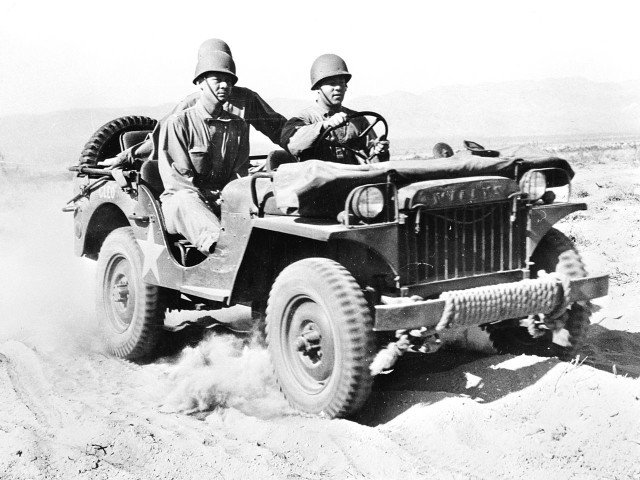
The US Army needed a vehicle that could do almost anything. The Jeep became the answer. Its light weight, strong frame, and 4-wheel drive made it perfect for tough battlefields. Soldiers used Jeeps for:
- Moving troops and supplies
- Ambulance work
- Recon missions
- Towing small guns
- Communication and command
The Jeep’s flexibility meant it could replace horses, motorcycles, and even bigger trucks for many tasks. This helped the Army move faster and safer.
Key Features Of The Ww2 Jeep
The WW2 Jeep was not just any car. It had special features that helped it survive war conditions:
- Compact size: Easy to hide and move in forests or cities.
- Open body: Soldiers could jump in and out quickly.
- Simple design: Easy to repair in the field.
- 4-wheel drive: Strong grip on mud, snow, and rough ground.
- Durable engine: Could run for long hours without overheating.
These features made the Jeep the most trusted vehicle for soldiers. Even when damaged, it was often fixed in minutes.
Comparing Ww2 Jeeps With Other Military Vehicles
Jeep’s production was impressive, but how did it compare with other vehicles used in WW2? Here’s a look at the numbers:
| Vehicle Type | Total Produced | Main Use |
|---|---|---|
| Jeep | ~640,000 | Transport, Recon |
| Half-Track | ~43,000 | Troop Carrier |
| Tank (Sherman) | ~50,000 | Combat |
| Motorcycle | ~88,000 | Messenger |
As you can see, Jeep production was much higher than other vehicles. The Jeep’s simple design and usefulness made it easy to build quickly and in large numbers.
The Cost Of Making A Jeep
During WW2, cost mattered. The Army needed reliable vehicles that didn’t break the budget. Each WW2 Jeep cost about $750-$800 to produce. This was cheaper than bigger trucks or armored vehicles.
The low cost helped the Army buy more Jeeps. It also meant Jeeps could be used for risky missions without worrying about losing expensive equipment.
Example Cost Comparison
| Vehicle | Approximate Cost |
|---|---|
| WW2 Jeep | $750-$800 |
| Sherman Tank | $35,000 |
| Half-Track | $10,000 |
This price difference was a big reason the Jeep became the standard choice for the US Army and its allies.
The Jeep’s Role In Ww2 Battles
Jeep's presence was felt in almost every major battle. From the beaches of Normandy to the deserts of North Africa, Jeeps carried soldiers, officers, and medics.
In many cases, Jeeps helped save lives by getting wounded soldiers to safety quickly.
Jeep’s speed and reliability let commanders move fast and make quick decisions. Some Jeeps were even modified for special missions, such as mounting machine guns or carrying radio equipment.
Allied Use And Global Impact
Jeeps were not just used by the US Army. The Allies, including the British, Canadian, Australian, and Soviet forces, received thousands of Jeeps through the Lend-Lease program. These vehicles helped armies in Europe, Asia, and Africa.
After the war, many Jeeps were given to civilian agencies, fire departments, and farmers. Their simple design and toughness made them perfect for peacetime jobs too.
Pros And Cons Of Ww2 Jeeps
Even though the Jeep was loved, it had strengths and weaknesses. Here’s a quick look:
Pros:
- Very reliable and easy to fix
- Worked on almost any terrain
- Low cost to build and maintain
- Flexible for many uses (transport, ambulance, command, etc.)
- Lightweight and easy to ship overseas
Cons:
- Limited protection (no armor)
- Small size meant less cargo space
- Not very comfortable for long rides
- Early models sometimes had weak brakes
Most soldiers accepted these downsides, because the Jeep’s advantages were so important for war.
Non-obvious Insights About Ww2 Jeep Production
Many beginners miss some interesting facts about WW2 Jeep production:
- Standardization: Ford and Willys had to make their Jeeps almost identical, so parts could be swapped in the field. This saved time and lives.
- Post-war impact: The Jeep inspired the first civilian SUV. The Willys CJ-2A was released after the war, using the same basic design.
- International assembly: Jeeps were sometimes assembled in other countries, using shipped parts. This helped Allies repair vehicles faster.
Knowing these details gives you a better picture of how the Jeep became a symbol of both military and civilian life.
How Many Jeeps Survive Today?
Many WW2 Jeeps are still around. Some are restored for car shows, museums, or private collections. While exact numbers are hard to find, experts estimate thousands of original Jeeps survive worldwide.
Owners often rebuild these Jeeps with original parts, keeping their history alive. WW2 Jeeps are popular among collectors because they represent strength, simplicity, and freedom.
What Made The Jeep A Legend?
The WW2 Jeep’s success was not just about numbers. It was about what the Jeep represented: flexibility, courage, and teamwork. Soldiers trusted their Jeeps in dangerous conditions. The Jeep helped change how wars were fought, making armies faster and more mobile.
After WW2, the Jeep became a symbol of adventure and toughness. Its story continues in modern Jeeps, which still use the same principles strong, reliable, and ready for anything.
<!– wp:rank-math/faq-block {"questions":[{"id":"faq-question-ef09c1101def","title":"How Many Jeeps Were Made In Ww2?","content":"
About 640,000 Jeeps were produced during World War II. The main models were the Willys MB and Ford GPW, with most units made by Willys-Overland and Ford.
“,”visible”:true},{“id”:”faq-question-0817eeedbea2″,”title”:”Who Designed The Original Jeep?”,”content”:”The original Jeep design came from Bantam, but Willys-Overland and Ford improved it and produced most of the vehicles. All three companies helped create the WW2 Jeep.
“,”visible”:true},{“id”:”faq-question-6e25130fcc23″,”title”:”What Was The Main Use Of Jeeps In Ww2?”,”content”:”Jeeps were used for transporting troops, carrying supplies, ambulance services, and as command vehicles. Their flexibility made them useful for many tasks on the battlefield.
“,”visible”:true},{“id”:”faq-question-259910214064″,”title”:”Are Any Ww2 Jeeps Still Around Today?”,”content”:”Yes, thousands of WW2 Jeeps are still in use or restored by collectors. Some are displayed in museums, while others are used in parades or historical reenactments.
“,”visible”:true},{“id”:”faq-question-16ce1c110b80″,”title”:”What Happened To Jeeps After Ww2?”,”content”:”After the war, many Jeeps were sold as surplus to civilians. The Willys CJ-2A became the first civilian Jeep, starting the trend of SUVs and off-road vehicles.
“,”visible”:true}]} –>How Many Jeeps Were Made In Ww2?
About 640,000 Jeeps were produced during World War II. The main models were the Willys MB and Ford GPW, with most units made by Willys-Overland and Ford.
Who Designed The Original Jeep?
The original Jeep design came from Bantam, but Willys-Overland and Ford improved it and produced most of the vehicles. All three companies helped create the WW2 Jeep.
What Was The Main Use Of Jeeps In Ww2?
Jeeps were used for transporting troops, carrying supplies, ambulance services, and as command vehicles. Their flexibility made them useful for many tasks on the battlefield.
Are Any Ww2 Jeeps Still Around Today?
Yes, thousands of WW2 Jeeps are still in use or restored by collectors. Some are displayed in museums, while others are used in parades or historical reenactments.
What Happened To Jeeps After Ww2?
After the war, many Jeeps were sold as surplus to civilians. The Willys CJ-2A became the first civilian Jeep, starting the trend of SUVs and off-road vehicles.
Meta Title
How Many Jeeps Were Made In WW2: Production Numbers & History
Meta Description
Discover how many Jeeps were made in WW2, with detailed production numbers, history, features, and impact. Learn why the Jeep became a wartime legend and how it shaped both military and civilian life.
If you want more official details about WW2 Jeeps, visit Wikipedia for a deep dive into the Willys MB and its history.
The story of the WW2 Jeep is not just about a vehicle it’s about solving big problems with smart ideas. From the first prototype to the last Jeep rolled off the line, its impact on history is clear.
Whether you’re a beginner or a Jeep fan, knowing how many Jeeps were made in WW2 helps you appreciate their real value.