If you own a Jeep Grand Cherokee or are considering buying one, you might be curious about its emissions system—especially the catalytic converters. These components are important for reducing harmful gases and keeping your vehicle legal on the road.
But how many catalytic converters does a Jeep Grand Cherokee actually have? This guide answers that, explains why it matters, and offers tips for identifying and maintaining these parts.
How Many Catalytic Converters Does A Jeep Grand Cherokee Have?
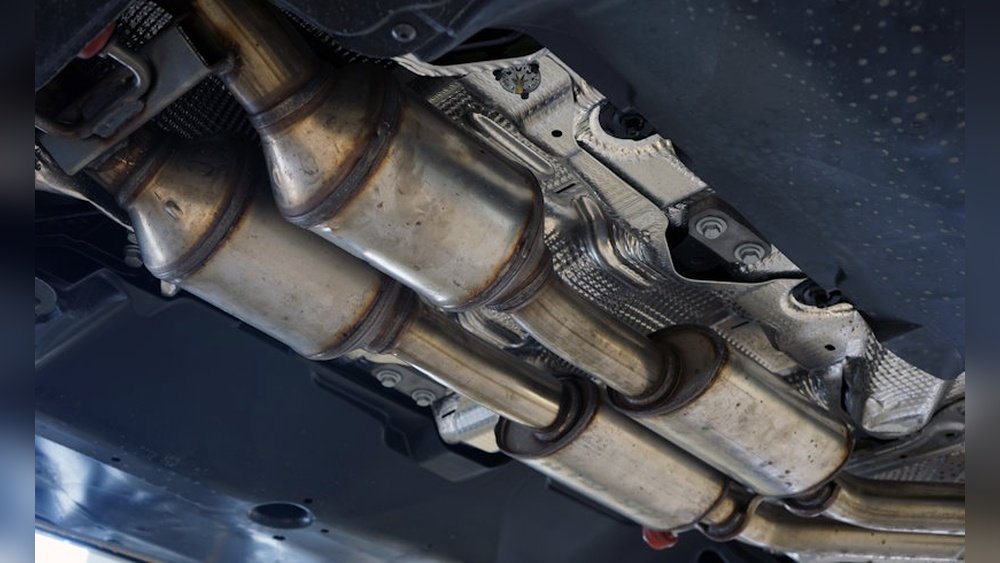
Most Jeep Grand Cherokees built after 1996 come with two catalytic converters. However, the exact number can depend on the model year, engine type, and emission standards.
- Older models (1993–1995): Usually have one catalytic converter.
- Newer models (1996 and after): Most have two catalytic converters—one for each bank of cylinders in V6 and V8 engines.
- Some high-performance or newer emission models: May have three (two “pre-cats” and one main converter).
Here’s a quick comparison by model year:
| Model Year | Engine Type | Number of Catalytic Converters |
|---|---|---|
| 1993–1995 | Inline-6, V8 | 1 |
| 1996–2010 | V6, V8 | 2 |
| 2011–2024 | V6, V8, EcoDiesel | 2–3 |
Insight: Many owners don’t realize newer Grand Cherokees can have a third “pre-catalytic converter” close to the engine, especially in models with stricter emission controls.
Why Does The Number Of Catalytic Converters Matter?
The number of catalytic converters affects:
- Emissions compliance: Meeting local and federal laws.
- Repair costs: More converters mean higher replacement costs.
- Performance: A failed converter can hurt engine power.
If you replace one converter and ignore the other, you might still fail an emissions test. It’s important to know how many your Jeep has before repairs or inspections.
Where Are The Catalytic Converters Located?
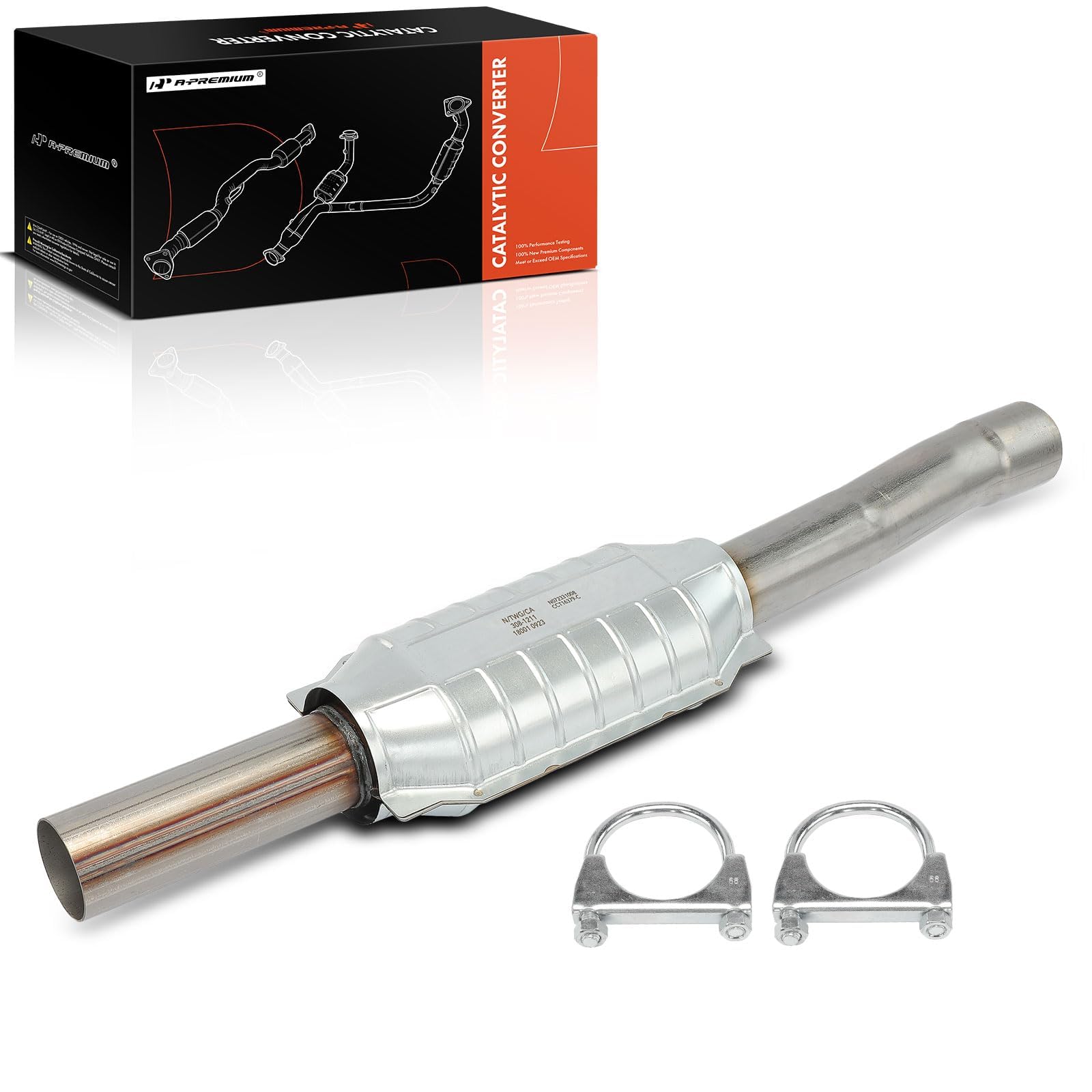
In most Jeep Grand Cherokees, the catalytic converters sit under the vehicle, attached to the exhaust system. Their exact location depends on the engine:
- V6 and V8 engines: Usually have one converter on each side (driver and passenger).
- Inline-6 engines: Typically one main converter close to the center.
Some newer models add small “pre-cats” right after the exhaust manifold. These help reduce emissions before gases reach the main converter.
Here’s a simple table showing where to look:
| Engine | Common Converter Location |
|---|---|
| V6 | Both sides, under body |
| V8 | Both sides, under body |
| Inline-6 | Center, near transmission |
Tip: Look for round or oval metal “cans” welded into the exhaust pipes. They often have heat shields and oxygen sensors before and after them.
Signs Your Jeep Grand Cherokee’s Catalytic Converter Needs Attention
Catalytic converters are designed to last, but they can fail because of age, engine problems, or bad fuel. Watch for these signs:
- Check Engine Light: Often triggered by converter trouble.
- Rattling noise: Broken ceramic inside the converter.
- Poor acceleration: A clogged converter restricts exhaust flow.
- Failed emissions test: Indicates high pollution output.
- Rotten egg smell: Sulfur in exhaust from a failing converter.
If you notice these symptoms, have your Jeep checked by a trusted mechanic. Ignoring converter problems can damage your engine or cause expensive repairs.
Replacing Catalytic Converters: What To Expect
Changing a catalytic converter on a Grand Cherokee isn’t cheap. Prices range from $700 to over $2,500, depending on the number and type of converters. Here’s what impacts the cost:
- OEM vs aftermarket: Original parts cost more but ensure fit and quality.
- Labor: Some converters are hard to reach, so labor adds up.
- Number of converters: Replacing two or three costs much more than one.
Before replacing, confirm exactly how many converters your Jeep has. Replacing just one when you need two can cause ongoing problems.
Common Mistakes Owners Make
Many Jeep Grand Cherokee owners make simple mistakes about their catalytic converters:
- Assuming there’s only one: Modern models often have more.
- Ignoring oxygen sensors: These sensors control how the converter works.
- Using the wrong replacement part: Not all converters are legal in every state.
Always check your vehicle identification number (VIN) or consult a trusted source before buying parts. Some states (like California) have very strict emissions laws.
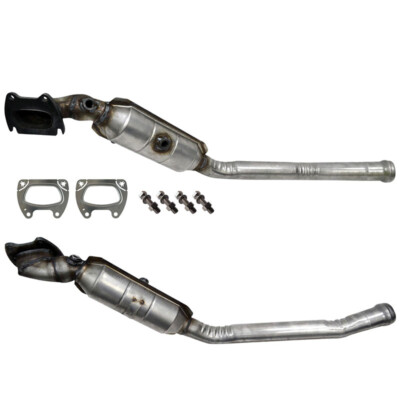
How To Find The Right Catalytic Converter For Your Jeep
To avoid problems, match your replacement converter to your Jeep’s:
- Model year
- Engine type
- Emission standard (Federal or California)
Check your owner’s manual, or use your VIN on trusted websites. For more detailed info, you can review the EPA’s guidelines at EPA Vehicle and Engine Certification.
Insider tip: Aftermarket “universal” converters are cheaper but may not fit or pass local laws. Always confirm compatibility.
Frequently Asked Questions
How Do I Know If My Grand Cherokee Has Two Or Three Catalytic Converters?
Check your owner’s manual or crawl under your Jeep and count the metal “cans” on the exhaust pipes. Each has oxygen sensors before and after.
If you see a small converter close to the engine and two larger ones further back, you have three.
Can I Drive My Jeep Grand Cherokee With A Bad Catalytic Converter?
You can drive short distances, but it’s not safe. A clogged converter can cause engine damage or dangerous heat buildup.
Plus, you’ll pollute more and may get a ticket if you fail emissions.
Is It Legal To Remove A Catalytic Converter From My Jeep?
No. Removing or bypassing a catalytic converter is illegal in the US and many other countries.
It can lead to fines, failed inspections, and environmental harm.
How Long Do Catalytic Converters Last On A Grand Cherokee?
Most last 80,000–100,000 miles, but poor engine maintenance or bad fuel can shorten their life. If your Jeep is running rough, fix it quickly to protect your converters.
Why Are Catalytic Converters Sometimes Stolen From Grand Cherokees?
They contain precious metals like platinum and palladium. Thieves target SUVs because converters are easy to reach.
Parking in a garage or using anti-theft shields can help protect your Jeep.
Understanding the number and role of catalytic converters in your Jeep Grand Cherokee helps you stay legal, pass inspections, and keep your vehicle running smoothly. Knowing where they are—and how to spot trouble—can save you money and headaches down the road.