How Long Will A Jeep Last? Real Lifespan, Mileage, And Maintenance Tips
If you’re thinking about buying a Jeep or already own one, you might wonder: How long will a Jeep last? This is a smart question, especially if you want a vehicle that gives good value for your money.
Many people love Jeeps for their strong build and off-road ability, but how many miles can they actually go? And what can you do to make your Jeep last longer?
you’ll find clear, practical answers. We’ll look at the average Jeep lifespan, real owner experiences, key factors that affect Jeep longevity, and easy steps to get the most out of your vehicle.
If you want a reliable Jeep for many years, help you understand what to expect and how to care for your Jeep.
Average Lifespan Of A Jeep
For most drivers, a Jeep is not just a car it’s a partner for both daily driving and adventure. But how many miles can a Jeep really last?
- Most modern Jeeps, like the Jeep Wrangler, Grand Cherokee, and Cherokee, can last 150,000 to 200,000 miles with regular care.
- Some owners report their Jeeps reaching 250,000 miles or more.
- The average vehicle in the US lasts about 12 years or 200,000 miles, according to auto industry data.
Here’s a quick look at the average lifespan for popular Jeep models:
| Jeep Model | Expected Lifespan (Miles) | Years (Average Use) |
|---|---|---|
| Wrangler | 200,000+ | 15 to 20 |
| Grand Cherokee | 180,000 to 200,000 | 13 to 17 |
| Cherokee | 175,000 to 200,000 | 12 to 16 |
| Compass | 150,000 to 180,000 | 10 to 15 |
| Renegade | 150,000 to 180,000 | 10 to 14 |
These numbers are averages. Some Jeeps break down early, while others go much further.
How you drive and care for your Jeep matters a lot.
What Affects How Long A Jeep Will Last?
Not all Jeeps are the same. Several things can change how long your Jeep will last:
1. Maintenance Habits
- Regular oil changes keep the engine healthy.
- Check and replace fluids, like coolant and brake fluid.
- Tire rotation and alignment stop uneven wear.
- Fix problems early, before they get bigger.
Skipping basic care is the fastest way to shorten your Jeep’s lifespan.
2. Driving Conditions
- City driving with lots of stopping and starting can wear out parts faster.
- Off-road driving puts extra stress on the suspension, brakes, and underbody.
- Highway driving is often easier on the engine.
If you use your Jeep for tough trails often, expect more repairs.
3. Climate And Environment
- Salt from winter roads can cause rust on the frame and body.
- Hot climates may stress the cooling system.
- Moist environments lead to corrosion if you don’t wash your Jeep often.
4. Build Quality And Model Year
- Newer Jeeps often have better materials and improved technology.
- Some older models are famous for toughness, but may lack modern safety or comfort.
5. Owner Care And Upgrades
- Using quality parts and fluids helps.
- Upgrading with heavy-duty components (like better shocks or skid plates) can protect your Jeep during off-roading.
Real-world Owner Experiences
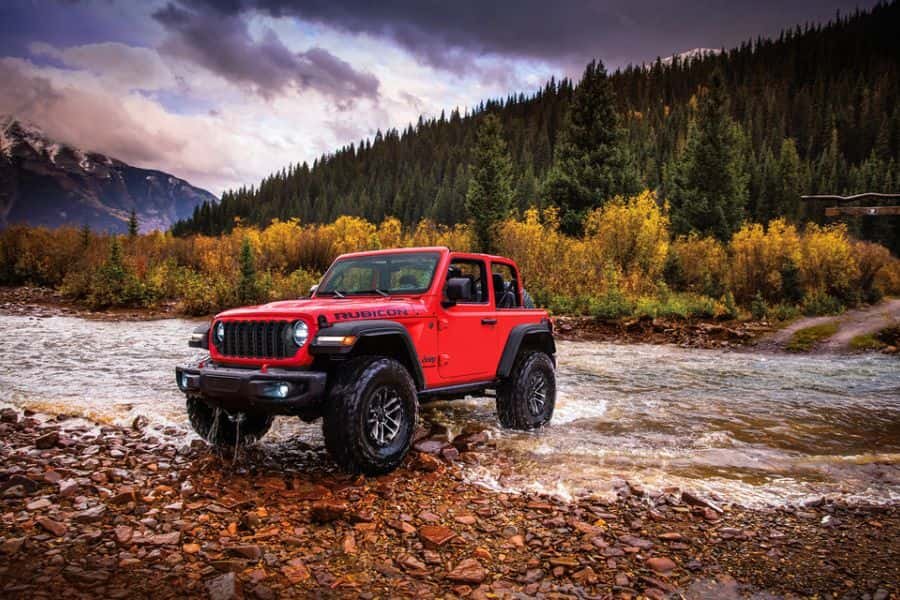
Many Jeep owners are proud of their high-mileage vehicles. You’ll find stories online of Wranglers and Grand Cherokees with over 250,000 miles and still running strong.
One example: A 2003 Jeep Wrangler owner reported reaching 320,000 miles with regular oil changes and careful driving. Another Grand Cherokee owner shared that their SUV passed 240,000 miles after 16 years, needing only normal repairs.
Here’s a comparison of common Jeep models and owner-reported mileage:
| Model | Highest Owner-Reported Mileage | Common Major Repairs |
|---|---|---|
| Wrangler (TJ/JK/JL) | 300,000+ | Clutch, transmission, suspension |
| Grand Cherokee | 275,000+ | Transmission, water pump, alternator |
| Cherokee | 250,000+ | Cooling system, sensors, transmission |
Most high-mileage Jeeps have needed some major repairs. But with good care, these vehicles often keep going well beyond 200,000 miles.
Common Problems That Can Limit Jeep Lifespan
Even the best Jeeps can have issues as they age. of the most common problems:
- Rust and frame corrosion, especially in areas with salted roads
- Transmission failure in older Grand Cherokees and some Wranglers
- Electrical issues with sensors or dashboard lights
- Water leaks in Wrangler soft tops
- Suspension wear from off-roading
These problems don’t mean your Jeep will break down early, but fixing them quickly is important to keep your vehicle safe and reliable.
Pros And Cons Of Jeep Longevity
Like any car, owning a Jeep has its ups and downs. Here’s a quick summary:
Pros
- Strong build quality on most models
- Great off-road capability
- Many parts are easy to find and repair
- Large owner community for advice and support
Cons
- Some models need more repairs as they age
- Rust can be a big issue if not treated early
- Fuel economy is lower than many SUVs
- Older Jeeps may lack modern safety features
How To Make Your Jeep Last Longer
If you want your Jeep to last as long as possible, follow these practical tips:
- Stick to the maintenance schedule in your owner’s manual.
- Use quality engine oil and change it on time.
- Wash your Jeep often, especially if you drive on salty or muddy roads.
- Check for rust and treat it right away.
- Don’t ignore warning lights or strange noises.
- If you go off-road, clean the underbody and check for damage.
- Use genuine or high-quality replacement parts.
- Store your Jeep in a garage or cover it if possible.
Small steps make a big difference over years of ownership.
Two Insights Many Beginners Miss
- Upgrades can help or hurt: Not all aftermarket parts are good for your Jeep. Cheap lift kits or poorly installed modifications can reduce your Jeep’s life. Always choose well-reviewed products and professional installation.
- Highway miles vs. off-road miles: 10,000 miles on the highway is not the same as 10,000 miles of off-roading. Off-road use wears out parts much faster, so consider this when looking at high-mileage Jeeps for sale.
Cost Of Keeping A Jeep On The Road
Owning a Jeep is not always cheap, especially as the miles add up. Here’s what you can expect:
- Annual maintenance: $500, $1,200, depending on usage and model
- Major repairs (like a new transmission): $2,000, $4,500
- Typical insurance cost: $1,200, $1,700 per year
Some repairs, like suspension or electrical work, are more common on older Jeeps. Doing simple maintenance yourself can save money.
Is A Used Jeep Still Worth Buying?
Buying a used Jeep can be a smart choice if you know what to look for. tips:
- Check the service records for regular oil changes and repairs.
- Inspect for rust under the body and around the frame.
- Test all electronics, windows, and locks.
- Take a long test drive to check for noises or shifting problems.
- Ask if the Jeep has been used off-road often.
A used Jeep with good care can last many more years. But avoid ones with rusted frames or a long list of problems.
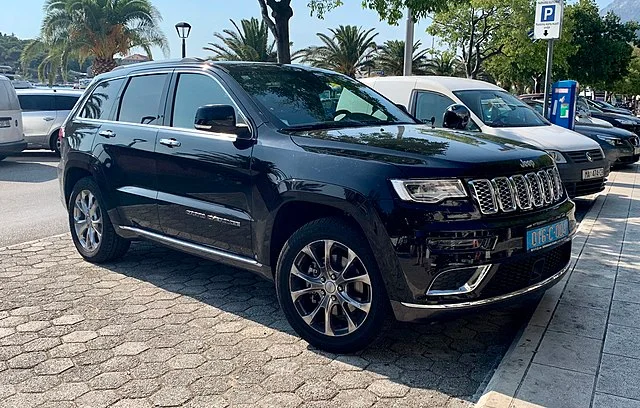
Jeep Vs. Other Suvs: Lifespan Comparison
How does Jeep stack up against other brands? Here’s a simple comparison:
| Brand | Typical Lifespan (Miles) | Notes |
|---|---|---|
| Jeep | 150,000 to 200,000+ | Excellent off-road, some models need more repairs |
| Toyota (4Runner, Land Cruiser) | 200,000 to 300,000+ | Famous for reliability |
| Ford (Explorer) | 175,000 to 200,000 | Good, but some years have issues |
| Chevrolet (Tahoe) | 200,000 to 250,000 | Strong V8 engines, moderate repairs |
Jeeps are competitive, especially for off-road fans. Some brands, like Toyota, last longer on average, but Jeeps offer unique adventure and style.
Are Jeeps Expensive To Maintain?
Maintenance costs for Jeeps are about average for SUVs but can be higher if you do a lot of off-roading or own an older model.
- Routine care (oil changes, brake pads, fluid changes) is affordable.
- Major repairs (transmission, engine) can be costly.
- DIY repairs are possible for many Jeep parts, thanks to a large community and easy-to-find guides.
If you keep up with regular care, Jeeps are not much more expensive than other SUVs.
What Is The Highest Mileage Ever Recorded On A Jeep?
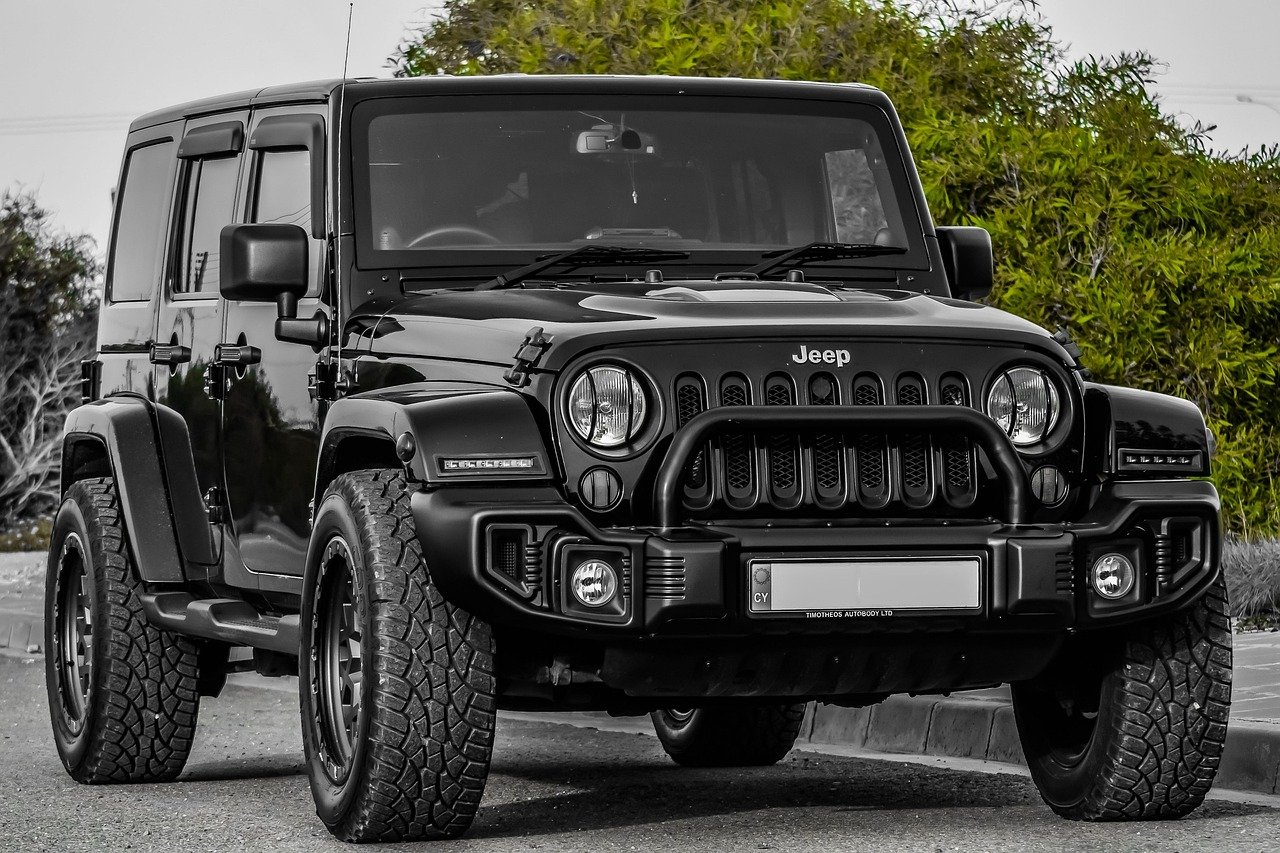
Some Jeep owners have reported over 400,000 miles on their vehicles, especially Wranglers and Cherokees. However, these are rare cases and usually involve careful maintenance and some major repairs along the way.
<!– wp:rank-math/faq-block {"questions":[{"id":"faq-question-64d6c7e7d0c6","title":"Is It Worth Buying A Jeep With 100,000 Miles?","content":"
A Jeep with 100,000 miles can still have many good years left if it’s been well maintained. Always check the service history and inspect for rust or major issues before buying.
“,”visible”:true}]} –>Is It Worth Buying A Jeep With 100,000 Miles?
A Jeep with 100,000 miles can still have many good years left if it’s been well maintained. Always check the service history and inspect for rust or major issues before buying.
The Jeep Wrangler and Grand Cherokee are often considered the most reliable. Older XJ Cherokees are also famous for lasting a long time when maintained well.
“,”visible”:true}]} –>What Are The Most Reliable Jeep Models For Long Life?
The Jeep Wrangler and Grand Cherokee are often considered the most reliable. Older XJ Cherokees are also famous for lasting a long time when maintained well.
Follow the schedule in your owner’s manual. Most Jeeps need an oil change every 5,000 to 7,500 miles, and other checks (like brakes, fluids, and filters) every 10,000 to 15,000 miles.
“,”visible”:true}]} –>How Often Should I Service My Jeep?
Follow the schedule in your owner’s manual. Most Jeeps need an oil change every 5,000 to 7,500 miles, and other checks (like brakes, fluids, and filters) every 10,000 to 15,000 miles.
Where Can I Find More Information About Jeep Reliability?
For detailed studies and owner reviews, visit the Consumer Reports Jeep section for up-to-date reliability data.
A Jeep can be a long-lasting vehicle if you treat it well. With regular care, many Jeeps will keep running strong for years, whether you’re driving in the city or exploring off-road trails.
If you want adventure, toughness, and a car that can go the distance, a Jeep is a good choice just remember, the key is taking care of it every step of the way.