Meta Title: How Long Does Jeep Cherokee Last? Lifespan, Mileage, Cost & Maintenance Tips
Meta Description: Discover how long a Jeep Cherokee can last, what affects its lifespan, average mileage, maintenance tips, pros & cons, and common issues. Get clear answers for buyers and owners.
If you’re thinking about buying a Jeep Cherokee, or you already own one, you probably wonder, “How long does a Jeep Cherokee last?” This SUV is known for its bold look and off-road skills, but is it built to go the distance? Knowing the average lifespan helps you make smart choices about maintenance, resale, or your next car.
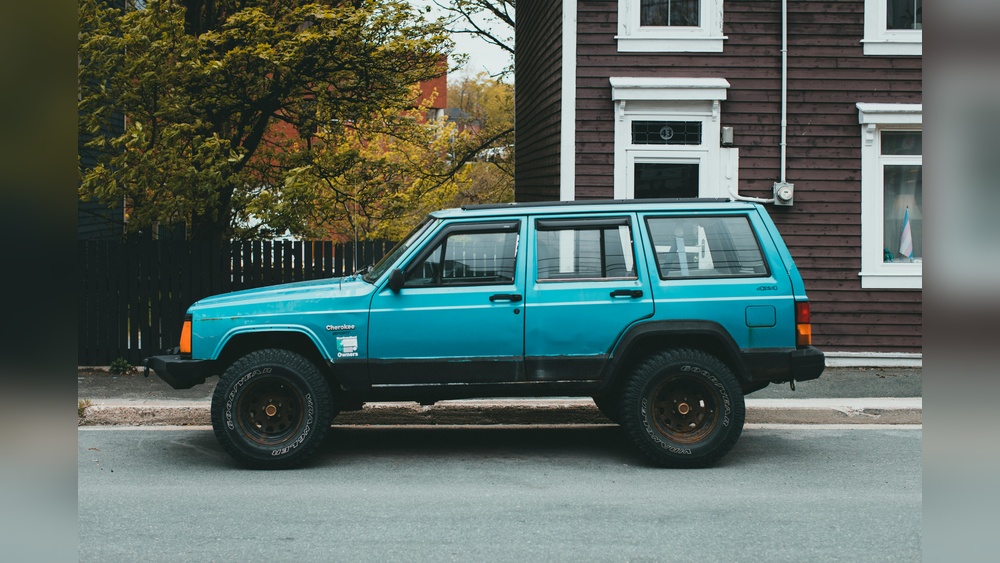
In this guide, you’ll learn how many miles a Jeep Cherokee can last, what factors make a big difference, how to spot problems early, and what you can do to help your Cherokee keep running strong for years.
Whether you drive in the city or love exploring rough trails, understanding your Cherokee’s limits means fewer surprises down the road.
Average Lifespan Of A Jeep Cherokee
Most Jeep Cherokees last between 150,000 and 250,000 miles. With good care, some owners report passing 300,000 miles, but this is not common. The typical Jeep Cherokee can serve you well for 10 to 15 years if you follow regular maintenance.
Model year is important. Newer Cherokees (2014 and later) often have better engines, transmissions, and safety features than older models. Still, older Cherokees from the late 1990s and early 2000s are famous for their solid build. Many of these are still on the road today.
Mileage Expectations By Model Year
Here’s a quick look at average mileage for different Cherokee generations:
| Model Year Range | Expected Mileage (Miles) | Notes |
|---|---|---|
| 1997 to 2001 | 200,000 to 300,000 | Simple, reliable engines; easy to repair |
| 2002 to 2013 | 180,000 to 250,000 | Some issues with electronics and rust |
| 2014 to 2023 | 150,000 to 200,000 | Modern features, more electronics to maintain |
Older Cherokees may last longer if well cared for, partly because they have fewer electronic parts that can fail.
Key Factors That Affect Jeep Cherokee Lifespan
Not all Cherokees age the same way. Here are the main reasons why some last longer than others:
1. Maintenance And Repairs
Regular maintenance is the biggest factor. Oil changes, tire rotation, brake checks, and following the service schedule keep your Cherokee healthy. Skipping these can quickly lead to engine or transmission failure.
2. Driving Habits
Gentle driving smooth acceleration and braking reduces wear. If you often tow heavy loads, drive off-road, or push the engine hard, you may see more repairs and a shorter lifespan.
3. Climate And Environment
Cherokees in harsh climates (like very hot, cold, or salty areas) often develop rust or engine issues faster. If you live near the ocean or in places with lots of road salt, wash your SUV’s underbody often to fight rust.
4. Model And Engine Type
Some Cherokee engines are more durable. For example, the 4.0L inline-six engine from older models is famous for its toughness. Newer engines, like the 2.4L Tigershark, may need more repairs as they age.
5. Accident And Repair History
A Cherokee that’s been in an accident or had major repairs may not last as long. Check a used vehicle’s history before buying.
Insight: Electronics And Sensors Matter
Many beginners overlook the role of electronic sensors and modules in newer Cherokees. These can fail and are costly to fix. A single failing sensor can make your Cherokee hard to drive or even stop running.
Insight: Transmission Care
Cherokees with automatic transmissions, especially 9-speed models (2014+), need regular fluid changes. Missing these can lead to expensive repairs after just 100,000 miles.
Common Problems That Shorten Lifespan
Knowing what might go wrong helps you act early. Here are the most common issues that can impact how long a Jeep Cherokee lasts:
- Transmission failure (especially 2014 to 2016 models)
- Electrical problems (window switches, sensors, infotainment)
- Cooling system leaks
- Rust (especially in older models)
- Suspension wear (bushings, ball joints)
- Oil leaks (valve covers, oil pan)
Example: Transmission Trouble
Many 2014 2016 Cherokees had 9-speed transmission problems. Some were fixed under warranty, but others needed a full replacement.
This repair can cost $3,000 or more, and often marks the “end of life” for the SUV if the owner doesn’t want to pay.
How To Make Your Jeep Cherokee Last Longer
You can stretch your Cherokee’s lifespan with smart habits. Here’s what works best:
- Follow the maintenance schedule. Stick to oil changes (every 5,000 to 7,500 miles), replace the air filter, and check fluids.
- Use quality parts and fluids. Cheap oil or filters can cause big problems later.
- Fix small problems early. Don’t ignore warning lights, leaks, or strange noises.
- Protect against rust. Wash the undercarriage, especially in winter or near the sea.
- Drive gently. Avoid sudden starts, stops, and heavy towing unless your Cherokee is designed for it.
- Keep records. Save receipts for all work done, helps with resale and tracking repairs.
Extra Tip: Transmission Fluid
Many owners miss transmission fluid changes. This is critical for new Cherokees. Check the manual, some fluids are “lifetime,” but changing them at 60,000 miles can add years to your transmission.
Extra Tip: Electronics Check
If you see weird electrical issues (flashing dashboard, radio resets), have your battery and alternator checked. Weak voltage can cause confusing problems in modern Cherokees.
Cost Of Ownership Over Time
Owning a Jeep Cherokee is not just about the purchase price. You should also think about:
- Maintenance and repairs
- Fuel costs
- Insurance
- Depreciation (loss of value over time)
Average Maintenance Costs
Jeep Cherokees cost about $520 per year for regular maintenance, according to RepairPal. This covers oil changes, brake pads, and basic inspections. Major repairs (like a transmission or engine) can cost thousands if they happen outside warranty.
Repair Costs By System
Here’s a breakdown of average repair costs for key systems:
| Repair Type | Average Cost (USD) | Typical Mileage |
|---|---|---|
| Brake Pads & Rotors | $300, $600 | 40,000 to 70,000 |
| Transmission Service | $150, $350 | 60,000 to 100,000 |
| Water Pump Replacement | $450, $900 | 90,000 to 120,000 |
| Timing Belt/Chain | $500, $1,200 | 90,000 to 120,000 |
| Suspension Repair | $400, $1,000 | 100,000 to 150,000 |
Older Cherokees may have cheaper repairs, but parts can be harder to find.
Depreciation
A new Jeep Cherokee loses about 40 to 50% of its value in the first five years. Buying used (3 to 5 years old) often gives the best balance of price and remaining lifespan.
Pros And Cons Of Owning A Jeep Cherokee Long-term
Before you decide to keep your Cherokee for 200,000 miles, consider these points:
Pros
- Strong off-road ability (Trailhawk and older models)
- Comfortable ride for daily use
- Good resale value if well maintained
- Plenty of parts and mechanics who know them
Cons
- Can be expensive to repair (especially transmissions and electronics)
- Lower fuel economy than some rival SUVs
- Some years have more recalls (2014 to 2016)
- Rust can be a problem in older models
How Jeep Cherokee Lifespan Compares To Other Suvs
Wondering how the Jeep Cherokee stacks up against similar SUVs? Here’s a quick comparison with other popular models:
| Model | Average Lifespan (Miles) | Maintenance Cost (Yearly) |
|---|---|---|
| Jeep Cherokee | 150,000 to 250,000 | $520 |
| Toyota RAV4 | 200,000 to 300,000 | $429 |
| Honda CR-V | 200,000 to 300,000 | $407 |
| Ford Escape | 150,000 to 200,000 | $600 |
| Chevy Equinox | 150,000 to 200,000 | $537 |
The Cherokee is competitive, but Toyota and Honda models often last longer with less trouble.
Should You Buy A High-mileage Jeep Cherokee?
Buying a Cherokee with more than 100,000 miles can be a good deal if it’s been well cared for. Look for:
- Complete service records
- No major accidents
- Smooth shifting transmission
- No warning lights or leaks
Avoid Cherokees with a history of transmission problems, as these can be costly.
If you’re not sure, have a trusted mechanic inspect the SUV before you buy.
<!– wp:rank-math/faq-block {"questions":[{"id":"faq-question-104f3ee01e44","title":"How Many Miles Can A Jeep Cherokee Last?","content":"
Most Jeep Cherokees last 150,000 to 250,000 miles with proper maintenance. Some reach 300,000 miles, but this is rare.
“,”visible”:true},{“id”:”faq-question-bfc76efbef09″,”title”:”What Year Jeep Cherokee Is Most Reliable?”,”content”:”Many owners say the 1997 to 2001 Cherokee XJ is the most reliable, thanks to its simple design and tough 4.0L engine. Among newer models, 2018 and later Cherokees have fewer transmission issues.
“,”visible”:true},{“id”:”faq-question-a408f69838dc”,”title”:”Is The Jeep Cherokee Expensive To Maintain?”,”content”:”Maintenance costs are average for an SUV, about $520 per year. Major repairs can be costly, especially for models with advanced electronics or problematic transmissions.
“,”visible”:true},{“id”:”faq-question-b779b5a8ab9e”,”title”:”Can A Jeep Cherokee Handle Off-road Driving Long-term?”,”content”:”Yes, especially Trailhawk models and older Cherokees. However, off-roading increases wear, so more frequent maintenance is needed to keep the SUV running well.
“,”visible”:true},{“id”:”faq-question-936cde99d917″,”title”:”Where Can I Find More Data On Jeep Cherokee Reliability?”,”content”:”You can find more information and owner reviews at the official Jeep website and trusted automotive sites like Edmunds and Consumer Reports.
nIf you want an SUV that’s fun, practical, and can last a long time, the Jeep Cherokee is a solid choice just remember, regular care is key to getting the most miles from your ride.
“,”visible”:true}]} –>How Many Miles Can A Jeep Cherokee Last?
Most Jeep Cherokees last 150,000 to 250,000 miles with proper maintenance. Some reach 300,000 miles, but this is rare.
What Year Jeep Cherokee Is Most Reliable?
Many owners say the 1997 to 2001 Cherokee XJ is the most reliable, thanks to its simple design and tough 4.0L engine. Among newer models, 2018 and later Cherokees have fewer transmission issues.
Is The Jeep Cherokee Expensive To Maintain?
Maintenance costs are average for an SUV, about $520 per year. Major repairs can be costly, especially for models with advanced electronics or problematic transmissions.
Can A Jeep Cherokee Handle Off-road Driving Long-term?
Yes, especially Trailhawk models and older Cherokees. However, off-roading increases wear, so more frequent maintenance is needed to keep the SUV running well.
Where Can I Find More Data On Jeep Cherokee Reliability?
You can find more information and owner reviews at the official Jeep website and trusted automotive sites like Edmunds and Consumer Reports.
nIf you want an SUV that’s fun, practical, and can last a long time, the Jeep Cherokee is a solid choice just remember, regular care is key to getting the most miles from your ride.