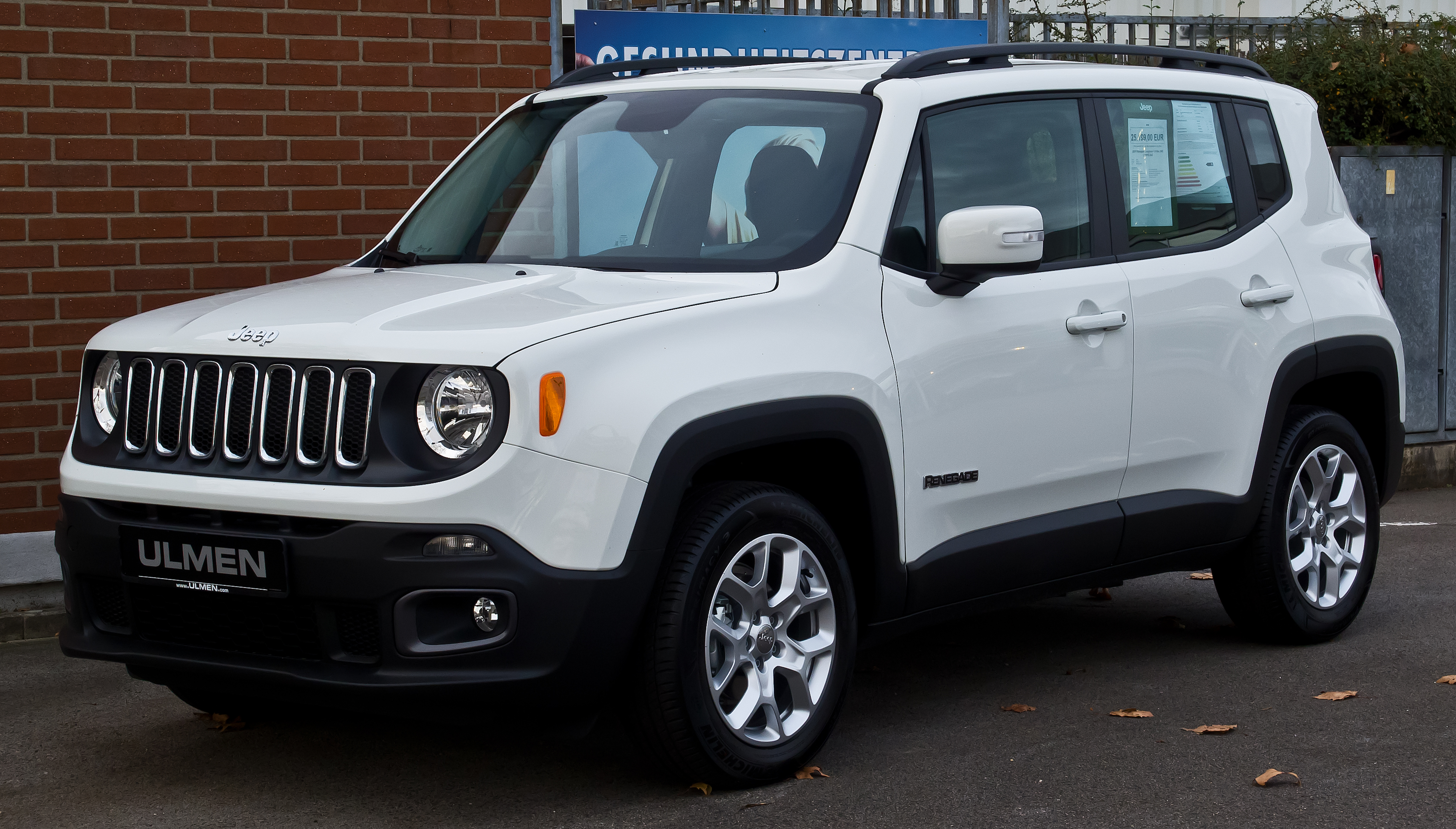
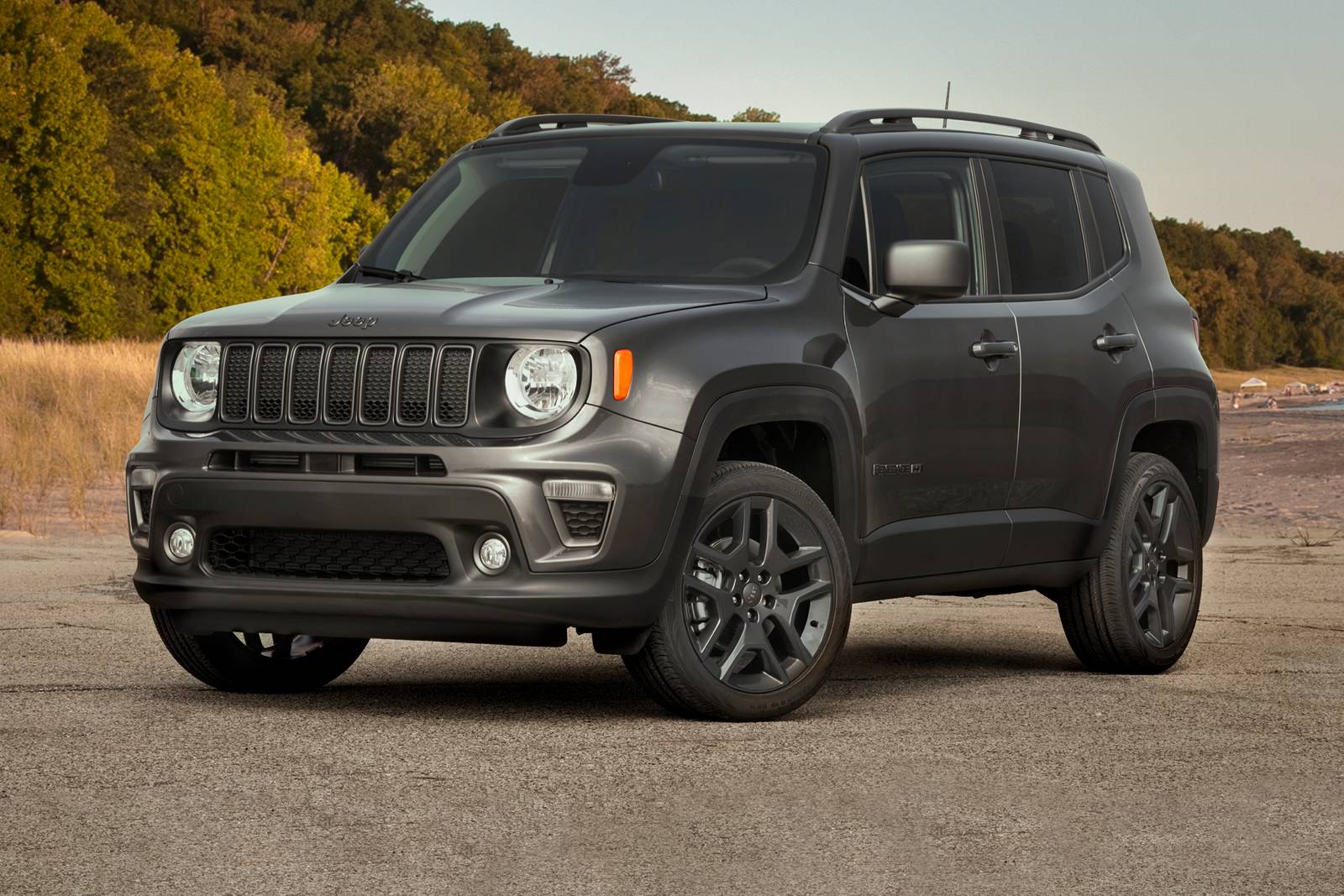
If you’re thinking about buying a Jeep Renegade, or you already own one, you probably want to know: How long does a Jeep Renegade last? This question matters for your wallet, your plans, and your peace of mind.
The Renegade is a popular compact SUV known for its unique style and city-friendly size. But how many miles can you expect before major repairs start?
Let’s look at real numbers, what affects the Renegade’s lifespan, and tips to help you get the most years from your vehicle.
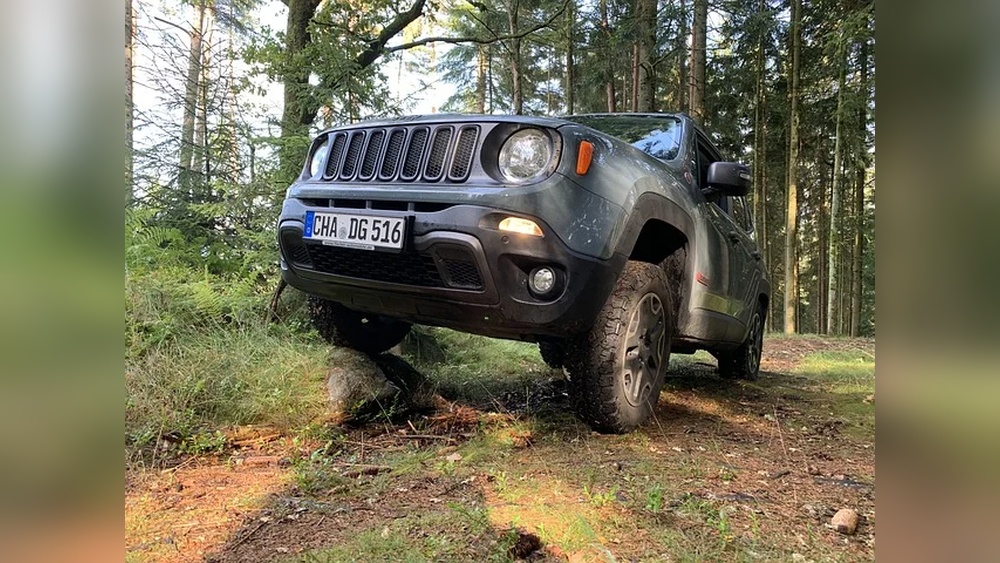
Average Lifespan Of The Jeep Renegade
Most Jeep Renegade drivers can expect their SUV to last between 120,000 and 180,000 miles with regular maintenance. That usually means around 8 to 12 years of driving, depending on how much you drive each year. Some owners report reaching over 200,000 miles, but this requires excellent care and a bit of luck.
Real-world Data
Many Renegade owners share their experiences on forums and review sites. Here’s what actual drivers report:
- 120,000 to 150,000 miles: Common for Renegades with normal use and basic maintenance.
- 180,000 miles+: Achievable with careful service and gentle driving.
- Less than 100,000 miles: Often happens if maintenance is skipped or if the car sees rough use.
Owner stories on Jeep forums often mention that a well-cared-for Renegade can surprise its owner with its durability. For example, drivers who use their Renegade for daily commutes and highway trips, rather than tough off-road adventures, consistently reach higher mileage marks.
Another point to consider is that city driving, with its frequent starts and stops, can lead to more wear on brakes and transmissions, sometimes lowering the potential lifespan compared to mostly highway use.
Non-obvious insight: Some owners in colder climates see shorter lifespans due to rust and salt exposure. If you live in snowy areas, washing your Renegade regularly can add years to its life. Even garage parking in winter months can help reduce rust on the undercarriage, something many drivers overlook.
Key Factors That Affect Jeep Renegade Longevity
Several things decide how long your Jeep Renegade lasts. Let’s look at the main factors:
Maintenance Habits
Regular care is the most important. This means:
- Oil changes every 5,000 to 7,500 miles
- Checking brakes, fluids, and filters
- Fixing small problems before they become big
Skipping maintenance is the fastest way to shorten your car’s life. For example, letting the oil run too low or dirty can cause costly engine damage long before you reach high mileage.
Even simple things like replacing the air filter and keeping the tires properly inflated can make a difference in how hard the engine and suspension have to work.
Driving Style
How you drive matters:
- Gentle driving (no hard braking or fast starts) helps the Renegade last longer.
- Aggressive driving wears down parts faster.
If you often tow heavy loads or drive aggressively, you put extra stress on the transmission and suspension. Over time, this can mean more frequent repairs and a shorter life for your Renegade.
On the other hand, drivers who avoid potholes, plan smooth stops, and use cruise control on highways often see fewer issues as their cars age.
Climate And Location
- Hot and dry climates can cause rubber parts to crack.
- Cold, wet, or salty areas can cause rust and corrosion.
Living near the ocean or in areas where roads are salted in winter can speed up rust on the body and undercarriage. Rust doesn’t just look bad it can weaken important parts like brake lines and the frame.
Investing in regular undercarriage washes and applying rust protection sprays can make a significant difference, especially if you plan to keep your Renegade for many years.
Model Year And Engine Type
Some Renegade model years are more reliable than others. Engine type also matters.
| Model Year | Average Reliability | Common Issues |
|---|---|---|
| 2015 to 2016 | Below Average | Transmission, electrical |
| 2017 to 2019 | Average | Minor electronics |
| 2020 to 2023 | Above Average | Few major issues |
Practical tip: Choosing a newer model year can mean fewer problems and a longer lifespan. The 1.3L turbo engine tends to last longer than the older 2.4L Tigershark engine. The 1.3L also offers better fuel efficiency, which can mean less wear over time since the engine doesn’t need to work as hard for the same power.
Non-obvious insight: Some drivers overlook the benefit of updating software and recalls at the dealership. Keeping your Renegade’s software current can fix hidden bugs that affect transmission or engine performance, improving reliability.
Common Problems That Limit Renegade Longevity
The Jeep Renegade is fun to drive, but it does have some weak spots. Knowing these can help you avoid surprises.
Transmission Issues
Early models (2015 to 2016) sometimes had transmission problems. Signs include:
- Jerky shifting
- Delayed gear changes
- Warning lights
Fixing or replacing a transmission can cost $3,000, $5,000. If you hear strange noises, get it checked early. Transmission fluid changes are often skipped but are very important for preventing premature failure, especially if you drive in stop-and-go traffic.
Electrical System Glitches
Some Renegades have electrical issues like:
- Faulty sensors
- Malfunctioning radios or displays
- Battery drain
Most electrical problems are minor, but they can be annoying. Simple fixes like updating the infotainment system software or replacing worn relays can solve many issues.
However, left ignored, electrical problems can lead to more serious failures, including total battery drain that leaves you stranded.
Engine Problems
The 2.4L Tigershark engine is known for burning oil. If you notice low oil levels or blue smoke, fix it soon to avoid engine damage. Checking oil levels monthly, especially if you have this engine, is a smart habit. Early detection and topping up oil can prevent larger failures.
Rust And Corrosion
Salt and moisture can cause rust, especially under the vehicle. Washing the undercarriage in winter helps prevent this.
Pay attention to the wheel wells and the exhaust system, as these are common rust spots.
| Problem | Repair Cost (Approx.) | Impact on Lifespan |
|---|---|---|
| Transmission replacement | $3,000, $5,000 | Major |
| Engine rebuild | $2,500, $4,000 | Major |
| Electrical fixes | $100, $600 | Minor |
| Rust repair | $200, $1,500 | Moderate |
Non-obvious insight: Fixing small electrical issues quickly can prevent battery drain, which in turn protects more expensive parts. Also, rust that starts on the exhaust or brake lines can spread quickly if not treated, so early attention pays off.
How To Make Your Jeep Renegade Last Longer
Want your Jeep Renegade to go the distance? Here are practical ways to help:
- Follow the service schedule: Check your owner’s manual and stick to recommended oil changes and inspections.
- Use quality parts: Cheap filters and fluids can cause bigger problems.
- Wash regularly: This keeps rust away, especially if you live near the ocean or drive on salted roads.
- Drive smoothly: Avoid sudden starts and stops.
- Fix issues early: Don’t ignore warning lights or strange sounds.
Routine tire rotations, alignment checks, and replacing spark plugs when needed can also add years to your Renegade’s life. When possible, use synthetic oil, as it provides better engine protection, especially in extreme temperatures.
Example: Owner Story
A driver in Texas got 170,000 miles from their 2017 Renegade by changing oil every 6,000 miles, fixing issues quickly, and keeping the car clean. They avoided transmission problems by never towing heavy loads and not racing the engine.
Another owner in New England reached almost 200,000 miles by parking in a garage during winter, washing the undercarriage often, and using rust inhibitors. They also reported saving money by learning to do basic maintenance like changing air filters and bulbs themselves.
Pros And Cons Of Jeep Renegade Longevity
Let’s look at the positives and negatives how long a Jeep Renegade lasts.
Pros
- Good for city driving: Designed for urban use, so less wear than off-road vehicles.
- Easy maintenance: Parts and service are affordable compared to bigger SUVs.
- Decent resale value: Reliable models hold their value well.
- Compact size: Easier to maneuver and park, which can mean less risk of accident damage.
Cons
- Earlier models have more problems: 2015 to 2016 Renegades may need expensive repairs.
- Not built for heavy towing: Using your Renegade for tough jobs can shorten its life.
- Limited off-road use: Heavy off-roading can cause faster wear.
- Some parts availability issues: In some regions, waiting for specific parts can delay repairs.
Cost Of Ownership And Repairs
It’s smart to know what you’ll spend to keep your Jeep Renegade running well.
Maintenance Costs
- Oil change: $45, $70 (every 5,000 to 7,500 miles)
- Brake pads: $150, $300 (every 30,000 to 50,000 miles)
- Tires: $400, $800 for a set (every 40,000 to 60,000 miles)
- Battery: $120, $250 (every 3 to 5 years)
Repair Costs
Major repairs can get expensive:
- Transmission: $3,000, $5,000
- Engine: $2,500, $4,000
- Electrical: $100, $600
Yearly Cost Estimate
Most owners spend $600, $1,200 per year on maintenance and minor repairs. This is typical for a compact SUV. If you do more city driving with frequent short trips, your costs may be at the higher end due to more wear on brakes and the battery.
| Expense Type | Cost Range | How Often |
|---|---|---|
| Routine Maintenance | $600, $900 | Yearly |
| Major Repairs | $2,500, $5,000 | As needed |
| Rust Prevention | $200, $400 | Yearly (if needed) |
Tip: Investing in regular maintenance now can save thousands in repairs later. If you’re buying a used Renegade, ask for maintenance records. A car with proof of regular care is usually a safer bet.

Is The Jeep Renegade A Good Long-term Buy?
The Jeep Renegade is a solid choice if you want a small SUV with unique style and good city manners. It can last over 10 years if you take care of it. However, buyers should avoid the earliest models unless they come with full service records.
If you need a car for heavy towing or off-road adventures, the Renegade may not last as long as larger Jeeps. For urban driving, short trips, and light weekend adventures, it’s a reliable option.
Another advantage is that insurance costs for the Renegade are usually lower than for larger SUVs or high-performance cars. This makes long-term ownership more affordable, especially for families or younger drivers.
For more details on Jeep reliability and longevity, check out Consumer Reports.
<!– wp:rank-math/faq-block {"questions":[{"id":"faq-question-25d1f05427b7","title":"How Many Miles Can A Jeep Renegade Last?","content":"Most Renegades last 120,000 to 180,000 miles with normal use. Some reach 200,000 miles if well maintained. Keep in mind, reaching the higher end requires good maintenance habits and a bit of luck.
“,”visible”:true},{“id”:”faq-question-77061d1c35be”,”title”:”Is The Jeep Renegade Expensive To Maintain?”,”content”:”The Renegade has average maintenance costs for a compact SUV. Regular care costs about $600, $1,200 per year. You can save money by learning to do simple tasks like changing wiper blades or air filters yourself.
“,”visible”:true},{“id”:”faq-question-0c0715bca546″,”title”:”What Are Common Problems With Jeep Renegade?”,”content”:”Common issues include transmission trouble (especially early models), minor electrical glitches, and oil consumption with the 2.4L engine. Checking for recalls and software updates can help catch issues early.
“,”visible”:true},{“id”:”faq-question-8fcf3b0d8b6a”,”title”:”Does The Jeep Renegade Rust Easily?”,”content”:”Renegades can develop rust if exposed to salt or moisture. Washing the undercarriage helps prevent this. Applying rust protection spray before winter is also a smart step.
“,”visible”:true},{“id”:”faq-question-fef22d3c8e0a”,”title”:”Is The Jeep Renegade Good For Long-term Ownership?”,”content”:”Yes, if you follow the maintenance schedule and avoid heavy use. Newer models (2019+) are more reliable. Choosing a model with a good service history increases your chances of reaching high mileage.
“,”visible”:true}]} –>How Many Miles Can A Jeep Renegade Last?
Most Renegades last 120,000 to 180,000 miles with normal use. Some reach 200,000 miles if well maintained. Keep in mind, reaching the higher end requires good maintenance habits and a bit of luck.
Is The Jeep Renegade Expensive To Maintain?
The Renegade has average maintenance costs for a compact SUV. Regular care costs about $600, $1,200 per year. You can save money by learning to do simple tasks like changing wiper blades or air filters yourself.
What Are Common Problems With Jeep Renegade?
Common issues include transmission trouble (especially early models), minor electrical glitches, and oil consumption with the 2.4L engine. Checking for recalls and software updates can help catch issues early.
Does The Jeep Renegade Rust Easily?
Renegades can develop rust if exposed to salt or moisture. Washing the undercarriage helps prevent this. Applying rust protection spray before winter is also a smart step.
Is The Jeep Renegade Good For Long-term Ownership?
Yes, if you follow the maintenance schedule and avoid heavy use. Newer models (2019+) are more reliable. Choosing a model with a good service history increases your chances of reaching high mileage.
Meta Title
How Long Does a Jeep Renegade Last? Lifespan, Maintenance & Tips
Meta Description
Wondering how long a Jeep Renegade lasts? Learn about average lifespan, common problems, maintenance costs, and practical tips to make your Renegade go the distance. Expert advice for buyers and owners.