How Long Do Jeeps Last? Real Lifespan, Cost, And Longevity Tips
Many people buy a Jeep for its rugged image, off-road ability, and long-lasting reputation. But how long do Jeeps last in real life?
If you’re considering buying a Jeep or already own one, you probably want to know if this vehicle can serve you for many years. The truth is, some Jeeps become family legends, while others seem to wear out quickly.
What makes the difference? This guide explains the real-life lifespan of Jeeps, what affects their durability, and how you can make yours last longer.
What Is The Average Lifespan Of A Jeep?
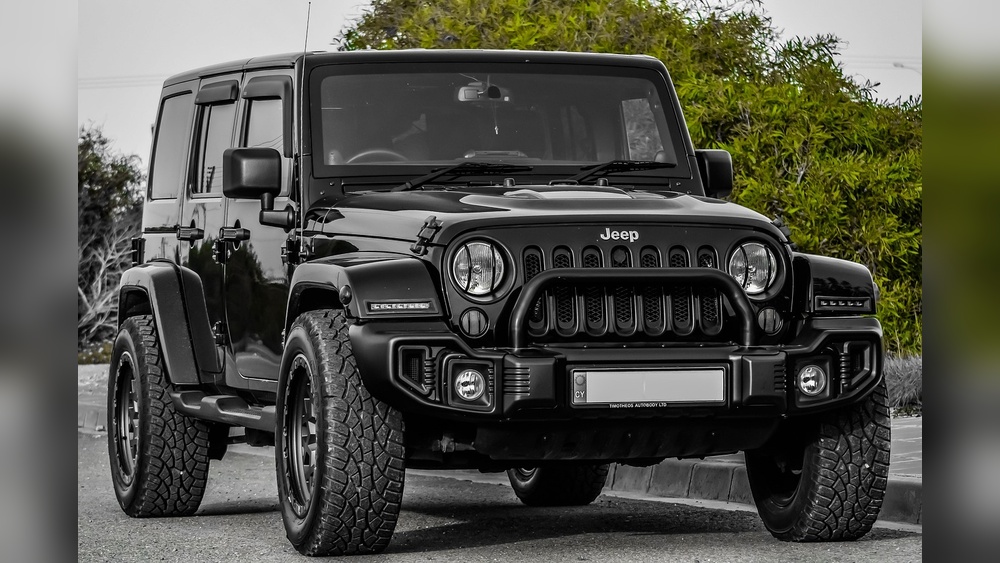
The typical Jeep lifespan often surprises new owners. A well-maintained Jeep can last 15 to 20 years or even longer, depending on the model and how you use it. Most Jeeps easily reach 150,000 to 200,000 miles. Some owners even report their Jeep running strong after 300,000 miles.
Here’s a quick look at average lifespans for popular Jeep models:
| Jeep Model | Average Lifespan (Years) | Typical Mileage Range |
|---|---|---|
| Wrangler | 15 to 20+ | 200,000 to 400,000 |
| Grand Cherokee | 12 to 18 | 150,000 to 300,000 |
| Cherokee | 10 to 16 | 150,000 to 250,000 |
| Renegade | 8 to 14 | 120,000 to 200,000 |
| Compass | 8 to 15 | 130,000 to 200,000 |
Key Factors That Affect Jeep Longevity
Not every Jeep lasts the same. Some die young, while others keep rolling for decades. Here’s what makes the biggest difference:
- Maintenance habits, Regular oil changes, fluid checks, and repairs matter most.
- Driving style, Off-roading, towing, and aggressive driving stress parts faster.
- Climate, Harsh winters, road salt, and humidity can cause early rust.
- Model and engine type, Certain Jeep engines are famous for lasting longer.
- Frequency of off-road use, Jeeps are made for adventure, but tough trails can wear parts out.
How Maintenance Impacts How Long Jeeps Last
If you want your Jeep to last, maintenance is key. Many owners ignore small problems, which can lead to big repairs later. Simple actions can add years to your Jeep’s life.
Must-do Maintenance Tasks
- Change oil and filter every 5,000 to 7,500 miles.
- Check transmission fluid and change as recommended.
- Inspect brakes and replace pads before they wear too thin.
- Rotate tires every 6,000 to 8,000 miles to avoid uneven wear.
- Flush coolant and replace as needed to prevent engine overheating.
- Wash undercarriage in winter to stop salt from causing rust.
Missed maintenance is the #1 reason Jeeps break down early. Even a tough Wrangler needs regular care.
Example: Two Jeep Owners
Let’s compare two Jeep Wrangler owners:
| Owner | Maintenance | Driving Habits | Mileage at 10 Years |
|---|---|---|---|
| Sam | Always follows service schedule | Mostly city/highway driving | 180,000 (still strong) |
| Alex | Skips oil changes, ignores noises | Hard off-roading every weekend | 110,000 (major repairs needed) |
Non-obvious insight: Many beginners think Jeeps are “indestructible,” but even small skipped services can shorten lifespan by years.
Jeep Models: Which Last The Longest?
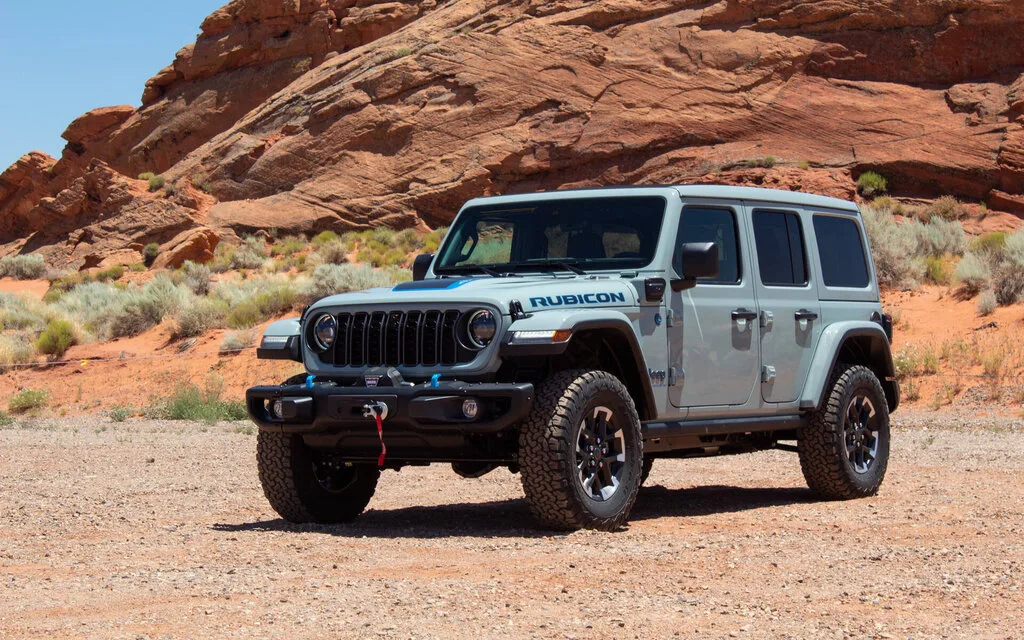
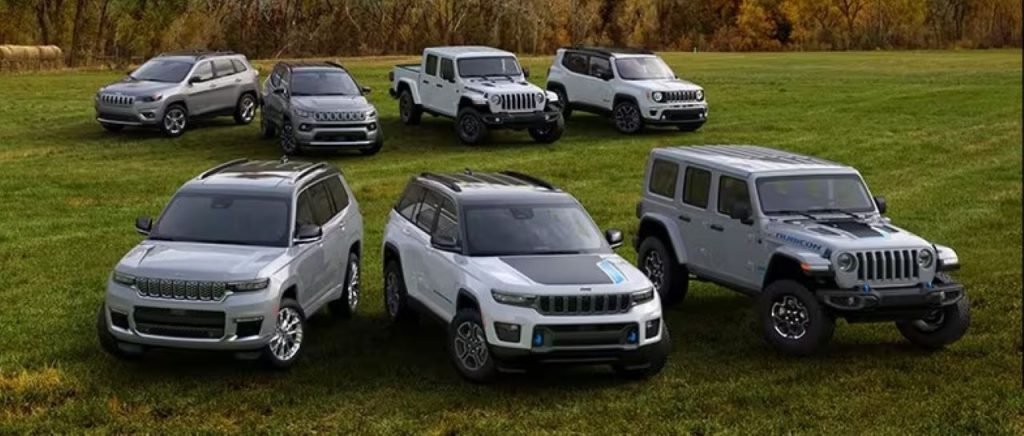
All Jeeps have a rugged spirit, but some models are built for more abuse. If you want a long-lasting Jeep, the Wrangler is famous for longevity. Its simple design and strong frame handle both city and trail.
Jeep Wrangler: The Lifespan Leader
- Body-on-frame construction resists rust and damage.
- Simple electronics in older models mean fewer things break.
- Engines like the 4.0L inline-six are known for reaching 300,000+ miles.
Grand Cherokee And Cherokee
- Offer more comfort and tech, but more parts can mean higher repair costs.
- V6 engines (like the 3.6L Pentastar) are reliable with good care.
- Diesel and turbo engines may need more attention.
Renegade, Compass, And Patriot
- Built on a smaller, car-like platform.
- Good for city use, but may not handle tough trails as well.
- Usually have a shorter lifespan than larger Jeeps.
Common Problems That Shorten A Jeep’s Life
Jeeps are built tough, but they do have some weak points. Knowing these can help you avoid expensive breakdowns and keep your Jeep running longer.
Typical Issues
- Rust: Especially underbody, frame, and door sills.
- Transmission trouble: Older automatics and some manual models are prone to wear.
- Electrical problems: Sensors, window motors, and dash lights sometimes fail.
- Suspension wear: Off-roading can wear out shocks, bushings, and ball joints faster.
Pro tip: Many problems start small. Fixing issues early costs less than waiting for a breakdown.
How To Make Your Jeep Last Longer
If you want your Jeep to reach 200,000 miles or more, you need more than just luck. Here’s how you can help your vehicle last:
1. Follow The Jeep Maintenance Schedule
Don’t just rely on oil changes. Jeep recommends a full maintenance schedule in your owner’s manual. Stick to it.
2. Use Quality Parts And Fluids
Cheap parts often fail early. Use OEM (original equipment manufacturer) parts and the right fluids for your Jeep’s engine and transmission.
3. Keep It Clean
Wash your Jeep regularly, especially if you drive off-road or live in an area with road salt. Cleaning the undercarriage prevents rust, which is a Jeep’s worst enemy.
4. Drive Smoothly
Hard acceleration, sudden stops, and rough off-roading put extra stress on your vehicle. Try to drive gently when possible.
5. Store Properly
If you don’t drive your Jeep every day, keep it in a garage or use a car cover. This protects from sun, rain, and temperature swings.
Non-obvious insight: Many owners forget about the transfer case and differentials. These parts need fluid changes too, not just the engine.
Jeep Lifespan Compared To Other Suvs
How do Jeeps compare to other popular SUVs? Let’s look at average lifespans.
| SUV Brand | Average Lifespan (Miles) | Typical Reliability |
|---|---|---|
| Jeep | 150,000 to 300,000 | Good, with maintenance |
| Toyota (4Runner, Land Cruiser) | 250,000 to 400,000 | Excellent |
| Honda (CR-V, Pilot) | 200,000 to 300,000 | Very Good |
| Ford (Explorer, Escape) | 150,000 to 250,000 | Average |
| Chevrolet (Tahoe, Equinox) | 150,000 to 250,000 | Average |
Jeeps are competitive, especially the Wrangler. However, brands like Toyota are known for even longer lifespans if you want the absolute longest-lasting SUV.
Cost Of Keeping A Jeep Running
A key part of understanding how long Jeeps last is knowing the costs. Jeeps can be more expensive to maintain than some other vehicles, but many owners feel the extra cost is worth it.
Typical Annual Maintenance Costs
- Oil changes: $50, $100 each, 2 to 4 times per year
- Tire rotation and balance: $60, $120 per year
- Brake pads and rotors: $200, $500, every 2 to 3 years
- Fluid flushes (coolant, transmission, differential): $150, $400 each, every few years
Repairs like replacing a transmission or engine are rare with good care, but can cost $2,000, $5,000 if needed.
Used Jeep Buying Costs
If you’re buying a used Jeep, check for:
- Service records (proof of regular oil changes)
- Signs of rust (especially underneath)
- Unusual noises from engine or transmission
- Smooth shifting and even tire wear
Buying a well-maintained Jeep can save you thousands in repairs.
Pros And Cons Of Jeep Longevity
Every car has strengths and weaknesses. Jeeps are no exception. Here’s what to consider:
Pros
- Strong resale value, Especially for Wranglers and Cherokees.
- Easy to repair, Many parts are available and affordable.
- Community support, Large Jeep owner groups and forums share tips.
- Fun and versatile, Great for both daily use and adventure.
Cons
- Above-average maintenance costs, More moving parts, especially with 4WD.
- Potential for rust, Especially in wet or salty climates.
- Lower fuel economy, Heavier, boxy design uses more gas.
- More repairs if used hard, Frequent off-roading means more wear.
Practical tip: If you love adventure, a Jeep is a solid choice. If you want the absolute lowest cost and highest reliability, a Toyota or Honda may be a better fit.
Jeep Owner Mistakes That Kill Longevity
To make your Jeep last, avoid these common errors:
- Ignoring warning lights or strange sounds
- Skipping regular check-ups and oil changes
- Using cheap aftermarket parts
- Letting rust or leaks go unfixed
- Overloading or towing beyond Jeep limits
One mistake many beginners make: thinking a Jeep can handle anything, anytime. Even tough vehicles have limits.
Real Owner Stories: Jeeps That Last
Many Jeep owners share stories of hitting amazing mileage. For example, one owner on a Jeep forum reported his 1998 Wrangler with over 400,000 miles, still running strong after regular maintenance and some new parts. Another owner’s Grand Cherokee survived 18 years and 320,000 miles before needing a major engine rebuild. These stories show that with care, a Jeep can be more than just a short-term vehicle.
For more long-term Jeep stories and maintenance data, see this Jeep Wrangler Wikipedia page.
<!– wp:rank-math/faq-block {"questions":[{"id":"faq-question-2491375f1be3","title":"How Many Miles Is Too Many For A Used Jeep?","content":"
Generally, anything over 200,000 miles is considered high mileage. However, a Jeep with good service records and no rust can still be a good buy, even at this mileage.
“,”visible”:true},{“id”:”faq-question-994ec1514693″,”title”:”Are Jeeps Expensive To Maintain Long-term?”,”content”:”Jeeps cost a bit more than average to keep up, mainly because of their 4WD systems and off-road parts. But with regular care, you can avoid most big repairs.
“,”visible”:true},{“id”:”faq-question-2086ff8bd974″,”title”:”Do Jeeps Last Longer Than Other Suvs?”,”content”:”Jeeps, especially Wranglers, often last as long or longer than many SUVs. Toyotas and Hondas may last longer with lower costs, but Jeeps offer unique off-road abilities.
“,”visible”:true},{“id”:”faq-question-799fb02106cf”,”title”:”What Is The Most Reliable Jeep Engine?”,”content”:”The 4.0L inline-six is famous for reliability and can last well over 300,000 miles with good care. The newer 3.6L V6 is also dependable.
“,”visible”:true},{“id”:”faq-question-b72205405b8b”,”title”:”How Can I Know If A Used Jeep Will Last?”,”content”:”Check for:
n- nn
- Proof of maintenance (especially oil changes) nnn
- No major rust or damage nnn
- Smooth engine and transmission operation nnn
- Honest seller with service history n
If you’re unsure, have a trusted mechanic inspect it before you buy.
“,”visible”:true}]} –>How Many Miles Is Too Many For A Used Jeep?
Generally, anything over 200,000 miles is considered high mileage. However, a Jeep with good service records and no rust can still be a good buy, even at this mileage.
Are Jeeps Expensive To Maintain Long-term?
Jeeps cost a bit more than average to keep up, mainly because of their 4WD systems and off-road parts. But with regular care, you can avoid most big repairs.
Do Jeeps Last Longer Than Other Suvs?
Jeeps, especially Wranglers, often last as long or longer than many SUVs. Toyotas and Hondas may last longer with lower costs, but Jeeps offer unique off-road abilities.
What Is The Most Reliable Jeep Engine?
The 4.0L inline-six is famous for reliability and can last well over 300,000 miles with good care. The newer 3.6L V6 is also dependable.
How Can I Know If A Used Jeep Will Last?
Check for:
n- nn
- Proof of maintenance (especially oil changes) nnn
- No major rust or damage nnn
- Smooth engine and transmission operation nnn
- Honest seller with service history n
If you’re unsure, have a trusted mechanic inspect it before you buy.
Final Thoughts
So, how long do Jeeps last? With the right care, many Jeeps can last 15 to 20 years and 200,000 miles, or more. The key is regular maintenance, using good parts, and understanding your model’s needs. Jeeps may cost a bit more to keep running, but for many owners, the adventure and community are well worth it. If you treat your Jeep right, it will reward you with years of fun on and off the road.