When you buy a Jeep, you probably imagine adventures, off-road trails, rocky climbs, and road trips. But every adventure depends on your tires.
If you’re wondering how long do Jeep tires last, you’re not alone. Tire life is a big concern for Jeep owners, especially those who drive in tough conditions.
In this guide, you’ll learn exactly how many miles you can expect, what affects tire lifespan, and how to get the most out of your tires. We’ll cover real numbers, practical tips, and common mistakes to avoid.
Whether you drive a Jeep Wrangler or Grand Cherokee, help you make smart decisions and avoid surprises.
Average Lifespan Of Jeep Tires
Most Jeep tires last between 30,000 and 60,000 miles. This range depends on the type of tire, driving habits, and road conditions.
- All-terrain tires: Usually last about 40,000 to 50,000 miles.
- Mud-terrain tires: Often wear out faster, around 30,000 to 40,000 miles.
- Highway tires: Can go up to 60,000 miles if used mainly on paved roads.
If you drive 12,000 miles per year (average for US drivers), your tires may last 3 to 5 years. Off-road drivers might need new tires sooner.
Here’s a quick comparison:
| Type of Jeep Tire | Expected Lifespan (Miles) | Best Use |
|---|---|---|
| All-Terrain | 40,000 to 50,000 | Mixed surfaces, mild off-road |
| Mud-Terrain | 30,000 to 40,000 | Heavy off-road, muddy areas |
| Highway | 50,000 to 60,000 | Mainly paved roads |
Non-obvious insight: Many Jeep owners think off-road tires last as long as regular tires. In reality, off-road tires wear much faster due to rough terrain and softer rubber.
Key Factors Affecting Jeep Tire Lifespan
Several things influence how long your Jeep tires last. Understanding these can help you avoid early tire replacements.
Driving Conditions
- Off-road driving: Rocks, mud, and sand cause more wear. Mud-terrain tires especially lose tread faster.
- Highway driving: Smooth roads are gentle on tires, so they last longer.
- City driving: Frequent stops and turns can cause faster sidewall wear.
Tire Quality And Type
- Brand: Well-known brands like Goodyear or BFGoodrich usually offer longer-lasting tires.
- Tread design: Aggressive treads (deep grooves) wear quicker but grip better off-road.
Maintenance Habits
- Regular rotation: Rotating tires every 5,000 to 7,000 miles spreads wear evenly.
- Proper inflation: Under-inflated or over-inflated tires wear unevenly and can fail early.
- Wheel alignment: Misaligned wheels cause tires to wear on one side.
Load And Usage
- Heavy loads: Carrying extra weight (like camping gear) makes tires wear faster.
- Towing: Pulling trailers or boats puts more stress on tires.
Climate And Storage
- Hot climates: Heat breaks down rubber faster.
- Cold climates: Rubber becomes brittle and cracks if not used often.
- Sun exposure: UV rays speed up tire aging.
Practical tip: If you use your Jeep in harsh conditions, check your tires monthly for cracks, bulges, or uneven wear.
Signs That Jeep Tires Need Replacing
Knowing when to change your Jeep tires is important for safety and performance. Here are the main signs:
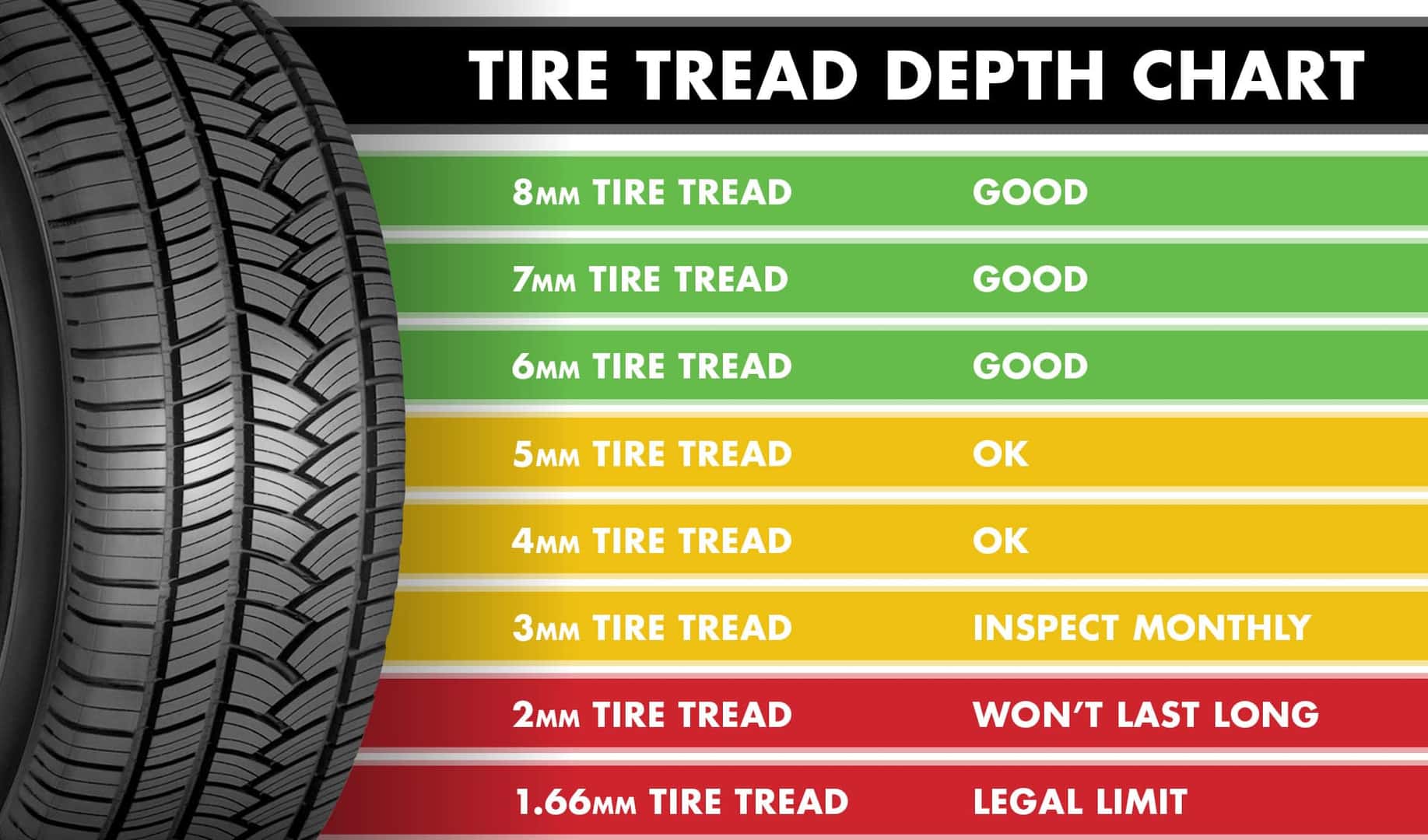
- Tread depth below 2/32 inch: Most states require at least this tread for legal driving. Use a penny, if you can see all of Lincoln’s head, the tread is too low.
- Visible cracks: Cracks in the sidewall mean the rubber is old.
- Bulges or blisters: These are signs of internal damage.
- Vibration: If your Jeep shakes, it may be due to uneven tire wear.
- Tire age: Even if tread looks fine, tires older than 6 years may need replacing due to rubber breakdown.
Non-obvious insight: Tires can “age out” before they “wear out.” If you drive very little, always check the manufacture date printed on the tire sidewall.
How To Maximize Jeep Tire Life
You can make your Jeep tires last longer with some easy habits:
- Rotate tires regularly: Every oil change or at least every 5,000 to 7,000 miles.
- Check air pressure monthly: Use a gauge. Recommended pressure is often 35 PSI for many Jeep models, but check your owner’s manual.
- Balance and align wheels: Do this every 12,000 miles or if you notice uneven wear.
- Drive carefully: Avoid fast starts, stops, and sharp turns.
- Clean tires: Remove mud, rocks, and debris after off-road trips.
- Store tires properly: If you switch to winter tires, keep your unused set in a cool, dark place.
Here’s a simple maintenance schedule:
| Task | Frequency | Benefit |
|---|---|---|
| Rotate tires | 5,000 to 7,000 miles | Even wear |
| Check air pressure | Monthly | Prevent damage |
| Wheel alignment | Annually | Smoother ride |
| Inspect tread | Each oil change | Safety |
Cost Of Jeep Tire Replacement
Jeep tire prices depend on type and size. Here are average costs in the US:
- All-terrain tires: $150, $250 per tire
- Mud-terrain tires: $200, $300 per tire
- Highway tires: $120, $200 per tire
A set of four tires can cost $600, $1,200. Installation, balancing, and disposal may add $100, $200.
Tip: Shop around, but avoid the cheapest options. Low-quality tires often wear out faster and can be unsafe.
Pros And Cons Of Different Jeep Tire Types
Choosing the right tire is important for your Jeep’s performance and lifespan. Here’s a quick look at pros and cons:
All-terrain Tires
- Pros: Good for mixed use, long lifespan, decent off-road grip.
- Cons: Can be noisy, not as good in mud.
Mud-terrain Tires
- Pros: Excellent for heavy off-road, aggressive tread.
- Cons: Shorter life, louder on highways, less fuel-efficient.
Highway Tires
- Pros: Quiet, smooth, longest lifespan, best for city/highway.
- Cons: Poor performance off-road, less grip on loose surfaces.
Example: If you drive mostly on highways but take occasional camping trips, all-terrain tires are usually the best compromise.
Common Mistakes Jeep Owners Make With Tires
- Ignoring rotation: Skipping rotations leads to uneven tread and early replacement.
- Wrong pressure: Not checking tire pressure causes quicker wear and poor handling.
- Mixing tire types: Using different types on front and back reduces stability.
- Delaying replacement: Driving on old tires increases risk of blowouts.
- Buying only for looks: Aggressive tread looks cool but may not suit your driving.
Experience-based tip: Don’t let marketing or looks guide your choice. Focus on your real driving needs.
How Weather Impacts Jeep Tire Longevity
Weather plays a big role in how long your Jeep tires last.
- Hot summers: Heat makes tires expand and break down faster.
- Cold winters: Tires can lose pressure and rubber may crack.
- Rain and snow: Slippery roads make tires work harder, especially if tread is worn.
Practical example: If you live in Arizona, check tire pressure often in summer. In snowy states, consider winter-specific tires for safety.
Comparing Jeep Tire Brands
Choosing a good brand helps you get the most value. Here’s a comparison of three popular brands:
| Brand | Average Lifespan | Warranty | Price (per tire) |
|---|---|---|---|
| Goodyear Wrangler | 50,000 miles | Limited 60,000 miles | $180 |
| BFGoodrich All-Terrain | 45,000 miles | Limited 50,000 miles | $220 |
| Michelin Defender | 60,000 miles | Limited 70,000 miles | $200 |
Note: Warranties cover defects, not normal wear. Always read the fine print.
Jeep Tire Maintenance: Real-world Example
Let’s look at a common scenario. Emily drives a Jeep Wrangler mostly on highways, with some weekend off-roading. She rotates her tires every oil change and checks air pressure each month. Her all-terrain tires lasted 48,000 miles before needing replacement.
Compare that to Jake, who drives off-road weekly but skips rotations. His mud-terrain tires needed replacing after only 28,000 miles, almost half as soon.
Lesson: Simple habits make a big difference in tire life.
When To Upgrade Your Jeep Tires
Sometimes, you need more than just a replacement. Upgrading to a better tire can improve safety and performance.
- If you drive off-road often: Consider mud-terrain or all-terrain tires.
- If you tow heavy loads: Choose tires with higher load ratings.
- If you want better fuel economy: Highway tires or low-resistance models can help.
Important: Always match tire size and type to your Jeep model. Wrong size can affect speedometer, handling, and even cause damage.
Short Conclusion
Understanding how long Jeep tires last helps you plan your adventures and budget for replacements. Most Jeep tires give you 30,000 to 60,000 miles depending on use, care, and type. With regular maintenance, good choices, and careful driving, you’ll enjoy safer trips and save money over time. Don’t forget to check your tires often, your Jeep and your safety depend on it.
<!– wp:rank-math/faq-block {"questions":[{"id":"faq-question-b06c2c0701c5","title":"How Many Miles Do Jeep Tires Last On Average?","content":"Most Jeep tires last 30,000 to 60,000 miles. Lifespan depends on tire type, driving style, and maintenance habits.
“,”visible”:true},{“id”:”faq-question-4f4d56e259be”,”title”:”Can I Use Regular Car Tires On My Jeep?”,”content”:”It’s not recommended. Jeep tires are designed for heavier loads and rough terrain. Regular car tires may not handle the weight or off-road conditions.
“,”visible”:true},{“id”:”faq-question-e880e35afa28″,”title”:”Do Off-road Tires Last As Long As Highway Tires?”,”content”:”No. Off-road tires like mud-terrain usually last 30,000 to 40,000 miles, while highway tires can reach 50,000 to 60,000 miles with good care.
“,”visible”:true},{“id”:”faq-question-2d5704f738e3″,”title”:”How Do I Check If My Jeep Tires Are Still Safe?”,”content”:”Look for:
n- nn
- Tread depth (use a penny) nnn
- Cracks or bulges nnn
- Uneven wear nnn
- Check the tire’s manufacture date n
If in doubt, ask a mechanic.
“,”visible”:true},{“id”:”faq-question-0867cc74ef66″,”title”:”Is It Worth Buying Premium Tires For My Jeep?”,”content”:”Premium tires often last longer and provide better grip. If you drive a lot or go off-road often, the extra cost can save money and improve safety. For more details, see Consumer Reports Tire Guide.
“,”visible”:true}]} –>How Many Miles Do Jeep Tires Last On Average?
Most Jeep tires last 30,000 to 60,000 miles. Lifespan depends on tire type, driving style, and maintenance habits.
Can I Use Regular Car Tires On My Jeep?
It’s not recommended. Jeep tires are designed for heavier loads and rough terrain. Regular car tires may not handle the weight or off-road conditions.
Do Off-road Tires Last As Long As Highway Tires?
No. Off-road tires like mud-terrain usually last 30,000 to 40,000 miles, while highway tires can reach 50,000 to 60,000 miles with good care.
How Do I Check If My Jeep Tires Are Still Safe?
Look for:
n- nn
- Tread depth (use a penny) nnn
- Cracks or bulges nnn
- Uneven wear nnn
- Check the tire’s manufacture date n
If in doubt, ask a mechanic.
Premium tires often last longer and provide better grip. If you drive a lot or go off-road often, the extra cost can save money and improve safety. For more details, see Consumer Reports Tire Guide.
Meta Title: How Long Do Jeep Tires Last? Lifespan, Replacement Costs & Tips
Meta Description: Learn how long Jeep tires last, what affects their lifespan, signs to replace, maintenance tips, and cost details. Perfect guide for beginners and Jeep owners.