Meta Title: How Long Do Jeep Liberty Last? Real Lifespan, Mileage, and Tips
Meta Description: Wondering how long Jeep Liberty lasts? Discover average lifespan, key factors, common issues, costs, and expert tips to make your Jeep Liberty last longer.
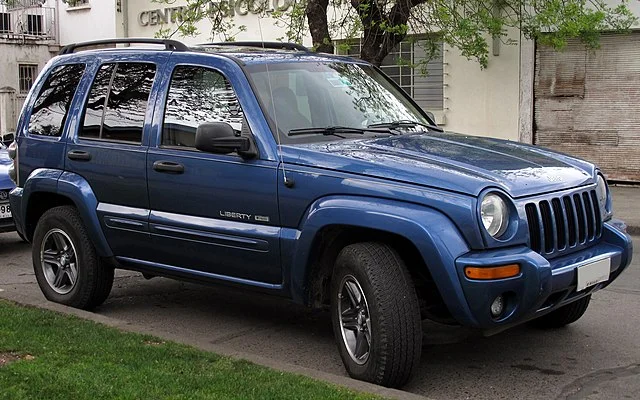
If you’re thinking about owning a Jeep Liberty, you probably want to know how long this SUV will last. Many drivers look for a car that’s reliable and can handle daily life, road trips, and maybe even some off-road fun. The Jeep Liberty is known for its rugged style and ability to tackle rough roads, but how many years and miles can you really expect from it? In this guide, you’ll learn about the average lifespan, what affects it, how to make your Liberty last longer, and what repairs or costs you should expect. Let’s find out if the Jeep Liberty is a long-term friend or just a short-term ride.

Typical Lifespan Of A Jeep Liberty
Most Jeep Liberty owners report their vehicles last between 150,000 and 250,000 miles with proper care. In years, this usually means about 10 to 17 years, depending on your driving habits and how well you maintain the car. Some drivers have even reached over 300,000 miles, but this is rare and usually involves extra attention to maintenance.
Average Lifespan Compared To Other Suvs
Here’s a quick comparison of the Jeep Liberty against similar compact SUVs for lifespan:
| Model | Average Lifespan (Miles) | Years (Average Use) |
|---|---|---|
| Jeep Liberty | 150,000 to 250,000 | 10 to 17 |
| Honda CR-V | 200,000 to 300,000 | 15 to 20 |
| Toyota RAV4 | 200,000 to 250,000 | 15 to 18 |
| Ford Escape | 150,000 to 200,000 | 10 to 15 |
The Jeep Liberty’s lifespan is about average, especially if you compare it to American-made compact SUVs. Japanese brands like Honda and Toyota often last a bit longer, but with good care, a Liberty can still go far.
Factors That Affect Jeep Liberty Longevity
Several things determine how long your Jeep Liberty will last. Some you can control, while others are just part of the car’s design or history.
Maintenance Habits
Regular oil changes, fluid checks, brake inspections, and timely repairs play the biggest role. Skipping maintenance can lead to early engine or transmission failure.
Driving Conditions
If you often drive on rough roads, in extreme temperatures, or do a lot of city driving, your Liberty may wear out faster than one used mostly on highways.
Model Year And Engine
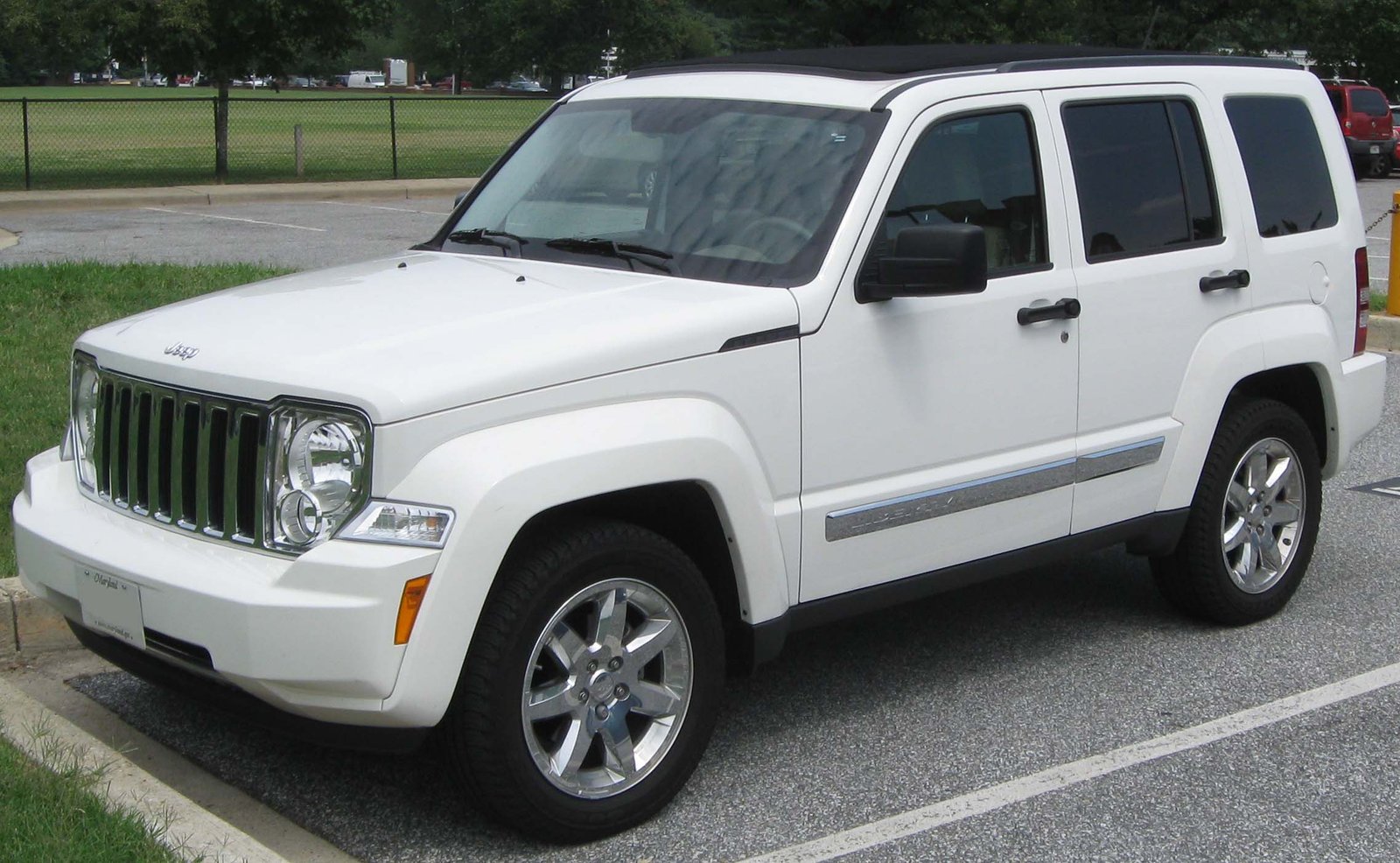
The Liberty was made from 2002 to 2012. Some years have better reliability records than others, and engine choice matters too.
- 3.7L V6 (most common): Known for good power but can have valve and head issues if neglected.
- 2.4L I4 (early models): Less powerful, but sometimes more durable if cared for.
Previous Ownership
If you’re buying used, a car with complete service records and no history of major accidents is more likely to last longer.
Rust And Corrosion
Jeep Libertys are sometimes prone to rust, especially in places with snowy winters and salted roads. Rust can damage the frame and suspension, causing expensive problems.
Common Jeep Liberty Problems And Repairs
Knowing what usually goes wrong with the Jeep Liberty can help you plan for repairs and avoid surprises. of the most reported issues:
- Window Regulator Failure: Many Libertys (especially 2002 to 2007) have power window regulators that break, causing windows to get stuck or fall into the door. Repair costs range from $200 to $400 per window.
- Transmission Issues: Some models (mainly 2002 to 2006) develop shifting problems or total transmission failure, often around 100,000 to 150,000 miles. Rebuilding or replacing a transmission can cost $1,800, $3,500.
- Engine Problems: Head gasket leaks, valve issues, and oil leaks are not uncommon, especially in high-mileage Libertys. Minor repairs can be $300, $800, but major engine work can cost $2,000 or more.
- Suspension Wear: Ball joints, control arms, and bushings wear out, leading to clunking noises or loose steering. Expect to pay $500, $1,200 for full front suspension repair.
- Electrical Glitches: Things like faulty sensors, lights, or even the ignition switch can cause headaches, but these usually cost less to fix.
Not every Liberty will have all these issues, but knowing them helps you watch for warning signs.
Real-world Mileage And Owner Experiences
Many owners report reaching 200,000 miles or more, but only with regular care. Here are a few real-world examples:
- One driver from Michigan kept their 2005 Liberty running past 240,000 miles, with mostly highway use and regular oil changes.
- A 2008 Liberty owner from Texas replaced the transmission at 160,000 miles and kept driving until 220,000 before selling.
- Some users report rust problems in northern states, causing early suspension or body issues even if the engine still runs strong.
If you plan to use your Liberty for off-roading or towing, expect slightly lower mileage due to higher wear.
Costs Of Keeping A Jeep Liberty Running
It’s important to look at maintenance and repair costs to understand the true lifespan of a Jeep Liberty. Here’s an overview:
| Service/Repair | Typical Interval | Cost (USD) |
|---|---|---|
| Oil Change | Every 5,000 miles | $40, $75 |
| Brake Pads | Every 40,000 miles | $150, $300 (per axle) |
| Transmission Service | Every 60,000 miles | $200, $350 |
| Timing Chain/Belt | 100,000 miles (if needed) | $800, $1,200 |
| Window Regulator | As needed | $200, $400 (per window) |
the Jeep Liberty is not the cheapest compact SUV to maintain, but it’s also not the most expensive.
Pros And Cons Of Long-term Jeep Liberty Ownership
Before you commit to keeping a Jeep Liberty for the long haul, consider these pros and cons.
Pros
- Rugged capability: Handles off-road and winter weather better than many small SUVs.
- Affordable purchase price: Used Libertys are often much cheaper than rivals.
- Simple mechanics: Easier for DIY repairs compared to newer, more high-tech SUVs.
- Strong community: Many online forums and groups to help with questions and repairs.
Cons
- Average reliability: Not as long-lasting as top Japanese brands.
- Higher fuel consumption: Gas mileage is lower than most modern SUVs (around 15 to 22 mpg).
- Known repair issues: Window regulators, suspension, and transmission problems are common.
- Rust problems: Especially in cold-weather areas.
Tips To Make Your Jeep Liberty Last Longer
If you want your Jeep Liberty to go the distance, a few simple habits can add years to its life.
- Follow the maintenance schedule: Don’t skip oil changes, fluid flushes, or inspections.
- Check for rust regularly: Clean under the vehicle, especially after winter, and treat any rust spots early.
- Listen for new noises: Clunks, squeaks, or warning lights often mean it’s time for a repair before things get worse.
- Drive gently: Hard acceleration, sharp turns, and sudden stops wear out parts faster.
- Fix small problems early: Don’t ignore minor leaks or warning lights, they often lead to bigger repairs.
- Keep records: Track all maintenance and repairs, especially if you plan to sell the vehicle later.
One insight many beginners miss: Using the right fluids (for example, ATF+4 for the automatic transmission) is critical. Using the wrong type can cause expensive damage over time.
Another tip: Upgrading critical parts (like aftermarket window regulators or rust-resistant suspension parts) can help fix the Jeep Liberty’s common weak points and extend its lifespan.
When Is It Time To Move On?
Even well-loved vehicles reach a point where repairs no longer make sense. Here are signs it may be time to let your Jeep Liberty go:
- Repair costs are higher than the car’s value.
- Major rust has weakened the frame or suspension.
- Engine or transmission fails after 200,000 miles.
- You need better fuel economy or safety features.
If you’re facing one of these, selling or trading in your Liberty may be the smart move.
Frequently Asked Questions
<!– wp:rank-math/faq-block {"questions":[{"id":"faq-question-d95571957333","title":"How Many Miles Can A Jeep Liberty Last?","content":"With regular maintenance, most Jeep Libertys last 150,000 to 250,000 miles. Some reach even higher mileage, but this usually requires extra care and sometimes major repairs.
“,”visible”:true},{“id”:”faq-question-706e7bc5c42a”,”title”:”Is The Jeep Liberty A Reliable Suv?”,”content”:”The Jeep Liberty is average in reliability compared to other compact SUVs. It’s strong in off-road and winter conditions but can have more repairs than some rivals like the Honda CR-V or Toyota RAV4.
“,”visible”:true},{“id”:”faq-question-db783e6c12d5″,”title”:”What Is The Biggest Problem With The Jeep Liberty?”,”content”:”The most common problems are window regulator failures, transmission issues, and rust on the frame or suspension. Keeping up with maintenance can help, but these issues are well-known.
“,”visible”:true},{“id”:”faq-question-115f4cc275f0″,”title”:”Are Jeep Libertys Expensive To Maintain?”,”content”:”Maintenance costs for a Jeep Liberty are higher than some compact SUVs but lower than larger or luxury SUVs. Expect to spend more on repairs as the vehicle ages, especially after 100,000 miles.
“,”visible”:true},{“id”:”faq-question-26a4d1d4309f”,”title”:”What Years Of Jeep Liberty Are Most Reliable?”,”content”:”Later model years (2008 to 2012) generally have fewer complaints and updated features. Always check a used vehicle’s service history before buying, since maintenance matters more than the exact year.
“,”visible”:true}]} –>How Many Miles Can A Jeep Liberty Last?
With regular maintenance, most Jeep Libertys last 150,000 to 250,000 miles. Some reach even higher mileage, but this usually requires extra care and sometimes major repairs.
Is The Jeep Liberty A Reliable Suv?
The Jeep Liberty is average in reliability compared to other compact SUVs. It’s strong in off-road and winter conditions but can have more repairs than some rivals like the Honda CR-V or Toyota RAV4.
What Is The Biggest Problem With The Jeep Liberty?
The most common problems are window regulator failures, transmission issues, and rust on the frame or suspension. Keeping up with maintenance can help, but these issues are well-known.
Are Jeep Libertys Expensive To Maintain?
Maintenance costs for a Jeep Liberty are higher than some compact SUVs but lower than larger or luxury SUVs. Expect to spend more on repairs as the vehicle ages, especially after 100,000 miles.
What Years Of Jeep Liberty Are Most Reliable?
Later model years (2008 to 2012) generally have fewer complaints and updated features. Always check a used vehicle’s service history before buying, since maintenance matters more than the exact year.
The Jeep Liberty can be a dependable and fun SUV if you keep up with maintenance and repairs. While it may not outlast the most reliable Japanese SUVs, many owners enjoy years of use and even reach high mileage with care. If you like a rugged, affordable SUV and don’t mind a few repairs along the way, the Liberty can be a great choice. For more details and owner reviews, visit the Jeep Liberty Wikipedia page. Remember, how long your Jeep Liberty lasts depends mostly on you, treat it well, and it will return the favor for many miles.