You notice fluid under your car. You smell something burning. You wonder how long can I drive with a transmission leak without damage. This question worries drivers because transmission repairs can be expensive.
Driving with a transmission leak feels harmless at first. The car still moves. Shifts still work. However, internal damage begins quietly and spreads rapidly without warning.
This guide explains how long you can drive, what changes the timeline, warning signs, repair costs, and safe next steps.
How Long Can I Drive with a Transmission Leak?
In most cases, you should not drive more than a few miles with a transmission leak. Small leaks may allow short trips, but driving longer risks overheating, slipping, and permanent damage. Fast leaks can destroy a transmission within minutes, not days.
What Is a Transmission Leak
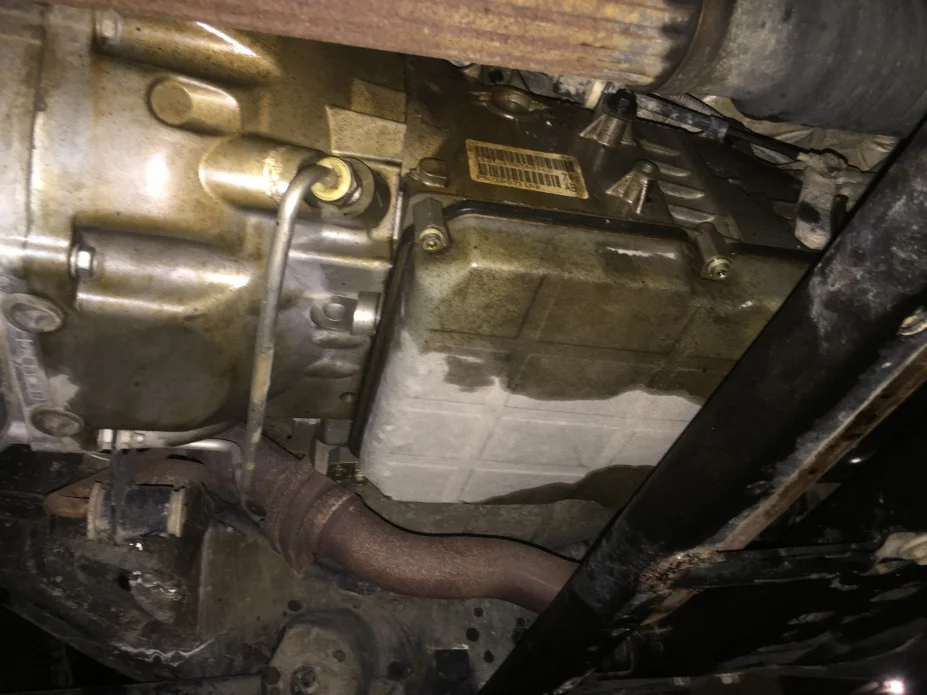
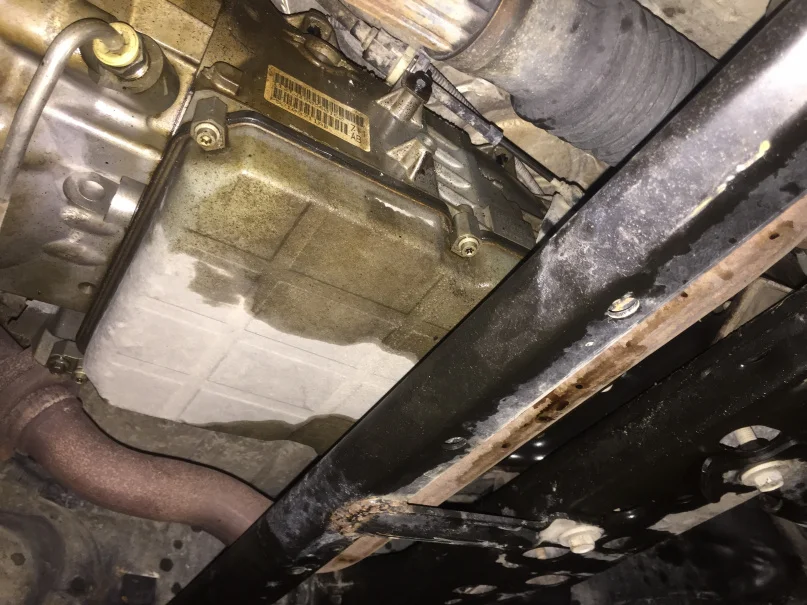
A transmission leak occurs when fluid escapes from seals, gaskets, lines, or the transmission pan. Fluid loss reduces lubrication and hydraulic pressure. This damages internal parts fast. Heat builds rapidly.
Transmission fluid does three jobs. It lubricates gears. It transfers hydraulic pressure. It cools components. Low fluid breaks all three functions.
Why Transmission Fluid Loss Is Dangerous
Transmission systems rely on precise pressure. Fluid loss drops pressure instantly. Gears slip. Clutches burn. Metal parts grind together.
Driving without proper fluid causes permanent damage. Internal friction rises sharply. Temperatures exceed safe limits. Failure becomes unavoidable.
Key dangers include:
- Overheating
- Gear slipping
- Delayed shifting
- Complete transmission failure
How Long Can I Drive With a Transmission Leak
Distance depends on leak severity. A slow seep differs from a cracked line. Heat and speed worsen fluid loss.
General guidelines help estimate risk. These assume normal driving, no towing, and mild temperatures.
Leak Severity Table
| Leak Type | Safe Driving Range | Risk Level |
|---|---|---|
| Slow seep | 5 to 10 miles | High |
| Steady drip | 1 to 3 miles | Very high |
| Active stream | 0 miles | Critical |
Even slow leaks worsen under pressure. Short trips still damage components.
Signs You Should Stop Driving Immediately
Some symptoms mean immediate danger. Continuing to drive causes rapid failure.
Watch for these warning signs:
- Burning smell
- Delayed gear engagement
- Slipping between gears
- Grinding noises
- Transmission warning light
If any appear, stop driving. Tow the vehicle. Driving further multiplies repair costs.
Common Causes of Transmission Leaks
Leaks start from wear, heat, or impact. Aging seals shrink and crack. Gaskets fail over time.
Frequent causes include:
- Worn axle seals
- Cracked transmission pan
- Loose drain plugs
- Damaged cooler lines
- Failed torque converter seal
Road debris also punctures pans. Improper service causes loose bolts.
Automatic vs Manual Transmission Leaks
Automatic transmissions suffer faster damage. They rely heavily on hydraulic pressure. Fluid loss disrupts shifting instantly.
Manual transmissions tolerate fluid loss slightly longer. Gears still need lubrication. Damage still occurs.
Automatic risks include:
- Clutch pack failure
- Valve body damage
- Pump failure
Manual risks include:
- Bearing wear
- Gear scoring
- Synchronizer damage
Short-Term Driving Risks Explained
Short drives still cause harm. Heat builds faster than expected. Even five minutes changes fluid properties.
Risks during short drives include:
- Fluid aeration
- Pressure instability
- Seal hardening
These issues persist after refilling. Damage often continues silently.
Long-Term Consequences of Ignoring a Leak
Ignoring leaks leads to total transmission loss. Repairs become replacements.
Common outcomes include:
- Burned clutch packs
- Warped valve bodies
- Metal contamination
- Complete rebuild required
Average rebuild costs range from $2,500 to $5,000. Replacement costs exceed $6,000.
What To Do If You Notice a Transmission Leak
Act immediately. Early action saves money.
Steps to follow:
- Park on level ground
- Check fluid level
- Avoid driving
- Arrange towing
- Schedule inspection
Do not rely on fluid top-offs. Leaks continue under pressure.
Temporary Fixes That Help Short-Term
Temporary solutions help only briefly. They never replace repairs.
Short-term options include:
- Adding transmission fluid
- Using leak stop additives
- Tightening loose bolts
Leak stop products swell seals. Results vary. Internal damage still progresses.
Professional Repair Options
Repair depends on the leak source. Minor fixes cost less.
Typical repairs include:
- Pan gasket replacement
- Seal replacement
- Cooler line repair
- Transmission service
Minor repairs cost $150 to $400. Major seal repairs exceed $1,000.
Driving Conditions That Increase Risk
Certain conditions worsen leaks faster. Heat and load accelerate fluid loss.
High-risk situations include:
- Highway speeds
- Towing
- Stop-and-go traffic
- Hot weather
Avoid driving entirely until repairs finish.
How Mechanics Diagnose Transmission Leaks
Technicians clean the transmission first. They inspect after a short operation.
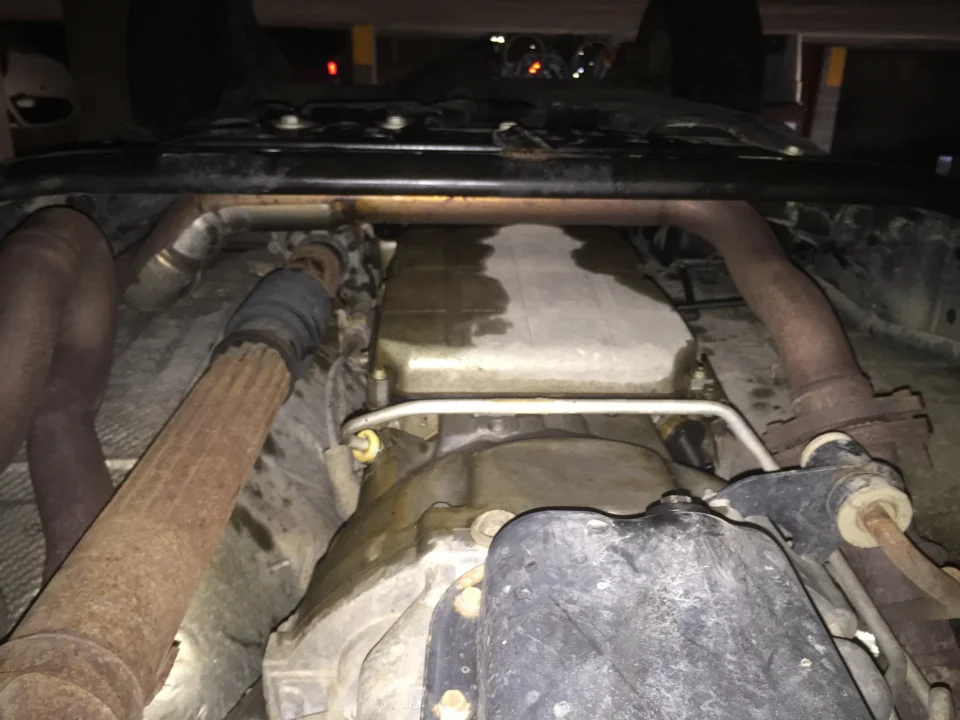
Diagnostic methods include:
- UV dye testing
- Pressure testing
- Visual inspection
Accurate diagnosis prevents repeat leaks.
Preventing Transmission Leaks
Prevention saves thousands. Routine checks matter.
Prevention tips include:
- Inspect fluid monthly
- Service transmission on schedule
- Replace aging seals
- Avoid overheating
Use manufacturer-approved fluid only.
Transmission Leak vs Engine Oil Leak
Drivers often confuse leaks. Transmission fluid looks red or dark brown. Engine oil appears amber or black.
Transmission fluid feels slippery. Oil feels thinner. Correct identification matters.
Is It Safe To Drive To A Repair Shop
Short distance driving risks damage. Towing stays safest.
If driving becomes unavoidable:
- Drive slowly
- Avoid hills
- Stop if shifting changes
Distance should stay under one mile.
How long can I drive with a transmission leak if I refill fluid?
Refilling helps briefly. Leak continues. Damage still occurs.
Does leak size change risk?
Yes. Larger leaks cause faster failure.
Do warning lights appear early?
Often no. Damage starts before lights appear.
Conclusion
A transmission leak threatens your vehicle quickly. Driving even short distances risks severe damage. How long can I drive with a transmission leak depends on the severity, yet a safe distance remains minimal. Early repair saves money and stress.
For related issues, read our guide on Jeep transmission warning signs.
Have you noticed fluid under your car recently?