Owning a Jeep Wrangler is a dream for many adventure lovers. But before you buy one, you probably want to know: *How long can a Jeep Wrangler last?
* This question is important if you plan to use your Wrangler for years or even decades. In this guide, you’ll discover clear answers, real examples, and practical advice to help you understand Wrangler’s lifespan.
Whether you’re thinking about buying new, used, or keeping your old Wrangler running, give you the facts you need.
Average Lifespan Of A Jeep Wrangler
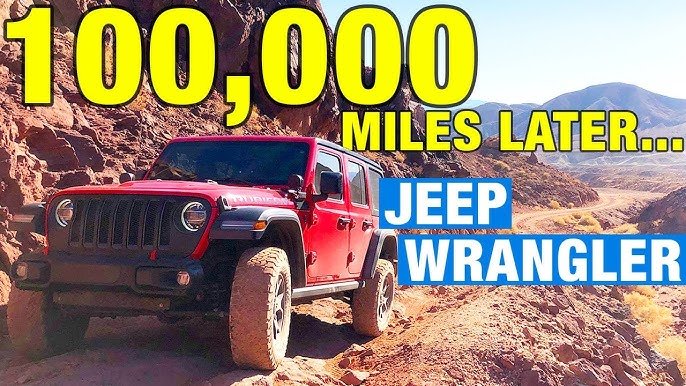
Most Jeep Wranglers are known for their durability and rugged design. On average, a Jeep Wrangler can last between 200,000 and 400,000 miles with proper care. This range is much higher than many other SUVs and off-road vehicles.
- Many owners report their Wranglers reaching 250,000 miles with few major issues.
- Some Wranglers have crossed 300,000 miles and are still running strong.
- The oldest Wranglers in good condition can last 20 to 25 years or more.
The reason for this long lifespan is the Wrangler’s simple engineering, strong frame, and easy-to-find parts. Unlike luxury SUVs, Wranglers are built to handle rough roads, mud, and even rocks. But lifespan depends on many factors, which we’ll cover next.
Factors That Affect Jeep Wrangler Lifespan
Several things can change how long your Jeep Wrangler lasts. Some are under your control, while others depend on the car’s history.
Maintenance And Care
Regular maintenance is the most important factor. Wranglers need:
- Oil changes every 3,000 to 5,000 miles
- Transmission fluid checks every 30,000 to 60,000 miles
- Brake inspections at least once a year
- Tire rotation every 6,000 to 8,000 miles
Neglecting these basics can cause expensive problems. Many Wranglers with short lifespans suffered from poor maintenance or skipped repairs.
Driving Habits
How you drive affects longevity. Off-roading is fun, but it puts extra stress on the suspension, tires, and engine.
If you drive gently and avoid harsh conditions, your Wrangler will last longer.
- City driving causes less wear than extreme off-road use.
- Frequent towing or carrying heavy loads can shorten lifespan.
Climate And Environment
Wranglers used in harsh climates (like salty coastal areas or snowy regions with road salt) are more likely to get rust. Rust can damage the frame and body, leading to expensive repairs.
- Dry climates help prevent rust.
- Garaging your Jeep is a smart way to protect it.
Model Year And Upgrades
Older Wranglers (especially pre-2007 models) have simpler systems and may last longer with fewer electronics to break. Newer Wranglers have more features but can face issues with electronics and sensors.
Let’s compare some common Wrangler generations:
| Model Year | Estimated Lifespan | Main Issues |
|---|---|---|
| 1997 to 2006 (TJ) | 250,000 to 400,000 miles | Frame rust, oil leaks |
| 2007 to 2017 (JK) | 200,000 to 350,000 miles | Electrical issues, heater problems |
| 2018, present (JL) | 180,000 to 300,000 miles | Sensor failures, steering problems |
Signs Your Jeep Wrangler Is Still Healthy
If you want to know how much longer your Wrangler can last, watch for these signs:
- Engine runs smoothly with no strange noises.
- Transmission shifts without hesitation.
- Body and frame are free from heavy rust.
- Electronics work reliably.
- Suspension feels tight and stable.
Wranglers often show their age through rust, oil leaks, and electrical problems. If you fix these early, your Jeep can keep going for years.
Real Owner Experiences
Many Jeep owners share stories about their Wranglers lasting well beyond 200,000 miles.
- One owner reported a 1999 Wrangler with over 350,000 miles still running daily.
- Another kept a 2010 Wrangler for 15 years and only needed basic repairs.
- Jeep forums are filled with stories of Wranglers crossing the 200,000-mile mark without major engine work.
These examples show that with care, a Wrangler can outlast many other vehicles. However, some Wranglers face early problems due to neglect, accidents, or poor repairs.
Cost Of Keeping A Jeep Wrangler Running Long-term
The cost to maintain a Jeep Wrangler changes as it gets older. Here’s a rough breakdown:
| Maintenance Item | Average Cost (USD) | Frequency |
|---|---|---|
| Oil Change | $50, $80 | Every 3,000 to 5,000 miles |
| Tire Replacement | $600, $1,200 | Every 40,000 to 60,000 miles |
| Brake Pads | $150, $300 | Every 30,000 to 70,000 miles |
| Transmission Service | $200, $400 | Every 30,000 to 60,000 miles |
| Frame Rust Repair | $800, $3,000 | As needed |
Older Wranglers usually cost more to maintain, especially if they need rust repair or engine work. But parts are affordable compared to luxury cars, and many repairs can be done at home.
Pros And Cons Of Jeep Wrangler Longevity
If you’re thinking about buying a Wrangler for the long haul, it’s smart to weigh the ups and downs.
Pros
- Durable construction: Designed for tough roads and weather.
- Easy to repair: Simple mechanics, lots of parts available.
- Strong resale value: Older Wranglers can still sell for good prices.
- Community support: Many online forums and local clubs help owners.
Cons
- Rust issues: Especially in snowy or coastal regions.
- Higher maintenance: Needs regular care to stay reliable.
- Fuel economy: Older Wranglers use more gas.
- Ride comfort: Not as smooth as modern SUVs.
Non-obvious tip: Many beginners forget to check for frame rust under the Jeep, not just body rust. Frame rust is more serious and harder to fix.
Tips To Make Your Jeep Wrangler Last Longer
If you want your Wrangler to reach high mileage, follow these practical steps:
- Follow the manual: Stick to maintenance schedules in your owner’s manual.
- Wash regularly: Clean mud, salt, and debris from the underbody to prevent rust.
- Inspect often: Look for leaks, rust, and worn parts every few months.
- Drive carefully: Avoid harsh starts, stops, and off-road abuse.
- Upgrade wisely: Use quality parts for repairs and upgrades.
- Store indoors: Parking inside keeps your Jeep protected from weather.
Beginner insight: Don’t ignore small noises or warning lights. Early action can prevent big repairs.
Used Jeep Wrangler: What To Check Before Buying
Buying a used Wrangler can be a smart way to save money, but you must check a few key things:
- Mileage: Lower is better, but maintenance is more important than the number.
- Service history: Ask for records of oil changes, repairs, and upgrades.
- Rust inspection: Check frame, body, and undercarriage for rust.
- Engine and transmission: Listen for noises, test all gears.
- Electrical systems: Test lights, wipers, windows, and radio.
- Suspension and steering: Look for loose or worn parts.
Here’s a quick comparison of used Wrangler generations:
| Generation | Average Price (USD) | Best for |
|---|---|---|
| TJ (1997 to 2006) | $8,000, $18,000 | Off-road, DIY repairs |
| JK (2007 to 2017) | $15,000, $28,000 | Family use, comfort |
| JL (2018, present) | $30,000, $45,000 | Modern tech, safety |
Always ask for a mechanic’s inspection before buying. Many beginners skip this step and regret it later.
Is A Jeep Wrangler A Good Long-term Investment?
Wranglers are unique because they hold value better than most SUVs. Even after years, a well-kept Wrangler can sell for thousands. The strong Jeep community and simple repairs help keep costs down.
- Wranglers have higher resale prices compared to other off-road vehicles.
- They are easy to customize, which attracts buyers.
If you want a car that lasts and can be sold later for a good price, a Wrangler is a smart choice. However, you must be ready for regular maintenance and occasional repairs.
<!– wp:rank-math/faq-block {"questions":[{"id":"faq-question-d67c89797605","title":"How Many Miles Can A Jeep Wrangler Last?","content":"Most Jeep Wranglers last 200,000 to 400,000 miles with proper maintenance. Some owners have reported Wranglers running well beyond 300,000 miles. The key is regular care, quick repairs, and avoiding harsh driving.
“,”visible”:true},{“id”:”faq-question-2d2aad7da3cb”,”title”:”What Is The Most Common Problem In Old Jeep Wranglers?”,”content”:”Frame rust is the most common issue, especially in snowy or coastal regions. Other problems include oil leaks, electrical failures, and worn suspension parts. Early detection and repair can prevent big headaches.
“,”visible”:true},{“id”:”faq-question-43d7675d21d8″,”title”:”Is It Expensive To Maintain A Jeep Wrangler Long-term?”,”content”:”Maintenance costs are moderate compared to luxury SUVs. Oil changes, brakes, and tires are affordable. Major repairs like transmission or rust can be expensive, but many parts are easy to find and install. Doing some repairs yourself can save money.
“,”visible”:true},{“id”:”faq-question-cc11869322f2″,”title”:”Can A Jeep Wrangler Be Used As A Daily Driver For Many Years?”,”content”:”Yes, many owners use their Wranglers every day for 10 to 20 years. Comfort is lower than modern SUVs, but reliability is strong if you maintain the car well. City driving causes less wear than off-roading.
“,”visible”:true},{“id”:”faq-question-a9ca7e32b800″,”title”:”Should I Buy A High-mileage Jeep Wrangler?”,”content”:”Buying a high-mileage Wrangler is risky if it was neglected, but safe if it was well-maintained. Always check service records, inspect for rust, and test drive before buying. A mechanic’s inspection is highly recommended.
“,”visible”:true}]} –>How Many Miles Can A Jeep Wrangler Last?
Most Jeep Wranglers last 200,000 to 400,000 miles with proper maintenance. Some owners have reported Wranglers running well beyond 300,000 miles. The key is regular care, quick repairs, and avoiding harsh driving.
What Is The Most Common Problem In Old Jeep Wranglers?
Frame rust is the most common issue, especially in snowy or coastal regions. Other problems include oil leaks, electrical failures, and worn suspension parts. Early detection and repair can prevent big headaches.
Is It Expensive To Maintain A Jeep Wrangler Long-term?
Maintenance costs are moderate compared to luxury SUVs. Oil changes, brakes, and tires are affordable. Major repairs like transmission or rust can be expensive, but many parts are easy to find and install. Doing some repairs yourself can save money.
Can A Jeep Wrangler Be Used As A Daily Driver For Many Years?
Yes, many owners use their Wranglers every day for 10 to 20 years. Comfort is lower than modern SUVs, but reliability is strong if you maintain the car well. City driving causes less wear than off-roading.
Should I Buy A High-mileage Jeep Wrangler?
Buying a high-mileage Wrangler is risky if it was neglected, but safe if it was well-maintained. Always check service records, inspect for rust, and test drive before buying. A mechanic’s inspection is highly recommended.
Meta Title
How Long Can a Jeep Wrangler Last? Reliable Lifespan & Maintenance Guide
Meta Description
Discover how long a Jeep Wrangler can last, real owner stories, maintenance costs, tips for maximizing lifespan, and key things to check before buying used. Simple, clear advice for beginners.
For more technical details and Jeep history, visit the official Jeep Wrangler Wikipedia page.