Jeep is one of the world’s most iconic vehicle brands. When people imagine a Jeep, they often think of adventure, rugged landscapes, and freedom.
But what does a Jeep actually look like? Whether you are curious as a car buyer or just want to recognize a Jeep on the road, understanding its design is helpful.
This guide will explain the main features, shapes, and details that define the look of a Jeep.
Classic Jeep Design Features
If you see a Jeep, some features stand out immediately. These details make it different from other vehicles, and you will notice them across most Jeep models.
Signature Front Grille
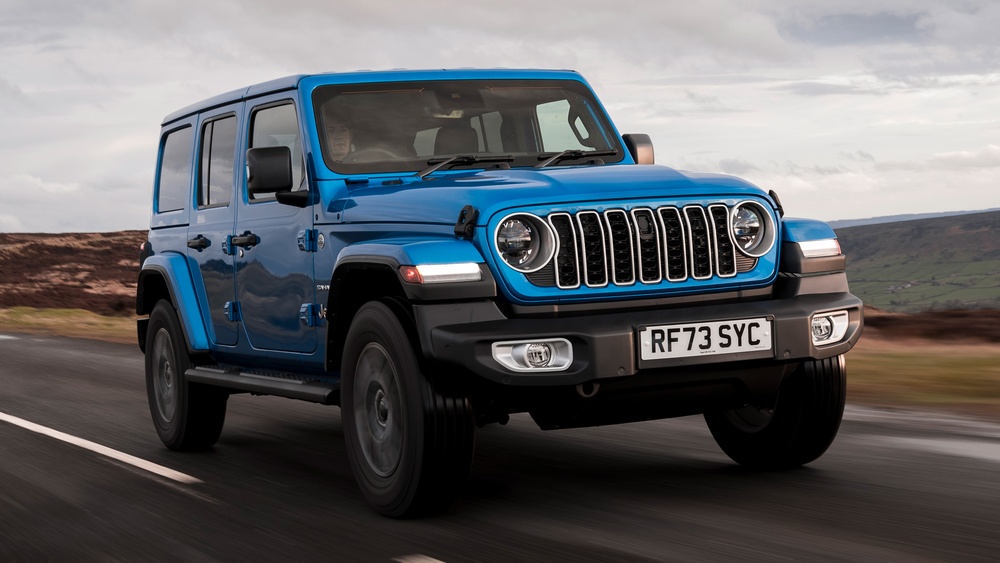
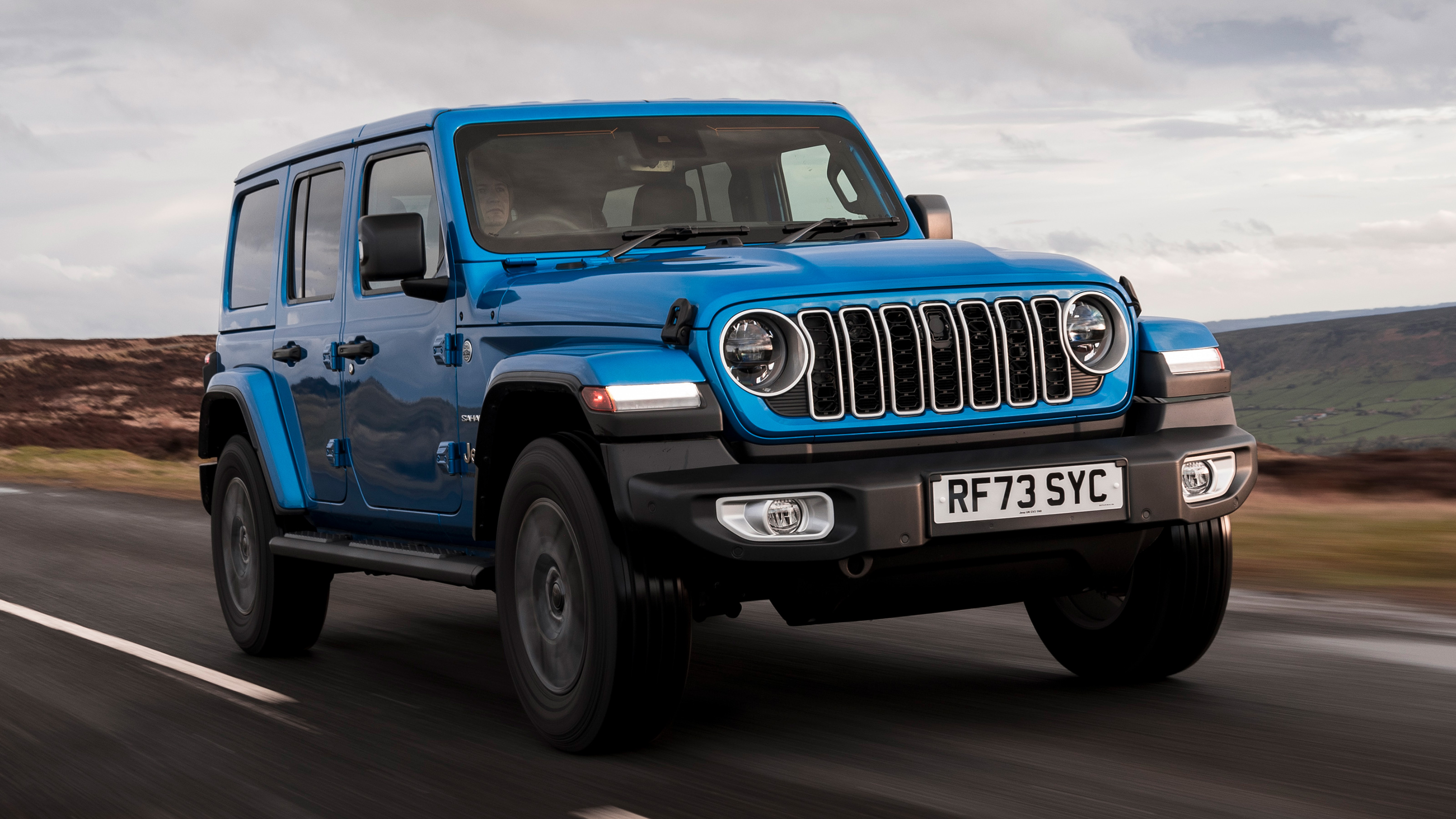
The most recognizable part of a Jeep is its seven-slot grille. This design is unique to Jeep and dates back to World War II. Each vertical slot is narrow and evenly spaced, giving the vehicle a bold and tough face.
Round Headlights
Most classic Jeeps have large round headlights. These headlights sit on either side of the grille and give the Jeep a friendly, open look. While newer models sometimes use different shapes, round headlights remain a strong symbol of the brand.
Boxy Shape
Jeeps are famous for their boxy, upright shape. The body is usually straight-edged, not curved like many modern SUVs. This boxy design helps with off-road performance and gives the car a strong, sturdy appearance.
High Ground Clearance
A Jeep sits higher off the ground than most cars. This high ground clearance allows it to drive over rocks, mud, and rough terrain easily. You will notice more space between the tires and the body compared to regular cars.
Exposed Door Hinges And Removable Roof
Many Jeep models, especially the Wrangler, have visible door hinges. This is rare in other cars. Some Jeeps also offer removable roofs and doors. This feature lets drivers feel closer to nature during drives.
Comparing Jeep Models: How Do They Look?
Jeep makes several models, each with its own style. Let’s look at three popular ones: Wrangler, Grand Cherokee, and Renegade.
| Feature | Wrangler | Grand Cherokee | Renegade |
|---|---|---|---|
| Body Shape | Boxy, upright | More rounded, SUV-like | Compact, squared |
| Roof Type | Removable, soft/hard | Fixed, hard roof | Fixed, hard roof |
| Grille | Seven-slot, vertical | Seven-slot, wider | Seven-slot, short |
| Headlights | Round | Slim, modern | Square or round |
| Ground Clearance | High | Medium | Medium |
As you can see, the Wrangler keeps the classic Jeep look, while the Grand Cherokee and Renegade have adapted the style for city use and comfort.
Key Visual Differences: Jeep Vs. Other Suvs
You might wonder how a Jeep stands out in a parking lot full of SUVs. Here are some quick ways to spot a Jeep:
- Grille Design: Only Jeeps have the seven-slot grille.
- Angular Body: Most SUVs are rounded, but Jeeps have straight lines and flat panels.
- Open Roof Options: Few SUVs let you remove the roof or doors.
- Off-Road Details: Look for tow hooks, visible hinges, and rugged tires.
Here’s a simple comparison:
| Feature | Jeep Wrangler | Typical SUV |
|---|---|---|
| Front Grille | Seven-slot, vertical | Horizontal, mixed shapes |
| Body Shape | Boxy, straight lines | Curved, aerodynamic |
| Roof | Removable | Fixed |
| Door Hinges | Exposed | Hidden |
Colors, Wheels, And Extra Details
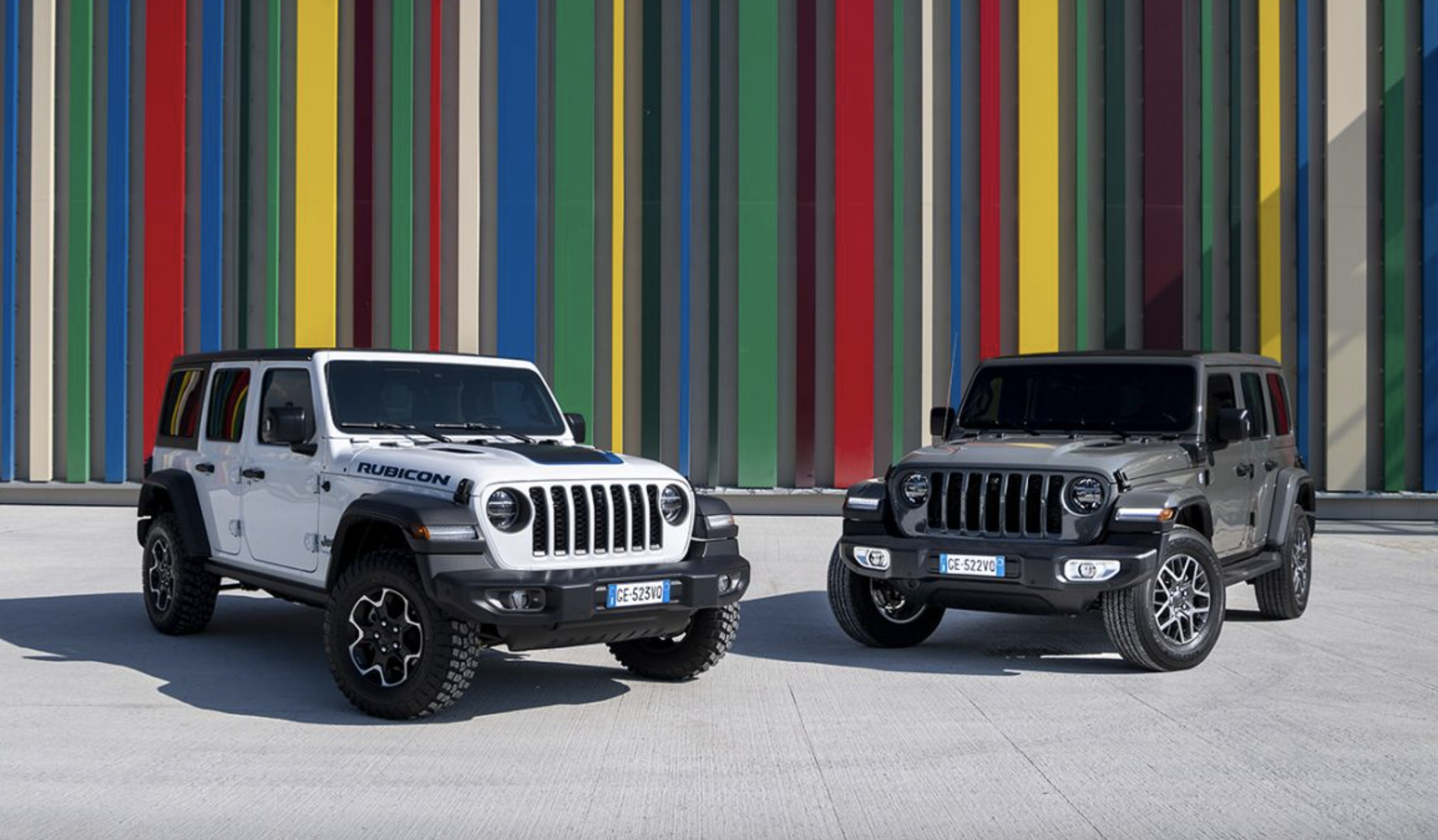
Jeeps come in many colors, but earth tones like green, tan, black, and gray are popular. These colors match the outdoor spirit. However, you will also see bright red, blue, or yellow Jeeps, especially in urban areas.
The wheels on a Jeep are usually large and thick, with deep tread patterns for off-road grip. Some models have special wheels for mud or snow.
Roof racks, spare tires mounted on the back, and extra lights are common on Jeeps. These features help with camping, travel, and rough trails.
Non-obvious Insights: What Beginners Might Miss
- Short Overhangs: On a Jeep, the distance from the wheels to the ends of the car (front and back) is short. This helps the Jeep climb over obstacles without getting stuck.
- Flat Windshield: Many Jeeps have a more vertical, flat windshield. This design is less aerodynamic but helps when driving off-road, as it reduces glare from the sun.
- Trail Rated Badge: Some Jeeps have a small “Trail Rated” badge. This means the Jeep passed special off-road tests and has extra features for tough trails.
The Evolution Of Jeep Design
The first Jeep appeared in the 1940s for military use. Its look was all about function: flat fenders, a simple grille, and no extra decorations. Over time, Jeep added comfort and style but kept the basic shape.
Today, models like the Wrangler keep the classic rugged look, while others like the Cherokee are designed for families and city driving. Even with updates, a Jeep is always easy to spot.
Jeep’s Impact On Car Culture
Jeeps are more than just vehicles; they are a symbol of freedom and adventure. Many owners personalize their Jeeps with stickers, custom wheels, or special lighting. Jeep clubs around the world organize off-road trips and events. For many, owning a Jeep is a lifestyle, not just a way to get from one place to another.
If you want to see how the Jeep’s look has changed over time, you can check out this Jeep history page.
Frequently Asked Questions
What Is The Most Iconic Visual Feature Of A Jeep?
The seven-slot grille is the most famous Jeep feature. It is found on almost every model and makes a Jeep easy to recognize from the front.
Can You Take The Roof Off All Jeep Models?
No, only certain models like the Wrangler and some Gladiators offer removable roofs. Most other Jeeps have fixed roofs.
Why Are Jeeps Boxy In Shape?
The boxy design helps with off-road driving. Straight lines and flat panels make it easier to see out and avoid obstacles.
Do All Jeeps Have Round Headlights?
Not all. Classic models like the Wrangler use round headlights, but some newer Jeeps, like the Cherokee, have slim or square headlights for a modern look.
What Colors Are Most Common For Jeeps?
Earthy colors like green, tan, and black are traditional. However, many Jeeps today come in bright colors to match personal style.
A Jeep’s look is both classic and practical, designed for adventure and daily life. Whether you see one in the city or on a mountain trail, its unique design stands out everywhere.