If you’ve ever wondered, “How do I put my Jeep in 4WD?” you’re not alone. Whether you’re gearing up for off-road adventures or just want extra traction on slick roads, knowing how to engage four-wheel drive is key to getting the most from your Jeep.
It’s simpler than you might think, and once you get the hang of it, you’ll feel more confident tackling all kinds of terrain.
walk you through the steps clearly and quickly, so you can shift into 4WD with ease and keep your Jeep ready for whatever lies ahead.
Keep reading to master this essential skill and make every drive safer and more fun.
Types Of 4wd Systems
Understanding the different types of 4WD systems helps you choose the right mode for your Jeep. Each system works uniquely to deliver power to the wheels, enhancing traction on tough roads. Knowing how these systems operate makes it easier to switch your Jeep into 4WD correctly.
Part-time 4wd
Part-time 4WD sends power to the rear wheels only in normal driving. You switch to 4WD when extra traction is needed, like on snow or mud. This system is simple and effective but should not be used on dry pavement. Using 4WD on dry roads can cause drivetrain damage.
Full-time 4wd
Full-time 4WD powers all four wheels all the time. It uses a center differential to allow wheels to turn at different speeds. This system offers better control on all surfaces, including dry roads. You do not need to switch modes manually with full-time 4WD.
Automatic 4wd
Automatic 4WD detects wheel slip and shifts power to the needed wheels. It drives in 2WD most of the time to save fuel. When the system senses loss of traction, it engages 4WD instantly. This system is easy to use and ideal for changing road conditions.
Locating The 4wd Controls
Finding the 4WD controls in your Jeep is the first step to shifting into four-wheel drive. Jeep models use different systems, so the controls may vary. Understanding where these controls are located helps you engage 4WD safely and easily. This section explains the common types of 4WD controls you might find in your Jeep.
Transfer Case Shifter
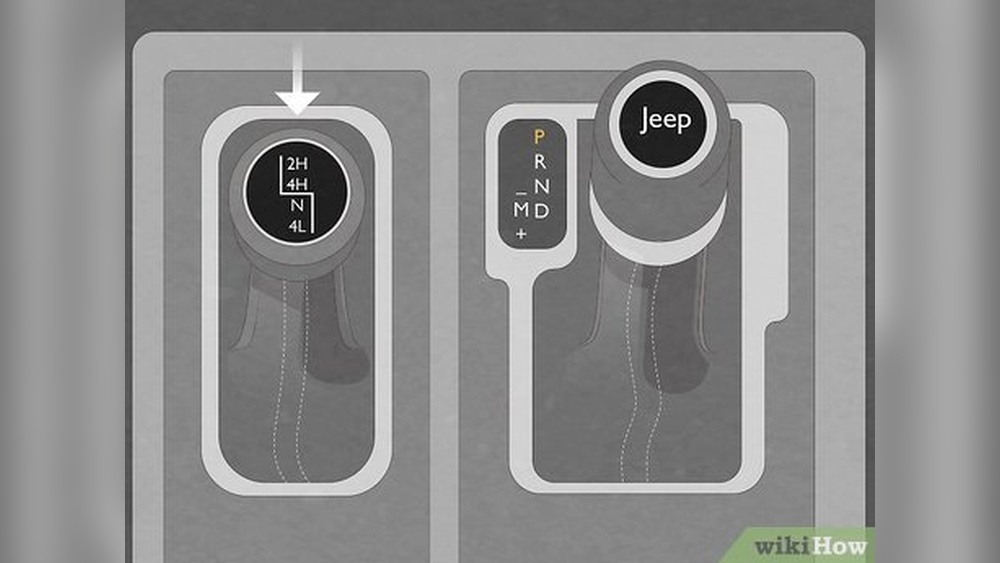
The transfer case shifter is a lever usually found between the front seats. It connects to the transfer case, which sends power to all four wheels. In older Jeep models, this lever moves manually to switch between 2WD and 4WD modes. You may need to push the lever right, then pull it back to engage 4WD. A slight resistance or click lets you know the shift is complete. A dashboard light often confirms the 4WD is active.
Electronic 4wd Switch
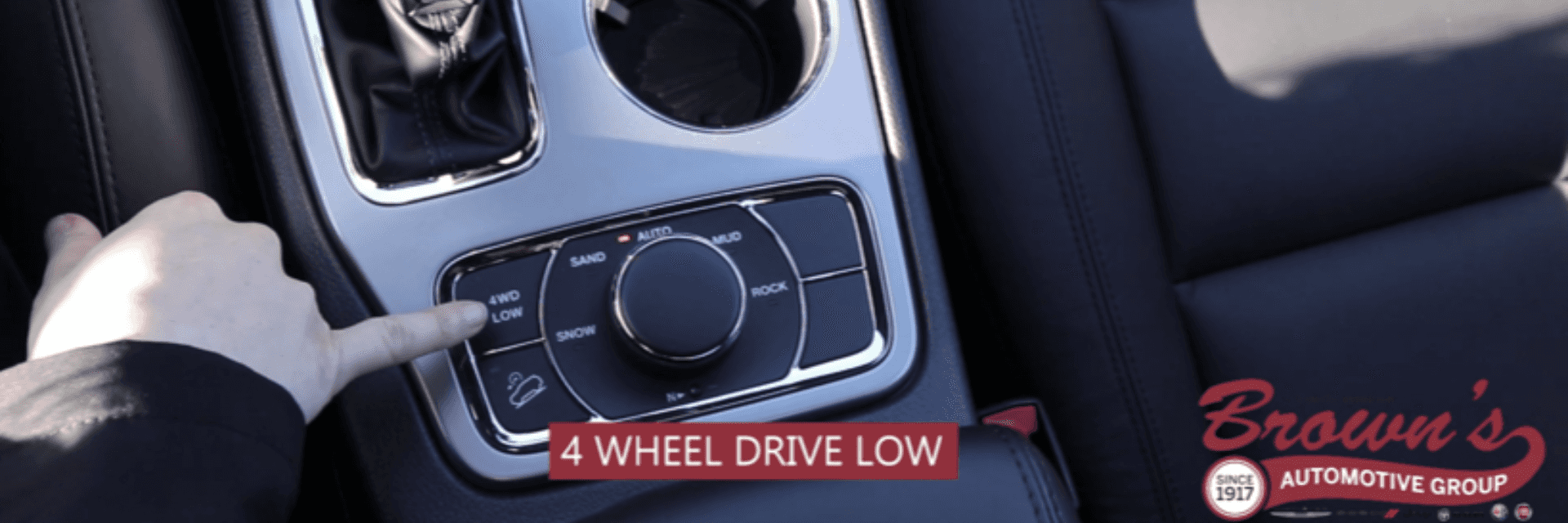
Newer Jeep models may have an electronic 4WD switch instead of a lever. This switch is often located on the dashboard or center console. Pressing the button activates the 4WD system electronically. The switch may have options like 4WD Auto, 4WD High, and 4WD Low. When you press the switch, watch for a light on the dashboard that signals the system is engaged. This setup is simple and requires less effort than a manual lever.
Preparing Your Jeep For 4wd
Engaging four-wheel drive (4WD) in your Jeep needs proper preparation. This ensures smooth shifting and avoids damage. Before switching to 4WD, check a few key things. These steps help your Jeep handle rough roads and off-road trails better.
Getting ready to put your Jeep in 4WD involves checking your speed and the transfer case settings. Following these steps makes the process safe and easy.
Check Vehicle Speed
Always check your Jeep’s speed before shifting to 4WD. Most Jeeps require you to be at a low speed or stopped. Shifting at high speeds can harm the drivetrain. For part-time 4WD systems, stop or slow down below 5 mph. Some models allow shifting at speeds up to 25 mph. Consult your owner’s manual for exact limits. Staying within the correct speed range prevents mechanical issues.
Engage Neutral If Needed
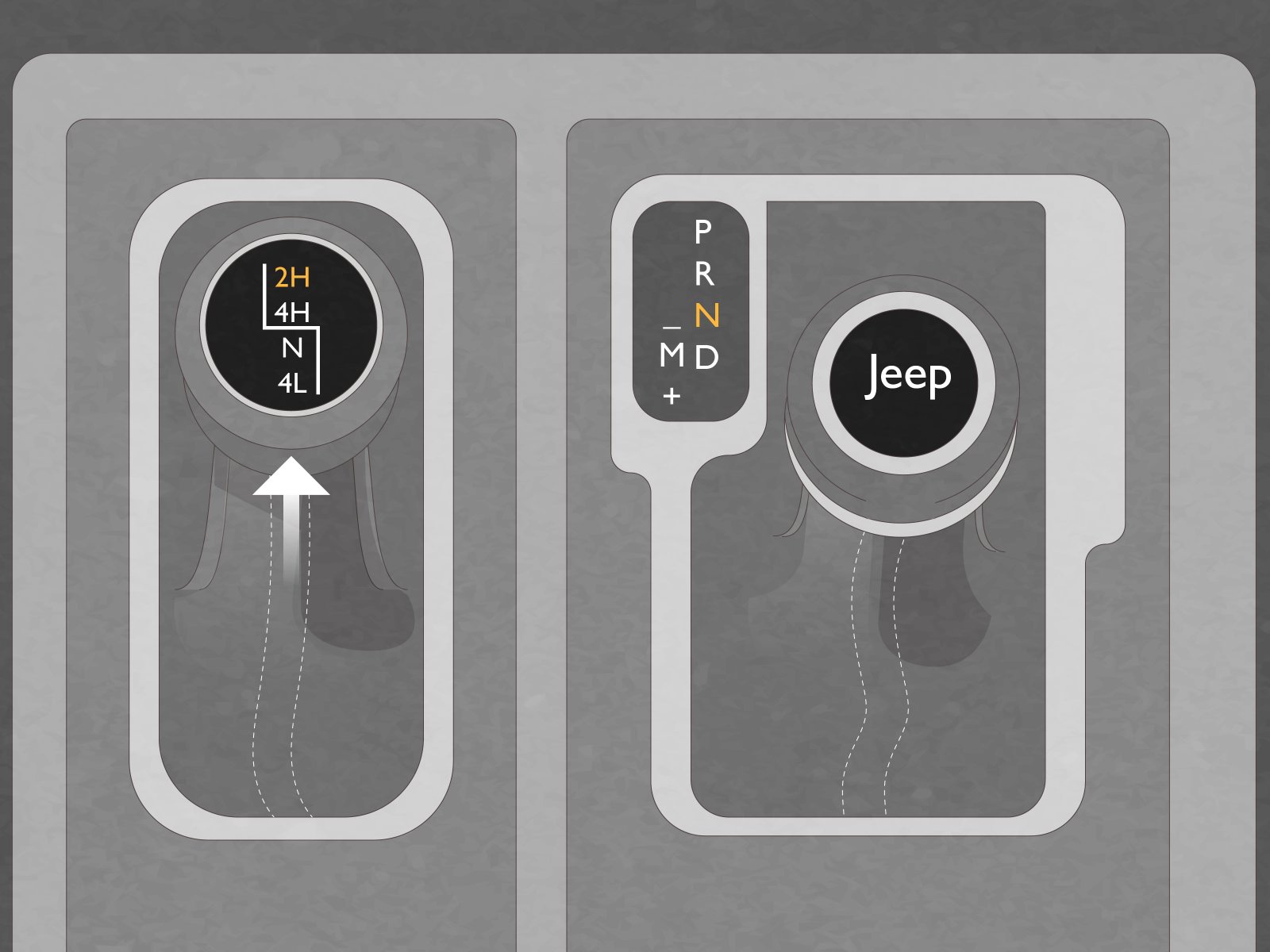
Some Jeep models need the transfer case in neutral before shifting 4WD modes. This step disconnects power to the wheels briefly. It allows the gears to align properly without damage. To engage neutral, move the transfer case shifter to the neutral position. Hold the brake and keep the vehicle still. Once in neutral, shift to 4WD high or low as required. This simple action protects your Jeep’s drivetrain and makes shifting smoother.

Engaging 4wd Modes
Engaging 4WD modes allows your Jeep to handle various driving conditions. Understanding how to shift properly into 4WD ensures better control on rough roads, mud, or snow. Your Jeep offers different 4WD settings for different terrains and speeds. Each mode serves a specific purpose to enhance traction and stability.
Shifting Into 4h (high Range)
Shift into 4H to improve traction on slippery or loose surfaces. Use 4H when driving at normal speeds on gravel, snow, or wet roads. To engage 4H, slow down your Jeep to around 25 mph or less. Shift the transfer case lever from 2H to 4H. You will feel a slight click as it engages. The dashboard light will confirm the shift to 4H. Drive smoothly without sudden acceleration or braking for better control.
Shifting Into 4l (low Range)
Use 4L for slow, controlled driving in tough conditions like deep mud or steep hills. Stop your Jeep completely before shifting into 4L. Put the transmission in neutral to ease the shift. Move the transfer case lever from 2H or 4H down to 4L. You will notice increased engine power and torque for climbing or crawling. The dashboard light will turn on to show 4L is active. Drive slowly and steadily to avoid damage and maintain traction.
Indicators And Feedback
Knowing how your Jeep signals the shift into 4WD is important. These indicators help you confirm that the system is engaged properly. They also prevent damage by showing the right time to drive in four-wheel mode. Pay attention to what your Jeep tells you through lights, sounds, and the feel of the vehicle.
Dashboard Lights
The dashboard has special lights that turn on when you shift to 4WD. Look for a 4WD icon or a message that says “4WD.” These lights confirm the system is active and working. If the light blinks or stays on without changing, it means the system might have a problem. Always check the manual for your Jeep model to understand each light’s meaning.
Physical Feel And Sounds
You may notice a slight change in how the Jeep feels when shifting to 4WD. The steering might feel a bit heavier or the vehicle may feel more stable. Sometimes, you hear a clicking or a soft clunk sound as the gears engage. These sounds are normal and show the transfer case is working. If you hear grinding or loud noises, stop and check the system.
Common Mistakes To Avoid
Using 4WD in your Jeep improves traction on rough roads. Many Jeep owners make simple mistakes when shifting into 4WD. These errors can damage the vehicle or reduce its performance. Avoiding these common mistakes keeps your Jeep safe and working well. Here are two key errors to watch out for.
Shifting At High Speeds
Shifting into 4WD while driving too fast can harm the drivetrain. Always slow down before switching modes. Most Jeeps recommend speeds under 55 mph for 4WD shifts. Sudden shifts at high speed cause grinding noises and wear parts. Stop or slow your Jeep to a safe speed before engaging 4WD.
Ignoring Terrain Conditions
Using 4WD on dry pavement can cause extra wear on tires and drivetrain. 4WD is best for slippery, loose, or uneven surfaces. Avoid using 4WD on smooth, dry roads unless necessary. Check the terrain carefully before shifting. Know when 4WD will help and when it might cause damage.
Tips For Off-road Success
Driving your Jeep off-road requires more than just engaging 4WD. It demands focus and smart handling to keep you safe and on track. Use these tips to improve your off-road experience. They help you get the best traction and control in tough conditions.
Proper use of 4WD helps your Jeep handle uneven and slippery surfaces. Knowing how to adjust your driving can prevent getting stuck or losing control. Follow these simple guidelines for better performance on mud, snow, and steep hills.
Using 4wd In Mud And Snow
Switch to 4WD low or high depending on the depth of mud or snow. This setting gives all wheels power for better grip. Drive slowly and steadily to avoid wheel spin. Avoid sudden acceleration or braking to keep traction. Keep your tires clean to prevent slipping. Use gentle turns to maintain control.
Managing Steep Terrain
Engage 4WD low for climbing or descending steep slopes. This mode provides more torque and control. Approach hills straight on to prevent slipping sideways. Use low speed and steady throttle to keep traction. On descents, use engine braking by shifting to low gear. Avoid sudden moves that can cause loss of balance.
Maintaining Control
Stay calm and focused while driving off-road. Keep both hands on the wheel for better response. Use smooth steering and gradual speed changes to avoid skidding. Watch the terrain ahead for obstacles or soft spots. Adjust your speed to the conditions to stay safe. Always be ready to stop or change direction quickly.
Troubleshooting 4wd Issues
Sometimes, your Jeep’s 4WD system may not work as expected. Troubleshooting 4WD issues helps keep your Jeep ready for any adventure. Identifying problems early can prevent costly repairs. Here are common 4WD problems and how to address them.
Stuck Transfer Case
The transfer case shifts power between wheels. It can get stuck due to dirt or lack of lubrication. Try shifting the transfer case shifter gently while moving the Jeep slowly. If it stays stuck, check the fluid level and condition. Low or dirty fluid can cause problems. In some cases, the transfer case may need professional repair.
Warning Lights
Your dashboard shows warning lights for 4WD issues. A flashing 4WD light means the system is struggling to engage. A steady light could signal a sensor or electrical problem. Turn the Jeep off and restart it to reset the system. If the light stays on, use a diagnostic tool or visit a mechanic to find the cause.
Unusual Noises
Grinding, clunking, or whining noises can come from the 4WD system. These sounds often mean worn parts or low fluid levels. Listen carefully while shifting into 4WD. If noises continue, check the drive shafts, axles, and transfer case. Regular maintenance can stop these noises before they cause damage.
<!– wp:rank-math/faq-block {"questions":[{"id":"faq-question-be6af52bc9b8","title":"How To Turn On 4wd In A Jeep?","content":"To turn on 4WD in a Jeep, shift the transfer case lever right, then pull it straight back. A dashboard light confirms engagement.
“,”visible”:true},{“id”:”faq-question-f925681fcfab”,”title”:”Do I Put My Jeep In 4h Or 4l For Snow?”,”content”:”Use 4H for driving on snowy roads at normal speeds. Engage 4L only for deep snow or steep, slippery terrain requiring maximum traction.
“,”visible”:true},{“id”:”faq-question-0d03908e773e”,”title”:”Does Jeep Need To Be In Neutral To Put In 4wd?”,”content”:”Jeep does not always need to be in neutral to engage 4WD. Shift to 4WD while stopped or moving slowly in neutral or drive, depending on the model. Always check your owner’s manual for specific instructions.
“,”visible”:true},{“id”:”faq-question-c9a63d04a7cc”,”title”:”How Do I Shift My Jeep Wrangler Into 4wd?”,”content”:”Shift your Jeep Wrangler into 4WD by moving the transfer case shifter right, then straight back. A dashboard light confirms engagement.
“,”visible”:true}]} –>How To Turn On 4wd In A Jeep?
To turn on 4WD in a Jeep, shift the transfer case lever right, then pull it straight back. A dashboard light confirms engagement.
Do I Put My Jeep In 4h Or 4l For Snow?
Use 4H for driving on snowy roads at normal speeds. Engage 4L only for deep snow or steep, slippery terrain requiring maximum traction.
Does Jeep Need To Be In Neutral To Put In 4wd?
Jeep does not always need to be in neutral to engage 4WD. Shift to 4WD while stopped or moving slowly in neutral or drive, depending on the model. Always check your owner’s manual for specific instructions.
How Do I Shift My Jeep Wrangler Into 4wd?
Shift your Jeep Wrangler into 4WD by moving the transfer case shifter right, then straight back. A dashboard light confirms engagement.
Conclusion
Engaging your Jeep’s 4WD is simple with the right steps. Always stop or slow down before shifting to protect the drivetrain.
Listen for the click or watch the dashboard light to confirm 4WD is active. Practice in a safe area to get comfortable using it.
Proper use of 4WD improves traction and control on rough terrain. Remember, each Jeep model might have slight differences check your owner's manual for details.
Drive safe and enjoy the added capability your Jeep offers with 4WD.