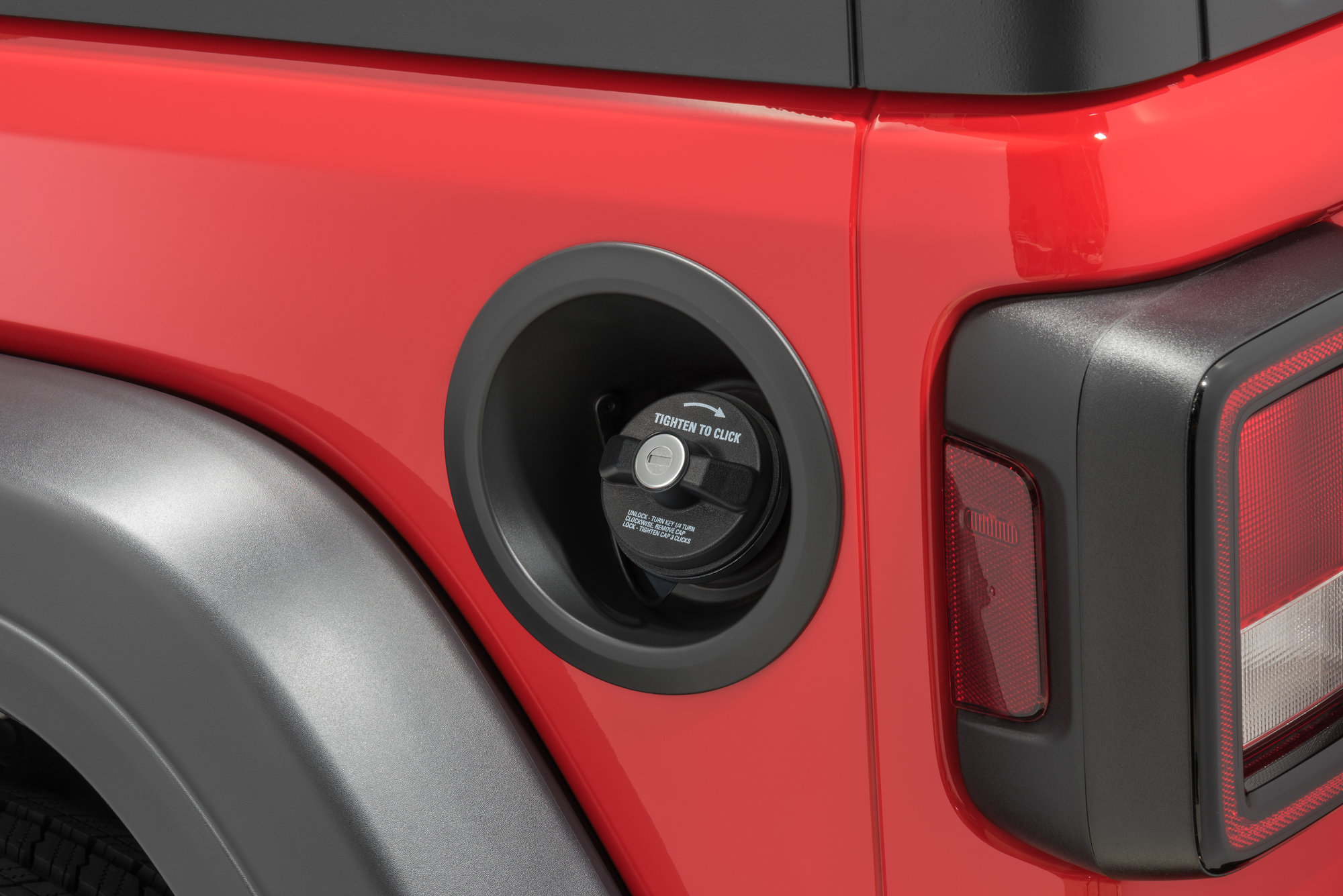
Owning a Jeep Wrangler means adventure, flexibility, and rugged style. But when it comes to road trips or off-road journeys, one practical question comes up: How big is a Jeep Wrangler gas tank? Many drivers, especially those new to Wranglers, don’t realize how much this detail affects travel plans, refueling stops, and even overall costs. Let’s explore the details, break down models, and see how the Wrangler’s gas tank size impacts real-world driving.
Jeep Wrangler Gas Tank Sizes: The Basics
Different Jeep Wrangler models have different gas tank capacities. Over the years, Jeep has released several generations, each with its own size and variations.
- Older Jeep Wranglers (YJ, TJ)
- YJ (1987–1995): Most YJs have a 15-gallon tank.
- TJ (1997–2006): Standard capacity is 19 gallons.
- JK Generation (2007–2018)
- This is a popular model.
- Most JK Wranglers have a 22.5-gallon tank.
- JL Generation (2018–present)
- Latest Wranglers.
- Standard JL gas tank size: 21.5 gallons (2-door), 18.5 gallons (4-door Sport), 21.5 gallons (4-door Rubicon/Sahara).
Most drivers don’t realize that the 2-door and 4-door Wranglers can have different capacities. Also, trim levels like Rubicon, Sahara, or Sport may affect the gas tank size slightly.
Here’s a quick comparison:
| Generation | Year Range | Tank Size (Gallons) | Notes |
|---|---|---|---|
| YJ | 1987–1995 | 15 | Basic, smaller tank |
| TJ | 1997–2006 | 19 | Improved range |
| JK | 2007–2018 | 22.5 | Most common, large tank |
| JL (2-door) | 2018–present | 21.5 | Modern design |
| JL (4-door Sport) | 2018–present | 18.5 | Smaller for Sport trim |
| JL (4-door Rubicon/Sahara) | 2018–present | 21.5 | Higher trims |
Why Gas Tank Size Matters For Wrangler Owners
Most people think the bigger the gas tank, the farther you can drive. This is true, but there are other reasons to care:
- Long trips: More capacity means fewer stops.
- Off-roading: Remote areas may not have gas stations.
- Cost planning: Know how much fuel you need and budget for it.
For example, a JK Wrangler with a 22.5-gallon tank and average fuel economy (17 mpg city, 21 mpg highway) can go about 382 miles on the highway before needing to refuel. A smaller YJ Wrangler (15 gallons, 15 mpg) may only go 225 miles.
Many drivers forget that fuel economy drops during off-roading or in cold weather, so the actual distance can be less.
Comparing Jeep Wrangler Gas Tanks To Other Suvs
How does the Jeep Wrangler compare to other popular SUVs? Let’s see:
| Model | Tank Size (Gallons) | Approx. Highway Range (Miles) |
|---|---|---|
| Jeep Wrangler JK | 22.5 | 382 |
| Toyota 4Runner | 23 | 414 |
| Ford Bronco | 20.8 | 374 |
| Chevrolet Tahoe | 24 | 432 |
| Honda CR-V | 14 | 434 |
Notice that the Wrangler’s tank size is similar to other off-road SUVs but larger than many small crossovers. However, its fuel economy is often lower, so the driving range is not always the highest.
Real-world Factors Affecting Wrangler Gas Tank Use
Gas tank size is only part of the story. Real-world use depends on:
1. Fuel Economy
Wranglers are built for strength, not high mpg. Heavy tires, lifted suspensions, and off-road gear can lower fuel efficiency. For example, a Wrangler with big tires may get only 13 mpg.
2. Driving Style
Fast driving, city traffic, or heavy loads can reduce range. Many new owners are surprised how quickly the tank empties when towing or carrying gear.
3. Tank Shape And Usable Capacity
The full tank capacity is listed, but some fuel is not usable because it stays at the bottom. Sometimes, the fuel gauge is not 100% accurate, so you may need to refuel sooner.
4. Weather And Terrain
Cold weather, steep hills, or muddy trails increase fuel use. Off-roading can drop mpg by 20–30%.
These factors mean that while the Jeep Wrangler gas tank may seem large, the real driving range can be less than expected.
How To Check Your Wrangler’s Gas Tank Size
If you want to know your exact tank size, here’s how:
- Check your owner’s manual: It lists tank capacity for your model.
- Look for stickers: Some Wranglers have a sticker under the hood or near the gas cap.
- Online VIN lookup: Enter your Vehicle Identification Number on Jeep’s official site for details.
- Physical measurement: If unsure, fill the tank from empty and note the gallons.
For the most accurate info, use the VIN method. Sometimes, used Wranglers may have aftermarket tanks or modifications, so check carefully.
Upgrading Or Replacing A Wrangler Gas Tank
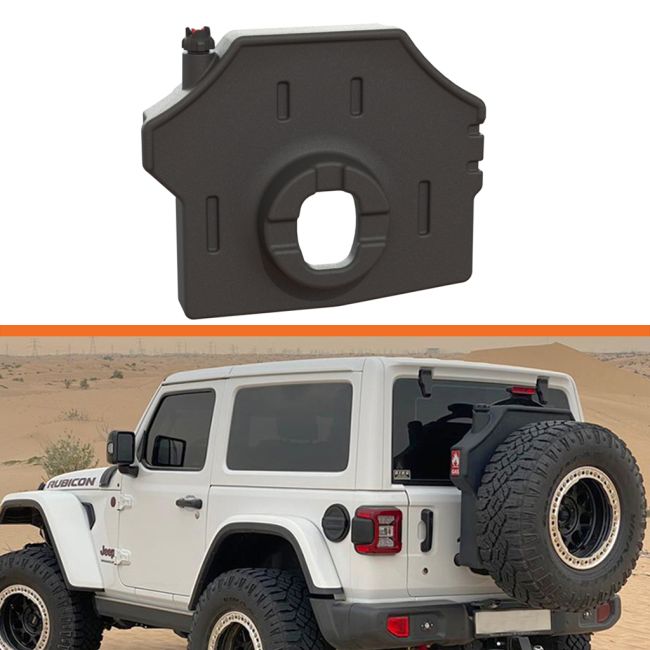
Some owners want a bigger gas tank for longer trips. There are aftermarket tanks available, especially for JK and JL models. These tanks can range from 30 to 40 gallons.
But there are important things to consider:
- Weight: Bigger tanks add weight, which lowers fuel economy.
- Installation: Professional installation is needed. Improper setup can cause leaks or damage.
- Cost: Upgrades can cost $1,000 or more.
- Legal issues: Some states have rules about fuel tank modifications.
Many beginners forget that a bigger tank may not fit in all Wranglers. Always check compatibility and local laws.
Common Mistakes When Refueling Jeep Wranglers
New Jeep owners often make mistakes that affect their gas tank:
- Overfilling: Trying to squeeze in more gas after the pump clicks off can damage the vapor recovery system.
- Ignoring warning lights: Driving with low fuel can harm the fuel pump.
- Using the wrong fuel: Wranglers need regular unleaded gasoline, not premium or diesel (unless you have a diesel model).
- Trusting the gauge: Fuel gauges can be inaccurate, especially on older models.
A smart habit is to refuel when the tank is about one-quarter full, especially before heading off-road.
Non-obvious Insights For Wrangler Owners
Let’s look at a few points many beginners miss:
1. Aftermarket Skid Plates Can Reduce Capacity
If you add skid plates under your Wrangler, they sometimes interfere with the gas tank and lower usable capacity. Always check compatibility.
2. Altitude Changes Fuel Consumption
Driving at high altitudes (mountains) changes air pressure and may lower mpg, meaning you need to refuel more often.
These are often overlooked but can make a big difference in planning trips.

Tips For Maximizing Your Wrangler’s Gas Tank Range
To make the most of your Jeep Wrangler gas tank, try these practical tips:
- Keep tires properly inflated: Low tire pressure lowers mpg.
- Remove heavy gear: Less weight means better fuel economy.
- Avoid aggressive driving: Quick starts and stops use more fuel.
- Plan routes: Choose smoother roads when possible.
Many drivers forget that simple habits can extend driving range by 10–15%.
Jeep Wrangler Gas Tank And Safety
Safety is important. Here are key points:
- Never store extra fuel inside the cabin: It’s dangerous and illegal in most places.
- Check for leaks: Older Wranglers may develop leaks around the tank. Smell gasoline? Have it checked immediately.
- Don’t overfill: It can cause pressure and leaks.
Always follow manufacturer guidelines for refueling and maintenance.
Wrangler Gas Tank Size And Resale Value
Did you know that gas tank size can affect resale value? Buyers looking for long-range vehicles prefer Wranglers with bigger tanks. Models with aftermarket tanks may sell for more, but only if installed professionally.
A common mistake is ignoring the tank when buying used. Always ask about modifications and check for leaks or damage.
How Gas Tank Size Impacts Wrangler Ownership
The size of your Jeep Wrangler gas tank shapes your experience:
- Adventure flexibility: More range means more freedom.
- Cost management: Bigger tanks mean bigger bills at the pump.
- Trip planning: Know your limits for off-road and long drives.
Understanding your Wrangler’s gas tank helps you avoid surprises and enjoy safe, confident journeys.
Frequently Asked Questions
What Is The Biggest Gas Tank Available For A Jeep Wrangler?
The largest factory gas tank in recent Wranglers is about 22.5 gallons (JK models). Aftermarket tanks can go up to 40 gallons, but they require professional installation and may not fit all models.
How Far Can A Jeep Wrangler Go On A Full Tank?
A typical Wrangler JK with a 22.5-gallon tank and average highway fuel economy (21 mpg) can travel about 470 miles. Real-world range depends on terrain, gear, and driving style.
Does The Gas Tank Size Change With Different Wrangler Trims?
Yes. For example, the JL 4-door Sport has an 18.5-gallon tank, while the JL Rubicon or Sahara has 21.5 gallons. Always check your specific trim level.
Can I Upgrade My Jeep Wrangler Gas Tank?
Upgrades are possible. There are aftermarket tanks for JK and JL Wranglers, but they cost more, add weight, and may need professional installation. Always check compatibility and legal rules.
Where Can I Find Official Jeep Wrangler Gas Tank Specifications?
The best source is the Jeep website or your owner’s manual. You can also use the VIN lookup tool on Jeep’s official site. For more details, check Jeep Official Site.
Final Thoughts
Knowing how big a Jeep Wrangler gas tank is makes a difference for planning trips, budgeting fuel, and choosing the right model. With sizes ranging from 15 gallons (YJ) up to 22.5 gallons (JK), plus options for upgrades, you have flexibility—but also responsibilities. Don’t overlook real-world factors like fuel economy, driving conditions, and safety. Whether you drive city streets or mountain trails, understanding your Wrangler’s gas tank helps you get the most from every journey.