If you drive a Jeep Liberty, knowing the size of your gas tank is more important than you might think. It affects how far you can travel, how often you stop for fuel, and even your budget for road trips.
While the Jeep Liberty is known for its rugged performance, gas tank size can vary by year and model. Let’s break down the details, clear up common myths, and help you make the most of every fill-up.
Jeep Liberty Gas Tank Size By Year
The Jeep Liberty was produced between 2002 and 2012. During that time, Jeep offered different trim levels and options, but the gas tank size stayed consistent for most models. However, there are a few exceptions and details you should know.
Here’s a quick look at the most common Jeep Liberty gas tank sizes by model year:
| Model Year | Gas Tank Size (Gallons) |
|---|---|
| 2002–2007 | 20.5 |
| 2008–2012 | 19.5 |
Most drivers will find their Jeep Liberty has a 19.5 or 20.5 gallon fuel tank. This difference is small but can impact your driving range and refueling schedule.
Why The Change In Gas Tank Size?
Jeep made updates in 2008, which included a new body style and a slightly smaller gas tank. This was likely done to reduce weight and improve emissions, though real-world differences in range are minor.
How Far Can A Jeep Liberty Go On A Full Tank?
Knowing your gas tank size is just the start. How far you can drive depends on your fuel economy and driving habits.
Most Jeep Liberty models average between 15 and 22 miles per gallon (mpg), depending on the engine, driving style, and whether you’re in the city or on the highway.
Let’s see how far you can expect to go per fill-up:
| Tank Size (Gallons) | Average MPG | Estimated Range (Miles) |
|---|---|---|
| 19.5 | 17 | 330 |
| 20.5 | 20 | 410 |
Key insight: Real-world range is usually 300–400 miles per tank. If you tow a trailer or carry heavy cargo, expect less.
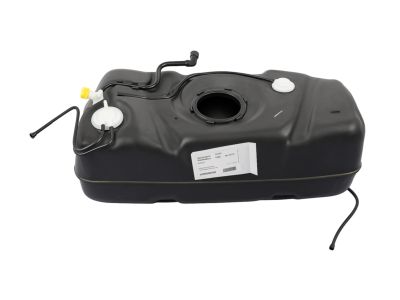
Differences Between Trims And Special Editions
Some Jeep Liberty trims and special editions had different features, but gas tank size rarely changed. Both 2WD and 4WD models use the same tank. However, the diesel version (2005–2006 CRD) had a unique setup:
- 2005–2006 CRD Diesel: 20.5 gallons
Diesel Libertys often get better fuel economy, so their range is even higher than gas models.
How To Find Your Exact Gas Tank Size
If you want to be 100% sure about your Jeep Liberty’s gas tank size:
- Check your owner’s manual. It lists fuel capacity under “Specifications.”
- Look for a label inside the fuel door. Some models have a sticker with tank size.
- Search your VIN online. Use your Vehicle Identification Number (VIN) on official Jeep sites.
- Ask your dealership. They can confirm based on your specific trim and year.
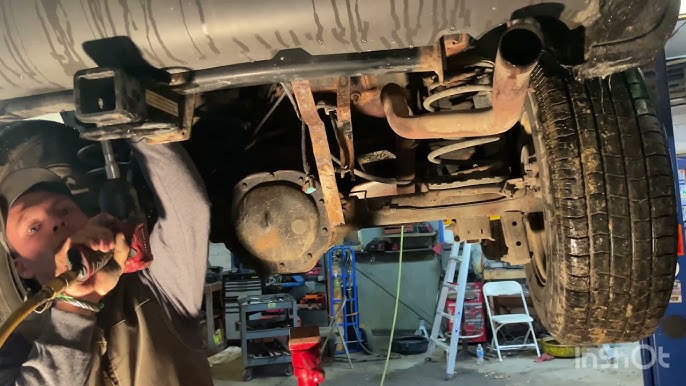
Non-obvious tip: Some replacement tanks or aftermarket modifications can change capacity. If you bought your Liberty used, confirm the tank hasn’t been swapped out.
Impact Of Gas Tank Size On Ownership
A bigger gas tank means longer driving range, but it also means:
- More weight: A full 20-gallon tank adds over 120 pounds to your vehicle.
- Higher fill-up cost: Filling a large tank costs more, especially if gas prices rise.
- Less frequent stops: You can drive further between fill-ups, which is great for road trips.
For most Liberty owners, the standard tank strikes a good balance. Unless you do extreme off-roading or drive very long distances, you won’t need a larger tank.
Common Mistakes Jeep Liberty Owners Make
- Running too low on gas. The fuel pump is cooled by gasoline. Running near empty can overheat it and lead to expensive repairs.
- Not resetting the trip meter. Tracking miles between fill-ups helps spot changes in fuel economy or potential leaks.
- Ignoring the “Reserve.” When your gauge hits “E,” you still have 1–2 gallons left. Don’t rely on this for regular driving.
Bonus tip: Always fill up before entering remote or off-road areas. Gas stations may be rare or closed.
Gas Tank Size Compared To Other Suvs
Wondering How The Jeep Liberty Stacks Up?
| Vehicle | Gas Tank Size (Gallons) |
|---|---|
| Jeep Liberty | 19.5–20.5 |
| Honda CR-V | 15.3 |
| Toyota RAV4 | 14.5–15.9 |
| Ford Escape | 15.1–17.5 |
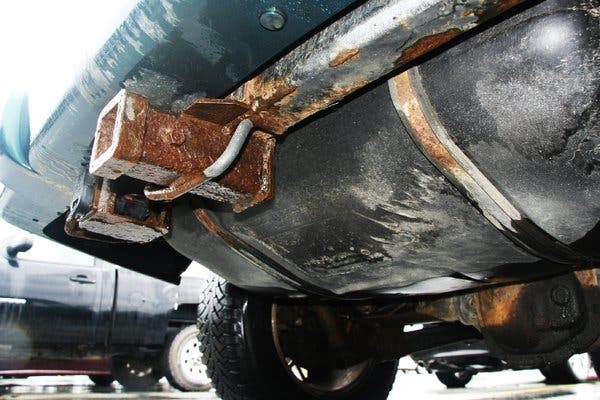
The Liberty’s tank is larger than most compact SUVs, giving you a longer range but higher fill-up costs.
Fuel Economy Tips For Jeep Liberty Owners
To get the most from your gas tank:
- Check tire pressure regularly. Low tires reduce mpg.
- Drive smoothly. Hard stops and starts burn more fuel.
- Lighten your load. Remove unnecessary cargo and roof racks.
- Keep up with maintenance. Fresh oil and clean filters help efficiency.
- Use cruise control on highways. It helps maintain steady speeds.
Many drivers overlook how small habits can make a tank last longer.
Frequently Asked Questions
How Many Gallons Does A 2007 Jeep Liberty Hold?
A 2007 Jeep Liberty has a 20.5-gallon gas tank. This applies to all standard trims for that model year.
Did The Jeep Liberty Gas Tank Size Ever Change?
Yes, the gas tank size dropped from 20.5 gallons (2002–2007) to 19.5 gallons (2008–2012) when Jeep updated the Liberty’s design.
How Do I Find My Jeep Liberty’s Gas Tank Size?
You can check the owner’s manual, look for a label inside the fuel door, or use your VIN on an official Jeep website for exact specs. Your local dealer can also confirm.
Is A Bigger Gas Tank Always Better?
Not always. A bigger tank means more range but adds weight and increases fill-up cost. For most drivers, the standard Liberty tank is a good balance.
How Does The Jeep Liberty’s Gas Tank Compare To Other Suvs?
The Liberty’s tank is larger than most compact SUVs like the Honda CR-V or Toyota RAV4. This means longer range but higher refueling cost.
For more detailed specs, check the official Jeep resources at Jeep.com.
Whether you’re planning road trips or just want to understand your vehicle better, knowing your Jeep Liberty gas tank size helps you drive smarter and avoid surprises. Use this knowledge to keep your adventures running smoothly and avoid running on empty.