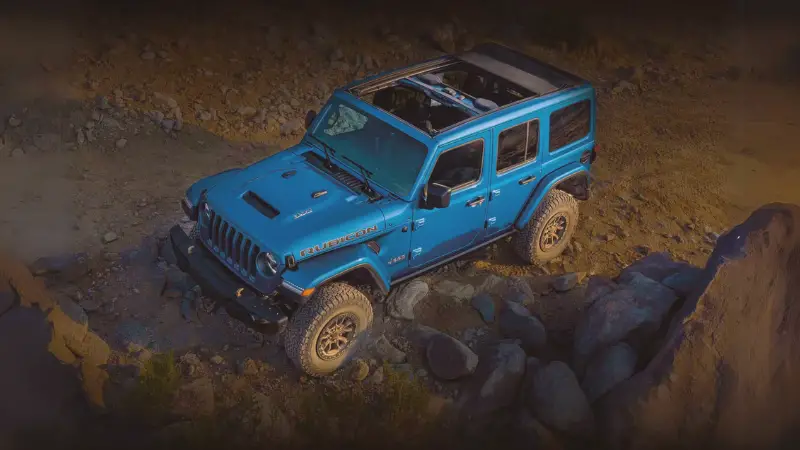
For over 35 years, the Jeep Wrangler has stood as an icon of adventure. Born from military roots and shaped by decades of off-road innovation, the Wrangler is more than just a vehicle—it’s a symbol of freedom. Its unique design and fearless spirit make it instantly recognizable around the world. But how did this rugged off-roader become a legend? Let’s explore the rich history, major changes, and lasting impact of the Jeep Wrangler.
The Origin: Military Beginnings
The story of the Jeep Wrangler starts in the 1940s during World War II. The U.S. Army needed a tough, reliable vehicle for all kinds of terrain. The original Jeep, known as the Willys MB, was simple, strong, and easy to fix. Soldiers trusted it to cross mud, sand, and rocky paths. After the war, veterans missed their Jeeps and wanted something similar for civilian life.
In 1945, the Willys-Overland company released the CJ (Civilian Jeep). This vehicle kept the rugged charm but added a few comforts. The CJ series (especially CJ-5 and CJ-7) set the stage for the Wrangler, mixing military strength with everyday use.
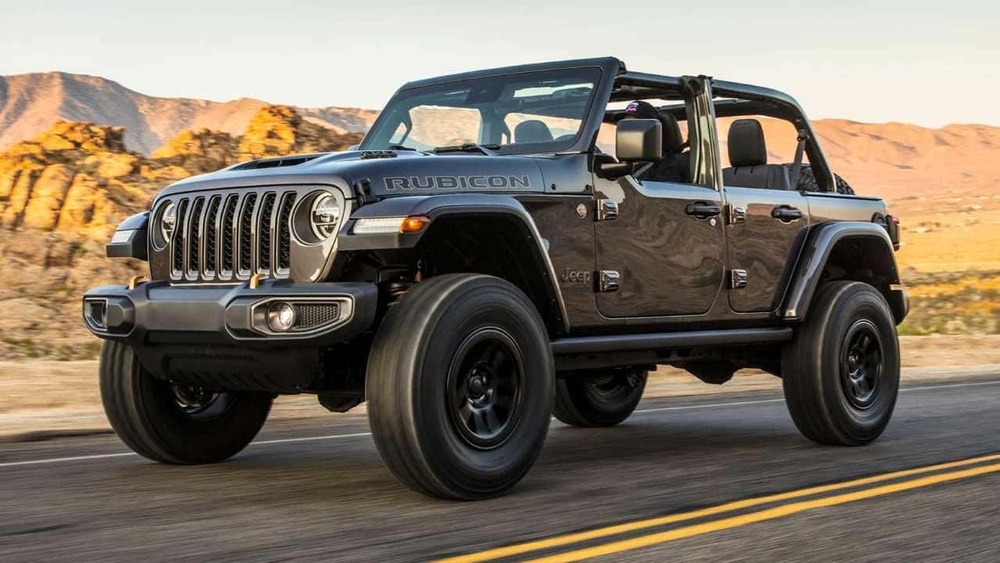
Birth Of The Wrangler: 1987
The first Jeep Wrangler YJ appeared in 1987, replacing the long-running CJ series. The YJ kept the classic Jeep look but added square headlights—a bold change at the time. Jeep wanted to attract both die-hard fans and new drivers who wanted more comfort on the road.
Key changes in the YJ included:
- Wider track for better stability
- Improved suspension for smoother rides
- Lower center of gravity to reduce rollovers
With these updates, the Wrangler became more versatile. It could handle city streets and tough trails equally well. Despite some pushback on the headlights, the YJ sold over 685,000 units by 1995.

Evolution Through Generations
The Wrangler has evolved through four main generations, each bringing new features and technology. Here’s how each generation stands out:
| Generation | Years | Main Features |
|---|---|---|
| YJ | 1987-1995 | Square headlights, wider track, leaf springs |
| TJ | 1997-2006 | Round headlights, coil springs, improved ride comfort |
| JK | 2007-2017 | Four-door Unlimited model, advanced safety, more power |
| JL | 2018-present | Lighter materials, modern tech, turbo and hybrid options |
Notable Innovations
- TJ Generation (1997-2006): Jeep returned to round headlights, a fan favorite. Coil spring suspension replaced leaf springs, greatly improving comfort and off-road ability.
- JK Generation (2007-2017): Introduced the four-door Wrangler Unlimited. This version became the best-selling Wrangler, appealing to families and adventure groups.
- JL Generation (2018-present): Lighter body, improved fuel efficiency, and new tech like blind spot monitoring. Jeep also added a plug-in hybrid model, showing its commitment to the future.
Jeep Wrangler In Culture And Competition
The Wrangler isn’t just a car—it’s a pop culture star. From movies like Jurassic Park to countless adventure magazines, the Wrangler is always linked to exploration. Its image of freedom and fun helps Jeep sell over 200,000 Wranglers each year in the US alone.
But the Wrangler’s reputation isn’t only about looks. It dominates off-road competitions, such as the Rubicon Trail and King of the Hammers. Owners love to customize their Wranglers, with endless options for tires, bumpers, and winches. This strong community has made the Wrangler more than a vehicle—it’s a lifestyle.
Comparing The Wrangler With Its Rivals
How does the Wrangler stand out among other off-road vehicles? Here’s a side-by-side look at popular choices:
| Model | Ground Clearance | Approach Angle | Removable Roof/Doors |
|---|---|---|---|
| Jeep Wrangler Rubicon | 10.8 in | 44° | Yes |
| Ford Bronco | 11.6 in | 43.2° | Yes |
| Toyota 4Runner | 9.6 in | 33° | No |
While some rivals offer similar off-road numbers, the Wrangler’s removable doors and roof are unique. This open-air feeling is a big reason fans stay loyal.
Two Insights Most People Miss
- Solid Axle Design: Many SUVs now use independent suspension for comfort. The Wrangler keeps a solid axle in front and back. This design gives better traction on tough trails and is easier to repair in remote areas.
- Aftermarket Support: The Wrangler has one of the largest parts and accessory markets in the world. Owners can build their dream Jeep, from rock crawlers to daily drivers, often boosting resale value.
The Wrangler’s Legacy And Future
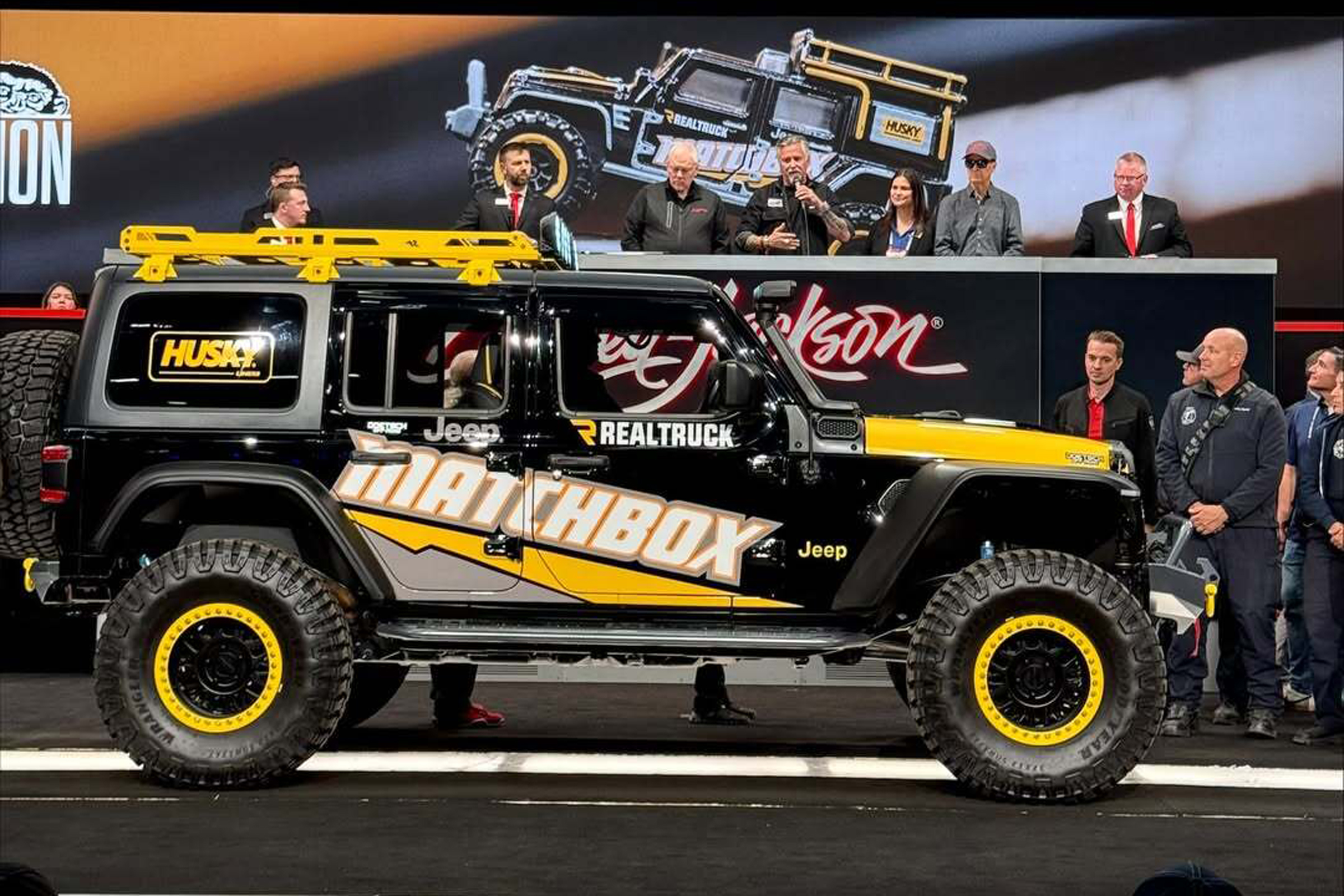
The Wrangler has survived changing trends, strict safety rules, and even rising gas prices. Jeep’s smart updates keep the Wrangler relevant without losing its soul. As electric vehicles grow, the new Wrangler 4xe hybrid proves that tradition and innovation can mix.
The Wrangler’s legacy isn’t just about where it’s been, but where it’s going. Each new model honors the past while pushing into new territory. For many, owning a Wrangler is about joining a global family of adventurers.
Frequently Asked Questions
What Makes The Jeep Wrangler So Good Off-road?
The Wrangler’s solid axles, high ground clearance, and 4×4 systems give it top traction on rough trails. Its short wheelbase and approach angles help it climb and turn easily.
Can You Use A Jeep Wrangler For Daily Driving?
Yes, especially newer models. The Wrangler is more comfortable and quiet than before, with modern safety and tech. Just know that it may feel different from regular SUVs on highways.
Is The Jeep Wrangler Safe?
Modern Wranglers have airbags, stability control, and advanced driver aids. However, their boxy shape and removable doors mean safety ratings can be lower than some rivals.
How Long Does A Jeep Wrangler Last?
With good care, many Wranglers reach 200,000 miles or more. Simple parts and strong design make repairs easy, especially for older models.
Where Can I Learn More About The Jeep Wrangler’s History?
You can find detailed information at the Jeep Wrangler Wikipedia page.
The Jeep Wrangler’s story is still being written. From battlefields to beaches, deserts to city streets, it remains a true off-road legend—one that will inspire adventurers for generations to come.