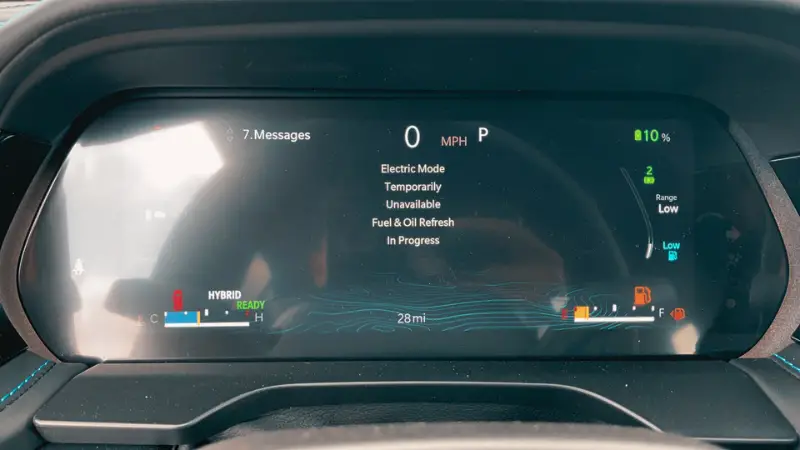
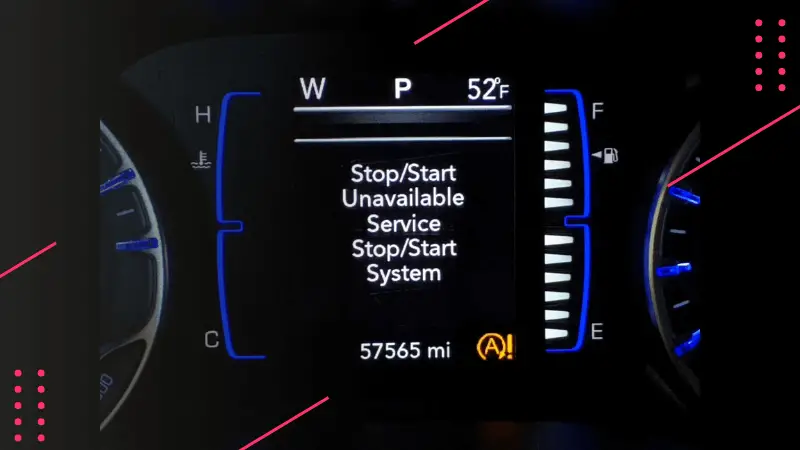
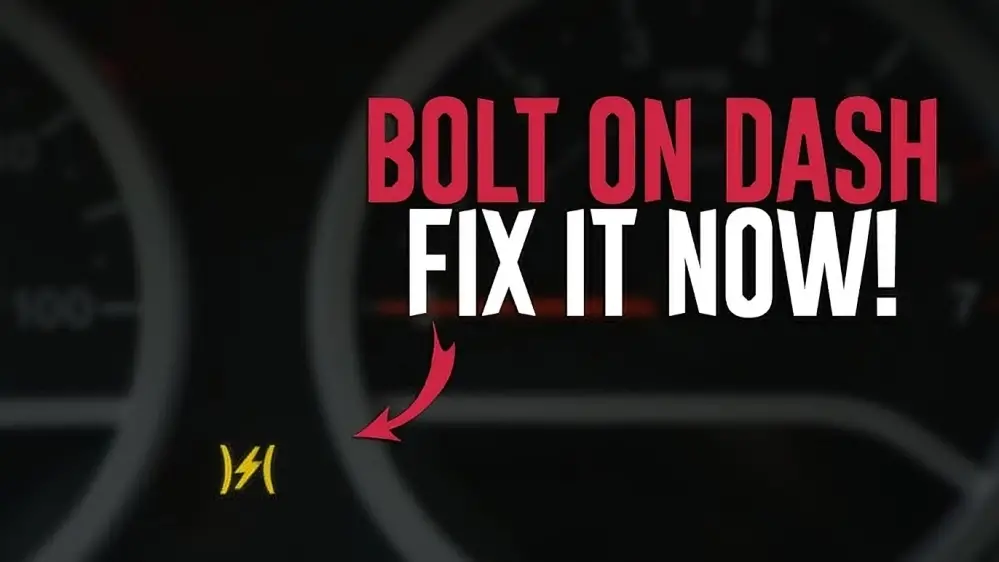
Electronic Throttle Control Red Lightning Bolt on Dash Meaning warns you about a throttle problem that needs fast attention.
The symbol indicates a fault in the throttle system, and your engine performance drops rapidly when this happens. You may feel rough idling, weak acceleration, or limp mode.
You get a clear signal that the throttle system needs attention. This guide explains the causes, symptoms, fast checks, DIY steps, repair options, and simple ways to stop the warning from returning.
It gives you quick, practical information so you know what to do the moment the red lightning bolt appears.
What is Electronic Throttle Control (ETC)?
The Electronic Throttle Control (ETC) system manages your car’s throttle electronically instead of using a direct mechanical cable.
Traditional cars relied on a cable connecting the accelerator pedal to the throttle plate.
Modern vehicles use sensors and the Engine Control Module (ECM) to adjust airflow precisely.
Components of ETC
- Throttle Body: Regulates airflow into the engine. The throttle plate inside opens or closes according to ECM commands.
- Accelerator Pedal Sensor: Sends pedal position data to the ECM.
- Engine Control Module (ECM): Processes sensor signals and controls throttle response for optimal performance.
Why ETC Malfunctions Matter
When the ETC fails, it can trigger:
- Reduced acceleration
- Engine stalling
- Limp mode activation
- Poor fuel efficiency
The red lightning bolt warns drivers that the throttle system is compromised. Ignoring it can lead to costly repairs and unsafe driving conditions.
Understanding the Red Lightning Bolt Symbol
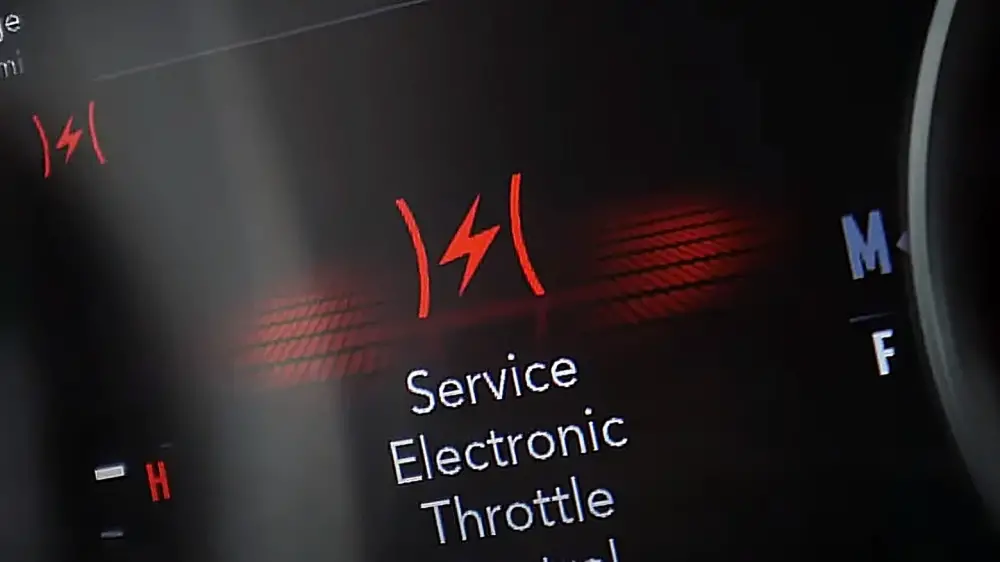
The red lightning bolt symbol indicates an Electronic Throttle Control fault. It usually appears as a small red bolt on the dashboard, sometimes with “ETC” or an engine icon.
Red vs Yellow Dashboard Symbols
- Red symbol: Urgent issue requiring immediate attention.
- Yellow symbol: Advisory warning; not immediately dangerous but should be checked.
When the red lightning bolt appears, your car may limit acceleration to protect the engine. Prompt action prevents further damage and ensures safety.
Common Causes of the Red Lightning Bolt on the Dash
Several issues can trigger the ETC red lightning bolt:
1. Throttle Body Issues
- Carbon Buildup: Accumulated carbon deposits prevent smooth throttle plate operation.
- Sticking Throttle Plate: Wear or mechanical obstruction can restrict airflow.
2. Sensor Faults
- Accelerator Pedal Sensor Failure: Prevents the ECM from detecting pedal input accurately.
- Throttle Position Sensor (TPS) Problems: Sends incorrect signals to the ECM.
3. Wiring and Connection Problems
- Loose Connectors: Vibrations or poor installation may disconnect sensors.
- Damaged Wiring: Rodents, corrosion, or accidental damage interrupt sensor communication.
4. Battery and Electrical Issues
- Low Voltage: Weak battery or alternator issues affect throttle control.
- Corroded Terminals: Poor connections create electrical resistance, triggering warnings.
5. ECM Problems
- Software Glitches: Corrupt ECM software can mismanage throttle control.
- Faulty Module: Rare but serious, the ECM may fail to process throttle signals properly.
Understanding the cause helps in deciding whether to attempt a DIY fix or call a professional.
Symptoms of Electronic Throttle Control Red Lightning Bolt on Dash Meaning
When the red lightning bolt appears, you may notice:
- Reduced Engine Power / Limp Mode: Limits acceleration to protect the engine.
- Poor Acceleration: Hesitation when pressing the gas pedal.
- Unstable Idling: RPMs fluctuate, or the engine feels rough.
- Stalling or Hesitation: The Engine may stall unexpectedly.
- Multiple Dashboard Lights: Check engine or traction control lights may appear.
Recognizing these symptoms helps you respond appropriately.
Immediate Steps to Take When You See the Symbol
- Stay Calm: Avoid sudden braking or acceleration.
- Reduce Speed: Drive gently to reduce stress on the engine.
- Check Engine Health: Ensure oil and coolant levels are adequate.
- Inspect Battery and Connections: Look for loose or corroded terminals.
- Use an OBD2 Scanner: Identify error codes to pinpoint the problem.
- Consider Towing: If driving feels unsafe, have the car towed to a repair shop.
Acting promptly reduces the risk of permanent damage.
DIY Fixes for the Red Lightning Bolt
Minor ETC issues can be fixed at home with basic tools:
Throttle Body Cleaning
- Remove carbon deposits using throttle body cleaner.
- Clean the throttle plate and surrounding components.
- Reassemble and test the vehicle.
Inspect and Reconnect Sensors
- Check the accelerator pedal sensor and TPS.
- Ensure all connectors are secure.
- Replace damaged sensors if necessary.
Check Wiring Harness
- Look for frayed wires, corrosion, or loose connections.
- Repair or replace damaged wiring.
Reset ETC System
- Disconnect the battery for 10–15 minutes.
- Reconnect and start the car to see if the light clears.
Clear Codes with OBD2 Scanner
- Reading the code identifies the issue.
- Clearing codes after repairs confirms the problem is resolved.
DIY fixes are effective for minor issues, but persistent problems may require professional help.
Advanced Repairs That Require a Mechanic
Some ETC problems require professional intervention:
- Throttle Body Replacement: Needed if the throttle plate or motor is damaged.
- Accelerator Pedal Sensor Replacement: For unresponsive or faulty sensors.
- ECM Repair or Reflash: Fixes software glitches or corrupted memory.
- Wiring Harness Repair: Repairs complex electrical faults.
- Professional Electrical Diagnostics: Detects hidden issues that DIY attempts may miss.
Professional repairs ensure long-term reliability and safety.
Prevention Tips to Avoid Future ETC Issues
Regular maintenance can prevent red lightning bolt warnings:
- Clean the throttle body annually.
- Keep battery terminals clean.
- Replace weak or old batteries promptly.
- Inspect connectors during oil changes.
- Use high-quality air filters.
- Avoid moisture in the engine bay.
- Start the engine at least twice per week if parked long-term.
Preventive care reduces stress on the throttle system and prolongs engine life.
When to Seek Professional Help
Consult a mechanic if:
- The red lightning bolt persists after DIY fixes.
- Engine power remains reduced.
- Multiple dashboard lights appear simultaneously.
- The car stalls or is unsafe to drive.
Professional intervention prevents further damage and ensures your safety.
Troubleshooting Red Lightning Bolt on Dash
| Repair wiring, ECM repair, or reflash | Possible Cause | DIY Fix | Professional Fix |
|---|---|---|---|
| Reduced engine power / limp mode | Throttle body sticking, sensor fault | Clean throttle body, reset ETC | Throttle body replacement, sensor replacement |
| Poor acceleration | Accelerator pedal sensor or TPS issue | Inspect and reconnect sensors | Replace faulty sensors |
| Unstable idling | Carbon buildup on throttle plate | Throttle cleaning | ECM calibration or repair |
| Car stalls or hesitates | Wiring issues, ECM glitch | Check wiring harness, reset battery | Professional electrical diagnostics |
| Multiple dashboard lights | Low battery, electrical faults | Check battery terminals, charge battery | Repair wiring, ECM repair or reflash |
Can I drive with the red lightning bolt on?
Limited driving is possible, but acceleration may be reduced. Avoid long trips until the issue is fixed.
How long before the ETC issue damages the engine?
Minor sensor faults may last weeks. Persistent throttle issues can cause serious damage within days.
Can a weak battery trigger the red lightning bolt?
Yes. Low voltage affects the ECM and sensors, potentially triggering the warning.
Is cleaning the throttle body enough to fix the problem?
Cleaning helps minor carbon buildup, but sensor or wiring faults require professional repair.
How often should I check the throttle system?
Inspect annually or during regular maintenance. Clean the throttle body once a year to prevent buildup.
Conclusion
The red lightning bolt on your dashboard indicates an issue with the Electronic Throttle Control system. Ignoring it can lead to poor performance, stalling, or serious engine damage.
Immediate action, careful inspection, and preventive maintenance are crucial. Simple DIY fixes may solve minor issues, but persistent faults require professional repair.
Regular throttle cleaning, sensor checks, and battery maintenance help prevent future warnings. For more information on dashboard symbols, see our Jeep dashboard warning lights guide.