The Jeep Renegade is popular for its bold design and urban versatility. Many drivers wonder about its transmission options, especially if it uses a CVT (continuously variable transmission). Understanding what’s under the hood matters because transmission type affects performance, fuel efficiency, and maintenance.
If you’re thinking of buying a Renegade or just curious, here’s a clear guide on whether the Jeep Renegade has a CVT, plus what that means for your driving experience.
Transmission Types: What Does The Jeep Renegade Use?
When you open the specs sheet for the Jeep Renegade, you’ll see a mix of transmission options depending on the year and market. But the simple answer is: the Jeep Renegade does not use a CVT transmission in the U.S. or most global markets. Instead, it offers traditional automatic and manual transmissions.
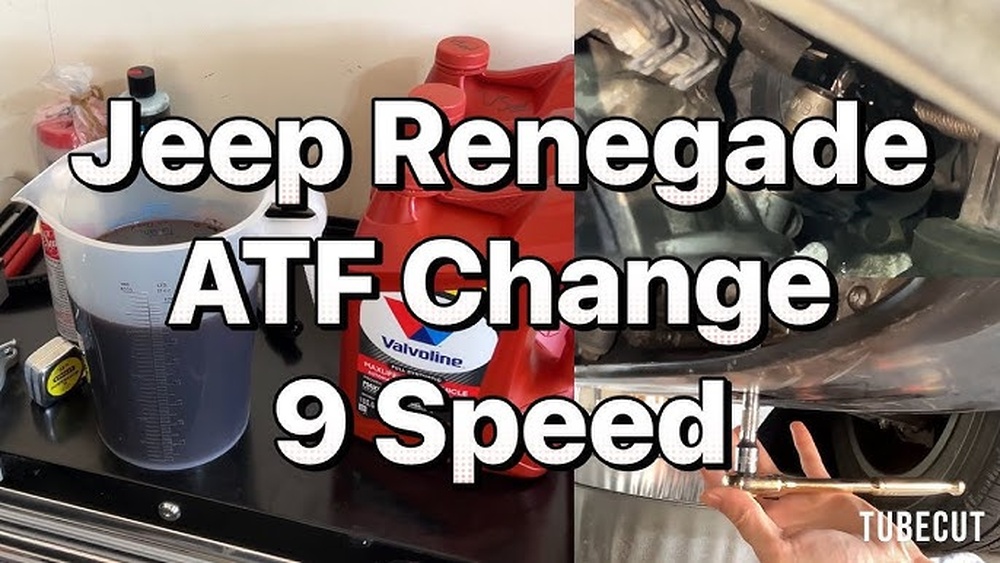
Let’s break down the main options you’ll find in recent models:
- 9-speed automatic transmission: Most Renegades sold in the U.S. with the 2.4L engine use a 9-speed automatic. This is a conventional torque-converter automatic, not a CVT.
- 6-speed manual transmission: Some early base models, especially with smaller engines, offer a 6-speed manual.
- 6-speed dual-clutch automatic: In some international markets, Renegades with the 1.4L turbo engine have a 6-speed dual-clutch automatic.
A CVT (continuously variable transmission) is not part of the Renegade’s lineup. Jeep has chosen traditional automatics for smoother performance, especially in challenging conditions.
Why Doesn’t Jeep Use A Cvt In The Renegade?
CVTs are common in many small SUVs for better fuel economy. So why did Jeep skip it? There are a few reasons:
- Off-road strength: Jeep’s image is tied to off-road ability. Conventional automatics handle rough terrain and towing better than most CVTs.
- Driver experience: Many drivers dislike the “rubber band” feel of CVTs. Jeep wants Renegade owners to enjoy a more connected driving experience.
- Durability: Traditional automatics, especially the 9-speed, are proven tough for both city and light off-road use.
While some competitors use CVTs, Jeep sticks with transmissions that match its adventurous brand.
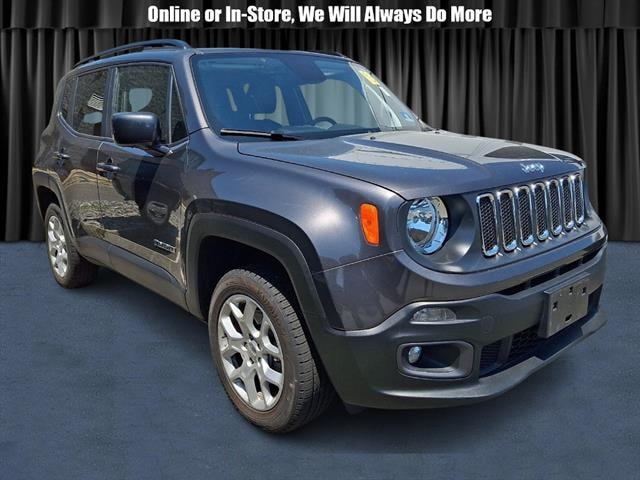
Renegade Transmission By Model Year
It helps to see how the Renegade’s transmission offerings have changed. Here’s a summary for U.S. models:
| Model Year | Engine | Transmission |
|---|---|---|
| 2015-2018 | 1.4L Turbo | 6-speed manual or 6-speed dual-clutch automatic |
| 2015-2023 | 2.4L Tigershark | 9-speed automatic |
| 2019+ | 1.3L Turbo | 9-speed automatic |
No model year has ever featured a CVT in the United States.
What Is A Cvt And How Does It Compare?
A CVT is a type of automatic transmission that doesn’t use fixed gears. Instead, it uses a belt and pulleys to provide an infinite range of ratios. This can improve fuel economy and give very smooth acceleration. However, CVTs often have a “droning” sound and can feel less engaging to drive.
Here’s a quick comparison between a CVT and the 9-speed automatic used in the Renegade:
| Feature | CVT | 9-Speed Automatic |
|---|---|---|
| Smoothness | Very smooth, no shift shock | Smooth, but you feel shifts |
| Driver Engagement | Less engaging | More engaging, manual mode |
| Off-road Performance | Not ideal for heavy use | Handles rough terrain better |
| Fuel Economy | Often higher | Competitive, but sometimes lower |
For city driving, a CVT can be nice. But for Jeep’s brand and the Renegade’s mission, the 9-speed offers the right mix.
Fuel Economy: Does Transmission Type Matter?
Transmission plays a big role in how far you can go on a gallon of gas. Here’s how the Renegade compares to popular rivals:
| Model | Engine | Transmission | City MPG | Highway MPG |
|---|---|---|---|---|
| Jeep Renegade | 1.3L Turbo | 9-speed automatic | 22 | 30 |
| Honda HR-V | 2.0L | CVT | 26 | 32 |
| Nissan Rogue Sport | 2.0L | CVT | 25 | 32 |
As you see, Renegade’s fuel economy is slightly lower than the CVT-equipped rivals. That’s a trade-off for better off-road ability and a more traditional feel.
Real-world Maintenance And Ownership
One thing beginners miss is the long-term cost of different transmissions. CVTs can be more expensive to repair if they fail, and they sometimes wear out faster under heavy use. The Renegade’s 9-speed automatic has had some early reliability complaints, but most issues were fixed after 2017.
If you plan to keep your Renegade for many years, regular transmission service is key. Jeep recommends changing the fluid every 60,000 miles for the best lifespan.
Another tip: Always use the transmission recommended by Jeep in your model year. Swapping for a different type is costly and rarely worth it.
Are There Any Exceptions Globally?
While the U. S. Renegade never used a CVT, some regions have different engine and transmission combinations. For example, in Brazil and some Asian markets, you might find a Renegade with a 6-speed automatic or dual-clutch, but still not a CVT.
Always check your local Jeep website or dealer for the exact specs.
Who Should Consider The Renegade’s Transmission?
If you:
- Want a small SUV with true Jeep character
- Value off-road ability or winter driving confidence
- Prefer a more connected feel when driving
The Renegade’s traditional automatic is a solid choice. But if top fuel economy and smoothness are your only priorities, a CVT-equipped rival might fit better.