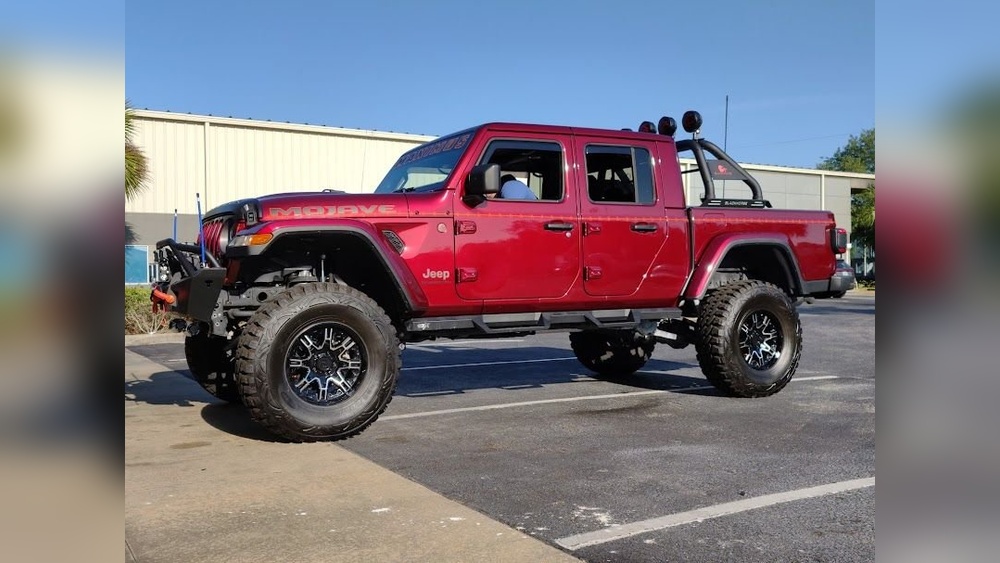
Many Jeep Wrangler owners love their vehicles for rugged capability. These SUVs handle tough trails, deep mud, and rocky slopes.
But winter brings a different challenge: snow and ice. If you drive a Jeep Wrangler in cold regions, you may wonder if snow chains are necessary.
Let’s explore the facts, practical advice, and real-world data so you can make a smart decision.
Understanding Jeep Wrangler’s Winter Performance
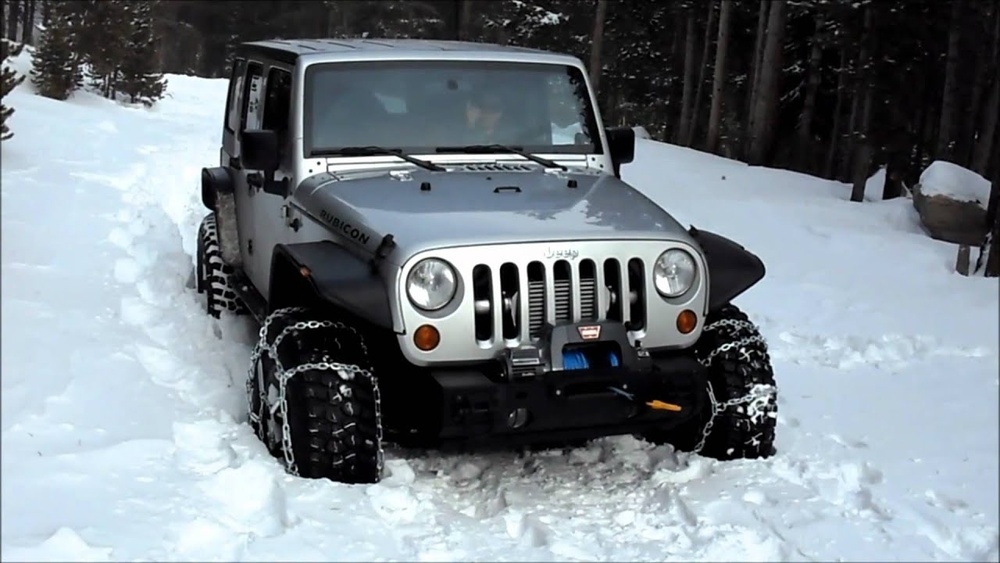
Jeep Wranglers come with 4WD (four-wheel drive) and high ground clearance. These features help on slippery surfaces. The Wrangler’s tires often have aggressive tread patterns for off-road grip. However, not all Wranglers are equal. Standard tires are not always designed for deep snow or icy roads.
According to a 2022 AAA study, vehicles with all-wheel drive or 4WD reduce crash risk in snow by about 10%. Yet, tire type matters more than drivetrain. An all-terrain tire may struggle against icy patches, while dedicated winter tires improve traction.
When Are Snow Chains Needed?
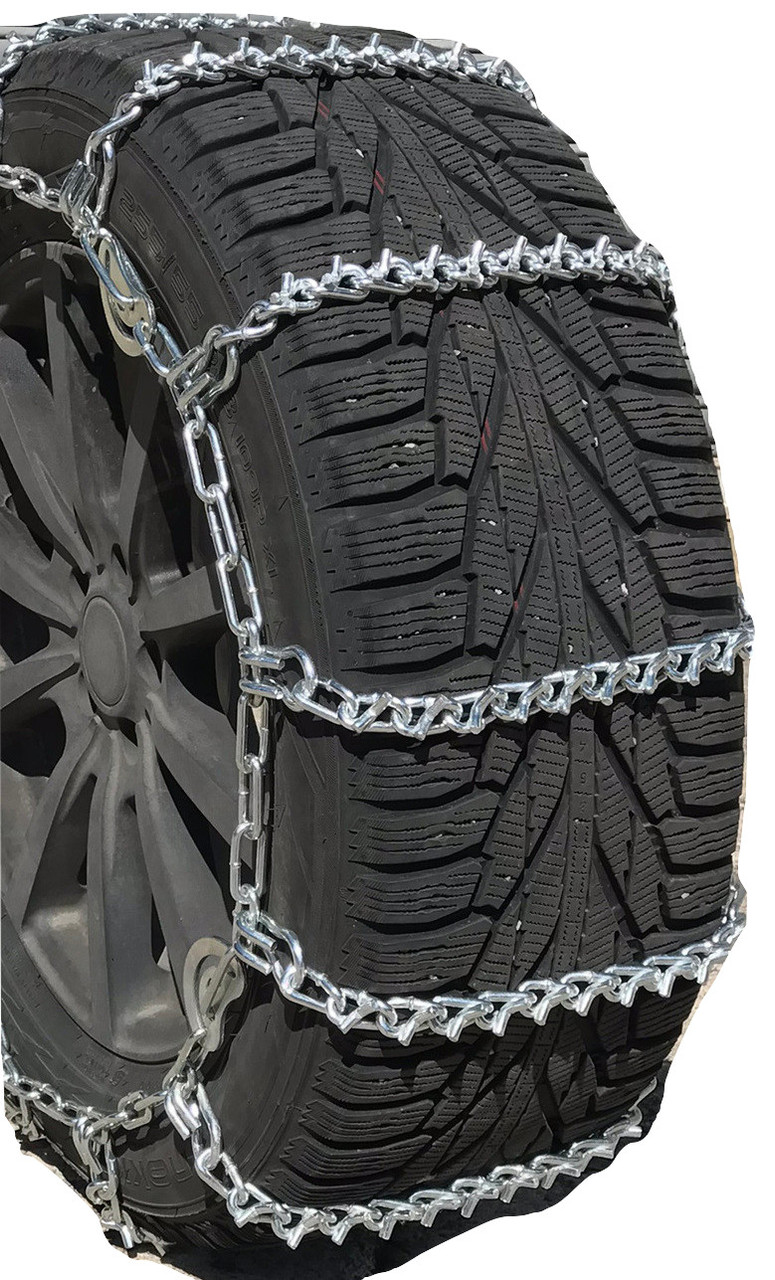
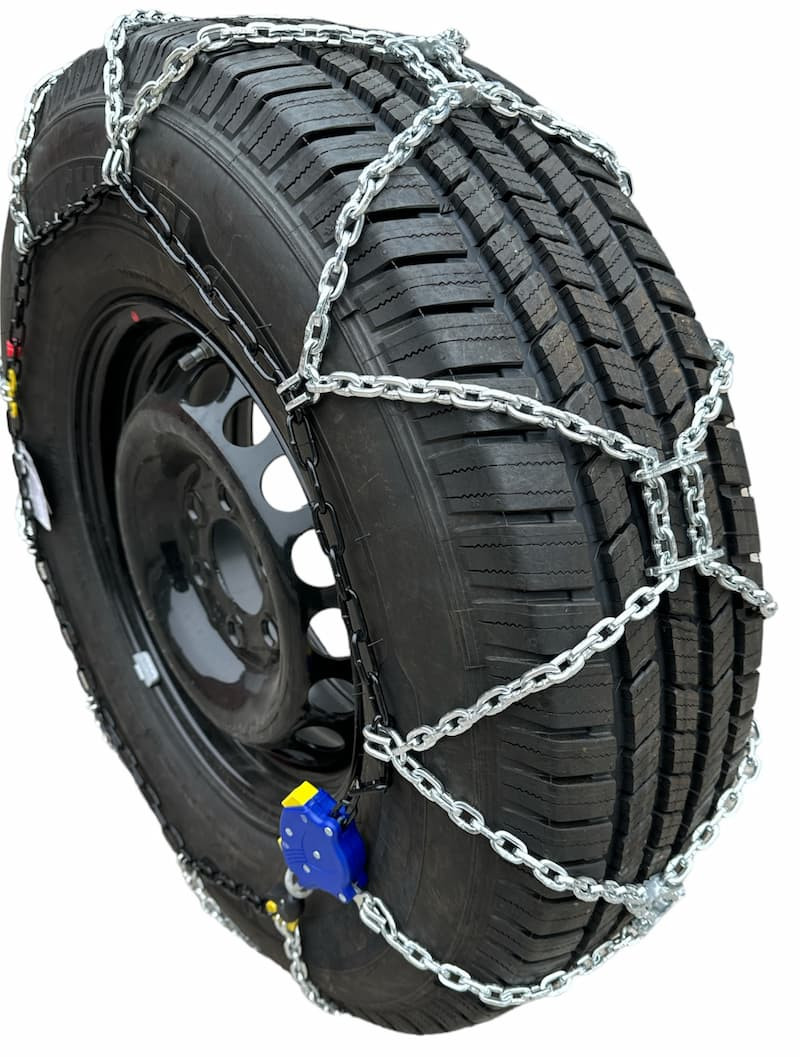
Snow chains are metal links fitted around tires for extra grip. They bite into packed snow and ice. Wranglers don’t always need them, but some situations demand chains:
- Legal requirements: Many mountain passes in states like California, Colorado, and Washington require snow chains during storms, even for 4WD vehicles.
- Extreme conditions: Deep, icy snow, steep inclines, or remote roads where plows rarely visit.
- Tire limitations: If your Wrangler has summer or all-terrain tires, chains can help when tread is not enough.
Here’s a quick comparison of tire setups in winter:
| Setup | Traction in Snow | Legal Compliance |
|---|---|---|
| All-terrain tires (no chains) | Moderate | May not meet chain laws |
| Winter tires (no chains) | High | Often allowed, check local rules |
| All-terrain tires with chains | Very high | Meets most laws |
Pros And Cons Of Using Snow Chains On Jeep Wrangler
Snow chains are powerful, but not always convenient. Let’s review the main advantages and drawbacks:
Advantages
- Enhanced traction: Chains grip icy roads, improving safety and control.
- Legal compliance: You avoid fines or being turned away at checkpoints.
- Confidence: Driving with chains reduces stress in harsh winter storms.
Drawbacks
- Speed limits: Chains restrict your speed, usually to under 30 mph.
- Installation time: Fitting chains can be tough, especially in freezing weather.
- Risk of damage: Incorrect installation can harm tires, wheels, or even the Wrangler’s body.
A 2023 study by the National Highway Traffic Safety Administration (NHTSA) showed that vehicles with snow chains had 45% fewer accidents in severe winter storms compared to those without.
How To Choose And Use Snow Chains For Jeep Wrangler
Not all chains fit every Wrangler. Here are key steps to follow:
- Check tire size: Wranglers use different tire sizes, often 255/75R17 or 245/75R16.
- Buy chains designed for SUVs: Use chains rated for your tire size and vehicle weight.
- Practice at home: Try installing your chains before you need them. Practice makes it easier in cold conditions.
- Follow manufacturer instructions: Some chains require tensioners or specific placement.
- Drive carefully: With chains, avoid sudden turns and keep speeds low.
Here’s a data comparison of popular chain types:
| Chain Type | Ease of Installation | Traction | Durability |
|---|---|---|---|
| Standard link chains | Moderate | High | Long-lasting |
| Cable chains | Easy | Medium | Shorter lifespan |
| Automatic tension chains | Easy | High | Medium |
Tips For Safe Winter Driving In A Jeep Wrangler
Even with a Wrangler, winter roads require caution. Follow these tips:
- Always carry snow chains if traveling to mountain regions.
- Use winter tires for daily driving in snowy climates.
- Keep emergency gear: Blanket, shovel, flashlight, and food.
- Check weather and road conditions before your trip.
- Don’t rely on 4WD alone; tires and chains matter most.
A common mistake is assuming a Jeep Wrangler can handle any snow without help. In reality, even tough vehicles struggle with ice. Chains can be a lifesaver when traction disappears.
Real-world Example
In 2021, a group of Jeep Wrangler owners in Colorado tried crossing Rabbit Ears Pass during a snowstorm. Some had only all-terrain tires.
Others used chains on all four wheels. The group with chains made it through, while those without slid off the road and needed towing.
This shows that even Wranglers benefit from chains in harsh conditions.
Another insight: snow chains are not just for deep snow. They are most useful on packed ice, where even 4WD and winter tires can slip. Many drivers ignore this and underestimate icy surfaces.
Frequently Asked Questions
Do All Jeep Wranglers Need Snow Chains In Winter?
No. Many Wranglers handle mild snow with winter tires. But chains are needed in deep snow, ice, or where laws require them.
Can I Use Snow Chains On Only Two Wheels?
Yes, but for best results, use chains on all four wheels. If you must choose, install on the rear wheels for rear-wheel drive, or front wheels for front-wheel drive.
Will Snow Chains Damage My Jeep Wrangler?
Chains won’t harm your Jeep if fitted correctly. Always follow instructions and avoid driving fast or on bare pavement.
Are Snow Chains Better Than Winter Tires?
Chains give more grip on ice and deep snow, but winter tires work well for everyday cold-weather driving. Using both is safest in extreme conditions.
Where Can I Find Reliable Snow Chains For Jeep Wrangler?
Trusted brands like Peerless and Thule offer quality chains. For more info on snow chain laws and types, visit Wikipedia.
Choosing whether to use snow chains on your Jeep Wrangler depends on conditions, tire type, and local regulations. Chains are a smart backup for winter trips in tough regions.
If you drive where snow and ice are serious, having chains ready can make all the difference.
Stay safe, prepare well, and enjoy the winter roads in your Wrangler.