Jeep vehicles have a strong reputation for durability and off-road ability. If you own a Jeep or plan to work on one, you might wonder: Does Jeep use metric or standard (SAE) measurements for bolts, nuts, and parts?
This question is important because using the wrong tools can damage fasteners or make a repair much harder. Let’s look at which measurement system Jeep uses, how this has changed over the years, and what you need to know before grabbing your toolbox.
Jeep’s History With Metric And Standard
Jeep’s story starts in the 1940s with the Willys MB, the original military Jeep. At that time, almost all U.S.-built vehicles used standard (SAE) sizes for bolts and nuts. SAE stands for Society of Automotive Engineers, and these measurements are in inches and fractions of an inch.
As the Jeep brand moved through different owners and as the auto industry became global, things changed. In the late 1970s and especially after the 1980s, Jeep began to use more metric fasteners, following global trends and regulatory standards.
Ownership And Manufacturing Influence
Different owners made their mark on Jeep:
- American Motors Corporation (AMC) owned Jeep from 1970–1987. AMC started using more metric parts in the late ‘70s.
- Chrysler took over in 1987. By this time, most new Jeeps used metric hardware.
- Fiat Chrysler Automobiles (FCA) and now Stellantis continued this trend, making modern Jeeps almost entirely metric.
Older Jeeps (before the 1980s) are mostly SAE. Most Jeeps from the late 1980s onward use metric, but there are some exceptions and overlaps.
Which Jeeps Use Metric Or Standard?
The change from standard to metric happened over many years, not all at once. Here’s a summary of what most Jeep owners can expect:
| Jeep Model/Year | Main System Used | Notes |
|---|---|---|
| 1940s–1970s (CJ, Willys) | Standard (SAE) | Almost all hardware is SAE |
| 1980s (CJ7, Cherokee XJ, Grand Wagoneer) | Mixed | Some metric, some SAE |
| Late 1980s–Present (Wrangler YJ, TJ, JK, JL, Cherokee XJ, Grand Cherokee ZJ/WJ/WK) | Mostly Metric | Some legacy SAE fasteners remain |
Most modern Jeeps (Wrangler JK, JL, Gladiator, Grand Cherokee) are almost fully metric. However, if you work on older models like the CJ or early Cherokee, you will need standard wrenches and sockets.
Why Did Jeep Switch To Metric?
There are a few reasons for the change:
- Global Standards: The auto industry moved to metric to match international suppliers and partners. Metric fasteners are used worldwide.
- Simplification: Using only one system makes manufacturing and repairs simpler.
- Regulations: After the 1970s, U.S. regulations pushed manufacturers toward metric to match global safety and trade rules.
One non-obvious detail is that even in the late 1980s and early 1990s, Jeep sometimes used both systems in the same vehicle. For example, you might find SAE hardware on the driveshaft but metric bolts on the engine.
What Tools Do You Need For Jeep Repair?
A common mistake is to assume you only need one type of tool. In reality, if you own a Jeep from the 1980s or 1990s, you’ll need both metric and SAE tools. Here’s a quick comparison of the most common socket and wrench sizes used:
| Standard (SAE) | Metric | Common Jeep Use |
|---|---|---|
| 1/2″ | 13mm | Body bolts, brackets (older models) |
| 9/16″ | 14mm/15mm | Suspension, engine mounts |
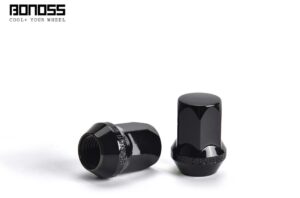
| 3/4″ | 19mm | Wheel lugs, major bolts |
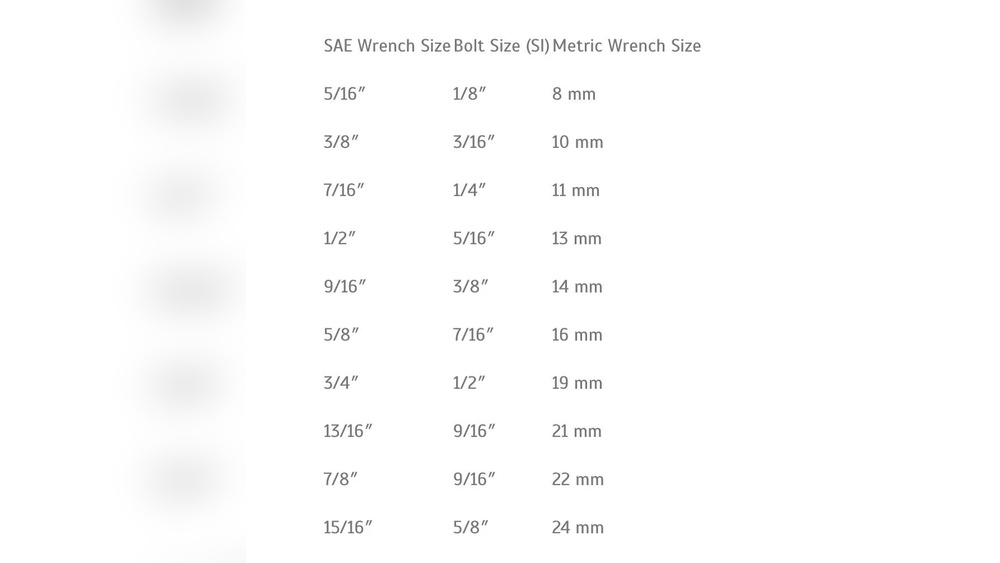
Some metric and SAE sizes are very close. For instance, a 19mm wrench and a 3/4″ wrench fit many of the same bolts, but using the exact match is always safer.
Essential Tools For Jeep Owners
If you want to be ready for most repairs, keep these tools on hand:
- Full metric socket and wrench set (8mm–19mm)
- Full SAE socket and wrench set (1/4″–3/4″)
- Torx bit set (especially for Wranglers, which use Torx screws in many places)
- Breaker bar and extensions
Practical Tips For Working On Your Jeep
Many beginners overlook a few important points:
- Always try the correct size first. Don’t force a metric wrench on an SAE bolt or vice versa.
- Torx fasteners are common on Jeep Wranglers (doors, seat mounts, roll bars).
- Some aftermarket parts (like suspension kits) may use either system, depending on the manufacturer.
- If you’re unsure, check your Jeep’s service manual—it usually lists the correct sizes.
A surprising fact: certain specialty bolts, like those in the driveshaft or transfer case, can still be SAE even in 1990s models. It’s wise to keep both tool sets in your garage or trail kit.
Real-world Example: 2005 Jeep Wrangler Tj
The 2005 Jeep Wrangler TJ is a popular model among off-road fans. It uses mostly metric bolts (13mm, 15mm, 18mm are common), but the rear driveshaft still uses 5/16″ SAE bolts. This mix can surprise new Jeep owners and lead to stripped heads if the wrong tool is used.
How To Identify Bolt Types On Your Jeep
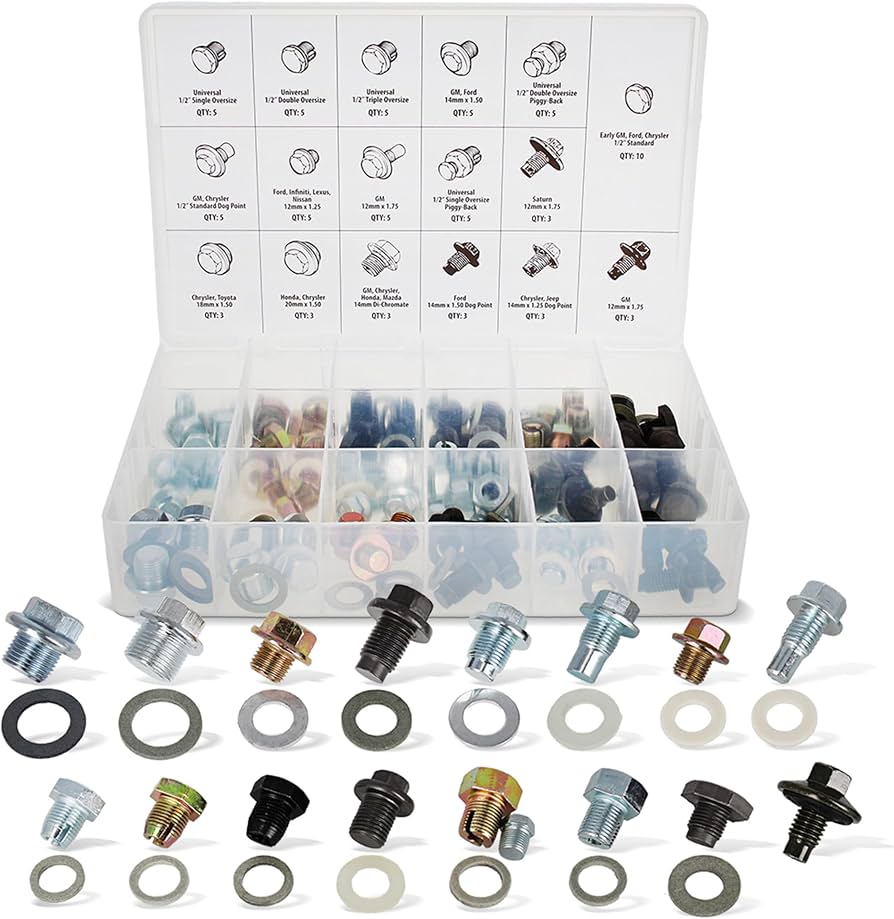
If you see a bolt and aren’t sure if it’s metric or standard, try these steps:
- Look for markings—metric bolts usually have numbers like 8.8 or 10.9 on the head. SAE bolts have lines (3 lines = Grade 5, 6 lines = Grade 8).
- Test fit with both a metric and SAE wrench.
- Check your vehicle’s manual or a trusted Jeep forum for details.
It’s easy to think all bolts on a newer Jeep are metric, but cross-checking avoids mistakes.
Frequently Asked Questions
Is My Jeep All Metric Or All Standard?
Most Jeeps made after the late 1980s use mainly metric hardware. However, some older designs or parts may still use SAE sizes, especially on Jeeps from the 1980s and early 1990s.
Can I Use Metric Tools On Standard Bolts?
Sometimes, but it’s not recommended. Some metric wrenches are close in size to SAE, but not exact. Using the wrong tool can round off or strip the bolt head.
Which Jeep Models Are Completely Metric?
Wrangler JK (2007–2018), JL (2018–present), and most Grand Cherokees after 1993 are almost fully metric. Early Wranglers and Cherokees (before 1987) still have many SAE bolts.
What Size Are Jeep Wheel Lug Nuts?
Most modern Jeeps use 19mm or 21mm metric lug nuts. Older models may use 3/4″ SAE. Always check your owner’s manual to be sure.
Where Can I Find More Info About Jeep Hardware?
You can learn more from the official Jeep Wikipedia page or by checking your Jeep’s factory service manual.
Jeep vehicles have a unique history, and their use of metric or standard hardware reflects that. If you plan to work on your Jeep, having both metric and SAE tools is the best way to stay prepared.
Knowing when and why Jeep switched systems can save you time, frustration, and even money on repairs.