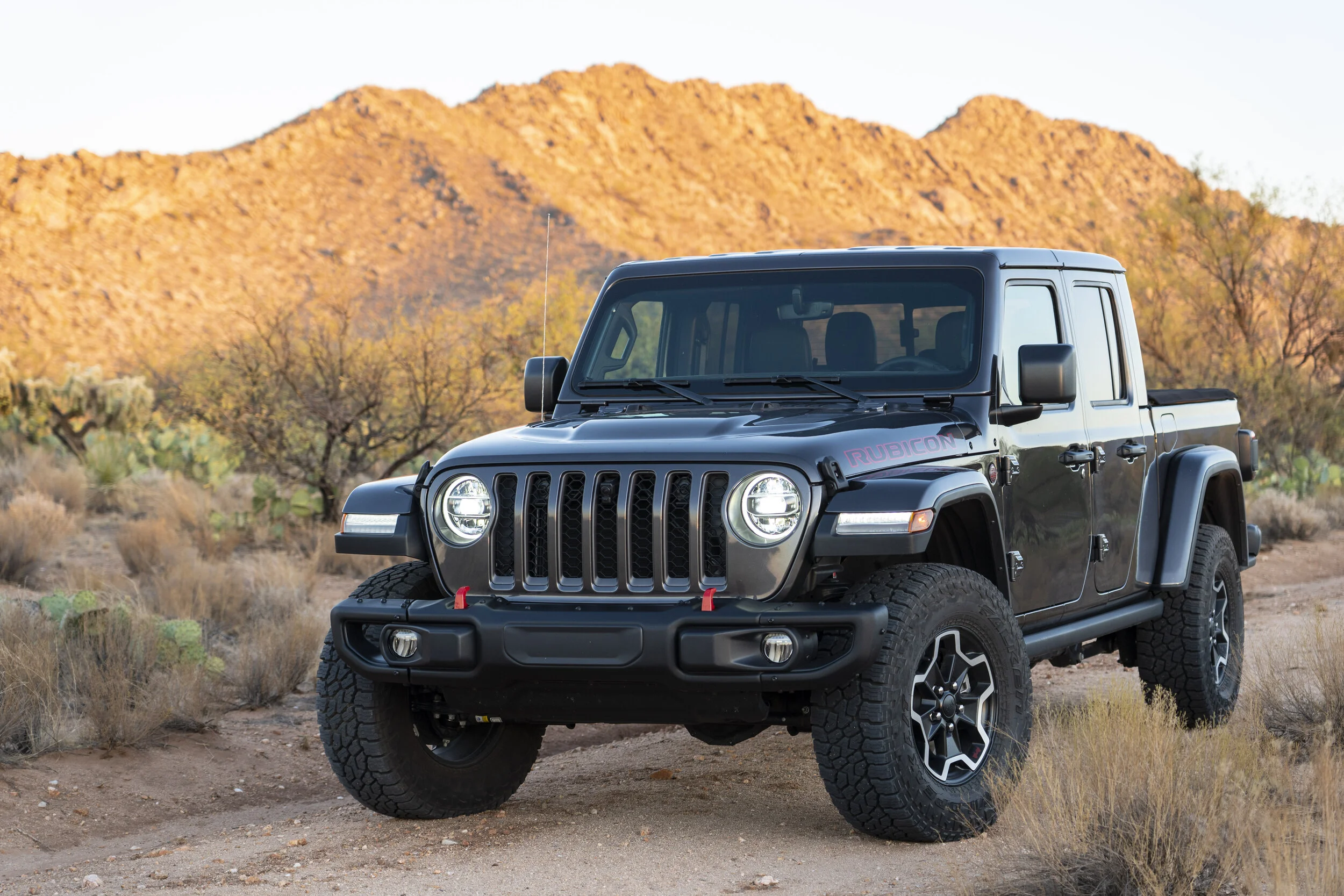
The Jeep Gladiator has captured the attention of truck lovers since its debut. Known for its rugged style and off-road skills, it naturally raises a question for many buyers: Does the Jeep Gladiator come in diesel? The answer is yes, but there are important details that buyers should know before making a decision. This guide will help you understand the diesel option for the Jeep Gladiator, compare it to the gasoline version, and highlight the pros and cons of choosing diesel.
Jeep Gladiator Engine Options
The Jeep Gladiator has offered several engine options since its launch, but not all are available every year. Understanding these choices can help you pick the right truck for your needs.
Gasoline Engines
Most Gladiators on the road use the 3.6-liter Pentastar V6 gasoline engine. This engine delivers about 285 horsepower and 260 lb-ft of torque. It is well-known for reliability and is used in other Jeep models.
Diesel Engine
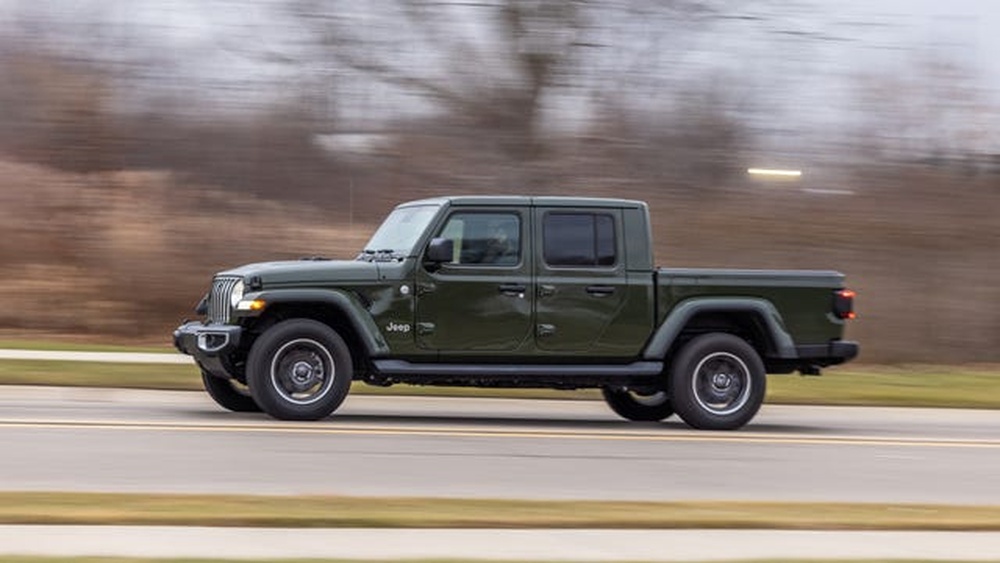
Starting in the 2021 model year, Jeep introduced a 3.0-liter EcoDiesel V6 as an option on certain Gladiator trims. Here are the key specs:
- Power: 260 horsepower
- Torque: 442 lb-ft
- Transmission: 8-speed automatic
- Fuel Economy: Up to 24 mpg combined (EPA estimate)
The high torque is especially useful for towing and off-roading.
Diesel Vs Gasoline: Key Differences
Choosing between diesel and gasoline is a big decision. Here’s a side-by-side comparison to make it easier.
| Feature | Gasoline (3.6L V6) | Diesel (3.0L EcoDiesel V6) |
|---|---|---|
| Horsepower | 285 hp | 260 hp |
| Torque | 260 lb-ft | 442 lb-ft |
| Fuel Economy (Combined) | 19 mpg | 24 mpg |
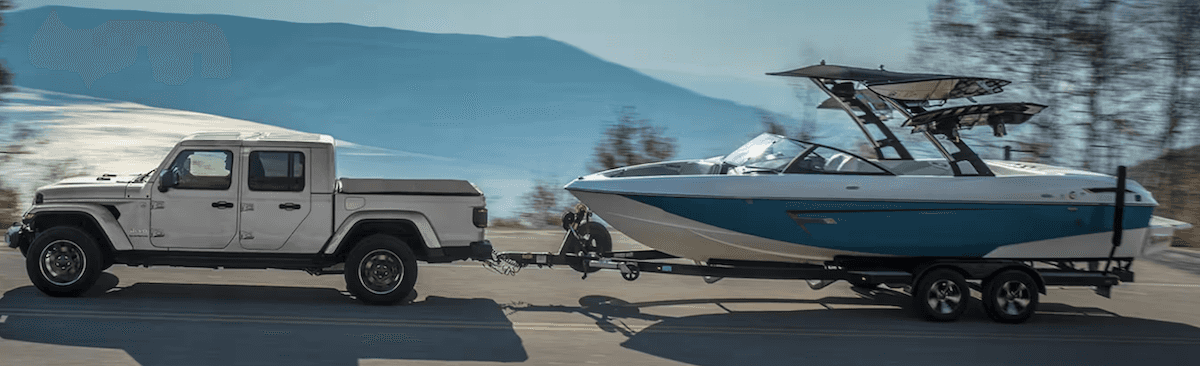
| Towing Capacity | Up to 7,700 lbs | Up to 6,500 lbs |
Two non-obvious insights:
- The diesel’s lower towing capacity surprises some buyers—gasoline Gladiators can tow more.
- The diesel is heavier, which can change handling on the road, especially when the truck bed is empty.
Which Gladiator Trims Offer Diesel?
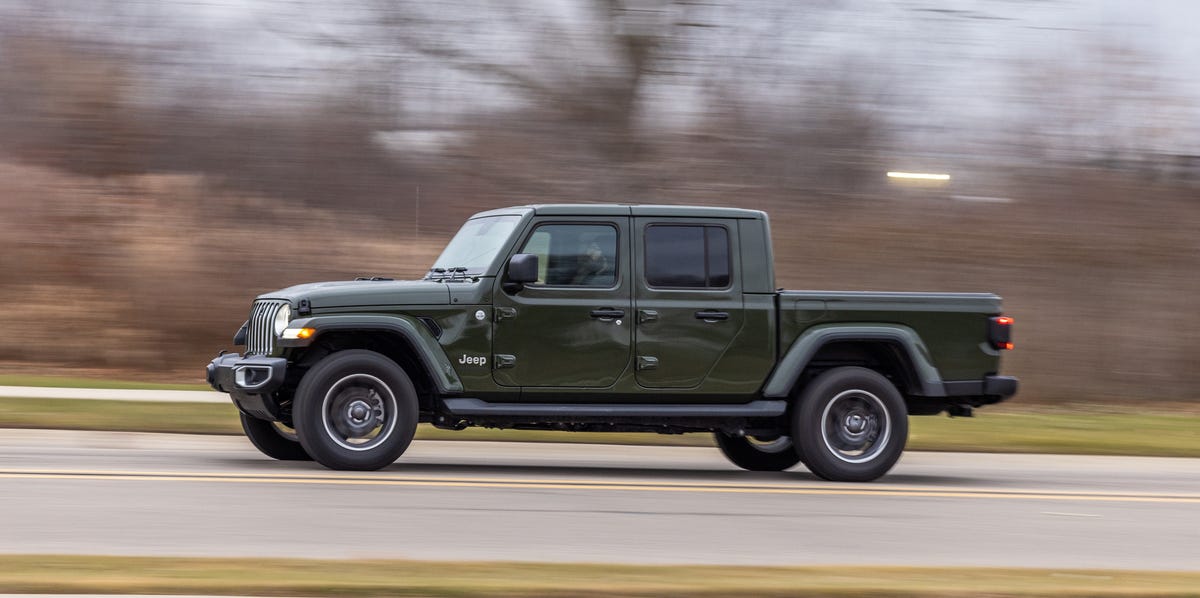
Not every Gladiator trim can be ordered with the diesel engine. As of the latest model years, these trims support the EcoDiesel V6:
- Sport
- Overland
- Rubicon
- Mojave (some years)
Entry-level trims and special editions may not always have the diesel option.
Pros And Cons Of The Diesel Gladiator
A diesel engine brings unique strengths, but also some drawbacks. Here’s a quick overview:
| Pros | Cons |
|---|---|
|
|
Many buyers expect a diesel truck to have higher towing numbers, but the Gladiator’s diesel version is tuned more for torque at low speeds than for raw towing power.
Practical Uses: Who Should Choose Diesel?
The diesel Gladiator is a smart choice if you:
- Drive long distances often
- Spend time off-road and need more torque
- Prefer fewer gas station stops
However, if most of your trips are short or you mainly use your truck in the city, the gasoline version is often a better fit. Diesel engines can take longer to warm up, and frequent short drives may lead to higher maintenance needs.
Cost Of The Diesel Option
Adding the diesel engine to your Gladiator will increase the truck’s price by about $4,000 to $6,000 over a similar gasoline model. This cost varies by trim and options.
You’ll also pay more for:
- Diesel fuel, which can be more expensive
- Oil changes and service, since diesel engines need special care
- DEF (Diesel Exhaust Fluid), which must be refilled regularly for emissions control
These costs can add up over time, so factor them into your buying decision.
Real-world Feedback: What Owners Say
Many Jeep Gladiator diesel owners praise the engine’s smooth power delivery and ability to handle steep hills or heavy loads with ease. The extra torque makes a big difference off-road, especially when crawling over rocks or muddy trails.
However, some owners find that city drivers won’t notice much benefit from diesel. The added cost isn’t always worth it if you mostly drive in stop-and-go traffic.
A few owners have also noted that the diesel engine is a bit noisier, and the truck feels heavier compared to the gasoline version.
Is The Diesel Gladiator Still Available?
Jeep updates its lineup often, and engine options can change. As of early 2024, the EcoDiesel V6 is still available for the Gladiator in the US.
However, there are rumors that Jeep may phase out diesel engines in the next few years as emissions rules become stricter and more buyers look at hybrid or electric trucks.
If you want a Jeep Gladiator diesel, consider buying soon, as the option may not be around forever. For the latest details, check the official Jeep Gladiator page.
Frequently Asked Questions
Is The Jeep Gladiator Diesel Good For Towing?
The diesel Gladiator can tow up to 6,500 pounds, which is less than the gasoline version. It’s strong for off-roading and pulling medium loads, but not the best choice for maximum towing.
How Does Fuel Economy Compare Between Diesel And Gas Gladiators?
The diesel Gladiator gets about 24 mpg combined, while the gasoline version averages around 19 mpg. Diesel gives you a longer range per tank, especially on highways.
Does The Diesel Engine Require Special Maintenance?
Yes, the EcoDiesel engine needs special oil, regular DEF refills, and sometimes extra care for emission controls. Maintenance costs are usually higher than for gasoline engines.
Is The Diesel Gladiator Loud?
The diesel engine is slightly louder than the gasoline engine, especially at low speeds or when cold. Most owners find the sound adds character, but it’s a personal preference.
Will Jeep Stop Making The Diesel Gladiator Soon?
There are reports that Jeep may end diesel engine production for the Gladiator in the next few years. If you want one, check with your dealer soon, as availability may change quickly.
Whether you choose the diesel or gasoline Jeep Gladiator, both offer solid performance and the classic Jeep experience. Knowing the differences helps you pick the right truck for your needs and driving style.