Buying a vehicle for your business can be a smart move, especially when tax benefits are involved. One question often asked by small business owners and self-employed professionals is: Does a Jeep Wrangler qualify for Section 179?
This tax rule allows businesses to deduct the cost of certain equipment—including vehicles—from their taxable income. If you’re thinking about using a Jeep Wrangler for work, it’s important to understand how Section 179 works, the specific rules for vehicles, and what you need to qualify.
What Is Section 179?
Section 179 is a section of the IRS tax code. It lets businesses deduct the full purchase price of qualifying equipment and vehicles purchased or financed during the tax year. Instead of writing off small amounts over several years (depreciation), you can deduct the entire amount right away, up to certain limits.
For 2023, the Section 179 deduction limit is $1,160,000. The total equipment purchase limit is $2,890,000. These numbers change yearly, so always check the latest IRS guidelines.
Can A Jeep Wrangler Qualify?
The short answer is: Yes, a Jeep Wrangler can qualify for Section 179—but only if it meets certain requirements. Section 179 is designed to help businesses invest in equipment, but there are special rules for vehicles because of possible personal use.
Vehicle Weight Matters
The IRS uses a vehicle’s Gross Vehicle Weight Rating (GVWR) to decide if it qualifies. The GVWR is the maximum weight a vehicle can safely carry, including its own weight, passengers, and cargo.
- Over 6,000 pounds GVWR: Vehicles above this weight (like some pickups and large SUVs) usually qualify for the full Section 179 deduction.
- 6,000 pounds or less GVWR: These vehicles have strict limits. The maximum deduction is $12,200 for 2023 (plus bonus depreciation in some cases).
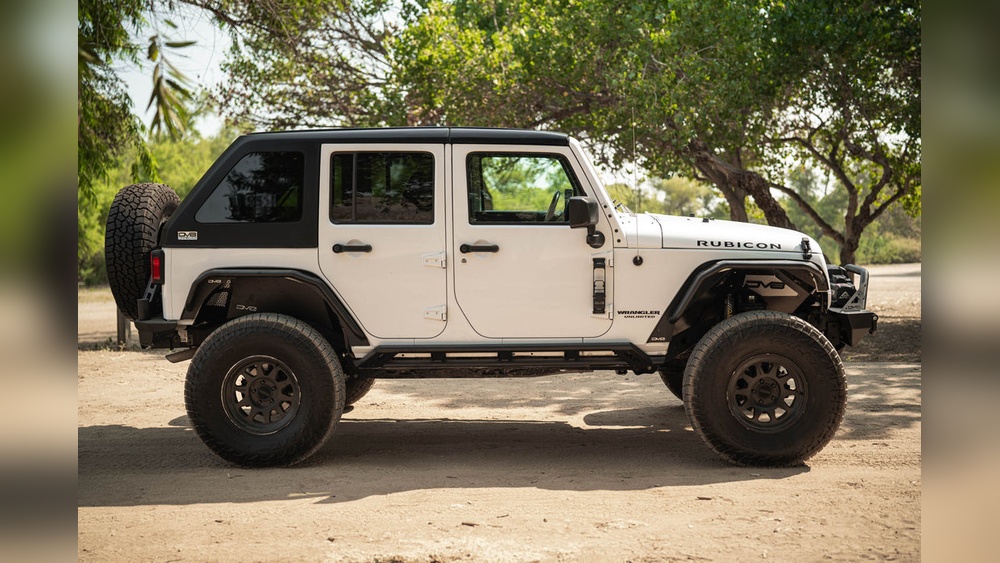
A standard Jeep Wrangler typically has a GVWR between 5,000 and 6,100 pounds, depending on the model and trim. Some 4-door or Rubicon models may just exceed 6,000 pounds. Always check the sticker on the driver’s door or the manufacturer’s website for the exact GVWR.
Qualified Business Use
To qualify for Section 179, the Jeep Wrangler must be used for business purposes at least 50% of the time. If it’s used for both personal and business, only the business portion can be deducted.
Types Of Vehicles And Irs Rules
The IRS divides vehicles into three main categories for Section 179:
- Passenger Vehicles (under 6,000 lbs GVWR): Have a low deduction limit.
- Heavy SUVs, Trucks, and Vans (over 6,000 lbs GVWR): Higher deduction cap, up to the full Section 179 amount.
- Special Purpose Vehicles: Designed for specific jobs (like ambulances or hearses), which usually qualify regardless of weight.
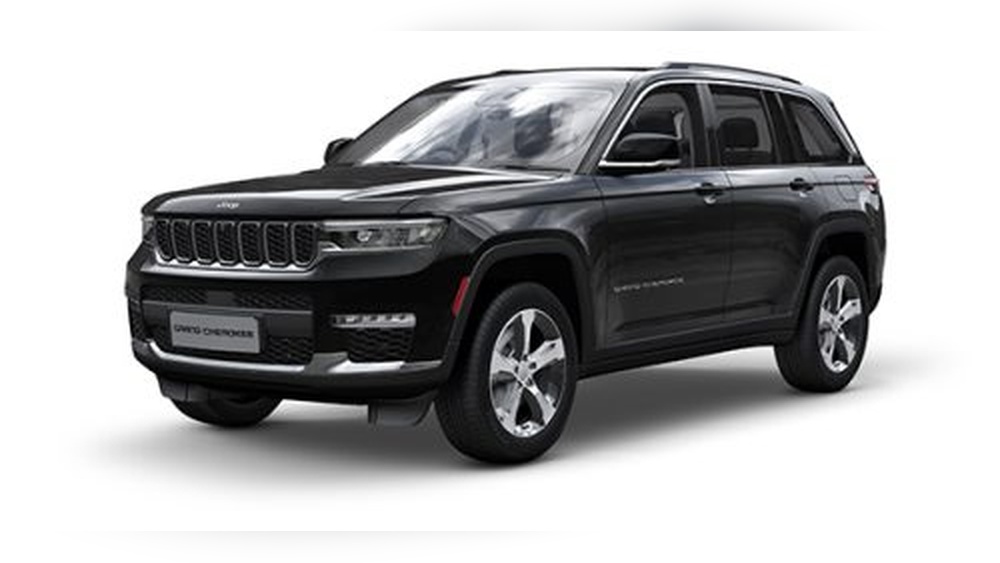
Most Jeep Wranglers are considered SUVs. If your model is over 6,000 lbs GVWR, it can qualify for a bigger deduction. If not, you’ll be limited to the lower passenger vehicle cap.
Here’s a quick comparison of deduction limits:
| Vehicle Type | GVWR | Max Section 179 Deduction (2023) |
|---|---|---|
| Passenger Car | ≤ 6,000 lbs | $12,200 |
| SUV (including Jeep Wrangler) | > 6,000 lbs | $28,900 |
| Special Purpose Vehicle | N/A | Up to $1,160,000 |
Key Steps To Qualify Your Jeep Wrangler
If you want your Jeep Wrangler to qualify for Section 179, follow these important steps:
- Check the GVWR: Make sure your Wrangler’s GVWR is over 6,000 lbs if you want the higher deduction. Look for the sticker inside the driver’s door.
- Use It for Business: Keep records showing at least 50% business use. Use a mileage log or app.
- Buy and Place in Service: The vehicle must be bought and “placed in service” (used for business) during the tax year you claim the deduction.
- Title in the Business Name: While not always required, this makes it easier to prove business use.
- Keep Good Records: Save purchase documents, financing records, and usage logs. The IRS may ask for proof.
Common Mistakes To Avoid
Many business owners miss out on deductions—or get in trouble with the IRS—due to small mistakes. Here are some to watch for:
- Assuming all Wranglers qualify: Not every Jeep Wrangler is over 6,000 lbs GVWR.
- Mixing personal and business use: If business use drops below 50%, you may lose your deduction and owe back taxes.
- Not tracking mileage: The IRS may deny your deduction if you can’t prove business use.
- Not placing the vehicle in service: You must actually use the vehicle for business in the tax year you claim the deduction.
Example: Deducting A Jeep Wrangler
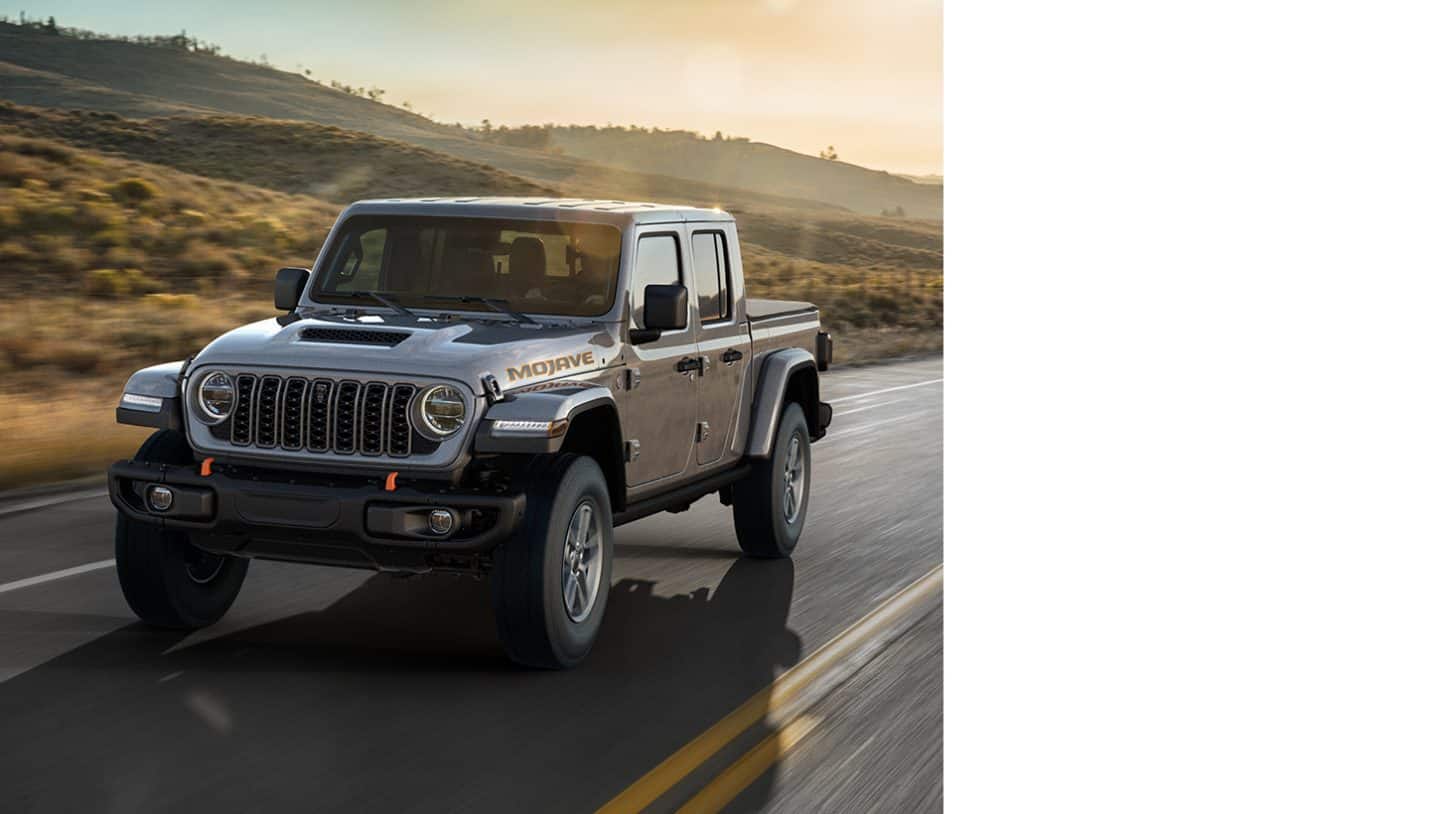
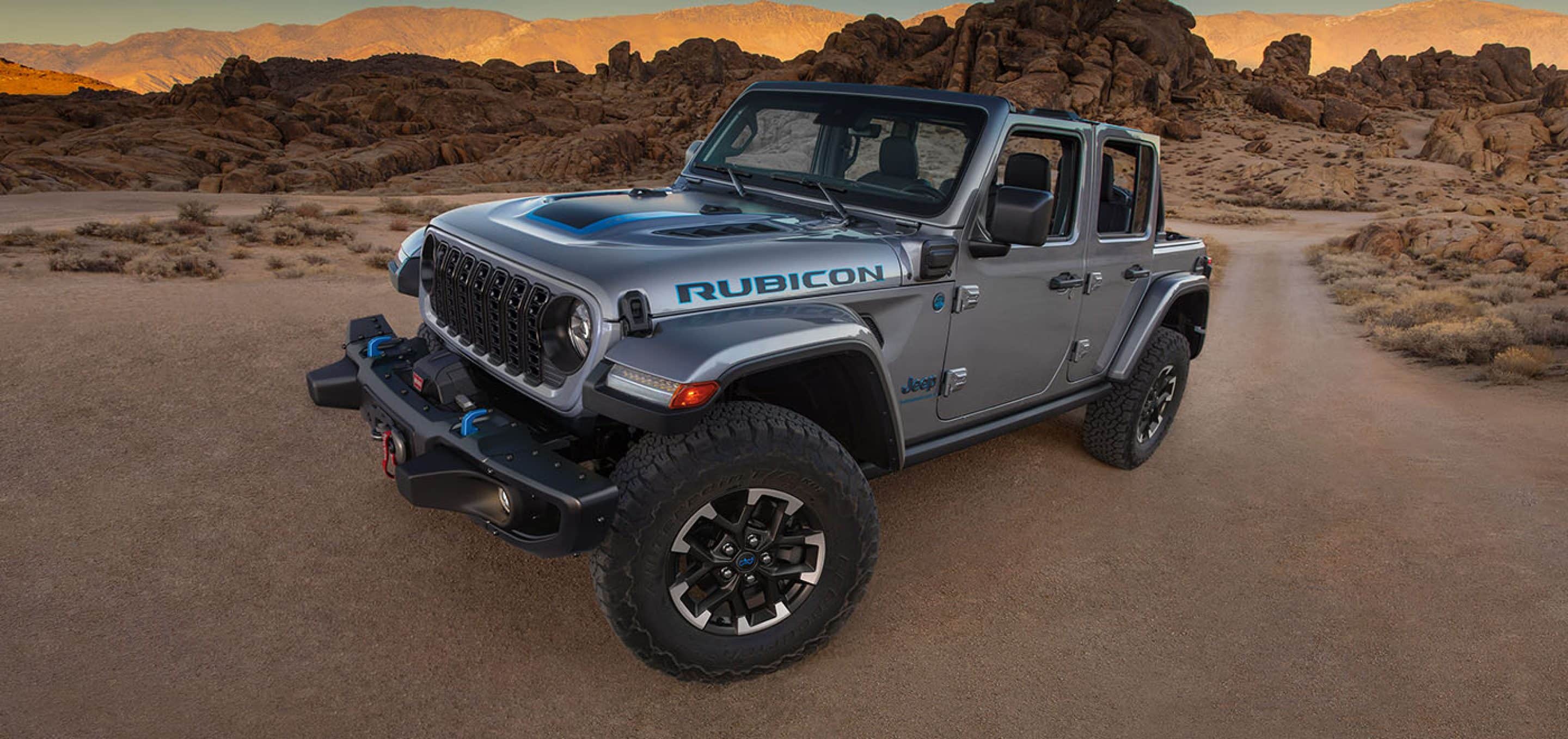
Suppose you buy a 2023 Jeep Wrangler Rubicon 4-door with a GVWR of 6,100 lbs for $60,000. You use it 80% for business. For 2023, the Section 179 SUV limit is $28,900.
- Deductible amount: $28,900 x 80% = $23,120
- Bonus depreciation: You may also claim bonus depreciation on the balance (subject to IRS rules).
This example shows why checking GVWR and tracking business use is critical.
Beyond Section 179: Bonus Depreciation
Section 179 isn’t the only tax benefit for business vehicles. Bonus depreciation lets you write off the remaining value after your Section 179 deduction. In 2023, you can claim 80% bonus depreciation, but this will decrease in future years.
Here’s how Section 179 and bonus depreciation work together for a business vehicle:
| Deduction Type | Amount (2023 Jeep Wrangler, $60,000, 80% business use) |
|---|---|
| Section 179 (SUV limit) | $23,120 |
| Bonus Depreciation (80% of remaining) | $29,504 |
| Total First-Year Deduction | $52,624 |
Two Insights Most Beginners Miss
First, many people overlook that not all Jeep Wranglers qualify for the higher deduction—weight varies by model and trim. Always check your vehicle’s specs.
Second, even if the Wrangler qualifies, business use must be over 50%, and you need to keep solid records. The IRS often audits vehicle deductions, so documentation is key.
For more details, see the official IRS Publication 946.
A Jeep Wrangler can be a fun and practical vehicle for business, and Section 179 makes it more affordable. But make sure you understand the rules so you get the full tax benefit—without unwanted surprises.
Frequently Asked Questions
What Is The Gvwr Of A Typical Jeep Wrangler?
Most Jeep Wrangler models have a GVWR between 5,000 and 6,100 pounds. Some 4-door or Rubicon models exceed 6,000 pounds, which may qualify for a larger Section 179 deduction.
Can I Deduct The Full Price Of A Jeep Wrangler?
Only if the Wrangler’s GVWR is over 6,000 lbs and you use it 100% for business. Otherwise, the deduction is limited and only the business portion is deductible.
What If I Use My Jeep Wrangler For Both Business And Personal Trips?
You can only deduct the portion used for business. For example, if you use it 70% for business, only 70% of the allowable deduction applies.
Are Leased Jeep Wranglers Eligible For Section 179?
Yes, you can claim Section 179 on leased vehicles if the lease is a “capital lease” or meets IRS criteria. Regular operating leases do not qualify.
Do I Need To Title The Vehicle In My Business Name?
It’s not required, but titling in the business name makes it easier to prove business use, especially during an IRS audit. Always keep clear records.
By knowing the rules and requirements, you can make the most of Section 179 for your Jeep Wrangler and reduce your business tax bill.