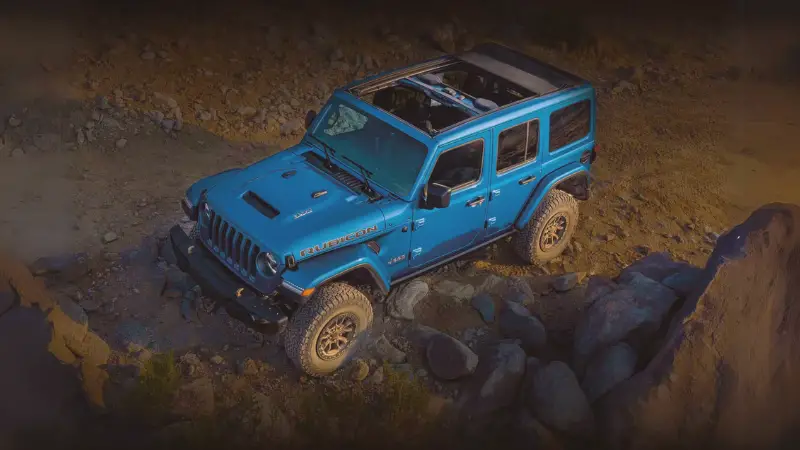
Every car owner wants to know they’re putting the right fuel in their vehicle. If you drive a Jeep Wrangler, you might wonder, “Do Jeep Wranglers take regular gas?” This is a common question, especially for new owners or those switching from other brands. Using the correct fuel isn’t just about performance—it also affects your engine’s life and your wallet. Let’s break down what you need to know about Jeep Wrangler fuel, what happens if you use the wrong type, and practical advice for your next fill-up.
Understanding Jeep Wrangler Engines And Fuel Types
The Jeep Wrangler has gone through many changes over the years, including different engines and fuel requirements. Most modern Jeep Wranglers use gasoline engines, but not all engines are the same. Here’s a simple overview of the main engine options and their recommended fuel types:
| Model Year | Engine Type | Recommended Fuel |
|---|---|---|
| 2012-2024 | 3.6L V6 (Pentastar) | Regular Unleaded (87 Octane) |
| 2018-2024 | 2.0L Turbo I4 | Premium Unleaded (91 Octane) |
| 2020-2024 | 3.0L EcoDiesel V6 | Ultra Low Sulfur Diesel |
| 2021-2024 | 6.4L V8 (Rubicon 392) | Premium Unleaded (91 Octane) |
Most Jeep Wrangler trims with the 3.6L V6 can safely use regular gas. But some models, like the 2.0L Turbo and 6.4L V8, require premium gas for best performance.
What Is “regular Gas”?
Regular gas in the US usually means 87 octane unleaded gasoline. This is the most common fuel at American stations. It’s less expensive than premium gas (91 or 93 octane) and works well for most standard engines.
Premium gas has higher octane levels, which helps certain engines avoid knocking (a harmful pinging sound). Not all vehicles need premium gas, and using it when not required doesn’t improve performance in most cases.

Which Jeep Wranglers Take Regular Gas?
Most Jeep Wrangler owners can fill up with regular gas—especially if you drive the common 3.6L V6 engine. However, newer engine options make things more complicated. Here’s a quick reference for popular engines:
| Engine | Acceptable Fuel | Must Use Premium? |
|---|---|---|
| 3.6L V6 | Regular (87 Octane) | No |
| 2.0L Turbo I4 | Premium (91 Octane) | Yes |
| 3.0L EcoDiesel | Diesel Only | Yes |
| 6.4L V8 | Premium (91 Octane) | Yes |
Non-obvious insight: Even though the 2.0L Turbo I4 can technically run on regular, Jeep strongly recommends premium for best results and to avoid engine knocking.
Why Fuel Type Matters For Your Wrangler
Choosing the right fuel is not just about saving money. Here’s why it matters:
- Engine Life: Using the wrong gas can cause knocking, which damages your engine over time.
- Performance: Premium engines tuned for higher octane will lose power and efficiency on regular gas.
- Warranty: Not following Jeep’s fuel recommendations can void your engine warranty.
Pro tip: Always check your Wrangler’s manual for the exact octane rating. Sometimes, Jeep updates requirements between model years.
What Happens If You Use The Wrong Gas?
If you accidentally use regular gas in a Wrangler that needs premium, it won’t usually destroy your engine right away. However, you might notice:
- Reduced power
- Engine knocking or pinging
- Lower fuel economy
If you put diesel into a gasoline engine or vice versa, the result can be severe damage. In this case, don’t start the engine—get the tank drained by a mechanic.
Non-obvious insight: One tank of the wrong gas is rarely fatal, but repeated use can trigger expensive repairs, especially for turbocharged engines.
How To Know Which Gas Your Wrangler Needs
The easiest way is to check:
- The owner’s manual (usually in the glove box)
- The fuel filler door (many Jeeps have a sticker or label inside)
- The dashboard information display (some models remind you at fill-up)
If you’re buying used or modified, double-check the engine type. Some older Wranglers with aftermarket turbo kits or engine swaps may need higher octane fuel.

Fuel Economy And Cost Considerations
Many buyers choose regular gas to save money. Here’s a quick look at how fuel choice affects your wallet:
| Engine | Fuel Type | Estimated MPG (City/Hwy) | Average Annual Fuel Cost (12,000 miles, 2024 prices) |
|---|---|---|---|
| 3.6L V6 | Regular | 17 / 23 | $2,800 |
| 2.0L Turbo | Premium | 21 / 24 | $3,200 |
| 3.0L EcoDiesel | Diesel | 22 / 29 | $2,500 |
| 6.4L V8 | Premium | 13 / 17 | $4,100 |
Using regular gas in the 3.6L V6 saves hundreds of dollars per year compared to premium-required engines.
Real-world Tips For Jeep Wrangler Owners
- Always check before filling up—assume nothing, especially if you’re renting or borrowing.
- Stick to the recommended octane—using higher octane than needed doesn’t give extra power.
- If you plan to tow or off-road, follow Jeep’s advice closely. Harder driving raises engine temps and can require higher octane.
- Try to fill up at busy, well-maintained stations. Their fuel is fresher and less likely to cause problems.
For official guidance, check the Jeep official website.
Frequently Asked Questions
Can I Use Regular Gas In All Jeep Wranglers?
No, only models with the 3.6L V6 (and some older engines) are designed for regular gas. Turbo and V8 engines need premium.
No harm will come to your Wrangler, but you won’t see better performance or mileage. You’ll just spend more money.
One tank usually isn’t dangerous, but repeated use can cause knocking, lower power, and long-term damage.
Not for engines designed for regular. Engines made for premium may get worse economy if you use regular instead.
Where Can I Check The Fuel Type For My Jeep Wrangler?
Check the owner’s manual, the fuel door label, or the official Jeep website for your model’s specs.
Choosing the right fuel for your Jeep Wrangler is simple once you know your engine. Most drivers can use regular gas, but some models require premium or diesel. Taking a few seconds to double-check at the pump can save you money and protect your Jeep for years to come.