When people think about buying an SUV, the Jeep Grand Cherokee often comes up. This model has been popular for years, known for its mix of off-road skill and everyday comfort. But if you plan to buy one, you might wonder: do Jeep Grand Cherokees hold their value over time? Let’s look at the facts, compare with other SUVs, and share what really matters for resale.
How Jeep Grand Cherokees Depreciate
All cars lose value as they age, but some lose less than others. Depreciation is how much a vehicle’s value drops after you buy it. On average, a new car loses about 50-60% of its value in five years. The Grand Cherokee does a bit better than some rivals, but not as well as the very top brands.
Here’s a look at the typical resale value for the Grand Cherokee:
| Year Owned | Average Value Lost | Estimated Resale Value (%) |
|---|---|---|
| 1 year | ~20% | 80% |
| 3 years | ~37% | 63% |
| 5 years | ~48% | 52% |
While the numbers are average, certain trims and engines can do better or worse. For example, limited editions or well-equipped models might hold value slightly better.
How The Grand Cherokee Compares To Other Suvs
It helps to see how the Grand Cherokee’s value stacks up next to its competition. Many buyers consider models like the Toyota 4Runner, Ford Explorer, and Chevrolet Traverse.
Here is a quick comparison:
| Model | 5-Year Depreciation (%) | Notes |
|---|---|---|
| Jeep Grand Cherokee | ~48% | Average for midsize SUVs |
| Toyota 4Runner | ~38% | Strong resale reputation |
| Ford Explorer | ~54% | Higher depreciation |
| Chevrolet Traverse | ~53% | Similar to Explorer |
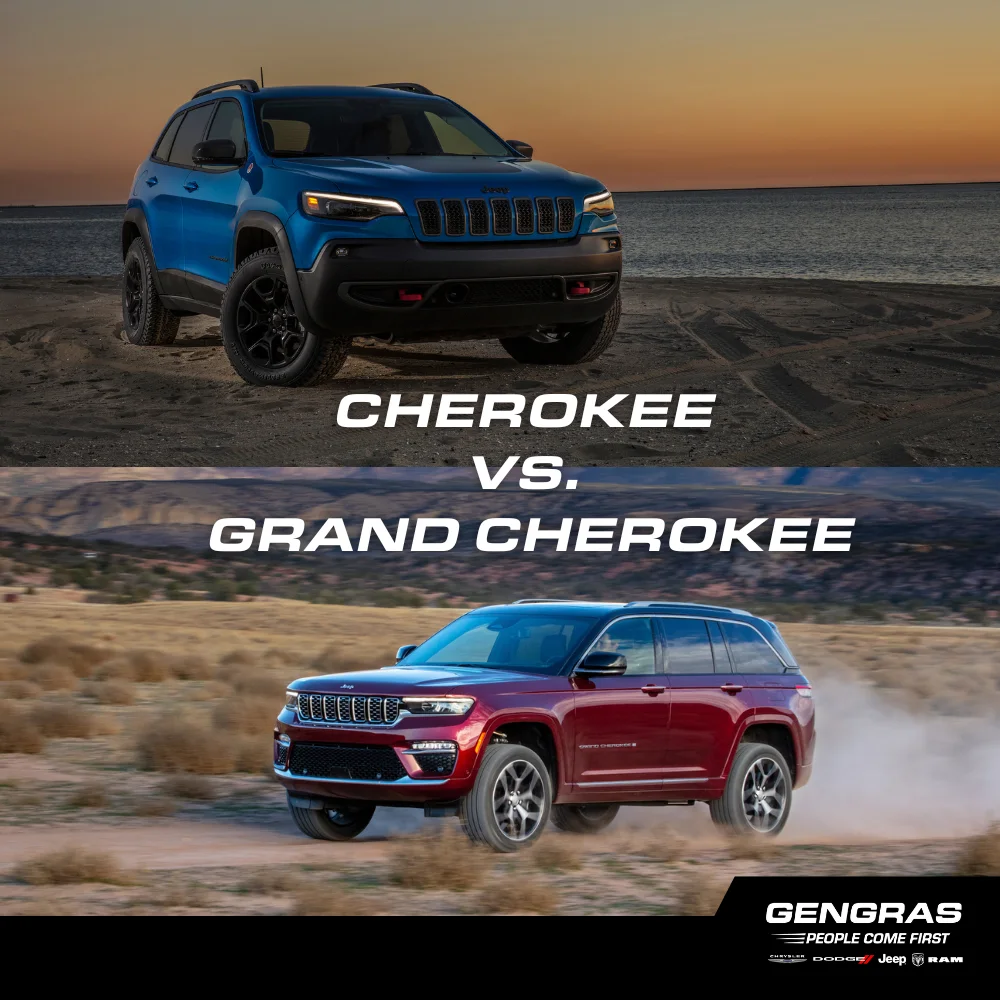
Toyota 4Runner leads in holding value, but the Grand Cherokee does better than most American-brand rivals. This matters if you plan to sell or trade your car after a few years.
What Affects The Grand Cherokee’s Resale Value?
Many factors influence how well a Grand Cherokee holds its value:
- Trim and Features: Higher trims, like the Limited or Overland, often keep value better than base models. Popular features such as leather seats or sunroofs can help.
- Mileage: Lower mileage means higher resale value. SUVs with under 60,000 miles are much more attractive to buyers.
- Condition: Clean, well-maintained vehicles always sell for more. Accidents or poor service history can drop value fast.
- Market Trends: When fuel prices are low, SUVs hold value better. If gas prices go up, demand can drop.
- Location: In some areas, 4×4 models are worth more due to weather or terrain.
A key detail many forget: special editions and rare colors sometimes do better at resale. If you choose a unique package, it may stand out in the used market.
Common Mistakes That Hurt Value
Some owners lose more money than they expect, often for avoidable reasons:
- Skipping regular maintenance: Missing oil changes or ignoring small problems can lead to bigger repairs, which lower value.
- Aftermarket modifications: Custom wheels, lifts, or non-standard parts may not appeal to all buyers. Most used car buyers prefer stock vehicles.
- Ignoring minor damage: Small dents or scratches make a car look less cared for, which makes buyers nervous.
A surprising fact: keeping all service records can boost your resale price. Buyers trust vehicles with a clear maintenance history.
Real-world Owner Experiences
Many Grand Cherokee owners say their SUVs hold value reasonably well if taken care of. For example, a 2018 Grand Cherokee Limited with average miles still sells for about 60% of its original price after 4-5 years. That is better than a Ford Explorer but not as strong as the Toyota 4Runner.
Another insight: leasing a Grand Cherokee can be smart if you want to avoid long-term depreciation. Some dealers offer strong lease deals because they expect to resell the SUV later.
Should You Worry About Value?
If you want the best resale value, the Grand Cherokee is a solid, but not the absolute top, choice. It’s not a poor performer, but it doesn’t match the Toyota 4Runner or some Hondas. Still, it beats many other American SUVs.
One extra tip: buying a used Grand Cherokee that’s 2-3 years old often gives the best value for your money. The biggest drop in price happens in the first two years, so you avoid the steepest loss.
Frequently Asked Questions
Why Do Jeep Grand Cherokees Depreciate Less Than Some Rivals?
The Grand Cherokee’s strong brand, off-road reputation, and popular features help it keep value. People trust the Jeep name for ruggedness, which supports used prices.
Which Grand Cherokee Trim Holds Value Best?
Trims like Limited, Trailhawk, and Overland often hold value better because they have more features and are in higher demand. Base models lose value faster.
Does High Mileage Hurt Resale A Lot?
Yes. Once a Grand Cherokee passes about 100,000 miles, its value drops sharply. Buyers worry about big repairs after this point.
Are Jeep Grand Cherokees Reliable As Used Cars?
Recent models are more reliable than older ones, but always check maintenance history. Some years had more issues, so research before buying. For more reliability data, see the Consumer Reports page.
Is Leasing Or Buying Better For Value?
Leasing can help you avoid big depreciation, but if you plan to keep your Grand Cherokee for a long time, buying is usually more cost-effective. Consider your plans and how many miles you drive each year.
The Jeep Grand Cherokee offers a mix of comfort and adventure, and while it doesn’t hold value like the very best, it stays competitive in its class. Choose the right trim, keep up with maintenance, and you’ll protect your investment better than most.