Many drivers admire the Jeep Grand Cherokee for its rugged look and off-road ability. But buyers often ask one big question: do Jeep Grand Cherokees have electrical problems? If you’re considering this SUV, understanding its electrical reliability is important. Faulty wiring, sensors, or computer glitches can turn a great ride into a frustrating experience. Let’s look closely at the facts, typical issues, and what owners can expect.
Common Electrical Problems In Jeep Grand Cherokees
Electrical issues are not rare in modern vehicles, and the Grand Cherokee is no exception. Some models and years have reported more trouble than others.
The complexity of the Grand Cherokee’s electrical system, which controls everything from starting the engine to operating advanced features like the touchscreen and climate control, means there are more places for things to go wrong.
Frequent Issues Seen In Grand Cherokees
- Faulty ignition switch: Many owners from the 2011–2014 model years complained about the ignition not starting, or turning off unexpectedly. This can leave drivers stranded or cause sudden engine shutdowns while driving, which is both scary and inconvenient.
- Alternator failure: Some 2012–2014 Grand Cherokees saw early alternator breakdown, leading to battery drain and stalling. Alternator issues can cause the battery to lose power quickly, and sometimes warning lights appear before the vehicle actually stops running.
- Power window problems: Reports show window switches and motors failing, especially in older models. A stuck window can be annoying, and for those who use drive-throughs or park outdoors, it becomes a practical problem.
- Touchscreen glitches: The Uconnect infotainment system sometimes freezes or goes blank, making climate and audio controls unusable. Some owners have reported needing to restart the car to fix the problem, while others needed a software update or hardware replacement.
- Door lock malfunctions: Central locking issues can leave doors stuck or unlock randomly. For families, this can be a security worry if the locks don’t work as expected.
Electrical problems may not seem major at first, but they can affect daily comfort and safety. For example, a glitchy touchscreen might hide warnings about engine trouble, or broken power windows could be stuck open during rain.
Data From Reliability Ratings
Below is a comparison of electrical reliability ratings from trusted sources:
| Model Year | Consumer Reports Score (out of 5) | J.D. Power Reliability |
|---|---|---|
| 2013 | 2 | 2/5 |
| 2017 | 3 | 3/5 |
| 2021 | 4 | 4/5 |
Older Grand Cherokees struggled more with electrical issues, while newer models show improvement. This is partly because Jeep redesigned electrical parts and improved manufacturing quality in recent years.
Still, it’s wise to check the specific reliability score for the exact model you want, as even newer vehicles can have unexpected issues.
Which Model Years Are Most Affected?
Some years stand out for electrical complaints. Owners and mechanics often warn about specific generations.
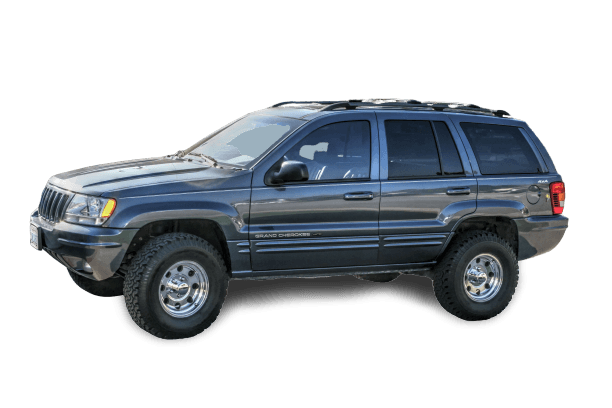
The 2011 2014 models are mentioned most often by auto forums and repair shops. This is not only due to the age, but also certain component designs that were more prone to failure.
| Model Year | Main Electrical Issue | Reported Fix Cost |
|---|---|---|
| 2011 | Ignition switch | $350 |
| 2012 | Alternator failure | $500 |
| 2014 | Touchscreen malfunction | $750 |
Many issues were addressed by recalls or updated parts, but costs for repairs can add up. Even after recall fixes, owners sometimes report similar issues returning. For example, a replaced alternator might still fail early if wiring problems were not fixed at the same time.
Always ask a seller if recall work was done and request proof.
Why Do Electrical Problems Happen?
Electrical systems in cars are complex. In the Grand Cherokee, common causes include:
- Moisture leaks: Water entering the cabin can short circuits. This often happens after heavy rain or washing the car, especially if door seals are worn.
- Wiring wear: Vibration and heat in the engine bay damage wires over time. In off-road use, rough terrain shakes wiring more, increasing risk.
- Software bugs: Updates to the Uconnect system sometimes create new glitches. Sometimes, a new software version fixes one problem but creates another, so keeping up with fixes is important.
- Low-quality parts: Some sensors or connectors fail earlier than expected. Aftermarket replacement parts may not last as long, so using OEM parts is safer.
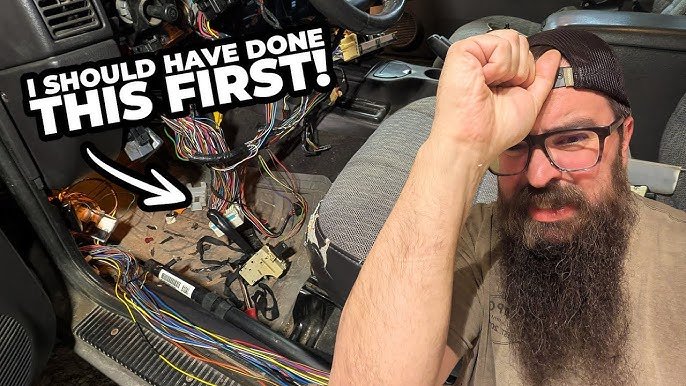
A non-obvious insight: Many owners overlook the role of battery health. Old or weak batteries can trigger warning lights and cause electronics to behave strangely. For instance, a weak battery might cause the car to start slowly or random warning messages to appear. Another overlooked factor is grounding issues—loose or corroded ground cables can mimic bigger problems. If you notice flickering lights or random electronic failures, checking ground connections is a smart first step.
How Jeep Addresses Electrical Issues
Jeep and its parent company, Stellantis, have taken steps to improve reliability. For example:
- Issuing recalls for ignition switches and alternators in affected years. Recalls are usually free if you bring your car to a dealer.
- Updating Uconnect software for better stability. Sometimes, dealers can update the system during routine maintenance.
- Improving quality checks on wiring and connectors. In newer models, wires are often better protected and connectors are redesigned to prevent corrosion.
Owners can check their VIN for open recalls using the official Jeep website. Always check for recalls before buying a used Grand Cherokee, since not all owners complete recall repairs.
Tips For Preventing Electrical Problems
You can reduce your risk with a few practical steps:
- Regular battery checks: Test your battery and replace it every 3–5 years. A weak battery can cause many electrical symptoms, so keeping it strong helps prevent trouble.
- Inspect wiring: Look for signs of wear or corrosion, especially after heavy off-road use. If you see cracked insulation or exposed wires, have them fixed right away.
- Keep electronics updated: Install Uconnect software updates as soon as available. Updates often fix bugs or prevent new problems.
- Protect from moisture: Fix door and window seals to prevent leaks. Moisture is a common enemy of car electronics.
- Use trusted mechanics: Electrical diagnosis is tricky. Skilled repair shops prevent misdiagnosis and wasted money. Some repair shops use advanced scanners that can find hidden faults quickly.
Most electrical issues are not dangerous, but can be annoying and expensive if ignored. Small problems, like slow window movement, can become bigger if neglected.
Comparing Grand Cherokee To Competitors
How does the Grand Cherokee stack up against other SUVs in electrical reliability? Compared to other popular models, it sits in the middle not the worst, but not the best either.
| SUV Model | Electrical Complaint Rate | Average Repair Cost |
|---|---|---|
| Jeep Grand Cherokee | 18% | $500 |
| Toyota 4Runner | 7% | $400 |
| Ford Explorer | 15% | $450 |
The Grand Cherokee has more complaints than the Toyota 4Runner, but is similar to the Ford Explorer. Toyota’s reputation for reliability is clear here, but Ford and Jeep models offer more features, which sometimes lead to more electrical complexity and issues.
Should You Worry About Electrical Problems?
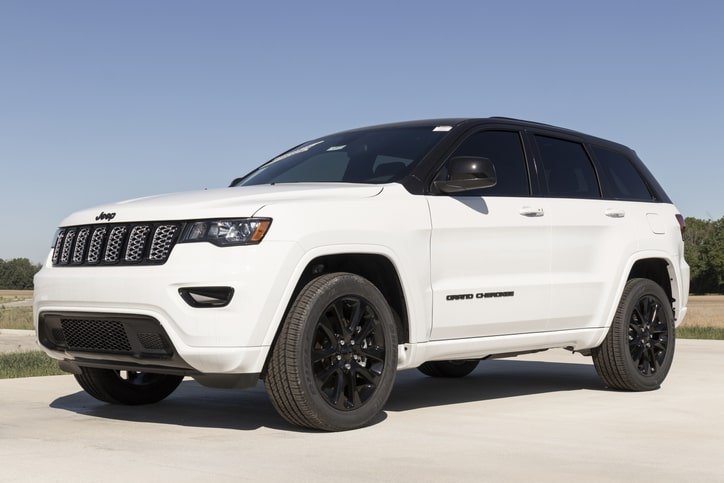
Most Grand Cherokees run well, but some owners face electrical trouble, especially in older models. If you buy used, check for repair records and ask about recalls. For new buyers, the latest models show improved reliability, thanks to better parts and software.
It is smart to ask the seller if any electrical repairs have been made and request service history.
A wise buyer will test all electronics during a pre-purchase inspection. Check windows, locks, lights, and the infotainment system.
This simple check can save you from costly repairs later. Try every button and switch even items that seem minor, like rear-seat climate controls or USB ports.
Frequently Asked Questions
Are Electrical Issues Common In Jeep Grand Cherokees?
Electrical problems are more frequent in certain years, especially 2011 2014. Newer models have fewer complaints, but issues like touchscreen glitches still happen.
It’s important to know that even if a specific issue was fixed in a recall, some cars may still experience related troubles.
How Much Does It Cost To Fix Electrical Problems?
Repair costs depend on the issue. Ignition switches average $350, alternator replacement around $500, and touchscreen repairs can reach $750. Sometimes, diagnosis fees add $100–$200 if the cause is hard to find.
Is There A Recall For Grand Cherokee Electrical Problems?
Yes, several recalls cover ignition switches, alternators, and infotainment systems. You can check your VIN for recalls on the Jeep official recall site.
Can I Prevent Electrical Issues Myself?
Some steps help: keep the battery healthy, check wiring, update software, and protect against moisture. Regular maintenance lowers your risk. Many mechanics recommend checking electrical connections during oil changes, especially for older vehicles.
Is The Grand Cherokee More Reliable Now?
Recent models (2017 and up) show better electrical reliability. Improved parts and software updates have helped reduce complaints. Jeep continues to improve, but no car is perfect, so staying alert is wise.
If you’re careful, the Jeep Grand Cherokee can offer years of reliable driving. While electrical problems exist, smart maintenance and choosing the right model year will help you avoid most headaches.
For buyers who value comfort and capability, a little extra attention to electrical details makes ownership much smoother.