If you’re thinking about putting 35-inch tires on your Jeep, you’ve probably heard the term “regearing.” It sounds technical, but it’s a common question in the off-road world: Do I need to regear my Jeep with 35s? The answer depends on your Jeep’s model, driving style, and what you want out of your rig. Let’s break down what regearing means, why it matters, and whether it’s the right move for your Jeep.
What Does Regearing Mean?
Regearing is changing the differential gear ratio inside your Jeep’s axles. This ratio controls how many times the driveshaft turns for each rotation of the wheels. When you install larger tires like 35s, it changes how your Jeep performs—especially the power, fuel economy, and transmission shifting.
If you keep your factory gear ratio with bigger tires, your Jeep will struggle more to turn the wheels. This means slower acceleration, less power, and sometimes annoying transmission behavior. That’s why many Jeep owners consider regearing when upgrading to 35s.
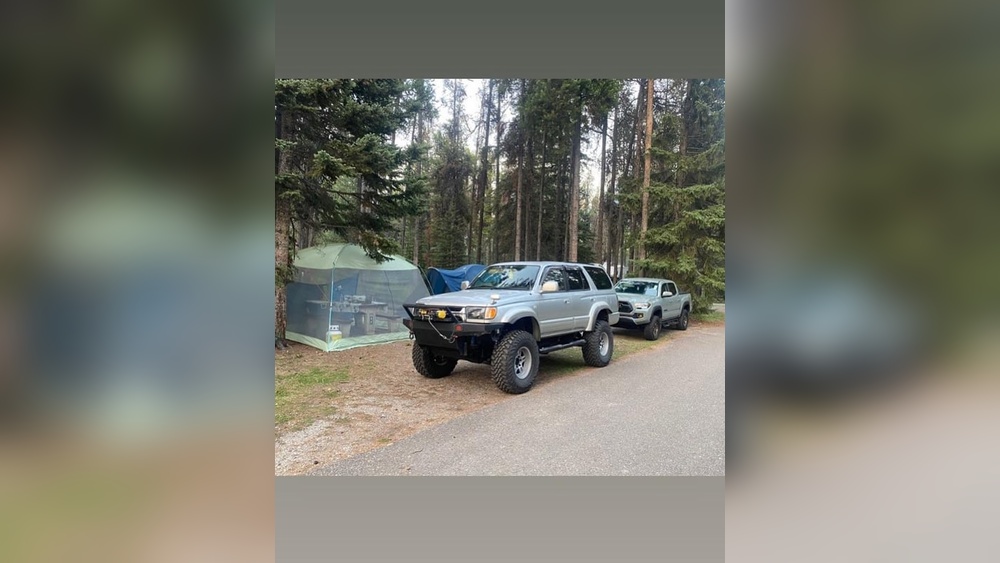
How Bigger Tires Affect Your Jeep
When you go from stock tires (usually 29–32 inches) to 35-inch tires, you’re not just making your Jeep look tougher. Here’s what happens:
- Reduced power: Bigger tires are heavier and harder to turn.
- Slower acceleration: Your Jeep feels sluggish, especially when merging or climbing hills.
- Worse fuel economy: The engine works harder, burning more gas.
- Transmission issues: The automatic transmission may “hunt” for gears or shift at odd times.
- Speedometer error: Your speedometer and odometer will read incorrectly.
Let’s look at a quick comparison of stock vs. 35-inch tires:
| Feature | Stock Tires | 35-Inch Tires |
|---|---|---|
| Typical Size | 29–32 inches | 35 inches |
| Weight (per tire) | ~40 lbs | ~65 lbs |
| Acceleration | Normal | Slower |
| Fuel Economy | Standard | Lower |
| Speedometer Accuracy | Accurate | Reads slow |
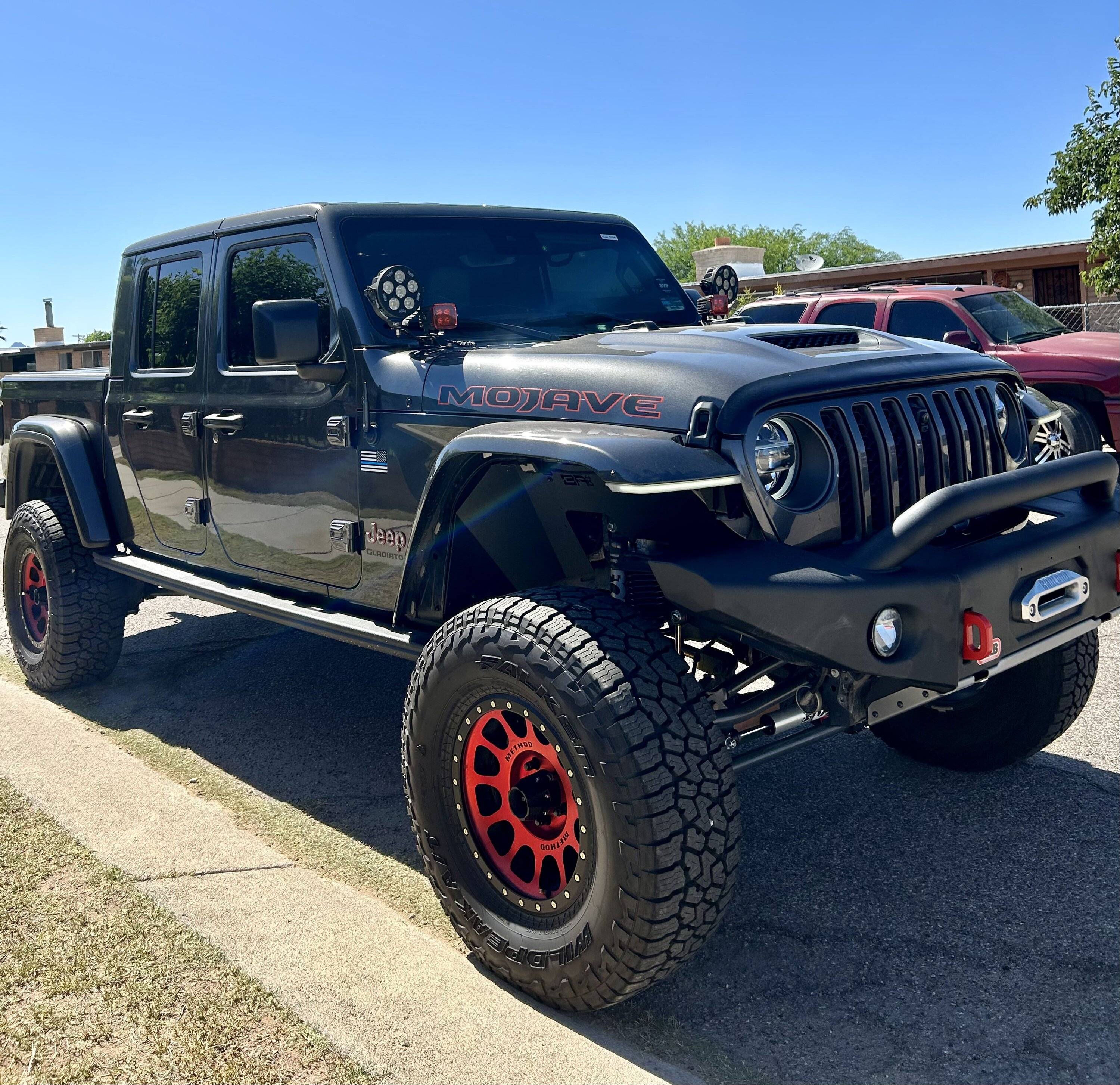
When Is Regearing Necessary?
You may not always need to regear, but it depends on your Jeep model and driving needs.
Situations where regearing is recommended:
- You drive in the mountains or tow often.
- Your Jeep feels weak or struggles to maintain speed.
- You want to restore lost power and improve acceleration.
Situations where you might skip regearing:
- You only drive on flat roads and don’t care about sluggishness.
- You’re on a tight budget and can accept lower performance.
Still, for most Wrangler JK, JL, and Gladiator models, regearing is highly recommended with 35s. The factory gears were designed for smaller tires, and the difference with 35s is noticeable.
What Gear Ratio Should You Choose?
The right gear ratio depends on your engine, transmission, and how you use your Jeep. Most stock Jeeps come with 3.21, 3.45, or 3.73 gears. For 35-inch tires, most experts suggest moving to 4.56 or 4.88.
Here’s a simple chart to help decide:
| Engine | Transmission | Tire Size | Recommended Gears |
|---|---|---|---|
| 3.6L V6 | Automatic | 35″ | 4.56 or 4.88 |
| 3.6L V6 | Manual | 35″ | 4.56 |
| 2.0L Turbo | Automatic | 35″ | 4.56 |
| 3.8L V6 | Automatic | 35″ | 4.88 |
Higher numbers mean better acceleration and more power to the wheels, but slightly higher RPMs at highway speed. For daily drivers, 4.56 is usually a solid choice. If you do a lot of off-roading or plan to tow, 4.88 may be better.
What Are The Benefits Of Regearing?
Regearing is not cheap, but it brings several benefits:
- Restores lost power: Your Jeep feels lively again.
- Improves acceleration: No more sluggish starts at lights.
- Better towing performance: You can haul trailers more easily.
- More accurate speedometer: Your gauges read true.
- Less transmission stress: Prevents overheating and gear hunting.
Many Jeep owners notice an immediate difference. For example, a Wrangler JK with 35s and stock 3. 21 gears often struggles on hills, but with 4. 56 gears, it drives much like stock, even with the bigger tires.
Common Mistakes When Regearing
Some beginners make errors during the regearing process. Here are two mistakes to avoid:
- Choosing gears that are too low or too high. Picking 5.13 gears for 35s can make your Jeep rev too high on the highway. Always match gears to your setup.
- Ignoring the rear and front axles. You must regear both axles to the same ratio, or your Jeep will have drivetrain problems.
Cost And What To Expect
Regearing is a big investment. Most shops charge $1,500–$2,000 for parts and labor. The job takes several hours and requires special tools. It’s not a DIY job for most people unless you have experience.
However, the cost is often worth it if you want your Jeep to perform well on and off the road. If you skip regearing, you may notice more wear on the transmission and engine over time.
Real-world Example
A Jeep Wrangler JL owner installs 35s and keeps the stock 3. 45 gears. The Jeep feels sluggish and shifts awkwardly. After upgrading to 4. 56 gears, acceleration improves, the speedometer is accurate again, and fuel economy stabilizes. The owner also feels more confident tackling steep trails.

Frequently Asked Questions
Do I Have To Regear If I Only Drive On Highways?
If you only use your Jeep for highway driving and don’t mind less acceleration, you might skip regearing. But most people still notice the drop in performance.
Will Regearing Hurt My Jeep’s Fuel Economy?
Regearing often restores lost fuel economy after upgrading to 35s. While RPMs may be slightly higher, the engine works less, so mileage usually improves compared to running stock gears with big tires.
Can I Regear Just One Axle?
No, you must regear both axles to the same ratio. If you don’t, your Jeep’s 4WD system can get damaged.
How Do I Know What Gears I Have Now?
You can check your build sheet or the metal tag on your differential. Many dealers can also look up your stock gear ratio with your VIN.
Is Regearing Needed For 33-inch Tires?
Usually, regearing is not needed for 33s. Most Jeeps handle 33s with stock gears, but some owners still prefer regearing for better performance.
If you want to dig deeper into gear ratios and their effects, the JL Wrangler Forums offer helpful calculators and charts.
Switching to 35-inch tires is a big change for your Jeep. Regearing is not always required, but it’s often the best way to get the most out of your upgrade. If you want your Jeep to feel strong, reliable, and fun to drive, investing in the right gear ratio can make all the difference.