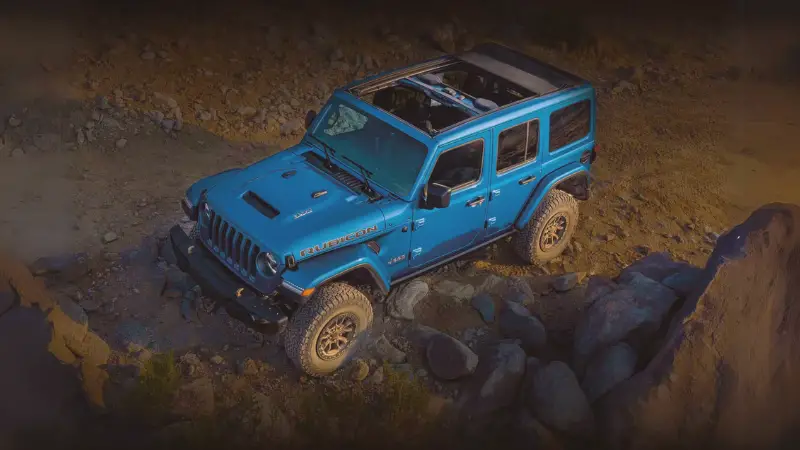
Many Jeep owners have heard stories about the “death wobble”—that sudden, violent shaking that can take over your steering wheel. But does every Jeep suffer from this? The truth is more complex. Not all Jeeps experience the death wobble, but certain models, years, and conditions make it more likely. If you’re considering buying a Jeep or already own one, understanding the death wobble can help you drive safer and keep your vehicle in top shape.
Meta description:
Do all Jeeps have the death wobble? Learn which Jeep models are most affected, what causes it, and how to prevent or fix this common issue.
What Is The Jeep Death Wobble?
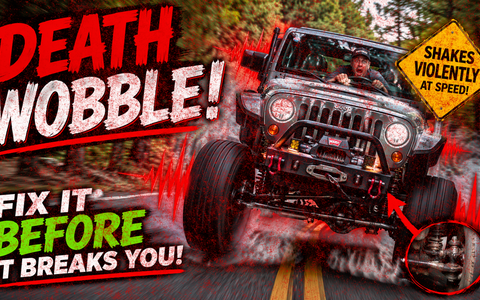
The death wobble is a severe, rapid shaking of the front wheels. It usually happens after hitting a bump at highway speeds. The steering wheel can vibrate so hard that it feels unsafe to keep driving. This is not just a minor annoyance—it can make you lose control if not handled quickly.
Death wobble most often affects Jeeps with solid front axles. This design gives Jeeps better off-road abilities, but it also makes them more prone to this problem compared to vehicles with independent front suspension.
Are All Jeep Models At Risk?
Not every Jeep is at risk for the death wobble. The chance depends on:
- Model and generation
- Suspension design
- Modifications
- Maintenance history
Here’s a quick look at which Jeeps are most likely to experience death wobble:
| Model | Years | Front Axle Type | Death Wobble Risk |
|---|---|---|---|
| TJ Wrangler | 1997–2006 | Solid | High |
| JK Wrangler | 2007–2018 | Solid | High |
| JL Wrangler | 2018–present | Solid | Medium |
| XJ Cherokee | 1984–2001 | Solid | Medium |
| WK Grand Cherokee | 2005–2010 | Independent | Low |
| WL Grand Cherokee | 2021–present | Independent | Very Low |
Key insight: Jeeps with solid front axles, like the Wrangler and older Cherokee models, are far more likely to develop death wobble.
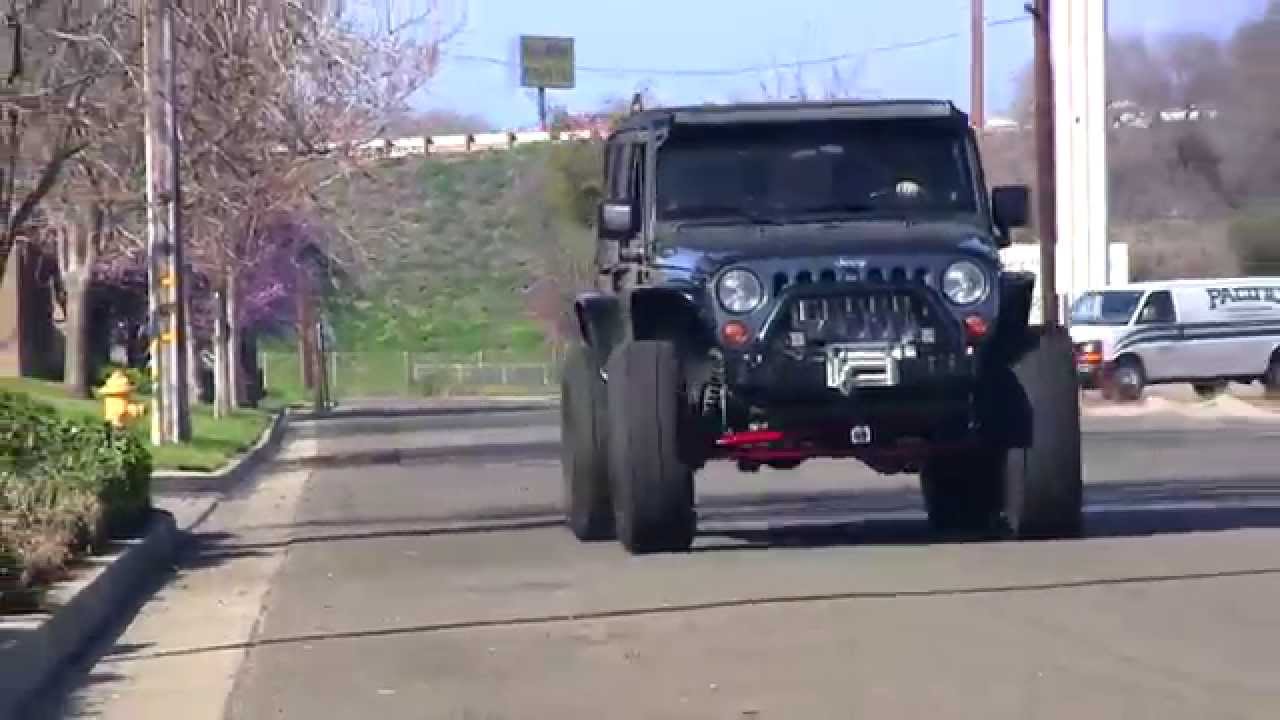
What Causes Death Wobble?
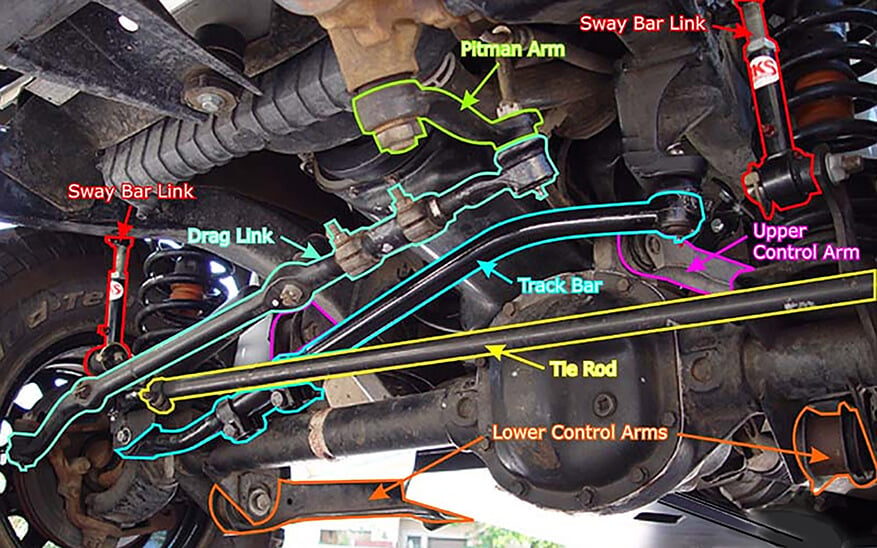
The death wobble is rarely caused by a single part failing. Instead, it’s usually a mix of worn or loose components in the steering and suspension system. Common causes include:
- Loose track bar bushings or bolts
- Worn tie rod ends
- Damaged ball joints
- Unbalanced or misaligned wheels
- Old or failing shocks
- Lift kits or aftermarket modifications
Even a small amount of play in one part can combine with others to trigger the wobble. This is why regular inspection is important, especially after driving off-road or hitting potholes.
How To Diagnose And Fix Death Wobble
If your Jeep starts to shake violently at higher speeds, take these steps:
1. Inspect The Front Suspension
Check for any loose or worn parts, especially:
- Track bar bolts and bushings
- Tie rod ends
- Drag link
- Ball joints
- Steering stabilizer
A mechanic can help if you’re unsure what to look for.
2. Check Wheel Alignment And Balance
Misalignment or unbalanced tires often trigger the wobble. Make sure your wheels are properly aligned and balanced, especially if you’ve recently changed tires or hit a curb.
3. Review Recent Modifications
Lift kits and larger tires change how your suspension works. If you’ve upgraded parts, verify they are compatible and installed correctly.
4. Replace Worn Parts
If you find any worn or damaged items, replace them promptly. Even one loose bolt can cause problems.
5. Test Drive Carefully
After repairs, test drive at low speeds first. Gradually increase speed to ensure the problem is fixed.
Estimated repair costs for death wobble can range widely:
| Repair Type | Estimated Cost (USD) |
|---|---|
| Track bar replacement | $150–$400 |
| Ball joint replacement | $300–$700 |
| Wheel alignment | $80–$150 |
| Steering stabilizer | $100–$250 |
Non-obvious insight: Sometimes, a combination of slightly worn parts—none of which are “bad enough” to fail alone—can add up and cause death wobble. Replacing just one may not solve the issue.
When To Visit A Mechanic
If you can’t spot the cause yourself, or if replacing obvious worn parts doesn’t fix the wobble, it’s best to see a professional. Death wobble is a safety risk, especially at highway speeds. Certified Jeep mechanics have the right tools and experience to find even small issues.
Can New Jeeps Get Death Wobble?
Even new JL Wranglers (2018–present) and Gladiators can develop death wobble, though it’s less common than older models. In 2019, Jeep offered improved steering stabilizers for the JL and JT after many owner complaints.
Important: Jeeps with independent front suspension (like the WK and WL Grand Cherokee) are much less likely to have death wobble. This is because their suspension design absorbs bumps differently.
How To Prevent Death Wobble
You can lower your risk by following these tips:
- Inspect your suspension and steering every 6 months
- Use only quality parts when modifying your Jeep
- Avoid oversized lift kits unless you upgrade related components
- Rotate and balance tires regularly
- Keep track bar bolts torqued to factory specs
Non-obvious tip: After any off-roading trip, check all steering and suspension bolts for tightness. Off-road impacts can loosen them, leading to problems later.
Frequently Asked Questions
Does The Death Wobble Happen To All Jeeps?
No, not all Jeeps experience death wobble. It mostly affects models with a solid front axle, like the Wrangler and older Cherokee. Regular maintenance can reduce your risk.
Can Death Wobble Be Fixed Permanently?
Yes, if you find and repair all worn or loose parts. Some Jeeps need several components replaced to completely solve the issue.
Is It Safe To Drive With Death Wobble?
It’s not safe. If your Jeep starts to wobble, slow down and pull over. Driving with death wobble can cause loss of control.
Does A Steering Stabilizer Fix Death Wobble?
A new steering stabilizer can help, but it’s often not the main cause. It should be replaced only after fixing worn suspension parts.
Where Can I Learn More About Jeep Recalls And Safety Issues?
You can check the official NHTSA website at NHTSA.gov for up-to-date recall and safety information.
- Jeep Wrangler maintenance checklist
- Common Jeep suspension problems
- How to choose off-road tires for your Jeep
Understanding death wobble means you can enjoy your Jeep with confidence. With regular checks and proper repairs, most Jeeps run safely for years—on or off the road.