Do 40 Jeep Engines Crack Easy?
When people talk about Jeep reliability, engine issues are always a big concern. One question that comes up often: *Do 40 Jeep engines crack easy?* Whether you’re buying a used Jeep or already own one, engine cracks can mean expensive repairs and lots of headaches. In this article, you’ll find a detailed look at 40 different Jeep engines—do they really crack easily, what causes it, and which ones are more likely to have problems? This guide will help you make a smart decision and avoid costly mistakes.
Understanding Jeep Engine Cracks
A cracked engine usually means a break in the engine block or cylinder head. This can lead to oil leaks, overheating, and even complete engine failure. Causes include:
- Overheating
- Poor casting from the factory
- Extreme cold
- Improper maintenance
Not all Jeep engines are equal—some have strong reputations, others are known for cracks. Let’s examine 40 Jeep engines and how easily they crack.
Do 40 Jeep Engines Crack Easy? Detailed Look
- 2.5L AMC I4: Known for durability. Cracks are rare unless severely overheated.
- 4.0L AMC I6: Very strong block. Head cracks can happen after 200,000 miles, mostly from overheating.
- 2.8L V6 (Chevy 60°): Common cracks near freeze plugs. Notorious for coolant leaks.
- 3.8L EGH V6: Not prone to cracks, but head gaskets can fail.
- 2.4L PowerTech I4: Good block, but head can crack if overheated.
- 3.7L PowerTech V6: Some cracks reported, especially in high-mileage engines.
- 4.7L PowerTech V8: Rare cracks, but head warping from heat can lead to cracks.
- 5.2L Magnum V8: Generally tough. Poor maintenance can cause cracks.
- 5.9L Magnum V8: Like the 5.2L, cracks mostly appear with neglect.
- 2.8L VM Motori Diesel: Cylinder head cracks are a known issue in hot climates.
- 2.5L VM Motori Diesel: Fewer cracks than the 2.8L, but possible if cooling system fails.
- 3.0L CRD Diesel: Rarely cracks. Most failures are electronic, not mechanical.
- 2.0L Hurricane Turbo: Newer engine, not many crack reports yet.
- 2.0L Tigershark I4: Some head cracks in early models due to overheating.
- 2.4L Tigershark I4: Similar to 2.0L; cracks are not common.
- 3.6L Pentastar V6: Head cracks reported in first generation (2011–2013), less in newer models.
- 5.7L Hemi V8: Strong block. Cracks are rare unless abused.
- 6.4L Hemi V8: Like 5.7L, built tough. Cracks extremely rare.
- 6.2L Hellcat V8: High power, but block is very strong.
- 2.1L Renault Diesel: Known for head cracks, especially in hot climates.
- 2.5L Renault Diesel: Less common, but still can crack if overheated.
- 2.1L AMC Turbo Diesel: Cracks possible, especially with poor cooling.
- 3.1L VM Motori Diesel: Some head crack reports, but not as frequent as 2.8L.
- 2.5L GM Iron Duke: Block is strong, cracks are rare.
- 2.8L GM 60° V6: Prone to cracks, especially on high-mileage engines.
- 2.0L SOHC (Neon): Few reports of cracks; mostly reliable.
- 3.3L Chrysler V6: Not known for cracking.
- 3.0L Mitsubishi V6: Head cracks in early models, but rare overall.
- 2.5L Chrysler K I4: Some block cracks reported after severe overheating.
- 2.4L GEMA I4: Head cracks can happen, especially in turbo versions.
- 2.0L GEMA I4: Generally strong, cracks are not common.
- 3.8L Ford Essex V6: Some cracks in head, especially with coolant neglect.
- 4.2L AMC I6: Strong block, rare cracks.
- 2.8L CRD (Liberty): Cylinder head cracks are a known issue.
- 2.0L Fiat MultiAir Turbo: Newer engine, so far reliable.
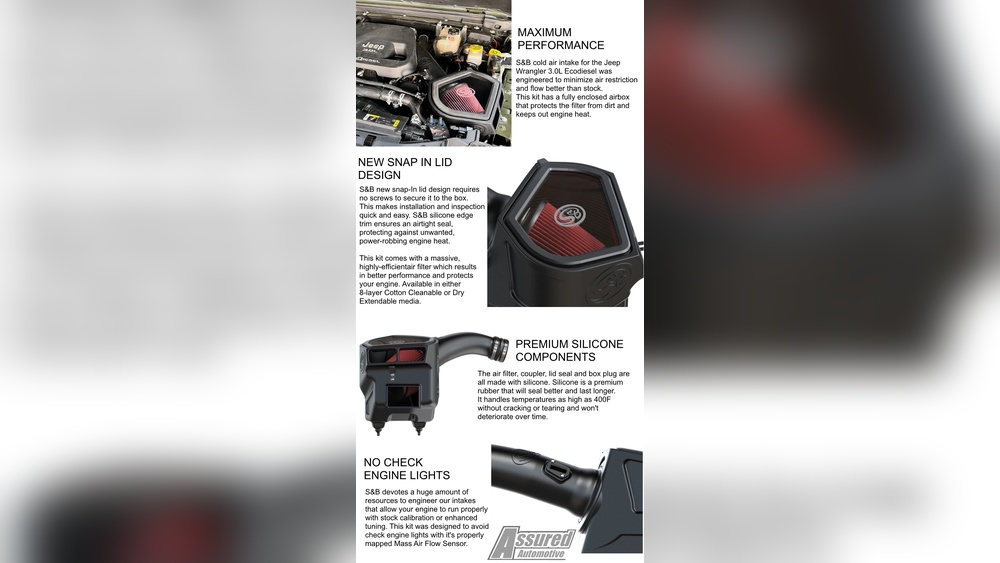
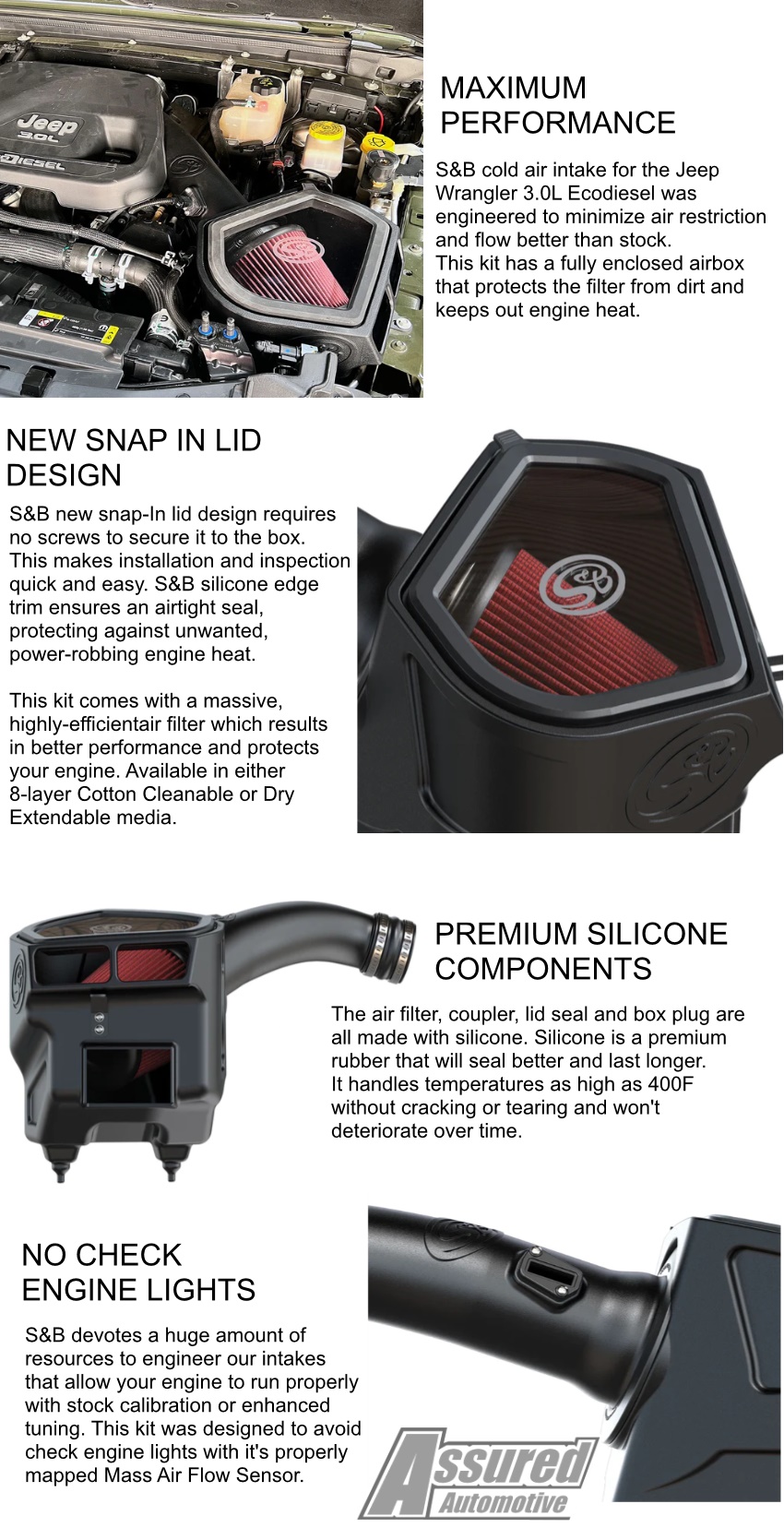
- 3.0L EcoDiesel V6: Few cases of cracks, usually from extreme use.
- 2.4L DOHC I4 (Compass/Patriot): Some head cracks if run low on coolant.
- 2.8L I4 Turbo Diesel (Wrangler Europe): Head cracks more common than block cracks.
- 2.7L Mercedes CRD: Rare cracks, usually related to cooling system issues.
- 3.6L Pentastar (Gen 2): Improved design, cracks are very rare.

Jeep Engine Crack Comparison
To see patterns, here’s a quick comparison of three popular Jeep engines:
| Engine | Crack Risk | Typical Cause |
|---|---|---|
| 4.0L AMC I6 | Low | Extreme overheating |
| 3.6L Pentastar V6 (Gen 1) | Medium | Head design flaw (2011–2013) |
| 2.8L VM Motori Diesel | High | Hot climates, poor cooling |
Factors That Increase Jeep Engine Cracking
- Running low on coolant: This is the most common cause.
- Ignoring overheating warnings: Even a few minutes of extreme heat can cause cracks.
- Poor quality engine blocks: Some engines, like older diesels, had casting flaws.
- Severe cold starts: Can stress the block, especially if coolant mix is wrong.

How To Avoid Engine Cracks
- Maintain your cooling system. Change coolant every 2–3 years.
- Don’t ignore temperature warnings. Stop and let the engine cool if overheated.
- Check for leaks. Fix small leaks before they become big problems.
- Use the right coolant. Cheap or wrong coolant can cause cracks.
Jeep Engine Crack Rates: Real-world Data
Let’s compare how often three Jeep engines crack based on user reports:
| Engine Model | Reported Crack Rate | Years at Risk |
|---|---|---|
| 2.8L VM Motori Diesel | 10-12% | 2005–2007 |
| 4.0L AMC I6 | 2-3% | 1987–2006 |
| 3.6L Pentastar V6 (Gen 1) | 6-8% | 2011–2013 |
Two Insights Most Beginners Miss
- Cracks are usually from overheating, not just engine age. Even a 20-year-old engine won’t crack if it’s never overheated.
- Diesel Jeep engines are more likely to crack—especially those built by VM Motori—compared to classic gasoline engines.
Should You Worry About Jeep Engine Cracks?
For most Jeep engines, cracks are not common if you keep up with maintenance. However, some models—especially certain diesels and early Pentastar V6s—have a higher risk. Always check a used Jeep’s service history and pay attention to the engine temperature gauge.
For more in-depth information on Jeep engines, you might find Wikipedia’s Jeep page helpful.
Frequently Asked Questions
Why Do Jeep Engines Crack?
Overheating is the main reason. Lack of coolant, ignoring warning lights, or a broken water pump can cause cracks.
Which Jeep Engine Cracks The Most?
The 2.8L VM Motori Diesel is reported to crack more often than others, especially in hot weather and with poor maintenance.
How Can I Tell If My Jeep Engine Is Cracked?
Look for white smoke, coolant loss, oil in the coolant, or a sweet smell from the exhaust. Overheating is also a key warning sign.
Is It Expensive To Fix A Cracked Jeep Engine?
Yes. A cracked engine often means a major repair or even a full engine replacement, which can cost several thousand dollars.
Can Engine Cracks Be Prevented?
Absolutely. Regular maintenance, using the right coolant, and stopping when the engine overheats are your best defenses.
If you keep your Jeep’s engine cool and watch for early signs, you can avoid most crack problems—even on engines known to be at risk.