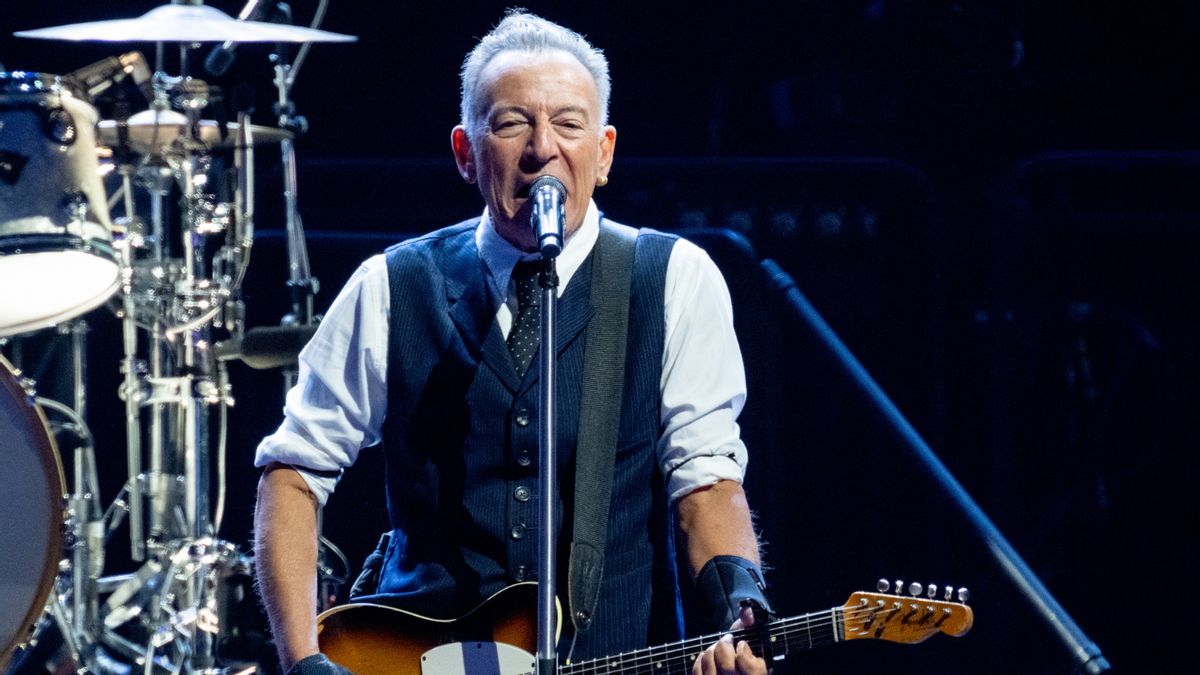
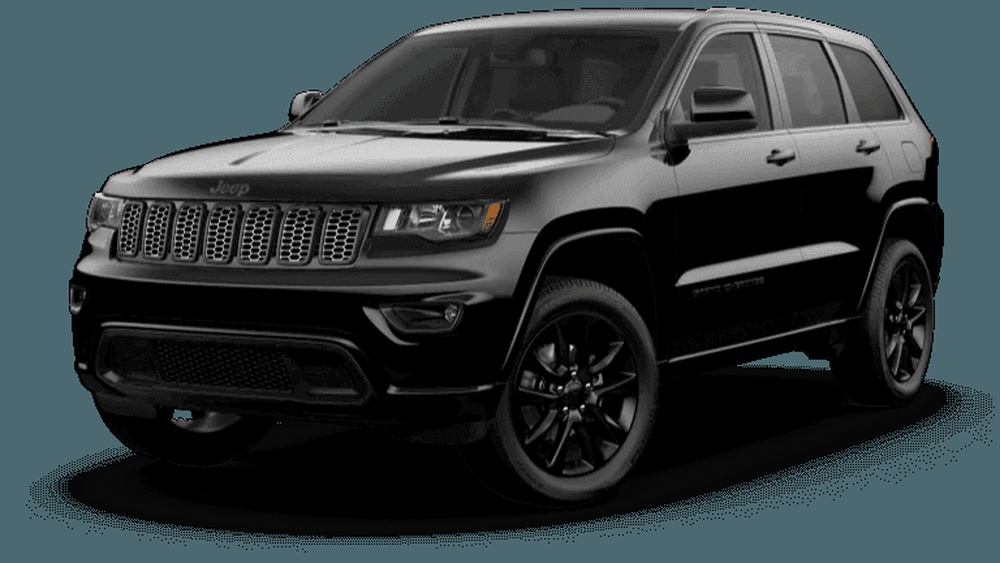
For many fans, seeing Bruce Springsteen in a Jeep commercial felt like a perfect match. Springsteen, known for his honest, American storytelling, joined Jeep for a Super Bowl ad in 2021.
But soon after, news headlines asked: Did Jeep drop Bruce Springsteen? This question spread quickly, but the real story is more complex than it first appeared.
Many people were surprised by how fast things changed. One moment, Springsteen was the face of Jeep’s hopeful message. The next, rumors and confusion spread across social media. This sudden shift left many fans wondering what really happened behind the scenes.
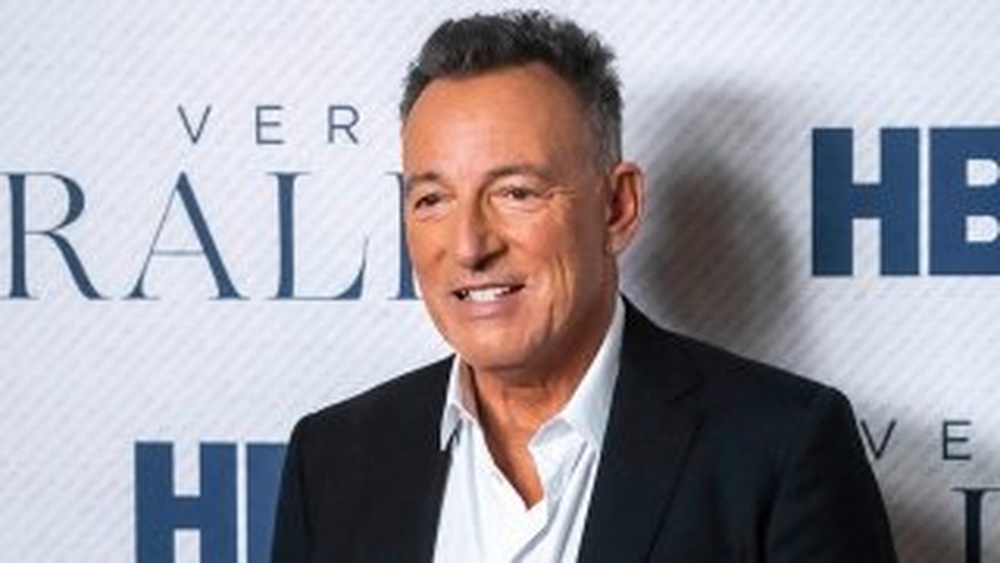
To understand the full picture, it’s important to look at why Jeep chose Springsteen, what caused the controversy, and how both sides responded.
Why Jeep Chose Bruce Springsteen
Jeep wanted to connect with Americans on a deeper level. The brand is famous for rugged vehicles and adventure, but in 2021 they aimed for unity. Springsteen, often called “The Boss,” stands for working-class values and hope. His music has inspired millions for decades.
Jeep’s marketing team believed that using Springsteen would feel authentic. He rarely does commercials, so his appearance was special. For many, his voice and image represent the heart of America. Jeep wanted to show that their cars are not just for off-roading, but also for people from all walks of life.
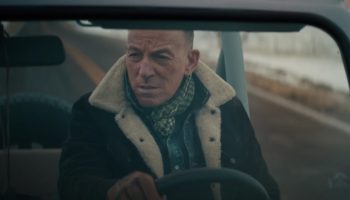
The Super Bowl ad, titled “The Middle,” featured Springsteen driving a Jeep through Kansas. He talked about finding common ground in America. The ad showed empty churches and open roads, reflecting a country searching for connection after a difficult year.
Jeep hoped his voice would help people feel more connected.
Choosing Springsteen was also a risk. Some brands pick celebrities mainly for star power. Jeep, however, wanted someone who matched their values. If it went wrong, it could hurt both Jeep’s image and Springsteen’s reputation. In marketing, this is known as “brand alignment,” and it’s not always easy to get right.
The Incident That Sparked Controversy
Just days after the ad aired, news broke that Springsteen was charged with a DWI (driving while intoxicated) in New Jersey. This stunned both Jeep and Springsteen’s fans. The timing was awkward—Jeep had built its campaign around trust and unity, but now its spokesperson faced legal trouble.
The news spread quickly online and in newspapers. Some people instantly believed the worst, while others waited for more details. For Jeep, the news was a huge challenge. They had to decide what to do, and fast.
Timeline Of Events
- Super Bowl ad aired: February 7, 2021
- DWI news surfaced: February 10, 2021
- Jeep paused the ad: February 10, 2021
- Charges dropped: Later in 2021
The timeline shows how quickly things changed. In less than a week, Jeep’s biggest ad of the year became a problem. This is a good example of how quickly brands must react in today’s digital world. Social media makes news travel fast, and companies can’t afford to wait before making decisions.
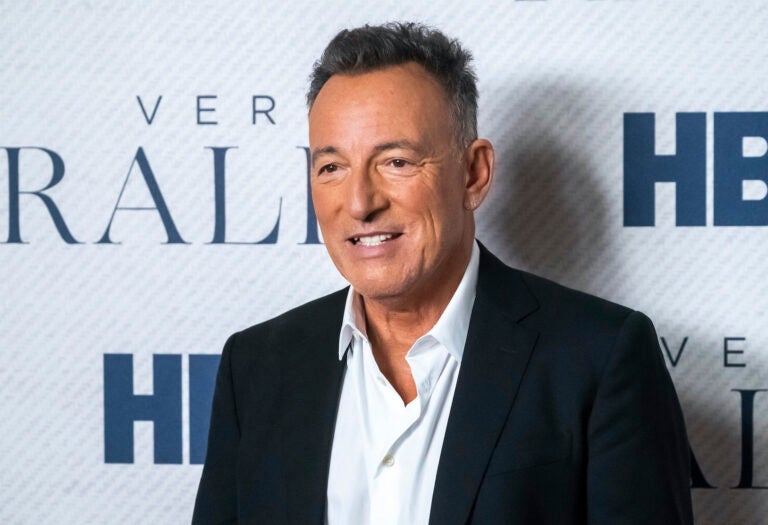
Did Jeep Actually Drop Bruce Springsteen?
The answer is not as simple as “yes” or “no.” Jeep paused the ad, but did not officially cut ties with Springsteen. They removed the commercial from YouTube and their social media. This was a safety move—Jeep wanted to avoid negative press until the facts were clear.
Some beginners think that removing an ad always means a partnership has ended. In reality, brands often pause campaigns during controversy and wait for facts. This protects the brand and the celebrity, giving time for a fair review.
Here’s a comparison of Jeep’s actions versus a typical brand response:
| Action | Jeep (Springsteen) | Typical Brand Response |
|---|---|---|
| Ad Removal | Paused, removed from channels | Usually immediate removal |
| Public Statement | Asked for facts | Often distancing from celebrity |
| Contract Termination | No public termination | Common in severe cases |
Springsteen’s DWI charge was later dropped. The court found his blood alcohol level was well below the legal limit. Jeep quietly restored the ad, and Springsteen’s relationship with the brand continued.
This situation highlights why brands sometimes take a “wait and see” approach. If Jeep had ended the partnership too soon, they might have faced backlash from Springsteen’s loyal fans. By waiting, they avoided making a decision they might later regret.
Why Brands React Carefully
Brands face tough choices when a spokesperson has legal trouble. The risk is losing customer trust or facing backlash. But dropping someone too quickly can also seem unfair. Jeep’s measured response shows how brands balance reputation with facts.
For example, if a celebrity is found innocent, cutting ties early can make a brand look reactionary or disloyal. On the other hand, ignoring serious accusations can damage a brand’s reputation for years. This is why companies often consult legal and PR experts before acting.
Some companies cut ties immediately, especially if charges are serious. Others wait for legal results. In Springsteen’s case, Jeep’s pause was temporary, not permanent.
Another detail people often miss: brands sometimes use “morals clauses” in contracts. This gives them the option to end a deal if a celebrity’s actions harm the brand. However, using these clauses is a big decision, and not taken lightly.
Impact On Jeep And Springsteen
The controversy lasted only a few weeks, but both Jeep and Springsteen felt the effects.
Jeep’s Reputation
- Some fans praised Jeep for waiting.
- Others felt the ad should stay paused longer.
- Jeep’s message of unity was tested by real-world division.
Jeep’s leadership had to answer tough questions from both the media and their own employees. Some dealers worried about local reactions, while others saw the event as proof that Jeep stood by its values. In the end, Jeep’s careful response helped rebuild trust.
Springsteen’s Image
- Springsteen’s fans mostly stood by him.
- The legal case was minor, but headlines were damaging.
- His honesty and openness helped repair his image.
Springsteen spoke publicly after the charges were dropped. He explained what happened and thanked his fans for their support. This direct communication helped many people feel he was still trustworthy. While some critics remained, most fans felt reassured.
Here’s a quick look at public reaction data:
| Group | Reaction | Change in Support |
|---|---|---|
| Jeep Customers | Mixed | -5% short-term dip |
| Springsteen Fans | Mostly positive | +2% increase after charges dropped |
| General Public | Confused | No major change |
Data like this shows that quick reactions can create a bigger stir than the original problem. Over time, most people moved on, and the story faded from headlines.
Lessons For Brands And Celebrities
This event teaches a few important lessons:
- Wait for facts: Acting quickly can backfire if charges are dropped.
- Transparency matters: Springsteen spoke openly, which helped.
- Brand values: Jeep’s message stayed true even during controversy.
Many beginners forget that legal issues are often more complicated than headlines suggest. Also, brands sometimes pause campaigns, not cancel them. These details are easy to miss if you only follow news summaries.
Another insight: building trust takes years, but it can be damaged in days. Brands and celebrities both need to be ready for surprises. Having a plan for crisis moments can make a big difference. It’s also wise to work with people who match your values, so you can stand together if things go wrong.