A misfire in your Jeep Grand Cherokee can feel alarming. When the problem is specific to cylinder 5, you might notice rough engine performance, loss of power, or even a check engine light. Ignoring it can lead to expensive repairs and poor fuel economy. This article explores what causes a cylinder 5 misfire, how to diagnose it, and the five main culprits behind this issue. By understanding these factors, you can save time, money, and avoid frustration.
What Is A Cylinder 5 Misfire?
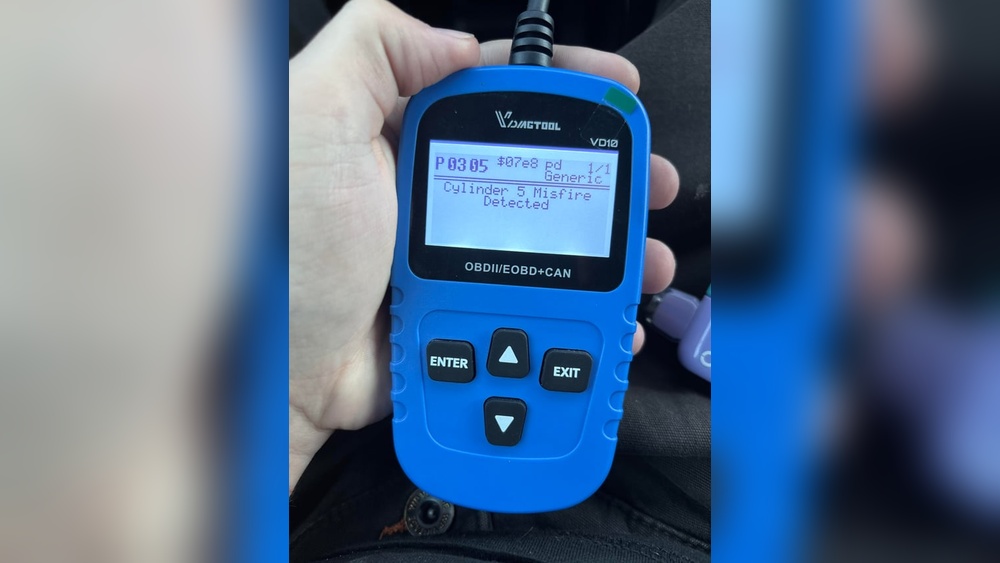
An engine misfire means one or more cylinders are not firing properly. Each cylinder is essential for smooth engine operation. If cylinder 5 misfires, it creates a ripple effect—your Jeep Grand Cherokee may hesitate, vibrate, or even stall. The onboard computer often stores a P0305 code when this happens.
Symptoms Of Cylinder 5 Misfire
- Check engine light activates
- Engine feels rough or shakes
- Poor acceleration
- Increased fuel consumption
- Unusual exhaust emissions
These symptoms appear because the engine cannot burn fuel efficiently in cylinder 5. Sometimes, you might only feel a slight loss of power, but the problem can quickly get worse.
Diagnosing Cylinder 5 Misfire
Mechanics use specialized tools to pinpoint the cause. Here’s how you can start:
- Scan for error codes (P0305 points to cylinder 5).
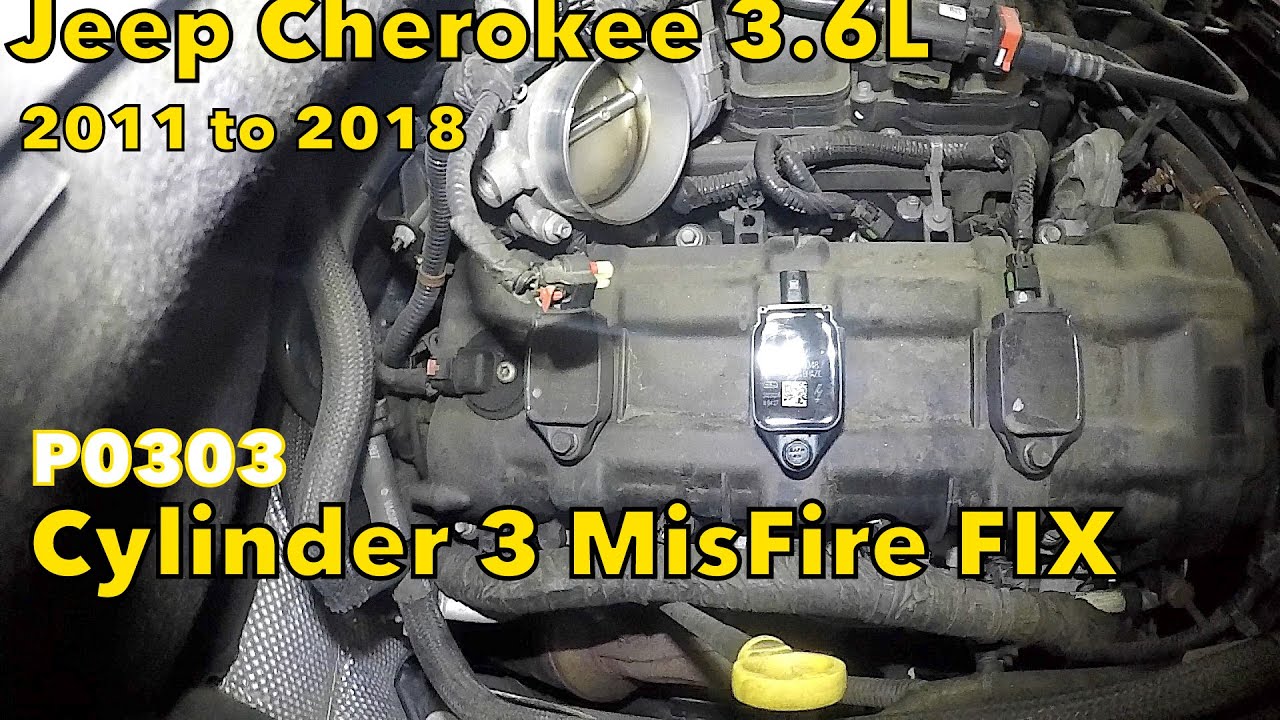
- Inspect spark plug and ignition coil for damage.
- Check fuel injector function.
- Look for vacuum leaks or air intake issues.
- Test engine compression.
A misfire is not always obvious—sometimes it’s intermittent. If you’re unsure, seek help from a qualified mechanic.
The 5 Main Causes Of Cylinder 5 Misfire In Jeep Grand Cherokee
To fix the issue, you need to identify the exact cause. Here are the five most common reasons for a cylinder 5 misfire:
1. Faulty Spark Plug
The spark plug in cylinder 5 ignites the fuel-air mixture. If it is worn out, dirty, or cracked, the engine can’t fire correctly. This is the easiest cause to check and fix.
- Replace the spark plug every 30,000 to 50,000 miles.
- Use the right type and gap for your Jeep.
- Signs of failure: Black soot, white deposits, or damaged tip.
A common mistake: Using the wrong spark plug or not tightening it properly. This can lead to repeated misfires.
2. Bad Ignition Coil
The ignition coil sends electrical current to the spark plug. If the coil for cylinder 5 is weak or broken, the spark plug won’t fire.
- Symptoms: Sudden misfire, especially when the engine is under load.
- Test: Swap the coil with another cylinder. If the misfire moves, the coil is faulty.
Some Jeep Grand Cherokee models have individual coils for each cylinder. Make sure to check the coil wiring and connectors too.
3. Clogged Fuel Injector
The fuel injector delivers gasoline to cylinder 5. Dirt, debris, or varnish can block the injector, causing uneven fuel supply.
- Signs: Engine runs lean, hesitation during acceleration.
- Solution: Clean or replace the injector.
Using low-quality fuel or not changing the fuel filter regularly increases the risk of clogged injectors. Cleaning can help, but severe cases need replacement.
4. Low Compression
Compression refers to how tightly the air-fuel mixture is squeezed in the cylinder. Low compression in cylinder 5 may result from worn piston rings, damaged valves, or a blown head gasket.
- Symptoms: Persistent misfire, especially at idle.
- Test: Compression gauge or leak-down test.
Repairing low compression is expensive and often requires engine disassembly. Many beginners overlook this cause, thinking misfires are always electrical.
5. Vacuum Leak
A vacuum leak allows extra air to enter the engine, disturbing the balance in cylinder 5.
- Signs: Hissing noise, rough idle, sudden misfire.
- Common sources: Cracked hoses, intake manifold gasket leaks.
Vacuum leaks are tricky to spot. Spraying carb cleaner near suspected areas can help—if idle changes, there’s likely a leak.

Comparing Common Causes
Below is a comparison of the five main causes:
| Cause | Difficulty to Fix | Typical Cost | Repair Time |
|---|---|---|---|
| Spark Plug | Easy | $10–$30 | 15–30 min |
| Ignition Coil | Moderate | $50–$150 | 30–60 min |
| Fuel Injector | Moderate | $100–$300 | 60–90 min |
| Low Compression | Hard | $500+ | Several hours |
| Vacuum Leak | Moderate | $50–$200 | 30–90 min |
Preventing Cylinder 5 Misfires
Prevention is always better than cure. Here are ways to reduce risk:
- Use quality fuel and oil.
- Change spark plugs and coils as recommended.
- Clean fuel injectors regularly.
- Check hoses and gaskets for leaks.
- Service your Jeep Grand Cherokee every 12,000 miles.
Below is a quick maintenance comparison:
| Maintenance Task | Frequency | Cost |
|---|---|---|
| Spark Plug Replacement | 30,000–50,000 miles | $20–$50 |
| Fuel Injector Cleaning | Every 24,000 miles | $60–$120 |
| Vacuum Leak Inspection | Annually | $50–$100 |
Non-obvious Insights
Many owners forget to check for software updates. Sometimes, the ECU (engine control unit) needs a reflash to correct misfire issues. Also, temperature extremes can affect coil performance—cold weather often reveals hidden faults.
When To Seek Professional Help
DIY fixes are possible for spark plugs and coils. However, if you suspect low compression or cannot find the cause, a mechanic’s expertise is vital. Delaying repair can damage your Jeep’s engine permanently.
If you want more technical details, visit Wikipedia for a deeper explanation.
A cylinder 5 misfire is not just a nuisance; it’s a warning sign. Acting quickly, using the right parts, and maintaining your Jeep Grand Cherokee will keep it running smoothly for years.
Frequently Asked Questions
Why Does My Jeep Grand Cherokee Misfire Only On Cylinder 5?
Usually, this means a component specific to cylinder 5—like the spark plug, coil, or injector—is failing. It can also be caused by wiring faults or low compression.
Can I Drive With A Cylinder 5 Misfire?
You can, but it’s risky. Continuous driving may damage the catalytic converter or engine, leading to costly repairs.
How Do I Know If The Ignition Coil Is Bad?
Swap the coil with another cylinder. If the misfire moves, the coil is defective. Also, a bad coil may trigger a P0305 code and cause rough running.
Is A Cylinder 5 Misfire Expensive To Fix?
It depends on the cause. Spark plugs and coils are affordable. Low compression or injector issues can be expensive, sometimes costing over $500.
Can A Misfire Cause Other Engine Problems?
Yes. Misfires reduce fuel efficiency, increase emissions, and can damage the catalytic converter if ignored. Early repair prevents bigger issues.