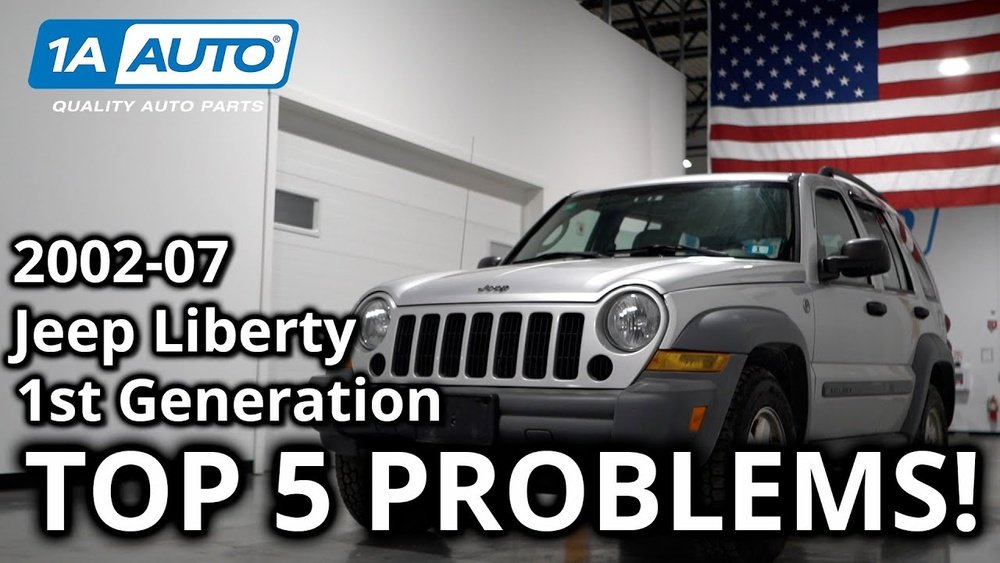
The 2006 Jeep Liberty with the 3.7L engine was a popular SUV for its rugged looks and off-road ability. However, many owners have faced engine problems that can be expensive and stressful. If you own this vehicle or are thinking about buying one, it’s important to know what issues you might face. This guide covers the most common engine problems, how to spot them early, and what you can do to prevent bigger headaches.
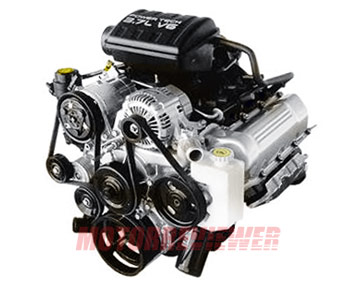
Common Engine Problems In The 2006 Jeep Liberty 3.7
1. Valve Seat Failure
Many 2006 Jeep Liberty owners report valve seat failure. This problem happens when the seats inside the cylinder head become loose or crack, causing misfires or even complete engine failure. You might notice rough idling, poor acceleration, or a check engine light. If ignored, it can lead to major engine damage. Early repair is key, but the fix usually involves expensive head work.
2. Oil Sludge Buildup
The 3.7L engine is known for oil sludge, especially if you skip oil changes. Sludge forms when oil breaks down and thickens, blocking passages and starving the engine of oil. Warning signs include ticking noises, poor performance, and low oil pressure. Regular oil changes with quality oil are the best defense.
3. Piston Ring Wear
Another serious issue is piston ring wear. Worn rings let oil enter the combustion chamber, leading to blue smoke from the tailpipe and high oil consumption. If you’re adding oil often or notice smoke, this could be the reason. Ignoring this problem can destroy the catalytic converter.
4. Timing Chain Tensioner Problems
Some Libertys develop timing chain tensioner failure. The tensioner keeps the chain tight, so if it fails, the chain may jump and cause engine knocking or even catastrophic engine damage. Listen for rattling noises from the engine, especially on cold starts. Replacing the tensioner and chain is the only reliable fix.
5. Head Gasket Failure
Blown head gaskets are a known problem. Coolant and oil can mix, causing white smoke, overheating, and contaminated oil. If you spot coolant loss or milky oil, have the engine checked immediately. Overheating can cause the head gasket to fail, so keeping the cooling system in good shape is vital.
6. Crankshaft Sensor Failure
A failing crankshaft position sensor can cause stalling, rough running, or even a no-start situation. The sensor tells the computer when to fire the spark plugs. Replacing this part is not expensive, but driving with a faulty sensor can leave you stranded.
7. Camshaft Sensor Issues
Similar to the crankshaft sensor, the camshaft position sensor can fail, causing poor engine performance and hard starts. The check engine light often comes on with a trouble code. Replacing the sensor usually solves the issue.
8. Intake Manifold Gasket Leaks
The intake manifold gasket can leak, allowing unmetered air into the engine. This causes rough running, high idle, and sometimes engine codes. The gasket must be replaced to restore proper engine function.
9. Coolant Leaks From Water Pump
The water pump can develop leaks, leading to low coolant and overheating. If you see coolant under the vehicle or the temperature gauge rising, check the water pump. Replacement is the only solution.
10. Thermostat Failure
A stuck thermostat can cause the engine to run too hot or cold. Overheating risks major damage. If you see temperature swings or no heat in winter, the thermostat may need changing.
Data Comparison: Common Symptoms And Repairs
Below is a comparison of symptoms, causes, and typical repair costs for the most frequent engine problems:
| Problem | Common Symptom | Estimated Repair Cost (USD) |
|---|---|---|
| Valve Seat Failure | Misfire, rough idle | 1,200 – 2,000 |
| Oil Sludge | Ticking noise, low pressure | 500 – 1,500 |
| Piston Ring Wear | Blue smoke, oil loss | 1,500 – 3,000 |
| Timing Chain Tensioner | Rattling noise | 1,000 – 1,800 |
| Head Gasket | Overheating, white smoke | 1,200 – 2,500 |
Prevention And Maintenance Tips
- Change oil every 3,000-5,000 miles using high-quality oil to avoid sludge.
- Check coolant levels every month and fix leaks right away.
- Listen for engine noises—rattles, ticks, and knocks need attention.
- Do not ignore the check engine light. Get codes scanned as soon as possible.
- Replace sensors proactively if you notice rough running or stalling.
One mistake owners make is using cheap oil or skipping oil changes. This can quickly lead to sludge and engine failure. Another mistake is ignoring small leaks or overheating. These can turn into big problems fast.
Real-world Reliability Data
According to a 2023 report from CarComplaints.com, the 2006 Jeep Liberty receives a high number of engine-related complaints. The most expensive problem is engine failure, often linked to valve seat and oil issues. Vehicles with good maintenance records last longer and have fewer engine breakdowns.
Table: How Maintenance Impacts Engine Life
| Maintenance Level | Average Engine Life (miles) |
|---|---|
| Poor (irregular oil changes) | 80,000 – 110,000 |
| Average (manufacturer schedule) | 120,000 – 150,000 |
| Excellent (frequent oil changes, repairs) | 180,000+ |
Is The 2006 Jeep Liberty 3.7 Engine Worth It?
The 3.7L engine can last over 180,000 miles with good care. However, repairs can be expensive if problems develop. Many owners sell their Jeep when engine issues start, as repairs often cost more than the vehicle’s value. If you’re considering buying, ask for service records and have a trusted mechanic inspect the engine.
Table: Most Costly Engine Repairs
| Repair | Average Cost (USD) |
|---|---|
| Engine Rebuild/Replacement | 3,000 – 5,000 |
| Head Gasket Replacement | 1,200 – 2,500 |
| Piston Rings | 1,500 – 3,000 |
Frequently Asked Questions
What Is The Most Common 2006 Jeep Liberty 3.7 Engine Problem?
Valve seat failure is the most reported problem. It often leads to misfires, rough idling, or full engine failure if not fixed early.
Can Oil Sludge Be Prevented In The 3.7 Engine?
Yes, regular oil changes with high-quality oil prevent sludge. Avoid waiting too long between changes, especially if you drive in hot or dusty conditions.
Is It Safe To Buy A 2006 Jeep Liberty With The 3.7 Engine?
It depends on the maintenance history. If the engine has had regular oil changes and repairs, it can be reliable. Always have a mechanic inspect before buying.
How Can I Tell If My Engine Has Piston Ring Wear?
Look for blue smoke from the exhaust and high oil use. If you notice these symptoms, have the engine checked soon.
Where Can I Find More Information About Jeep Liberty Reliability?
You can find detailed data and owner reports at Consumer Reports.
Taking care of your 2006 Jeep Liberty 3. 7 engine can save you time, money, and stress. Regular maintenance and early repairs are the best way to enjoy your SUV for years to come.