Many Jeep owners love the freedom and style of a soft top, but sometimes want the durability and comfort of a hardtop. The question often comes up: can you put a hardtop on a soft top Jeep?
The short answer is yes, but the process has details you need to know. This guide will walk you through everything—from compatibility, installation steps, costs, and key tips—to help you decide if switching is right for you.
Soft Top Vs Hardtop: What’s The Real Difference?
Both options have their unique advantages. A soft top Jeep is light, easy to remove, and great for open-air driving. However, it can be noisy and less secure. A hardtop Jeep offers more insulation, better security, and improved durability, but is heavier and harder to remove.

Here’s a quick comparison:
| Feature | Soft Top | Hardtop |
|---|---|---|
| Weight | Light (40–60 lbs) | Heavy (100–150 lbs) |
| Weather Protection | Moderate | Excellent |
| Noise Level | High | Low |
| Security | Low | High |
| Removal Ease | Easy (5–20 min) | Difficult (30–60 min) |
Many drivers don’t realize that hardtops offer 20% better insulation, keeping you warmer in winter and cooler in summer. Also, insurance companies may give discounts for vehicles with hardtops due to increased theft protection.
Can You Switch From Soft Top To Hardtop?
If your Jeep model is a Wrangler, CJ, or Gladiator, it’s usually possible to install a hardtop. Most modern Jeeps have factory mounting points for both tops, making the switch easy. However, older or customized Jeeps may need extra brackets or modifications.
Here’s what to check:
- Model Year and Fit: Hardtops are not universal. You need one built for your Jeep’s year and body style (2-door vs 4-door).
- Mounting Hardware: Ensure your Jeep has the right mounting holes and latches. Some older soft top-only Jeeps need extra hardware.
- Electrical Connections: Hardtops may have rear wipers, defrosters, or dome lights. If your Jeep doesn’t have wiring, you’ll need a kit.
Most soft top Jeeps are ready for hardtop installation, but check your manual or ask a dealer to avoid surprises.
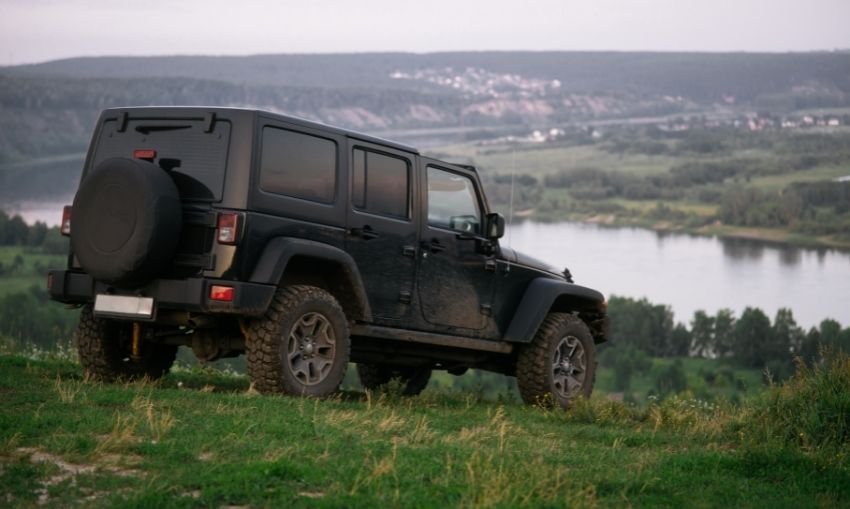
Steps To Install A Hardtop On A Soft Top Jeep
Switching to a hardtop is a practical project. Here’s how to do it:
- Remove the Soft Top: Take off the canvas, frame, and hardware. Clean the mounting areas.
- Inspect Mounts: Check for corrosion, damage, or missing parts. Replace or repair as needed.
- Install Hardtop: With help (hardtops are heavy! ), align the hardtop with the body. Secure it with bolts and latches.
- Connect Wiring: If your hardtop has electronic features, connect the wiring harness. If not present, install a kit.
- Test Features: Check all features—doors, windows, wipers, lights—to ensure everything works.
Most installations take 1–2 hours. Having another person helps avoid damage. Some shops charge $150–$300 for installation.
Costs: What Should You Expect?
Switching from a soft top to a hardtop involves several costs:
| Item | Average Cost |
|---|---|
| New Hardtop | $1,500–$2,500 |
| Used Hardtop | $800–$1,500 |
| Mounting Hardware | $50–$200 |
| Wiring Kit | $100–$250 |
| Professional Installation | $150–$300 |
Buying used hardtops can save money, but check for cracks, leaks, or missing parts. Many Jeep forums and local shops offer deals.

Common Mistakes And How To Avoid Them
Switching tops is simple, but mistakes happen. Here are two non-obvious issues:
- Wrong Model Year: Many beginners buy hardtops for the wrong year. Even small differences cause leaks or poor fit.
- Ignoring Wiring: Hardtops often need wiring for defrosters and wipers. Forgetting this means features won’t work.
Other mistakes include tightening bolts too much (can crack fiberglass), forgetting to clean seals, or not checking all hardware.
Practical Tips For A Smooth Swap
- Store Your Soft Top Properly: Keep it dry and folded to prevent mold. Many people leave it outside and it gets ruined.
- Use Silicone Grease: Lubricate seals to prevent leaks.
- Lift With Friends: Hardtops are heavy and awkward. Two or three people make the job safer.
- Check Local Laws: Some states require working rear wipers or defrosters for inspection.
Many Jeep owners find swapping tops easy, but preparation saves time and money.
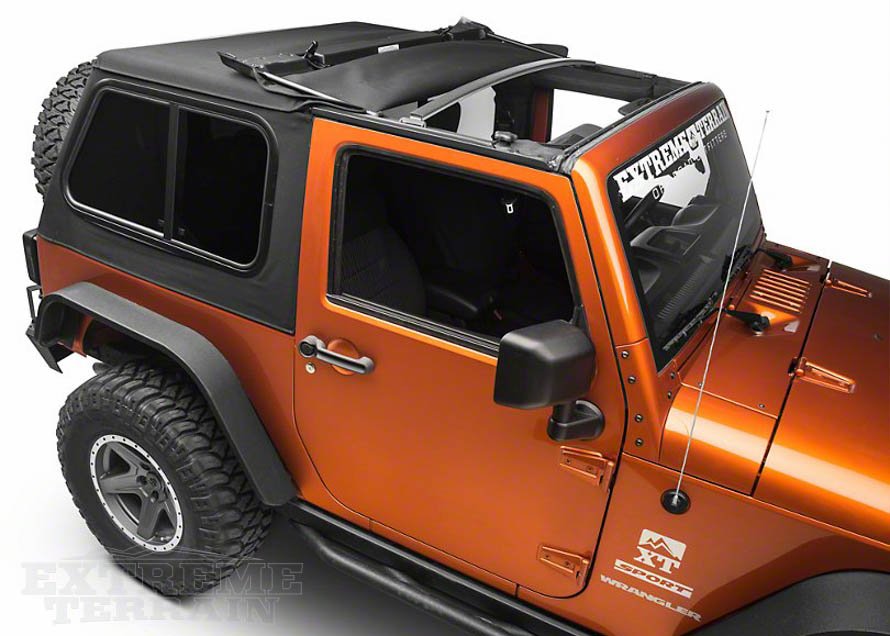
Hardtop Brands: Which Should You Choose?
Many companies make Jeep hardtops. Here’s a simple comparison:
| Brand | Material | Warranty | Extra Features |
|---|---|---|---|
| Mopar | Fiberglass | 3 Years | Factory Fit, Rear Defroster |
| Rugged Ridge | Fiberglass | 2 Years | Tinted Windows, Custom Colors |
| DV8 Offroad | Fiberglass | 1 Year | Fastback Design, Light Weight |
Choose brands with good reviews and warranties. Factory tops (Mopar) are best for fit and resale value.
Is Switching Worth It?
If you want better security, weather protection, and quiet driving, a hardtop is a smart choice. If you love open-air rides and easy removal, keep your soft top. Many Jeep owners switch seasonally—soft top in summer, hardtop in winter.
Remember, resale value is higher with a hardtop. According to Kelley Blue Book, Jeeps with factory hardtops sell for $700–$1,200 more on average.
Frequently Asked Questions
Can I Use My Old Soft Top After Installing A Hardtop?
Yes, you can swap back whenever you want. Just store the soft top safely to prevent damage.
Do I Need New Doors For A Hardtop?
Usually not. Most Jeep doors fit both tops.
However, some older Jeeps have half-doors that may need adjustments.
How Long Does Installation Take?
If you have help and the right tools, expect 1 2 hours. Professional shops do it faster, but charge extra.
Will A Hardtop Make My Jeep Quieter?
Absolutely. Hardtops reduce road and wind noise by up to 50%, making highway driving more comfortable.
Is A Hardtop Heavier Than A Soft Top?
Yes. Hardtops weigh about 100 150 lbs, while soft tops are only 40 60 lbs. Plan for extra help during installation.
Switching from a soft top to a hardtop is possible, practical, and popular among Jeep owners. With the right preparation and understanding, you can enjoy the benefits of both worlds, making your Jeep perfect for every season and adventure.