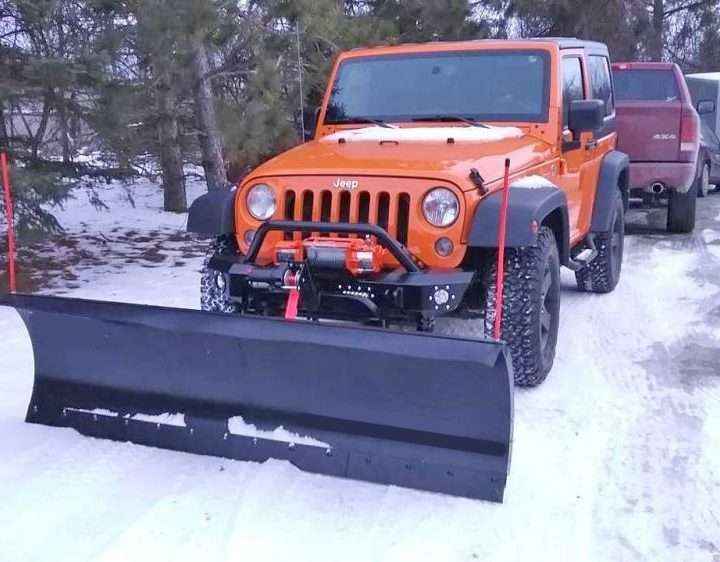
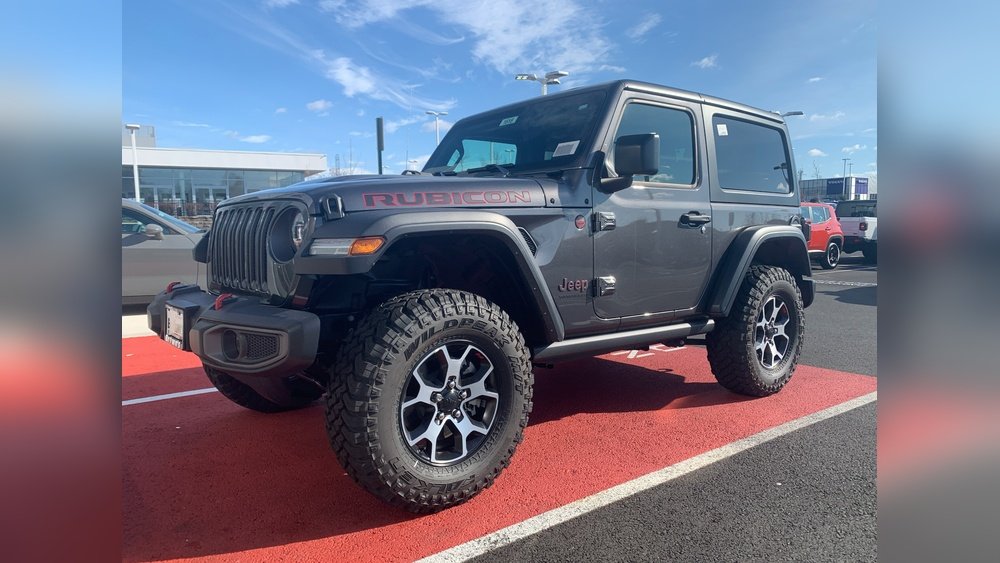
Many Jeep Wrangler owners wonder if their vehicle is tough enough for snow plowing. Maybe you live in a snowy region, want to help neighbors, or just need to clear your own driveway.
The Jeep Wrangler is famous for its off-road strength, but can it really handle a snow plow?
The answer is not as simple as yes or no. Let’s explore what makes a Wrangler suitable (or not) for this demanding job, what you need to know before attaching a plow, and how it compares to other vehicles.
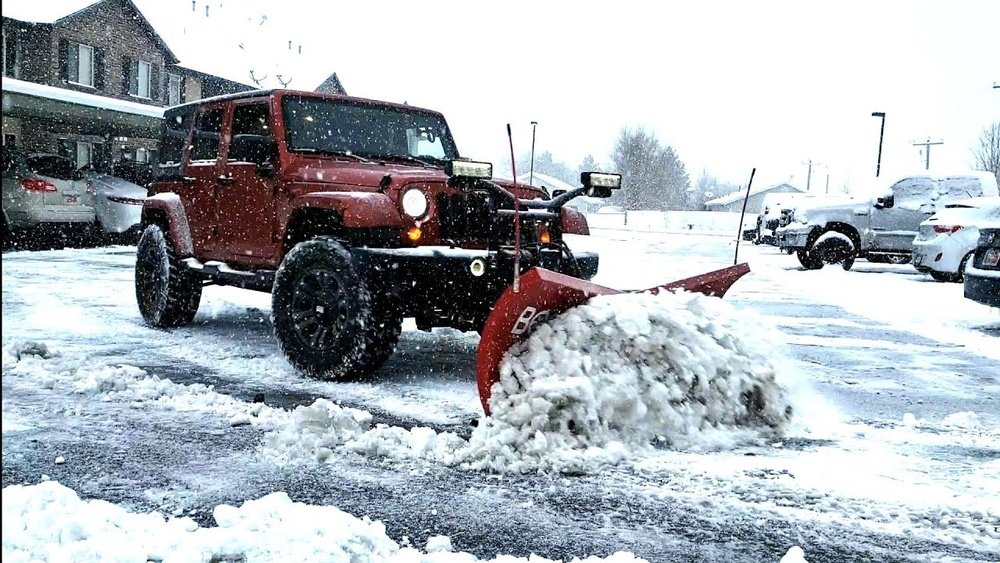
Is A Jeep Wrangler Built For Plowing?
The Jeep Wrangler is a rugged, four-wheel-drive vehicle. It’s designed for rocky trails and muddy backroads, not deep snowbanks. Still, many people use Wranglers for light-duty plowing and get good results. The frame is strong, the 4×4 system is reliable, and the short wheelbase makes it easy to turn in tight spaces.
However, the Wrangler is lighter than most pickup trucks. Its front axle and suspension were not built for the heavy weight of a plow. If you push your Jeep too hard, you risk damaging the suspension, steering, or transmission.
Key Factors Before Plowing With A Wrangler
If you want to put a plow on your Wrangler, you need to think about a few important details. Here’s what matters most:
Model And Engine Type
Not every Wrangler is the same. Older YJ and TJ models have less powerful engines and lighter frames. Recent models (JK, JL) are stronger and have better cooling systems. A V6 engine will perform better than a 4-cylinder, especially when moving heavy, wet snow.
Weight Of The Plow
A heavy plow can overload the front of your Jeep. Most experts suggest a plow that weighs between 250–400 pounds for the Wrangler. Aluminum plows are lighter and put less stress on your suspension.
Modifications And Upgrades
Some upgrades make plowing safer and easier:
- Heavy-duty front springs or air suspension kits help support plow weight.
- Transmission coolers keep things from overheating.
- Snow-rated tires improve traction.
Intended Use
If you only plan to clear your driveway or short parking lots, a Wrangler is usually fine. For long hours or commercial jobs, a pickup truck is a smarter investment.
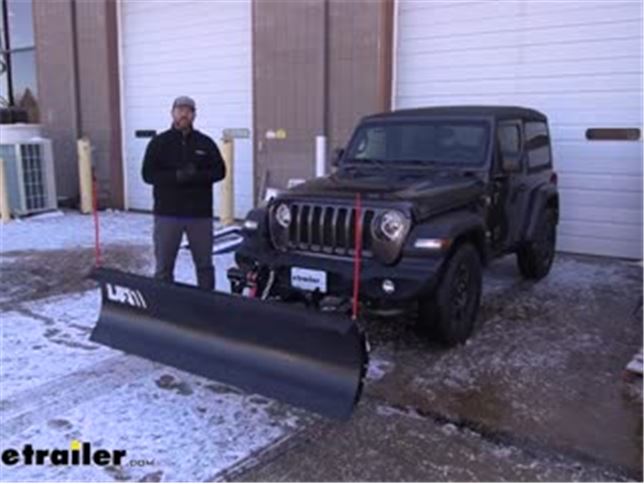
Plowing Capabilities: Wrangler Vs Other Vehicles
How does the Wrangler compare to other common plow vehicles? Here’s a quick look:
| Vehicle | Recommended Plow Weight | Turning Radius | Typical Use |
|---|---|---|---|
| Jeep Wrangler | 250–400 lbs | Small (tight) | Driveways, small lots |
| Half-ton Pickup | 350–700 lbs | Medium | Driveways, small to medium lots |
| Three-quarter Ton Truck | 700–1000 lbs | Large | Large lots, roads |
The Wrangler’s short wheelbase is a plus for maneuvering but limits how much snow you can push at once.
Pros And Cons Of Plowing With A Jeep Wrangler
Every vehicle has strengths and weaknesses. Here’s what to expect with a Wrangler:
| Pros | Cons |
|---|---|
| Great maneuverability | Limited plow size |
| Strong 4×4 system | Possible suspension wear |
| Fits tight spaces | Lower pushing power |
| Easy to see all sides | Not ideal for commercial work |
Installation Tips And Common Mistakes
Before you start plowing, keep these practical tips in mind:
- Choose the right plow. Make sure it matches your Wrangler’s year and model. Most brands have special brackets for the Wrangler frame.
- Install front suspension helpers. This prevents the front end from sagging under the plow’s weight.
- Wire the plow correctly. Poor wiring can drain your battery or damage electronics.
- Balance the load. Extra weight in the back (like sandbags) helps keep traction on rear wheels.
- Don’t ignore your transmission. Plowing puts extra stress on the transmission. Change fluid often and consider an added cooler.
A mistake many beginners make: ignoring the Jeep’s payload rating. Overloading your Wrangler can lead to broken parts and expensive repairs.
Real-world Experience And Insights
Many Jeep owners plow their own driveways for years without problems. The Wrangler’s size makes it perfect for tight suburban spaces. But here’s a point most new users miss: deep, wet snow is much harder to move than fluffy snow. Even a light plow can struggle when snow is heavy or packed.
Another hidden challenge is plow bounce. Because the Wrangler is lighter, its front end can bounce or slide over icy patches, making it harder to control the plow blade. Taking it slow and using low gear helps.
If you plan to plow often, a small investment in aftermarket upgrades like skid plates, LED lights, and rust protection will keep your Jeep working for years.
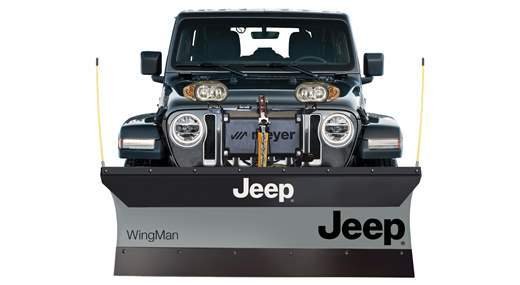
Maintenance And Longevity
Plowing is tough on any vehicle. With a Wrangler, regular checks are crucial:
- Inspect suspension and steering after each season.
- Wash off road salt and snow to prevent rust.
- Keep an eye on the battery and alternator.
- Check for leaks, especially if you smell hot fluid.
A well-cared-for Wrangler can plow for many winters, but skipping maintenance will shorten its life quickly.
Frequently Asked Questions
Can All Jeep Wranglers Use A Plow?
Not every Wrangler is suitable. Most can handle a light plow, but older or 2-door models may have lower payload ratings. Always check your owner’s manual and talk with a plow installer to be sure.
What Is The Best Plow Size For A Jeep Wrangler?
A plow between 6 and 7 feet wide is usually ideal. Anything larger can strain the Jeep’s frame and suspension. Lighter, aluminum plows are often a better choice.
Will Plowing Void My Jeep’s Warranty?
Adding a plow may affect your warranty, especially if it causes damage. Always ask your dealer before installing a plow. Some parts, like suspension, are more likely to be excluded.
Can I Plow Deep Snow With My Wrangler?
You can handle moderate snow (up to 6–8 inches) easily. For heavy, wet, or deep snow, a pickup truck with more power and weight will do a better job.
Where Can I Find More Info About Plowing With A Jeep?
For more technical details and advice, check out the Fisher Plows Jeep Plow Guide.
A Jeep Wrangler can be a fun and capable plow vehicle for small jobs. If you respect its limits, upgrade wisely, and keep up with maintenance, your Wrangler will serve you well for many winters.
For bigger jobs or deep snow, consider a heavier truck but for driveways and tight corners, the Wrangler stands out.