If you drive a Jeep and fill up at the pump, you might wonder: Can I use Unleaded 88 in my Jeep? This question is important because using the wrong fuel can damage your engine or affect performance.
Unleaded 88 (also called E15) is becoming more common in the US, and many drivers want to know if it’s safe for their vehicles. Let’s break down what Unleaded 88 is, how it compares to other fuels, and whether it’s a good fit for your Jeep.
What Is Unleaded 88?
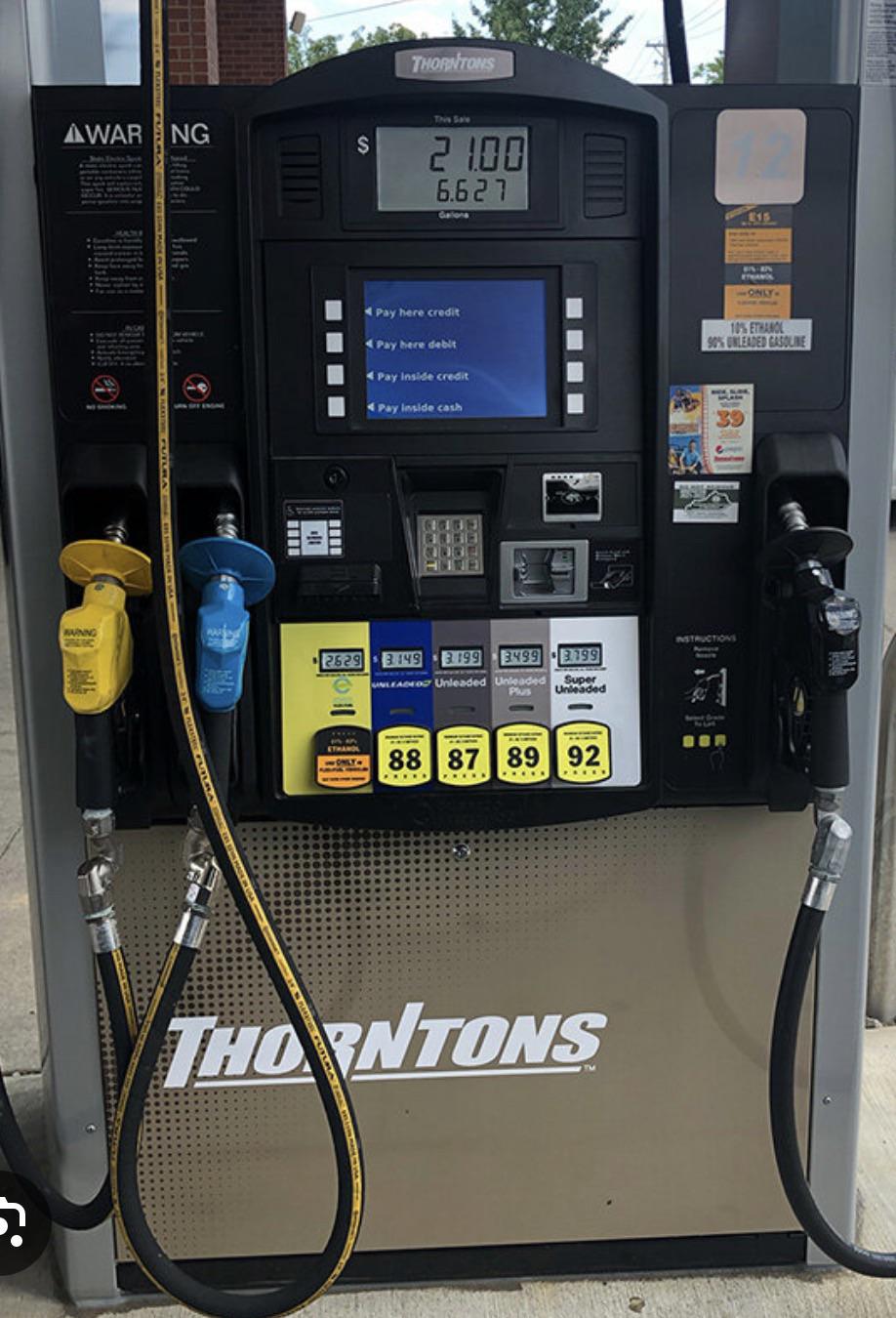
Unleaded 88 is a type of gasoline that contains 15% ethanol and 85% gasoline. It is sometimes called E15. Compared to regular unleaded (E10), which has 10% ethanol, Unleaded 88 has a bit more ethanol. The “88” comes from its octane rating, which is slightly higher than regular 87 octane fuel.
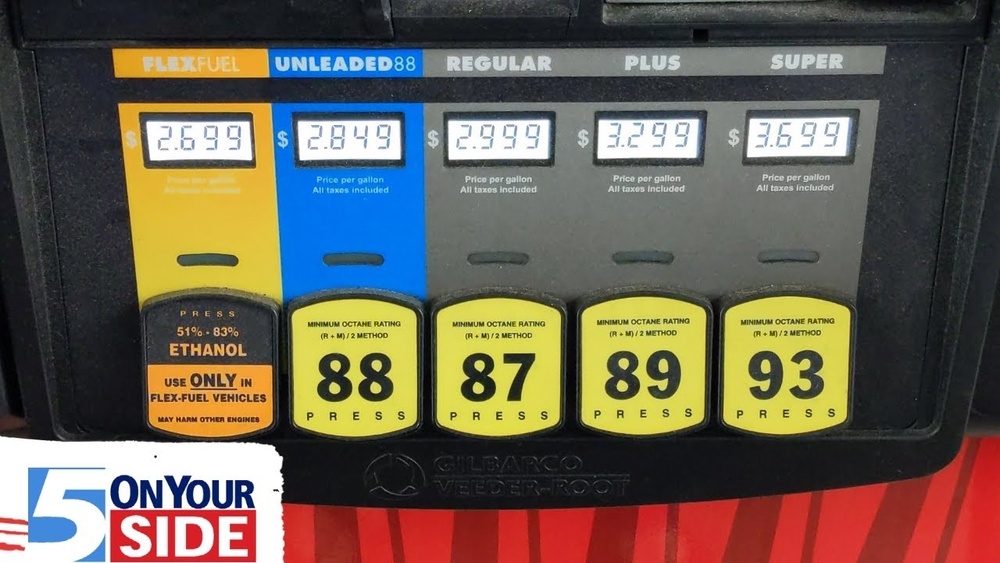
- Ethanol percentage: 15%
- Octane rating: 88
- Common names: E15, Unleaded 88
Jeep Engine Compatibility
Not every Jeep model can safely use Unleaded 88. Most modern Jeeps made after 2001 are designed to handle E15. However, older Jeeps or performance models may not be compatible. Always check your owner’s manual or fuel cap for recommended fuel types.
Which Jeeps Can Use Unleaded 88?
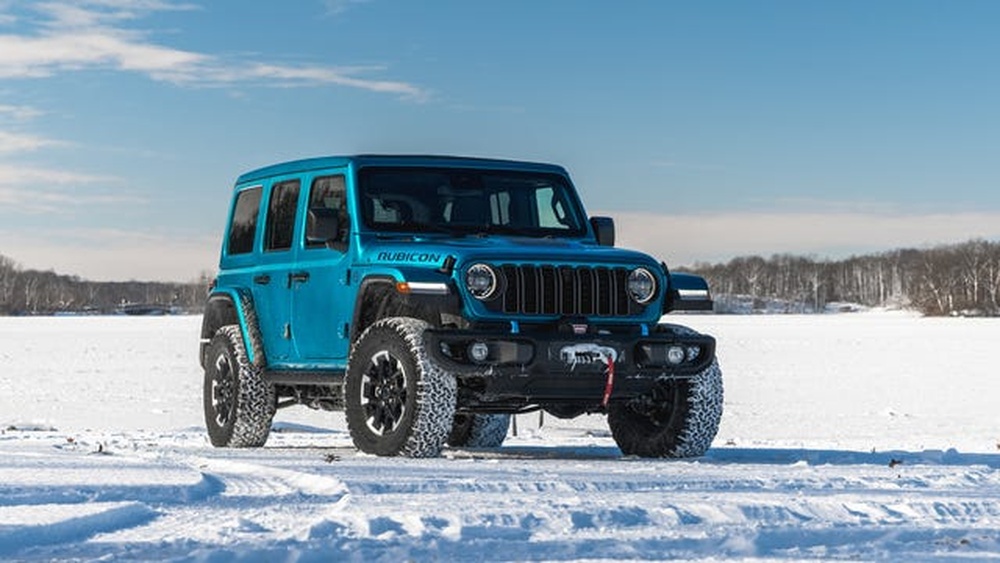
- Jeep Wrangler (2001 and newer): Compatible.
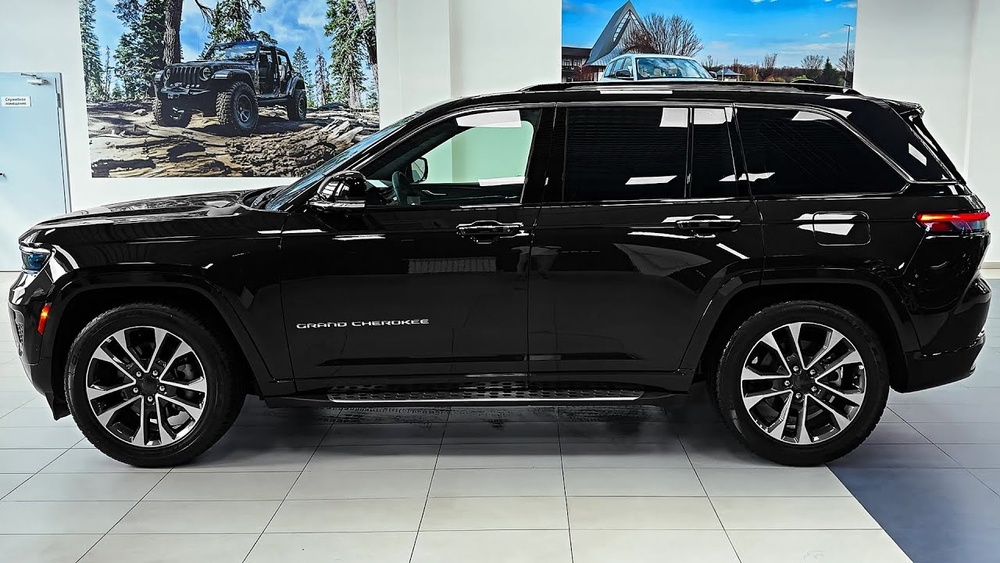
- Jeep Grand Cherokee (2001 and newer): Compatible.
- Jeep Cherokee (2001 and newer): Compatible.
- Jeep Compass (all model years): Compatible.
- Jeep Renegade (all model years): Compatible.
- Jeep Gladiator (all model years): Compatible.
- Jeep Patriot (all model years): Compatible.
- Jeep Liberty (2002 and newer): Compatible.
- Jeep Commander (all model years): Compatible.
- Jeep Wagoneer (new models): Compatible.
Older models (pre-2001) should NOT use Unleaded 88. Using E15 in these engines can cause engine knocking, fuel system damage, and warranty issues.
Unleaded 88 Vs Other Gasoline Types
To understand the differences, look at this comparison.
| Fuel Type | Ethanol Content | Octane Rating | Compatibility |
|---|---|---|---|
| Regular Unleaded (E10) | 10% | 87 | Most vehicles |
| Unleaded 88 (E15) | 15% | 88 | 2001+ vehicles |
| Premium Unleaded | Up to 10% | 91-93 | High-performance engines |
Benefits Of Using Unleaded 88
- Lower emissions: E15 burns cleaner, reducing greenhouse gases.
- Slightly higher octane: This can help prevent engine knock.
- Often cheaper: Unleaded 88 is usually less expensive than premium gasoline.
- Supports US corn industry: Ethanol is made from corn, supporting farmers.
- Approved for most new cars: The EPA says 2001+ vehicles can safely use E15.
Possible Risks And Downsides
- Not for older engines: Pre-2001 Jeeps may have rubber parts that don’t handle ethanol well.
- Reduced fuel economy: Ethanol has less energy than gasoline, so you may get fewer miles per gallon.
- Warranty concerns: If your Jeep is not approved for E15, using it may void your warranty.
- Limited availability: Not all gas stations offer Unleaded 88.
How To Check If Your Jeep Can Use Unleaded 88
- Read your owner’s manual: Look for fuel recommendations.
- Check the fuel cap: Some caps say “E15 approved.”
- Ask your dealer: Dealers know which models can use E15.
- Look for EPA approval: The EPA provides a list of compatible vehicles (EPA official site).
Real-world Example
A Jeep Grand Cherokee owner switched from E10 to Unleaded 88. They noticed:
- No change in performance
- Slight decrease in fuel economy (about 1 mile per gallon less)
- Lower fuel costs (saved about $2 per fill-up)
This shows that for compatible Jeeps, Unleaded 88 is a safe and cost-effective choice. However, results may vary based on driving style and local fuel quality.
Common Mistakes When Using Unleaded 88
- Using it in older Jeeps: Always check model year.
- Ignoring fuel recommendations: This can cause problems.
- Confusing E15 with E85: E85 is for flex-fuel vehicles only.
- Assuming more octane means better performance: Not always true for regular engines.
Unleaded 88 Availability
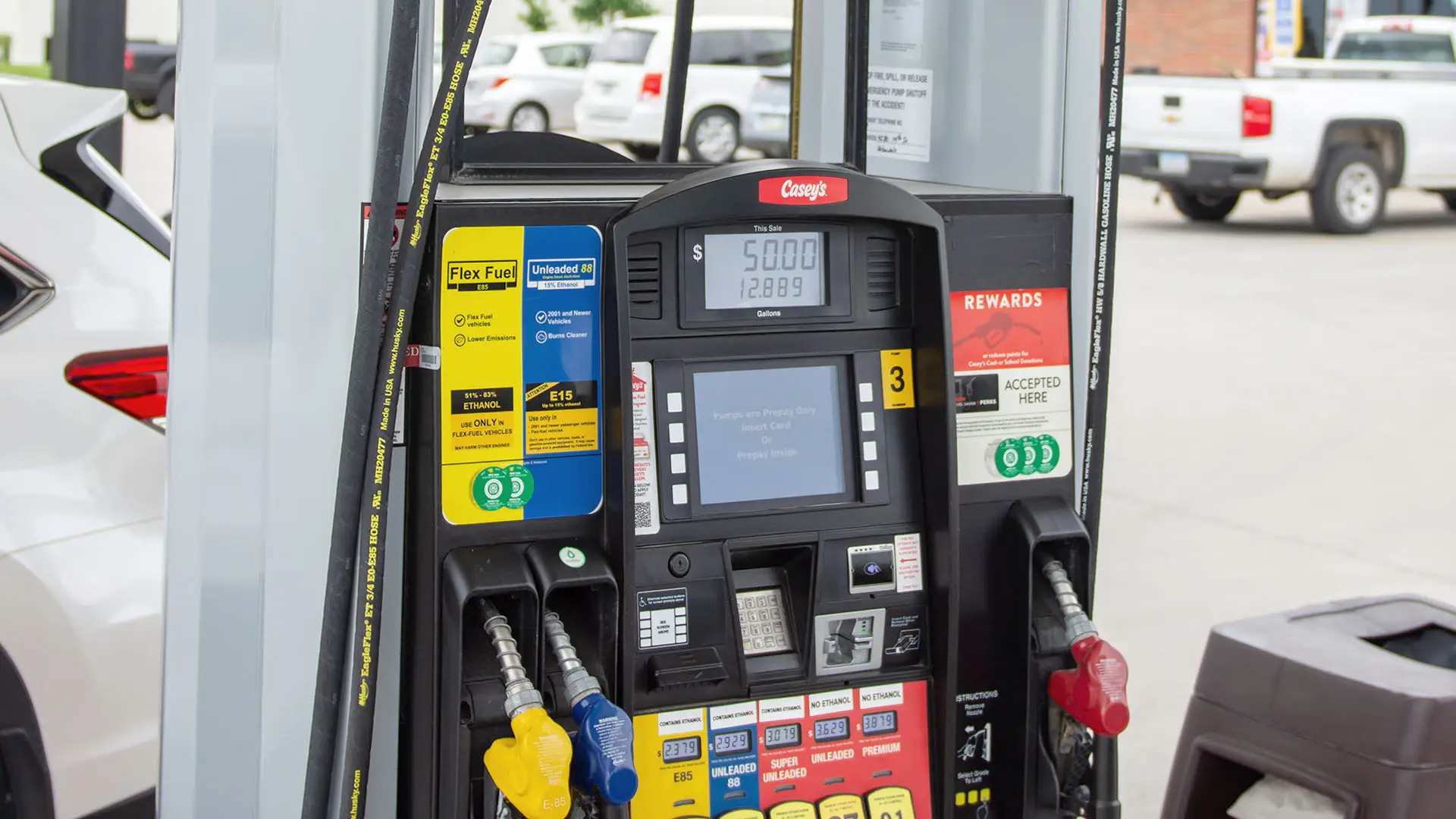
Unleaded 88 is available at over 2,000 stations across the US, mainly in the Midwest. Some states restrict its use during summer months due to evaporation concerns.
| State | Stations | Summer Restrictions |
|---|---|---|
| Iowa | 400+ | None |
| Illinois | 300+ | Some |
| Ohio | 250+ | None |
Fuel Economy And Performance
Studies show E15 (Unleaded 88) can reduce fuel economy by 1-2% compared to E10. For a Jeep that gets 20 mpg, this means you might get 19.6 mpg on Unleaded 88. Most drivers won’t notice this small difference, but it’s good to be aware.
Tips For Safe Use
- Only use Unleaded 88 if your Jeep is 2001 or newer
- Monitor fuel economy and engine performance
- Don’t mix E15 with E85
- Avoid Unleaded 88 in high-performance or modified engines unless approved
Frequently Asked Questions
Can I Use Unleaded 88 In A Jeep Wrangler?
Yes, you can use Unleaded 88 in a 2001 or newer Jeep Wrangler. Older models should use E10.
Will Unleaded 88 Affect My Jeep’s Warranty?
If your Jeep is approved for E15, your warranty is safe. Using it in older Jeeps may void coverage.
No, premium has higher octane and is for performance engines. Unleaded 88 is fine for regular engines.
Does Unleaded 88 Cause Engine Damage?
Not if used in approved vehicles. Using it in older Jeeps can cause engine issues.
Where Can I Find Unleaded 88?
It’s available at many stations, especially in the Midwest. Check local stations or the EPA site for locations.
If you own a newer Jeep, Unleaded 88 offers a safe, economical option. Always check your vehicle’s manual, and remember that the right fuel keeps your Jeep running smoothly for years.