Driving a Jeep with a soft top gives you freedom and fun, but it also brings special care challenges. One common question Jeep owners ask is: Can I take my soft top Jeep through a carwash? You want your Jeep clean, but not at the risk of damage or leaks. Let’s dig into what you need to know before heading to the nearest automatic carwash.
Understanding Your Jeep Soft Top
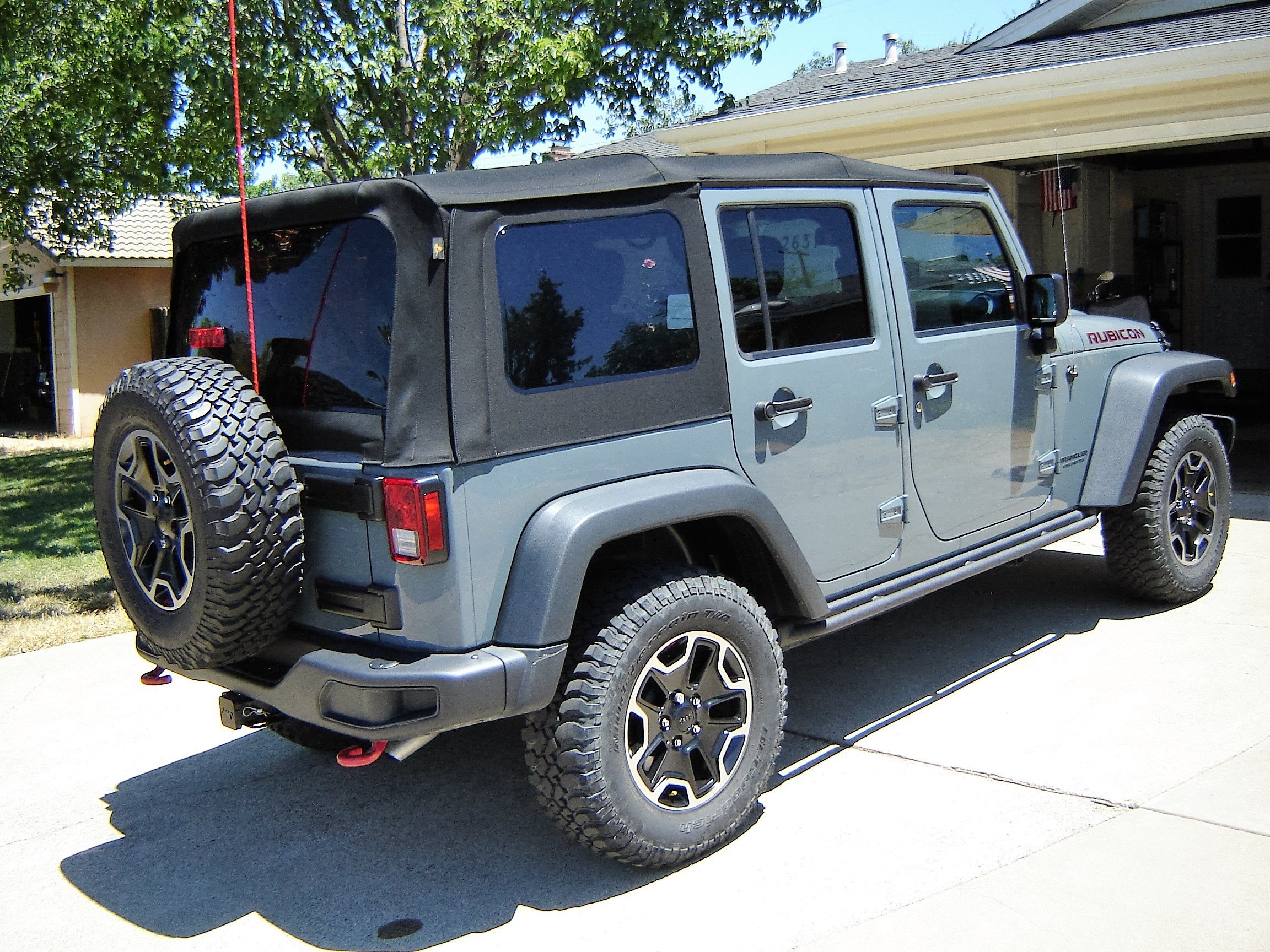
A soft top is made of fabric or vinyl, not metal or glass like a hardtop. This design keeps your Jeep light and flexible, but it isn’t as sturdy. Soft tops have seams, zippers, and plastic windows. These parts can react differently to water pressure, brushes, and chemicals in a carwash. Knowing your top’s material and age helps you make safer cleaning choices.
Types Of Carwashes And Their Impact
Not all carwashes are equal. Some are gentle, others can be rough. Here’s a look at common types and what they mean for your Jeep’s soft top:
| Carwash Type | Safety for Soft Tops | Risks |
|---|---|---|
| Touchless Automatic | Usually safe | High water pressure can force leaks |
| Soft Cloth Automatic | Risky | Cloths can catch on zippers, tear windows |
| Brush Automatic | Not recommended | Brushes may scratch or damage vinyl and plastic |
| Hand Wash | Safest | Time-consuming but gentle |
Manufacturer Guidelines And Real-world Advice
Jeep’s official advice is clear: hand washing is safest for soft tops. The owner’s manual for most Jeeps warns against automatic carwashes, especially those with brushes or high-pressure jets. Some Jeep owners have used touchless carwashes with no problems, but leaks, scratches, or ripped seams are still possible.
You might be tempted to take a shortcut, but remember: warranty coverage usually does not include damage from automatic carwashes. If your top leaks or tears, repairs can be costly.
What Really Happens In A Carwash?
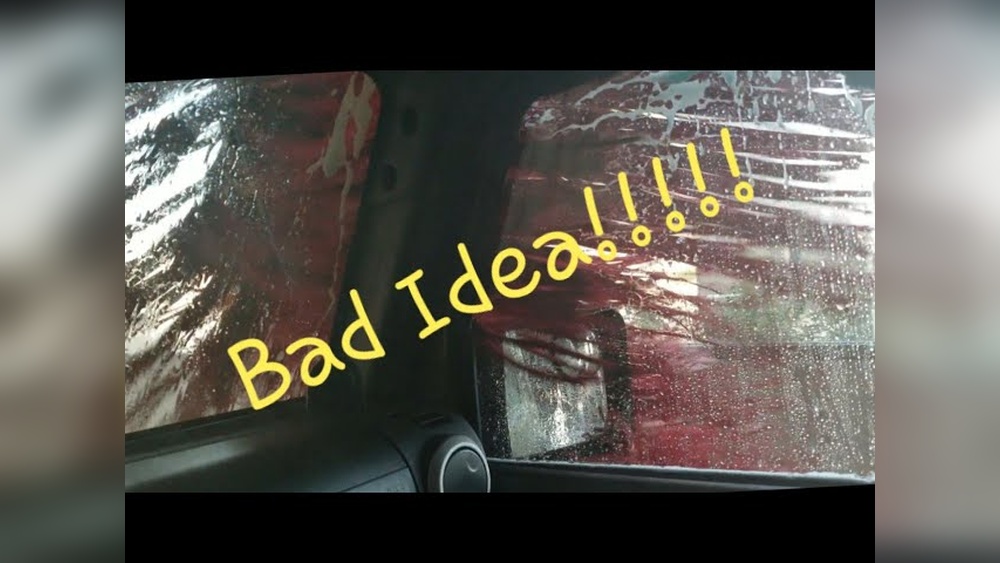
Automatic carwashes use strong water jets, spinning brushes, and chemicals. For a soft top Jeep, here’s what can go wrong:
- Water Leaks: High-pressure water can force its way through seams or zippers.
- Window Scratches: Brushes and cloths may scratch the soft plastic windows.
- Tears and Rips: Cloths or brushes can catch on straps or zippers.
- Chemical Damage: Some soaps degrade fabric or plastic, causing fading or brittleness.
A survey among Jeep owners found about 35% had leaks after using automatic carwashes. Around 20% noticed scratches or wear on windows. These numbers show the risk is real, not just a rare problem.

Best Way To Wash A Soft Top Jeep
If you want your Jeep to last, follow these steps for safe cleaning:
- Rinse with water first to remove dust and grit.
- Use a soft sponge or microfiber mitt with soap made for convertible tops.
- Gently scrub the fabric, avoiding heavy pressure on zippers and seams.
- Clean plastic windows with a product made for soft plastics. Never use glass cleaner—it can cause cloudiness.
- Rinse well to remove all soap.
- Air dry or gently blot with a towel. Don’t use high heat or direct sun for long periods.
Here’s a simple comparison of cleaning methods:
| Method | Time Needed | Safety for Soft Top |
|---|---|---|
| Automatic Carwash | 5-10 minutes | Risk of leaks/damage |
| Self-Service Pressure Wash | 15-20 minutes | Safe if using low pressure |
| Hand Wash | 30-40 minutes | Safest |
Tips For Reducing Risk If Using A Carwash
If you must use an automatic carwash, here’s how to lower the risk:
- Pick a touchless (no brushes or cloths) carwash.
- Tell the staff you have a soft top. Some places will let you skip dryers or brushes.
- Tape or secure any loose flaps, zippers, or straps before entering.
- Avoid very cold days—cold vinyl and plastic are more likely to crack.
- Check seams and windows after washing for leaks or new scratches.

Common Mistakes To Avoid
Many Jeep owners make simple mistakes that can lead to damage:
- Using household cleaners (they can dry out or fade soft top material)
- Ignoring small rips or leaks (they get worse with each wash)
- Using abrasive towels on plastic windows (causes permanent scratches)
- Running through brush carwashes for speed (often leads to torn seams)
Soft Top Maintenance After Washing
Keeping your soft top in good shape doesn’t end with cleaning. Here are two often-missed tips:
- Apply protectant made for soft tops every few months. This keeps the fabric or vinyl flexible and water-resistant.
- Lubricate zippers with a silicone-based spray. This prevents them from sticking or wearing out.
A well-maintained soft top can last 5–7 years, but harsh washing shortens its life.
Real Owner Experiences
Many Jeep forums are full of stories about carwash choices. Some owners have used touchless carwashes for years with no leaks, while others had window fogging or seam tears after just one wash. The safest route is always hand washing, but careful use of touchless carwashes is possible—if you check for leaks or problems after each wash.
If you want more details about Jeep soft top care, the official Jeep website offers useful guides.
Frequently Asked Questions
Can A Soft Top Jeep Go Through A Touchless Carwash?
Yes, but there’s a risk. Touchless carwashes don’t use brushes, so they’re less likely to scratch. However, the high-pressure water can still force leaks through seams or zippers. Always check your soft top after washing.
Will An Automatic Carwash Damage My Jeep’s Soft Top Windows?
It’s possible. Plastic windows scratch easily. Brushes or cloth strips in automatic carwashes can leave permanent marks or cause fogging. Use only gentle cleaners and microfiber towels on windows.
What Soap Should I Use For Hand Washing My Soft Top Jeep?
Use a cleaner made for convertible tops or soft tops. These are gentle on fabric and plastic. Avoid strong detergents or household cleaners—they can dry out or fade the material.
How Often Should I Wash My Soft Top Jeep?
Wash your Jeep every two weeks or as needed, especially after muddy trips. Regular washing prevents dirt from building up, which can cause scratches or stains.
What Should I Do If My Soft Top Leaks After A Carwash?
First, dry the area and check for visible damage. Tighten any loose hardware. Small leaks may be fixed with seam sealers or patches. If leaks continue, see a professional or your dealer for repair advice.
Taking your soft top Jeep through a carwash is possible, but it comes with risks. Choosing the right washing method protects your investment and keeps your Jeep looking its best. Hand washing is safest, but if you use a carwash, pick touchless and check your top carefully after each wash.
With the right care, your soft top will last for years of adventures.