When winter arrives, many Jeep owners start to wonder: Are soft tops good in winter? Jeep Wranglers and other models are famous for their removable roofs, giving drivers a unique open-air experience in summer.
But as the cold sets in, questions about warmth, safety, and comfort become more important. If you use your Jeep as a daily driver or for winter adventures, knowing how a soft top handles snow, ice, and low temperatures can help you decide if it’s right for you.
How Jeep Soft Tops Handle Winter Weather
Jeep soft tops are made from strong materials like vinyl, canvas, or sailcloth. These materials can keep out rain and snow, but they have some limits compared to hard tops.
Insulation And Warmth
Soft tops do not insulate as well as hard tops. The material is thinner, so cold air can seep in more easily. Even with the heater on, you might notice the cabin feels cooler, especially during long drives in freezing weather. That said, most modern Jeep heaters are strong and can keep you warm, but the energy loss is higher with a soft top.
Snow And Ice
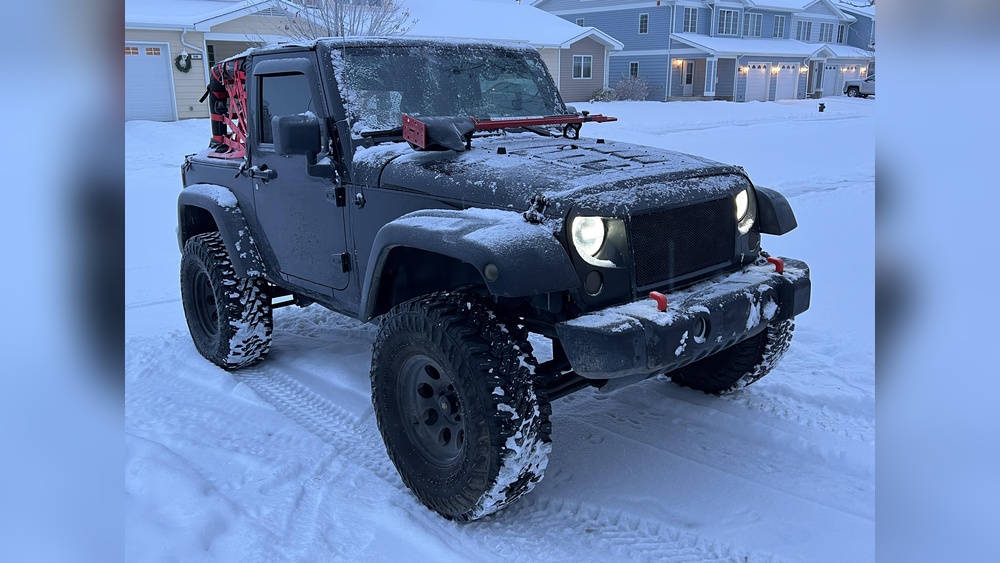
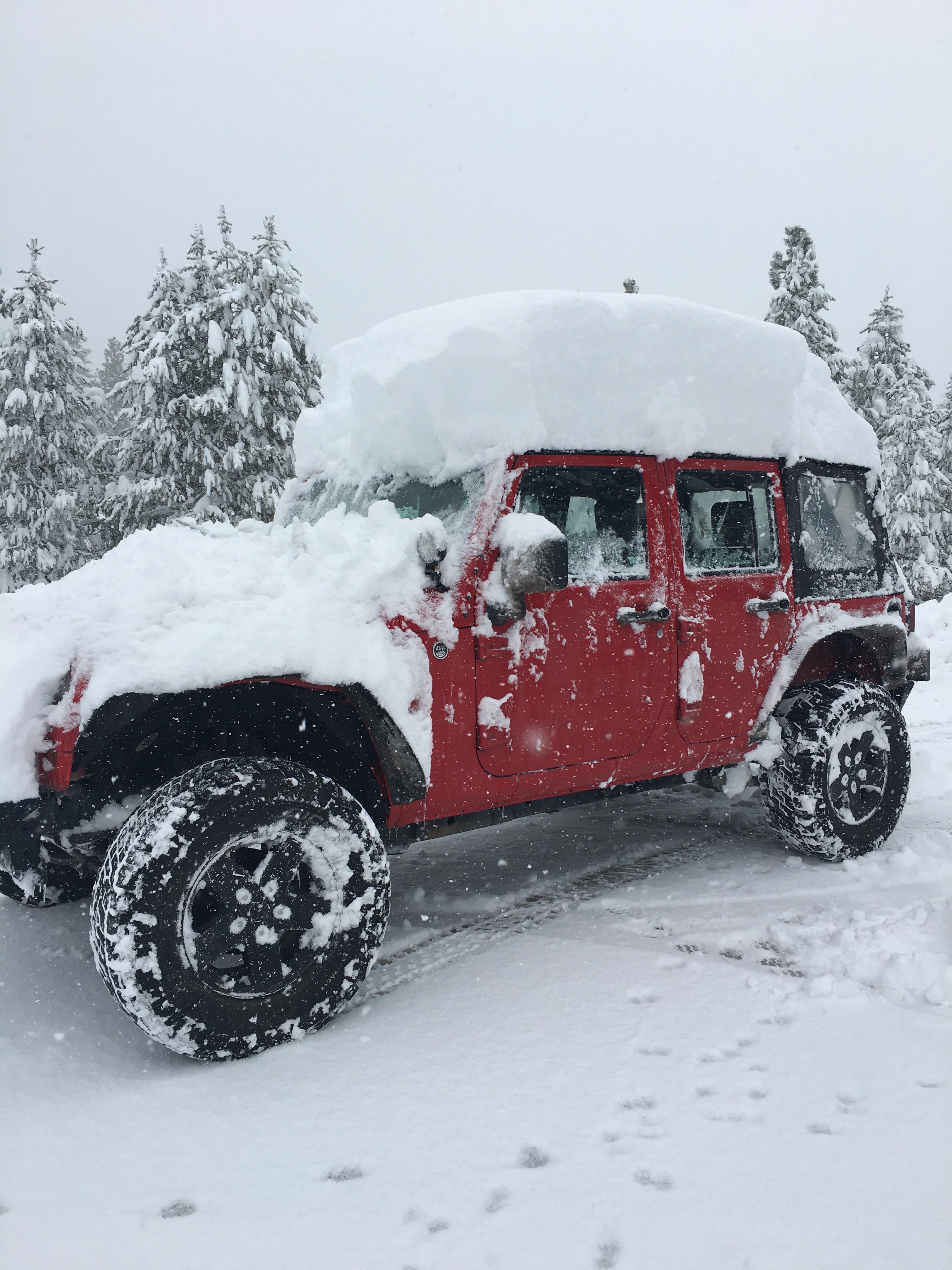
A good quality soft top can handle snow, but heavy, wet snow can cause problems. If snow piles up, it puts pressure on the fabric and frame. It’s important to clear snow regularly to prevent damage. Ice can also build up on the windows, which are usually made from plastic, not glass. Scraping plastic windows can scratch them, so use a soft brush or warm water if you need to remove ice.
Wind And Noise
Cold winds are more likely to get through the seams of a soft top, and winter storms can make your Jeep noisier inside. Some newer soft tops have better seals, but you may still hear more wind and road noise compared to a hard top.
Here’s a quick comparison of soft tops vs. hard tops in winter:
| Feature | Soft Top | Hard Top |
|---|---|---|
| Insulation | Poor to fair | Excellent |
| Noise Control | More noise | Less noise |
| Weight | Light | Heavy |
| Snow Load | Clear often | Handles more weight |
Benefits Of Jeep Soft Tops In Winter
Despite the challenges, there are some real benefits to keeping your soft top on during winter.
- Flexibility: If you get a warm winter day, you can still open up the top for fresh air. This is something hard top owners can’t do easily.
- Light Weight: Soft tops are lighter, which can help with fuel efficiency and makes your Jeep easier to handle if you get stuck in deep snow.
- Easy Storage: If you need to change to a hard top, soft tops are easy to remove and store in your garage or basement.
Common Problems And Practical Solutions
Leaks
Soft tops can develop leaks, especially if they are old or not installed correctly. Cold temperatures can shrink the material, creating small gaps where water or snow can get in.
Tip: Check and tighten all seals before winter starts. If you see any cracks or gaps, use a weatherproof sealant or replace worn parts.
Foggy Windows
Plastic windows on Jeep soft tops are more likely to fog up in cold weather. This can make driving dangerous.
Tip: Use an anti-fog spray and keep a soft microfiber cloth in your Jeep. Avoid using rough paper towels, which can scratch the plastic.
Zipper Problems
Zippers on soft tops can freeze or become stiff in winter. This makes it hard to open or close the windows and doors.
Tip: Use a silicone spray on the zippers before the cold weather hits. This will keep them moving smoothly.
Here’s a quick list of maintenance tips for soft tops in winter:
- Check and clean all seals before winter
- Treat zippers with silicone spray
- Use only soft tools to remove snow and ice
- Park in a garage if possible
Cost And Longevity In Cold Climates
Soft tops are usually cheaper than hard tops, but winter can reduce their lifespan. The freeze-thaw cycle can wear out the stitching and plastic windows. Expect a high-quality soft top to last about 3-5 years with winter use, while a hard top can last a decade or more.
If you live in a place with very cold winters, consider investing in a higher-end soft top made for all seasons. Some brands offer extra insulation or double-layer materials. These cost more, but can make a big difference in comfort and durability.
Real-world Owner Experiences
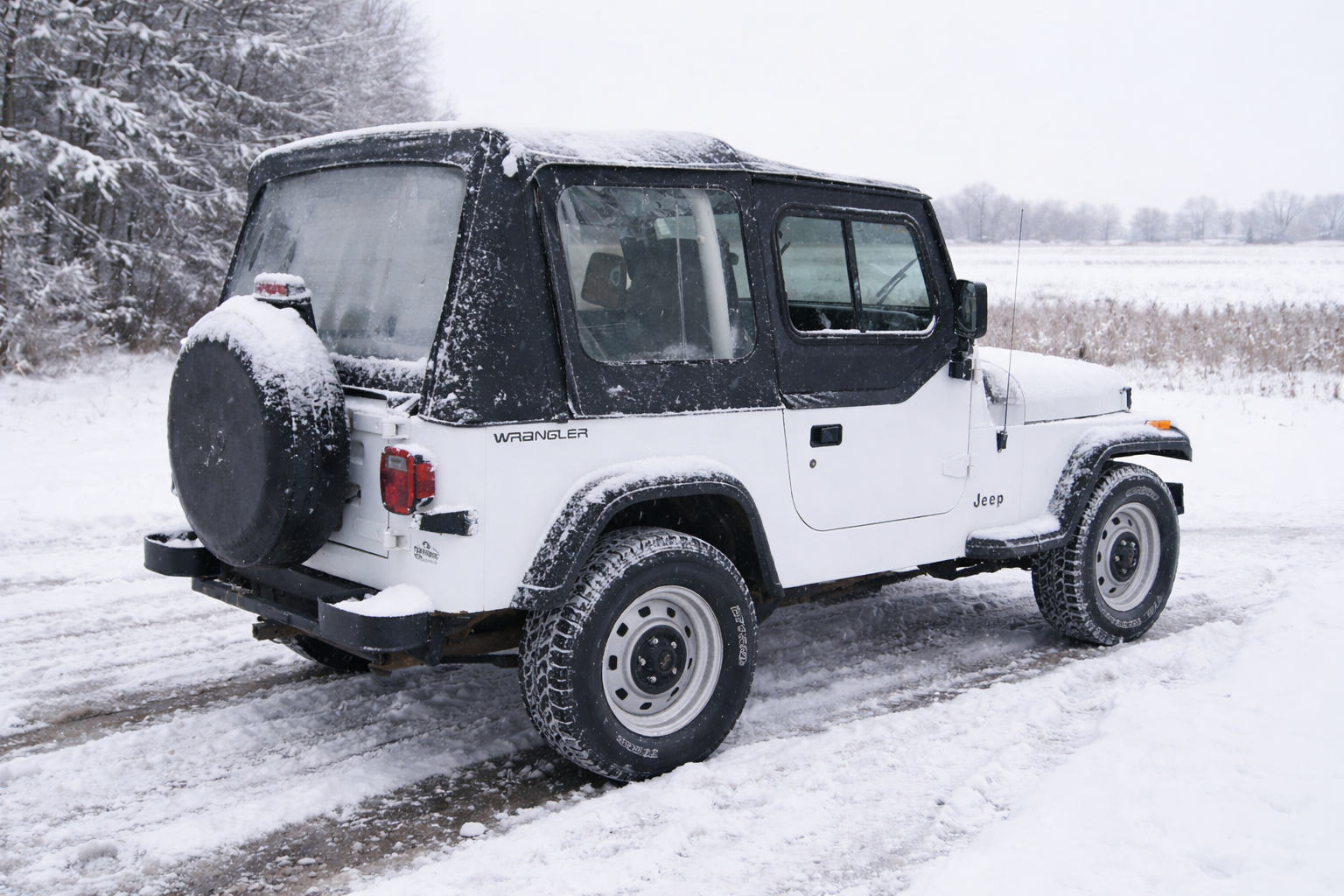
Many Jeep owners use soft tops all year, even in cold states like Michigan or Colorado. Most say that with good preparation, a soft top is “good enough” for winter. However, if you plan long drives in very cold areas, or need your Jeep to be as quiet and warm as a regular car, you may find a hard top better.
Here’s a table showing average temperature comfort as reported by owners:
| Outside Temp (°F) | Soft Top Comfort | Hard Top Comfort |
|---|---|---|
| 30-40 | Good | Excellent |
| 10-30 | Fair | Very Good |
| Below 10 | Poor | Good |
When To Switch To A Hard Top
You should consider switching to a hard top if:
- You live in a place where winter temperatures regularly drop below 15°F
- You drive long distances every day
- You want a quieter, more car-like ride
- You need better protection from theft or falling ice
Some Jeep owners keep both tops and swap them with the seasons. This gives you the best of both worlds.
Frequently Asked Questions
How Do I Keep My Jeep Soft Top Warm In Winter?
Use a good heater, keep all seals tight, and consider adding a thermal blanket or insulation liner. Park in a garage when possible.
Can I Drive With A Soft Top In Heavy Snow?
Yes, but clear off snow often. Heavy snow can damage the frame and fabric. Avoid letting snow pile up overnight.
Do Jeep Soft Tops Leak More In Winter?
They can, especially if the top is old or the seals are worn. Regular checks and seal treatments help prevent leaks.
Are Soft Tops Safe In Icy Conditions?
Soft tops do not affect the Jeep’s traction or driving safety. However, the plastic windows can be harder to clear, and visibility may suffer if they fog up or get scratched.
What’s The Best Way To Remove Ice From Soft Top Windows?
Use a soft brush or warm (not hot) water. Never use a metal scraper, as this will scratch the plastic.
For more details about soft top care in winter, check the official Jeep Care Guide.
A Jeep soft top can work in winter with some extra care and planning. If you’re ready for a few trade-offs, you’ll enjoy the flexibility and adventure all year long. But for the best warmth and quiet, a hard top is the clear winner in very cold climates.