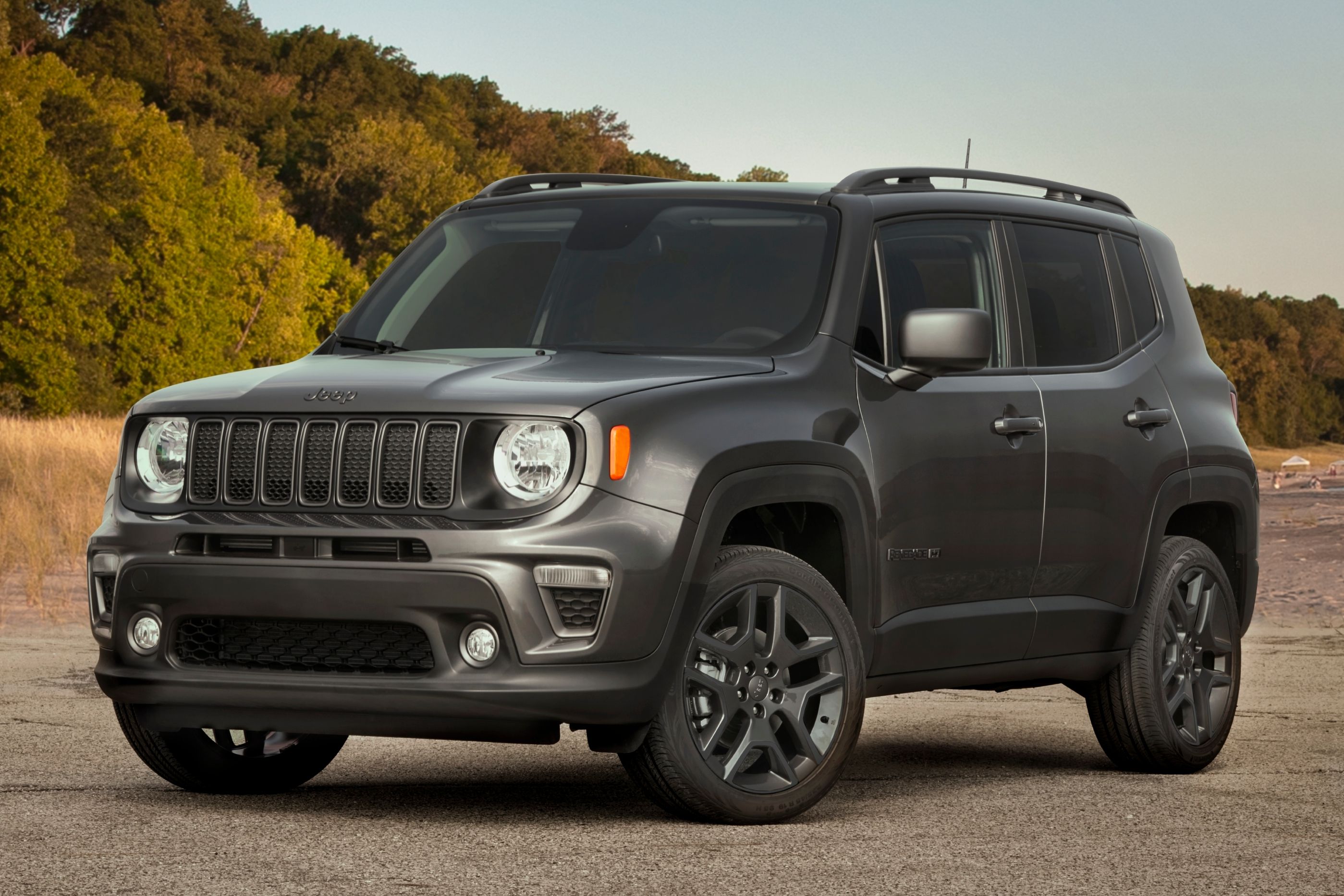
The Jeep Renegade has captured attention for its unique styling and off-road spirit in a small SUV package. But as with many vehicles, buyers often ask a simple question: “Is the Jeep Renegade reliable?” Reliability matters because it affects your ownership costs, daily confidence, and even the car’s resale value. Let’s dive into what you can expect from the Renegade, using real data, owner experiences, and some expert perspective.
What Does Reliability Mean For The Jeep Renegade?
Reliability is about how often a car breaks down, how expensive repairs are, and how well a vehicle holds up over time. With the Renegade, reliability scores and owner opinions are mixed. Some enjoy years of trouble-free driving, while others face frequent shop visits.
Key Factors That Affect Renegade Reliability
- Year of production: Some years are better than others due to updates and fixes.
- Engine choice: The 1.4L turbo and 2.4L Tigershark engines have different track records.
- Maintenance: Regular care makes a big difference.
Jeep Renegade Reliability Scores And Data
Let’s look at major sources that track car reliability.

| Source | Reliability Score (out of 5) | Comments |
|---|---|---|
| J.D. Power | 2.5–3.0 | Below average |
| Consumer Reports | 2/5 | Poor for recent years |
| RepairPal | 4/5 | Better than average |
These numbers show mixed reliability. Some reviewers see the Renegade as below average, while others find it performs better than similar small SUVs.
Common Jeep Renegade Problems
Every car has weak spots. The Renegade is no different. Here are the most reported issues:
- Transmission problems: Some owners report rough shifting or failure, especially in earlier models.
- Electrical glitches: Touchscreens, sensors, and warning lights can sometimes act up.
- Engine stalling: Mostly affects certain early production years.
- Turbo engine oil leaks: The 1.4L turbo may develop leaks if not maintained well.
Interestingly, many issues appear in the first three years after launch (2015–2017). Later models (2019 onward) have seen fewer reports of major failures.
Cost Of Ownership: Maintenance And Repairs
Long-term costs are a big part of reliability. Here’s how the Renegade compares to other small SUVs.
| Model | Average Annual Repair Cost | Frequency of Repairs |
|---|---|---|
| Jeep Renegade | $498 | Average |
| Honda HR-V | $301 | Low |
| Subaru Crosstrek | $492 | Low |
| Chevrolet Trax | $488 | Average |
Jeep Renegade repair costs are a bit higher than Honda but similar to other American and Japanese rivals. Parts and labor can be pricier at Jeep dealerships, but independent shops often help lower costs.

What Owners Say: Real-world Experiences
Owner forums and review sites offer valuable insights. Some themes appear often:
- “Fun to drive, but not perfect.” Owners praise the Renegade’s handling and off-road skills.
- “Small issues add up.” Minor problems with electronics or trim can be annoying.
- “Later years are better.” Most drivers with 2019+ models report fewer problems.
A non-obvious insight: Many complaints come from owners who skip regular oil changes and transmission servicing. The Renegade, especially with the turbo engine, is sensitive to missed maintenance. Keeping up with service can prevent many headaches.
How Does Jeep Renegade Compare To The Competition?
Is the Renegade more or less reliable than other small SUVs? Here’s a quick look:
| Model | Reliability (1–5) | Strengths | Weaknesses |
|---|---|---|---|
| Jeep Renegade | 2.5–3.5 | Off-road ability | Electrical issues |
| Honda HR-V | 4.0 | Low maintenance | Less power |
| Subaru Crosstrek | 4.2 | All-wheel drive | Slower acceleration |
| Chevrolet Trax | 3.5 | Affordable price | Basic interior |
The Renegade stands out for its off-road skills and unique styling. If you want something that feels different and can handle rough roads, it’s a strong choice. But if pure reliability is your top priority, the HR-V and Crosstrek edge ahead.

How To Maximize Your Renegade’s Reliability
If you’re set on a Renegade, here are ways to avoid common problems:
- Choose a newer model (2019 or later). These have fewer major recalls and better build quality.
- Stick to the maintenance schedule. Especially for oil changes and transmission fluid.
- Consider the 2.4L engine. It has a more predictable record than the early 1.4L turbo.
- Check recall history. Make sure any open recalls have been fixed by the dealer.
A tip many miss: Use a trusted independent mechanic for non-warranty work. They often spot small issues before they become expensive repairs.
Frequently Asked Questions
Is The Jeep Renegade Reliable For Long Road Trips?
The Renegade can handle long trips if it’s well-maintained. Comfort is decent, and newer models are more trustworthy. Always check fluid levels and tire pressure before a long drive.
How Long Does A Jeep Renegade Usually Last?
With regular maintenance, a Renegade can reach 120,000 to 150,000 miles. Some owners report more, but skipping service can cut its life short.
Which Jeep Renegade Year Is Most Reliable?
Models from 2019 onward have the fewest complaints and highest owner satisfaction. Early years (2015–2017) had more issues, especially with electronics and transmission.
Are Repairs Expensive For The Jeep Renegade?
Repairs are slightly higher than average for this segment, but not the highest. Common repairs like brakes or battery are affordable, but major issues can be costly.
Where Can I Find More Data On Jeep Renegade Reliability?
For deeper research, check Consumer Reports. They offer detailed reliability histories and owner surveys.
The Jeep Renegade offers a mix of style, capability, and fun. Reliability is average, with newer models showing clear improvement. If you prioritize unique looks and adventure over perfection, the Renegade could be a solid choice. Just remember: regular maintenance and smart buying decisions make all the difference.