For many people, the Jeep Liberty is a familiar sight—rugged, boxy, and ready for adventure. But if you’re thinking about buying one, you may wonder: are Jeep Liberty vehicles actually reliable? This is an important question, especially if you want a car that keeps running with minimal trouble. Let’s explore the reliability of the Jeep Liberty, look at common issues, and see how it measures up against other SUVs.
Jeep Liberty Overview
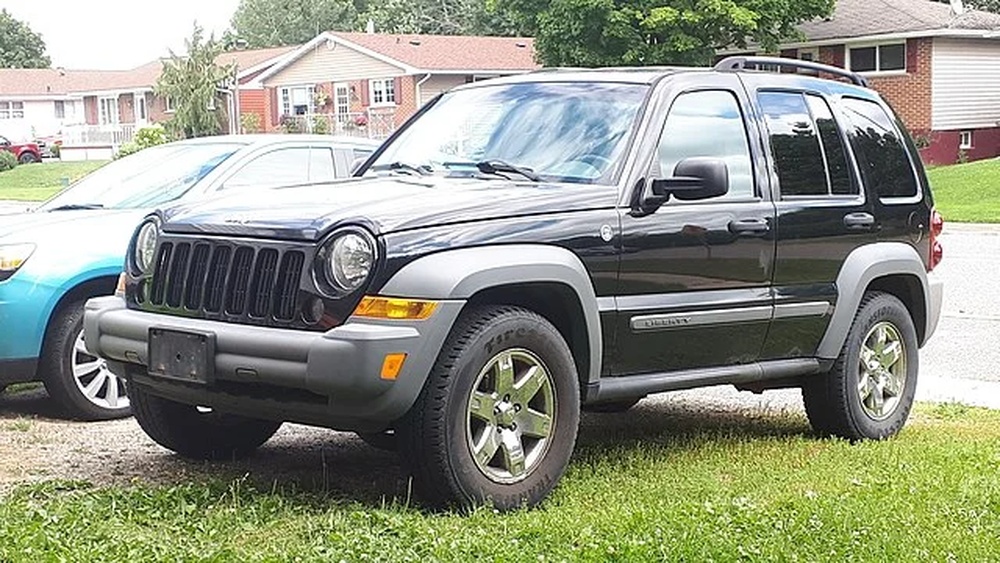
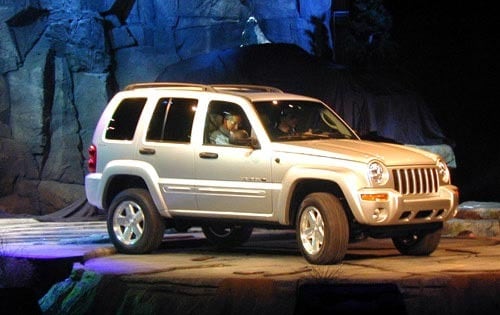
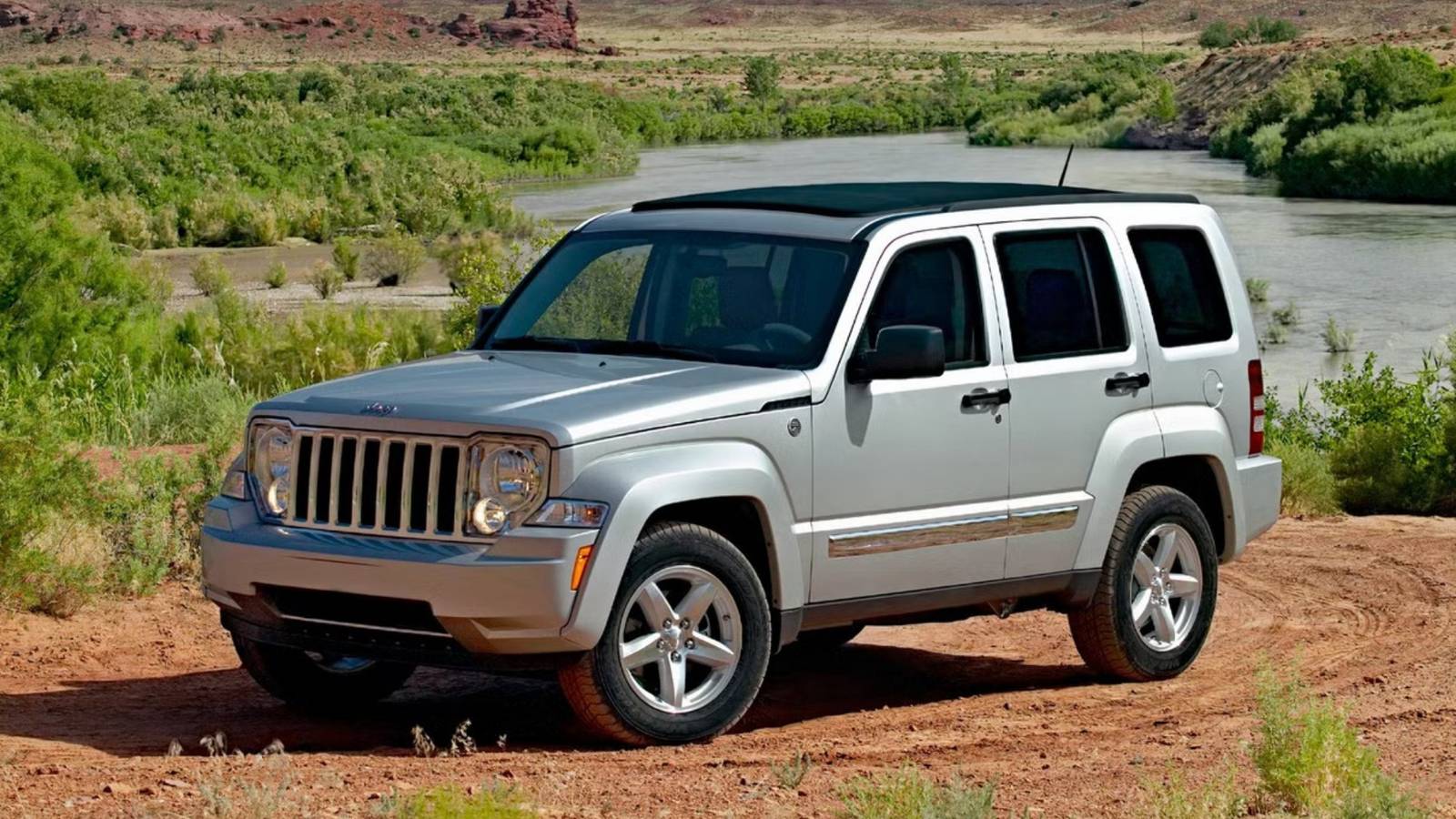
The Jeep Liberty was produced from 2002 to 2012. It is a compact SUV that sits between the Jeep Wrangler and the Jeep Grand Cherokee. The Liberty is known for its off-road capabilities and unique design. Over its lifespan, it went through two generations. Many people appreciate its strong V6 engine, but others worry about repairs and maintenance.
Reliability Ratings And Data
To understand reliability, it’s helpful to look at data from trusted sources. The Jeep Liberty’s overall reliability is often rated as average to below average by experts.
| Year | J.D. Power Reliability Score (out of 100) | Consumer Reports Verdict |
|---|---|---|
| 2006 | 76 | Below Average |
| 2008 | 74 | Average |
| 2012 | 71 | Below Average |
These scores show that the Liberty is not as reliable as many competitors. Owners often report problems after 100,000 miles, especially with certain parts.
Common Problems With Jeep Liberty
While the Jeep Liberty offers good performance off-road, it does have some well-known weaknesses. Here are the most common issues:
- Window Regulators: Many owners complain that the power windows stop working. The window regulator fails, and the window falls into the door. This problem is most common in the 2006-2007 models.
- Engine Problems: Some older Libertys have issues with the 3.7-liter V6 engine. Problems include oil leaks, coolant leaks, and timing chain failures.
- Transmission Failures: Automatic transmission problems are not rare, especially after 120,000 miles. Symptoms include slipping gears or rough shifting.
- Electrical Issues: Dash lights, sensors, and other electronics sometimes fail. This can be hard to diagnose and expensive to fix.
- Suspension Wear: Ball joints and control arms may wear out early, leading to clunking sounds and poor handling.
These problems can lead to high repair costs. For example, fixing a failed window regulator can cost $300 or more.
Maintenance Costs Compared To Rivals
When comparing the Jeep Liberty’s maintenance costs to other compact SUVs, it often costs more to keep a Liberty running smoothly.
| Model | Average Annual Maintenance ($) | Common Repair Costs |
|---|---|---|
| Jeep Liberty | 475 | Window, transmission |
| Honda CR-V | 370 | Brakes, A/C |
| Toyota RAV4 | 360 | Suspension, minor engine |
The Liberty’s maintenance costs are higher because of its unique parts and frequent issues. Still, some owners say the off-road ability makes up for these extra expenses.
Longevity: How Many Miles Will A Jeep Liberty Last?
A well-maintained Jeep Liberty can last between 150,000 and 200,000 miles. However, reaching the higher end of this range often requires extra attention to maintenance. Regular oil changes, transmission fluid checks, and early repair of small issues are key.
Owners who are rough on their vehicles or skip service may see major failures around 120,000 miles. One non-obvious tip: keeping an eye on coolant and oil levels can help you spot engine problems early—before they become expensive repairs.
How Does The Jeep Liberty Compare To Similar Suvs?
It’s helpful to see how the Liberty stacks up against other popular SUVs of its era.
| Feature | Jeep Liberty | Honda CR-V | Toyota RAV4 |
|---|---|---|---|
| Reliability | Below Average | Above Average | Above Average |
| Off-Road Ability | Excellent | Fair | Fair |
| Maintenance Cost | High | Low | Low |
| Comfort | Average | Good | Good |
While the Liberty wins on off-road performance, it falls behind in reliability and cost to own. If you want a vehicle that can handle tough trails, the Liberty is a better choice. But for daily driving and low repair bills, rivals like the CR-V or RAV4 are stronger options.
Non-obvious Insights For Jeep Liberty Owners
- Watch for Rust: Libertys are known to rust in the rear wheel wells and underbody, especially in cold climates. Regularly washing the underside can help extend the car’s life.
- Aftermarket Parts: Because some factory parts are expensive, many owners use aftermarket parts for repairs. This can lower costs, but it’s important to choose quality brands to avoid new problems.
Should You Buy A Jeep Liberty?
The answer depends on your needs. If you want a budget off-road SUV and don’t mind doing some repairs, the Liberty can make sense. But if you need a worry-free daily driver, look for something with fewer known issues. Always get a used Liberty inspected by a mechanic before buying.
Frequently Asked Questions
Is The Jeep Liberty Expensive To Maintain?
The Jeep Liberty often costs more to maintain than similar SUVs. Expect higher repair bills, especially for window regulators and suspension parts.
What Is The Best Year For Jeep Liberty Reliability?
The 2008-2010 models are usually seen as more reliable than earlier years. However, all Libertys share some common issues.
Can The Jeep Liberty Handle Off-road Trails?
Yes, the Liberty is one of the best in its class for off-roading, thanks to good ground clearance and available four-wheel drive.
How Many Miles Can I Expect From A Jeep Liberty?
With proper care, most Libertys last between 150,000 and 200,000 miles. Major repairs may be needed after 120,000 miles.
Where Can I Find More Detailed Reliability Data?
You can find more in-depth ratings and owner reviews on sites like Consumer Reports.
The Jeep Liberty isn’t the most reliable SUV, but it offers unique strengths for the right owner. If you value off-road ability and are ready for some extra maintenance, it could be a good fit. Make sure you weigh the pros and cons before making your choice.