The Jeep Cherokee has been a familiar name on the road and trail for decades. Many drivers are drawn to its rugged image and promise of adventure. But behind the badge, how does the Cherokee really perform as a daily vehicle? Is it reliable, comfortable, and worth your money? Let’s explore the real strengths and weaknesses of the Jeep Cherokee, so you can decide if it fits your needs.
What Makes The Jeep Cherokee Stand Out?
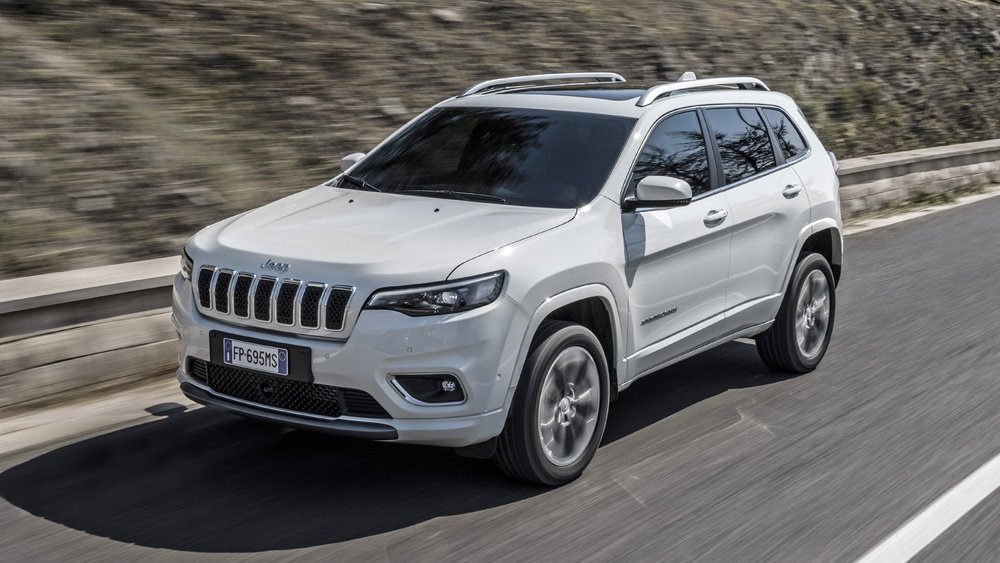
The Cherokee is one of Jeep’s most popular models, blending SUV comfort with off-road ability. Many buyers choose it because:
- Versatility: It handles city driving and rough trails.
- Brand reputation: Jeep has a strong history in 4×4 vehicles.
- Unique style: The Cherokee looks different from most compact SUVs.
But there’s more to the story than just image.
Performance: Road And Trail
Engine Choices And Power
The Cherokee offers several engine options, each with its own character. Here’s a quick comparison:
| Engine | Horsepower | Mileage (City/Highway MPG) | Notes |
|---|---|---|---|
| 2.4L I-4 | 180 hp | 22/31 | Standard; balanced for everyday use |
| 3.2L V6 | 271 hp | 20/29 | More power; better for towing |
| 2.0L Turbo I-4 | 270 hp | 23/31 | Strong acceleration; pricier option |
The base 2.4L engine is smooth for city trips, but some drivers find it underpowered when merging on highways or carrying heavy loads. The 3.2L V6 delivers more punch, making it a better choice if you plan to tow. The 2.0L turbo brings spirited performance, but its cost and premium fuel needs may not suit every budget.
Off-road Capability
What truly sets the Cherokee apart is its off-road ability. The Trailhawk trim, for example, comes with:
- Jeep Active Drive Lock 4×4 system
- Higher ground clearance
- Skid plates and tow hooks
Few compact SUVs can match the Cherokee Trailhawk off-road. However, most owners never take their SUVs off paved roads. If you want a true off-roader, Cherokee beats most rivals in its class.
Everyday Driving
On regular roads, the Cherokee offers a comfortable ride, but it’s not as sharp as some competitors. The steering is light, and the suspension soaks up bumps well. City drivers will appreciate its size easy to park, yet roomy inside.

Interior Comfort And Features
Cabin Quality
Inside, the Cherokee blends soft-touch materials with practical design. Higher trims come with leather seats, dual-zone climate control, and a panoramic sunroof.
However, the lower trims can feel less upscale than rivals like the Honda CR-V or Mazda CX-5. Rear seat space is average for the class, but adults can sit comfortably for most trips.
Technology And Infotainment
Jeep’s Uconnect infotainment system is one of the easiest to use, with fast responses and clear menus. Even the base model includes a 7-inch touchscreen with Apple CarPlay and Android Auto. Upper trims offer an 8.4-inch screen, navigation, and more USB ports.
One area where Cherokee stands out: its optional built-in Wi-Fi hotspot. This is handy for families or long drives.
Cargo Space
Let’s compare the Cherokee’s cargo area with rivals:
| Model | Cargo Space (Behind Rear Seats) | Maximum Cargo Space |
|---|---|---|
| Jeep Cherokee | 25.8 cu ft | 54.7 cu ft |
| Honda CR-V | 39.2 cu ft | 75.8 cu ft |
| Toyota RAV4 | 37.6 cu ft | 69.8 cu ft |
The Cherokee’s cargo space is smaller than most rivals. If you often carry large items or lots of luggage, this is a key point to consider.
Reliability And Ownership Costs
Reliability Ratings
Jeep’s reliability reputation is mixed. According to data from J.D. Power and Consumer Reports, the Cherokee often scores average or below average for dependability. Owners sometimes report issues with:
- Transmission performance
- Electrical systems
- Infotainment glitches
While not every owner has problems, the Cherokee isn’t seen as the most trouble-free SUV.
Maintenance And Repairs
The cost to maintain a Cherokee is similar to other compact SUVs, but repairs can be pricier if you need parts for the 4×4 system or special trims.
Regular oil changes and tire rotations are affordable, but be ready for higher costs if complex issues arise.
A common beginner mistake: skipping scheduled maintenance, especially for the 4×4 system. This can lead to expensive repairs later.
Resale Value
The Cherokee does not hold its value as well as the Toyota RAV4 or Honda CR-V. After five years, it often loses more of its original price. If low depreciation is important to you, this is something to keep in mind.
Safety: How Secure Is The Cherokee?
Crash Test Results
The Cherokee does well in most crash tests. The National Highway Traffic Safety Administration (NHTSA) gives recent models four out of five stars overall. The Insurance Institute for Highway Safety (IIHS) rates it well for side and front crashes, but headlight performance could be better.
Safety Features
Standard safety features include:
- Blind-spot monitoring
- Rear cross-traffic alert
- Lane departure warning
- Automatic emergency braking
Some features, like adaptive cruise control, are only available on higher trims. Many compact SUVs now offer these features standard, so check what’s included before you buy.
Fuel Economy: How Efficient Is It?
Fuel economy depends on your engine choice and whether you get all-wheel drive. Here’s how the Cherokee compares to rivals:
| Model | Base Engine MPG (City/Highway) | Optional AWD MPG (City/Highway) |
|---|---|---|
| Jeep Cherokee | 22/31 | 21/29 |
| Toyota RAV4 | 27/35 | 25/33 |
| Honda CR-V | 28/34 | 27/32 |
The Cherokee’s numbers are lower than most competitors. The V6 and 4×4 models are thirstier, so expect more frequent stops at the pump if you choose these.
Practical Ownership: Living With A Cherokee
Everyday Usability
For families or singles, the Cherokee is easy to drive in the city and on highways. It fits in most parking spaces and gives a good view of the road.
However, the smaller cargo area and average back seat space may feel limiting if you often carry more passengers or gear.
Towing Capacity
The Cherokee stands out in towing. With the V6 engine, it can tow up to 4,500 pounds—much higher than most compact SUVs. This makes it a good choice if you have a small trailer or boat.
Winter Driving
With available all-wheel drive and special drive modes for snow, the Cherokee is a confident choice in bad weather. The Trailhawk trim handles snow and mud better than most rivals.
Common Problems And Owner Insights
While many owners enjoy their Cherokees, some issues show up more often than with other SUVs.
- Transmission issues: Some years, especially 2014–2015, had jerky shifting or hesitation.
- Electrical problems: Infotainment screens freezing or backup cameras failing.
- Interior wear: Lower trims may show wear faster than expected.
A non-obvious insight: Be careful with used Cherokees from the first years of a new generation. Early production models sometimes have more problems as bugs are worked out.
How Does It Compare To Other Compact Suvs?
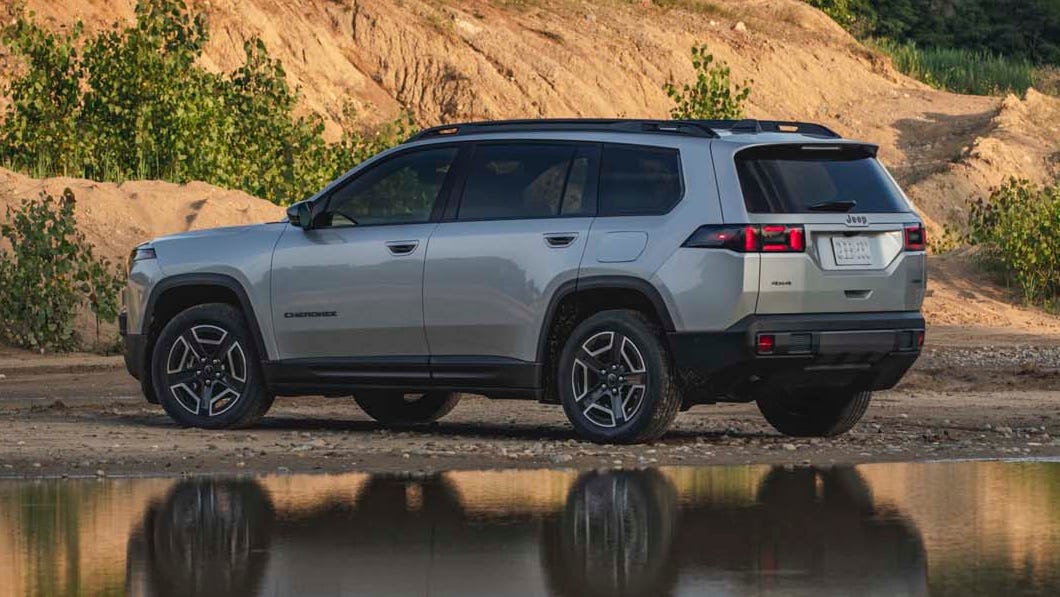
The Cherokee is often compared to the Honda CR-V, Toyota RAV4, and Ford Escape. Here’s how it stands out:
- Best for off-roading: The Cherokee is the best choice if you plan to leave the pavement.
- Towing: It tows more than most rivals.
- Tech features: Uconnect is easier to use than many competitor systems.
However, the CR-V and RAV4 offer more cargo space, better reliability, and higher resale value. The Ford Escape and Mazda CX-5 are more fun to drive on the road.
Who Should (and Shouldn’t) Buy A Cherokee?
Good Fit For:
- Drivers who want some off-road ability in a compact SUV
- Those who need to tow small trailers
- People who prefer a rugged style and comfortable ride
Not The Best Fit For:
- Shoppers who want the most cargo space or top reliability
- People who plan to keep their SUV for 8–10 years with minimal repairs
- Buyers looking for the best fuel economy
A common mistake is choosing the Cherokee only for its looks or “Jeep” badge, without considering if its strengths match your real needs.
What Owners And Experts Say
Many owners love the Cherokee’s comfort and off-road power. Expert reviews praise its technology and towing ability but often point out its reliability and cargo drawbacks.
If you value adventure and don’t mind average resale value, the Cherokee could be a fun and useful choice. If you want the lowest ownership costs and maximum space, look at other brands.
For more detailed reliability data, check resources like the Consumer Reports Jeep Cherokee page.
Frequently Asked Questions
Is The Jeep Cherokee Good For Long Road Trips?
Yes, the Cherokee offers a comfortable ride and supportive seats, especially in higher trims. The Uconnect system and available Wi-Fi hotspot make long drives easier. However, the smaller cargo space may be a challenge if you pack a lot.
How Does The Cherokee Handle In Snow?
With available all-wheel drive and special traction modes, the Cherokee performs well in snowy conditions. The Trailhawk trim is even better for winter thanks to higher ground clearance and off-road tires.
Are Jeep Cherokees Expensive To Maintain?
Routine maintenance costs are similar to other compact SUVs. But repairs, especially for the 4×4 system or electronics, can be more expensive. Sticking to the maintenance schedule helps prevent bigger bills.
What Year Cherokee Is The Most Reliable?
Recent models (2019 and newer) have fewer complaints about transmission and electronics. Older models, especially 2014 2015, had more issues as Jeep worked out new design bugs.
Does The Cherokee Have Good Resale Value?
The Cherokee’s resale value is lower than top rivals like the Honda CR-V and Toyota RAV4. If resale value is important, consider this before buying.
The Jeep Cherokee is a unique choice in the compact SUV market. It combines style, off-road ability, and useful tech, but comes with trade-offs in cargo space, reliability, and resale value.
If its strengths match what you need, the Cherokee can be a rewarding vehicle.
If not, there are other SUVs that may fit your lifestyle better. Always test drive and compare before making your decision.