Shopping for a used car always brings questions, especially when it comes to reliability. The 2017 Jeep Renegade is a compact SUV that caught the attention of many buyers with its unique style and off-road abilities. But does it hold up over time, or does it become a headache? If you’re considering a 2017 Jeep Renegade, here’s what you need to know about its reliability, plus some real-world insights you won’t find in every review.
How Reliable Is The 2017 Jeep Renegade?
The 2017 Jeep Renegade has a mixed reputation for reliability. According to major sources like J.D. Power, it scored 2.5 out of 5 for reliability, which is below average. Owners often love the Renegade’s look and feel, but some report more problems than they expected, especially as the vehicle gets older.
Common Problem Areas
Several issues seem to come up more often than others:
- Transmission problems: The 9-speed automatic can be rough, with reports of hard shifting or hesitation.
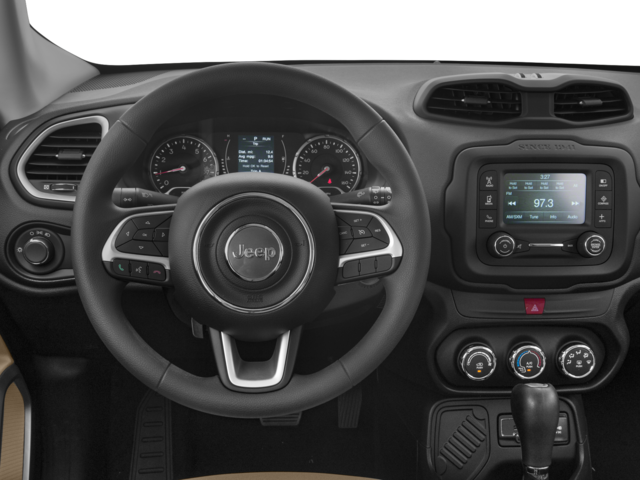
- Electrical glitches: Many owners notice problems with the infotainment system, sensors, or warning lights.
- Engine stalling: Some Renegades have experienced sudden stalling, especially in models with the 2.4L Tigershark engine.
- Cooling system leaks: Coolant leaks and thermostat issues are not uncommon.
Not every Renegade will have these problems, but the risk is higher compared to other SUVs in the same class.
Real-world Owner Experiences
While some drivers are happy, others share stories of repeat trips to the repair shop. One owner mentioned the check engine light coming on within the first year, leading to expensive diagnostics and repairs. Another reported multiple recalls, particularly for software updates and sensor problems.
On the positive side, some drivers have owned their 2017 Renegade for over five years with only basic maintenance. These owners highlight:
- Fun driving experience
- Good off-road capability for its size
- Comfortable for city driving
If you prioritize a unique look and don’t mind some risk, the Renegade can be a good fit. But if you want peace of mind, you may want to look elsewhere.

Reliability Compared To Similar Suvs
Here’s how the 2017 Jeep Renegade stacks up against similar subcompact SUVs:
| Model | Reliability Score (J.D. Power) | Common Issues |
|---|---|---|
| Jeep Renegade | 2.5/5 | Transmission, electrical, engine |
| Honda HR-V | 4/5 | AC, infotainment |
| Chevrolet Trax | 3.5/5 | Turbo lag, minor electrical |
| Mazda CX-3 | 4/5 | Suspension, noise |
As you can see, the Renegade falls behind when it comes to long-term reliability.
Maintenance And Ownership Costs
The average annual repair cost for the 2017 Jeep Renegade is about $498, according to RepairPal. This is slightly higher than some rivals, but not extreme. However, the type of problems can be more serious and expensive to fix.
| Model | Average Annual Repair Cost | Frequency of Repairs |
|---|---|---|
| Jeep Renegade | $498 | Above average |
| Honda HR-V | $301 | Below average |
| Chevrolet Trax | $488 | Average |
One thing many buyers miss: transmission repairs can be costly, sometimes over $3,000 if out of warranty. Also, software-related repairs may require dealership visits, which adds to the expense.
Non-obvious Insights For Buyers
- Software updates matter: The Renegade’s many electronic features mean software updates are common. Some owners never update, which can make issues worse. Before buying, ask if the car’s software is up to date.
- Trim level differences: The Trailhawk trim is more likely to have off-road use, which can lead to extra wear and tear. Look for signs of heavy use if you’re considering this trim.
- Aftermarket parts: Some Renegade owners find that parts can be harder to source than for Honda or Toyota models. Delays in repairs are possible.
Reliability Recalls And Service Bulletins
The 2017 Jeep Renegade has faced several recalls, including:
- Issues with the brake system
- Software-related engine stalling
- Faulty fuel lines
It’s smart to check if all recall work has been completed before buying. You can look up open recalls using the VIN on the National Highway Traffic Safety Administration (NHTSA) website.

When Is A 2017 Renegade A Good Buy?
For some, the Renegade’s style, features, and off-road ability make up for reliability concerns. If you find a well-maintained model with service records and recent software updates, it can be a reasonable choice for city driving and occasional adventures. However, if you need a car with the least chance of problems, a competitor like the Honda HR-V or Mazda CX-3 might suit you better.
Frequently Asked Questions
Is The 2017 Jeep Renegade Expensive To Maintain?
The average repair cost is higher than some rivals, mainly due to complex electronics and transmission repairs. Routine maintenance is average, but major fixes can be pricey.
How Many Miles Will A 2017 Jeep Renegade Last?
With proper care, many owners report reaching 100,000 miles or more. However, the risk of expensive repairs increases as the car ages, especially past 80,000 miles.
Are There Any Years Of The Renegade That Are More Reliable?
Models from 2019 and newer tend to have fewer reported issues, thanks to software improvements and better quality control. 2015–2018 models share similar problems.
Does The 2017 Jeep Renegade Have Good Safety Ratings?
Yes, it received good ratings from the IIHS for most crash tests, but some trims lack advanced driver aids. Always check the specific trim’s features.
Where Can I Check For Open Recalls On A Used Renegade?
Use the official NHTSA recall lookup tool to search by VIN and see if the vehicle needs any recall service.
If you want a compact SUV with personality and don’t mind some risk, the 2017 Jeep Renegade is worth a look. Just go in with eyes open, check service history, and budget for possible repairs. For buyers who value peace of mind and fewer surprises, a rival with a better reliability record may be the smarter choice.