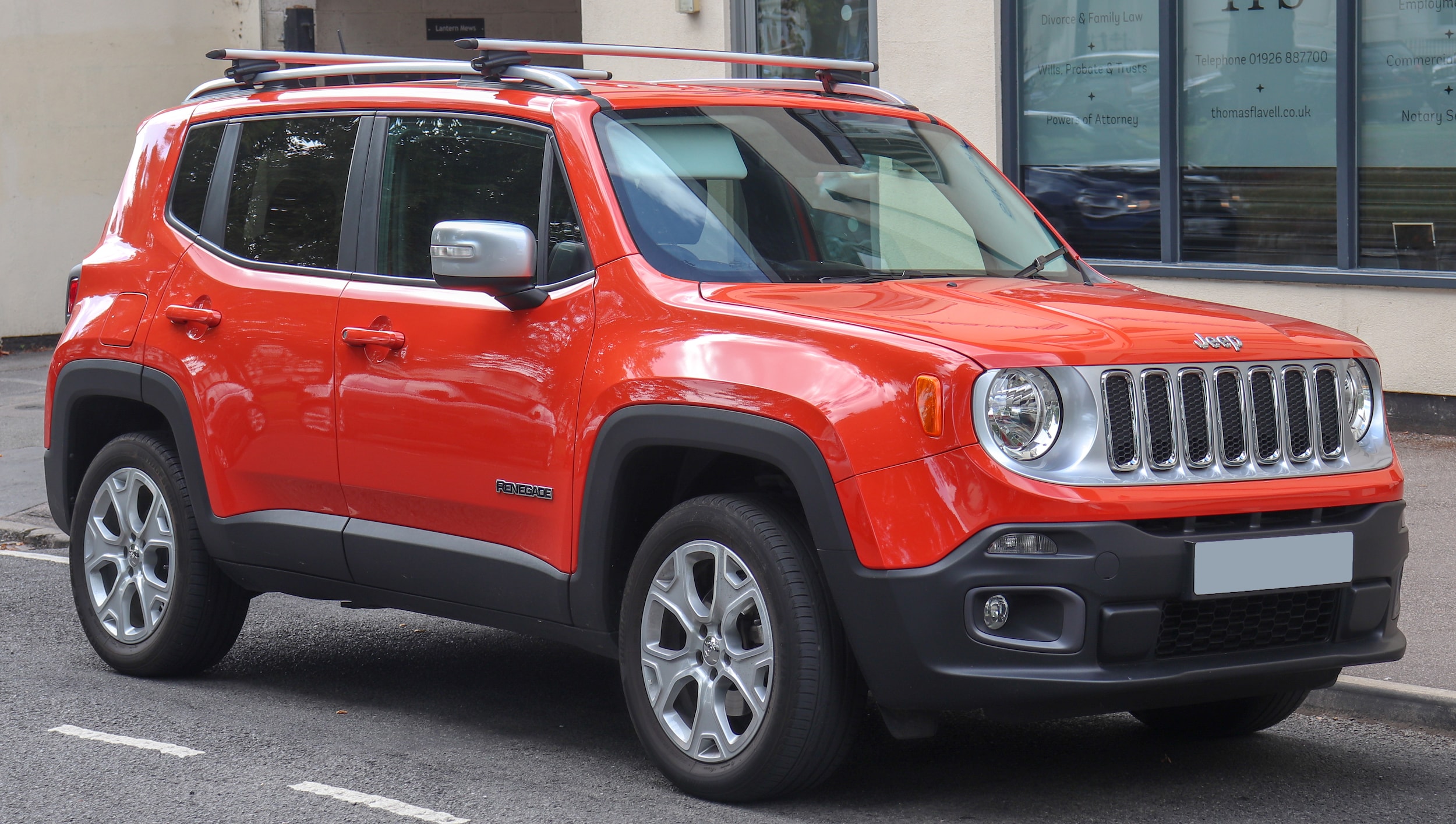
Considering a 2016 Jeep Renegade for your next vehicle? Many drivers love its bold design, compact size, and off-road ability. But reliability is a big concern, especially with used cars. If you’re wondering if a 2016 Jeep Renegade is a dependable choice, this article covers real-world data, common problems, and how it compares with competitors. Get the facts before you buy.
Reliability Ratings And Owner Opinions
The 2016 Jeep Renegade scores mixed reviews in reliability. According to J.D. Power, it earned a reliability rating of 2.5 out of 5, which is below average. Consumer Reports rated it as “Much Worse Than Average” for predicted reliability. Owners often mention issues with electronics and the transmission, but some praise its fun driving and style.
Many Renegade owners report:
- Good handling in city and light off-road conditions
- Comfortable ride for a small SUV
- Higher than average repair visits
Here’s how the 2016 Renegade stacks up against rivals:
| Model | Reliability Score (J.D. Power) | Average Annual Repair Cost |
|---|---|---|
| Jeep Renegade (2016) | 2.5/5 | $650 |
| Honda HR-V (2016) | 3.5/5 | $470 |
| Subaru Crosstrek (2016) | 4/5 | $480 |
| Chevrolet Trax (2016) | 3/5 | $520 |
The Renegade costs more to maintain than some competitors. Most reliability problems come from a few key areas.
Common Mechanical And Electrical Issues
Jeep Renegades from 2016 are known for a handful of persistent problems. These can affect daily use and long-term ownership.
Transmission Troubles
The 9-speed automatic transmission is one of the biggest complaints. Owners report:
- Hard shifts
- Delayed engagement
- Unexpected jerking
Some drivers needed a transmission software update or even full replacement. Not all Renegades have this issue, but it’s common enough to check during a test drive.
Electrical Glitches
Frequent electrical issues include:
- Dashboard warning lights popping up without cause
- Faulty backup camera
- Radio and infotainment freezing
These problems can be frustrating. Most are minor, but some require dealer attention.
Engine Concerns
Some Renegades experience:
- Stalling
- Poor acceleration
- Oil leaks
Most engine problems relate to the 2. 4L Tigershark engine. Regular maintenance helps, but some repairs can be costly.
Other Notable Issues
A few Renegades have reported:
- Water leaks inside the cabin
- Faulty air conditioning
- Worn-out brakes early
These issues are not as widespread, but they’re worth checking.
Maintenance And Ownership Costs
Owning a 2016 Jeep Renegade means planning for regular maintenance and occasional repairs. It’s not the cheapest compact SUV, but costs are manageable if you watch for early signs.
| Service | Frequency | Estimated Cost |
|---|---|---|
| Oil Change | Every 5,000 miles | $60-$90 |
| Brake Pads | Every 30,000 miles | $180-$250 |
| Transmission Service | Every 40,000 miles | $180-$240 |
| Battery Replacement | Every 4 years | $120-$180 |
Renegade owners often pay $650 per year in repairs and maintenance, a bit higher than industry average for subcompact SUVs.
What To Check Before Buying Used
Buying a used 2016 Jeep Renegade? Here are steps to help avoid common mistakes:
- Inspect the transmission: Test for smooth shifting and listen for odd noises.
- Check electrical systems: Try every button, the radio, and backup camera.
- Look for water leaks: Check carpets and roof for moisture.
- Review service records: Prefer vehicles with regular maintenance.
- Test engine performance: Drive at highway speeds and stop-and-go.
Ask if recalls or software updates have been completed. Jeep issued recalls for the Renegade’s airbag and wiring, so verify these fixes.

How The 2016 Renegade Compares
The Renegade is unique for its off-road ability and bold style. It’s one of the only subcompact SUVs with a real 4×4 option. If you need a city car with personality, it’s appealing. However, competitors like the Honda HR-V and Subaru Crosstrek offer better reliability and lower maintenance costs.
| Feature | Renegade | HR-V | Crosstrek |
|---|---|---|---|
| Off-Road | Excellent | Moderate | Good |
| Reliability | Below Average | Above Average | High |
| Annual Repair Cost | $650 | $470 | $480 |
| Interior Space | Good | Excellent | Good |
Non-obvious Insights For Buyers
- Software updates solve many issues: Problems with shifting and electronics are often fixed with dealer software updates. Always ask if these are up to date.
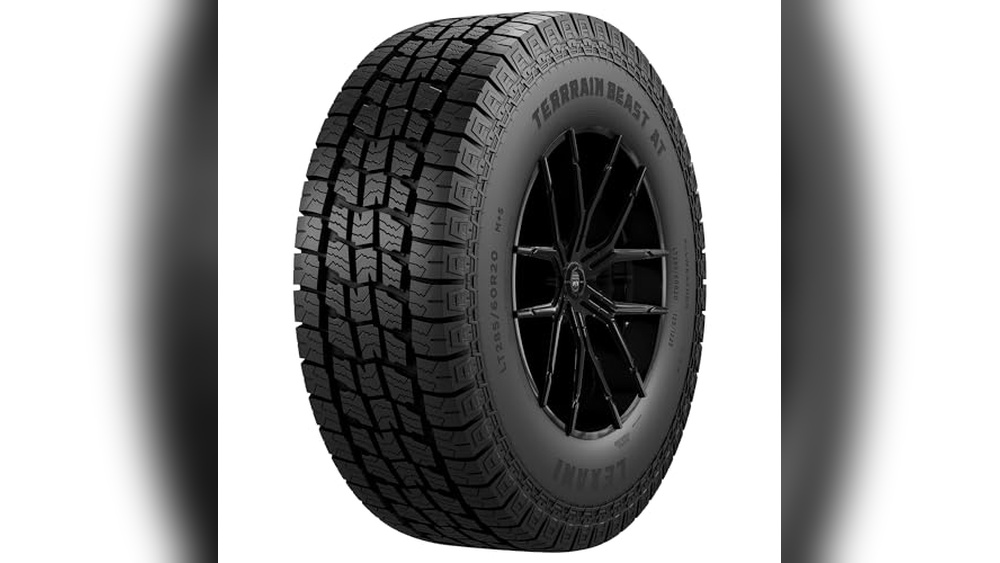
- Tire choice impacts ride quality: The Renegade’s ride can feel rough with factory tires. Switching to softer, high-quality tires improves comfort and noise.
Many new owners miss these details, but they can make a big difference in daily use.

Frequently Asked Questions
Is The 2016 Jeep Renegade Safe?
The 2016 Renegade earned 4 stars from the NHTSA for overall safety. It has standard airbags, stability control, and available advanced safety features. Some trims offer blind spot monitoring.
Does The Renegade Have Recall Issues?
Yes, the 2016 model had several recalls, including for airbag wiring and powertrain control module. Check recall history before buying and ensure fixes are completed.
What Engine Options Are Available?
There are two engines: a 1.4L turbo (rare, manual transmission only) and a 2.4L Tigershark (most common, paired with automatic). The 2.4L is more reliable but consumes more fuel.
How Long Does A Renegade Typically Last?
With regular care, a Renegade can last 120,000–150,000 miles. Major repairs often start around 100,000 miles, so maintenance is key.
Where Can I Find More Data About Reliability?
You can find detailed reliability stats at the Consumer Reports website.
If you value style and off-road capability, the 2016 Jeep Renegade is worth considering—but be ready for higher maintenance and potential repairs. Always check for updates and test thoroughly before buying.