Jeep Cherokees are a popular choice for drivers who want a mix of rugged capability and everyday comfort. But how good are they really? Many people ask if a Jeep Cherokee is worth buying, especially when comparing it to other SUVs.
Let’s explore what makes the Cherokee stand out, what it lacks, and how it performs in real-life situations.
Jeep Cherokee Overview
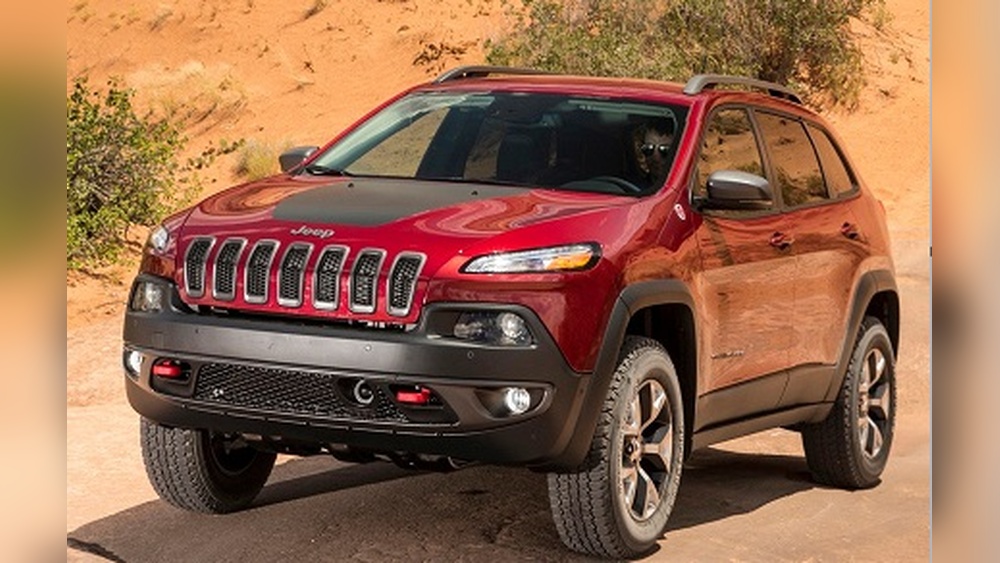
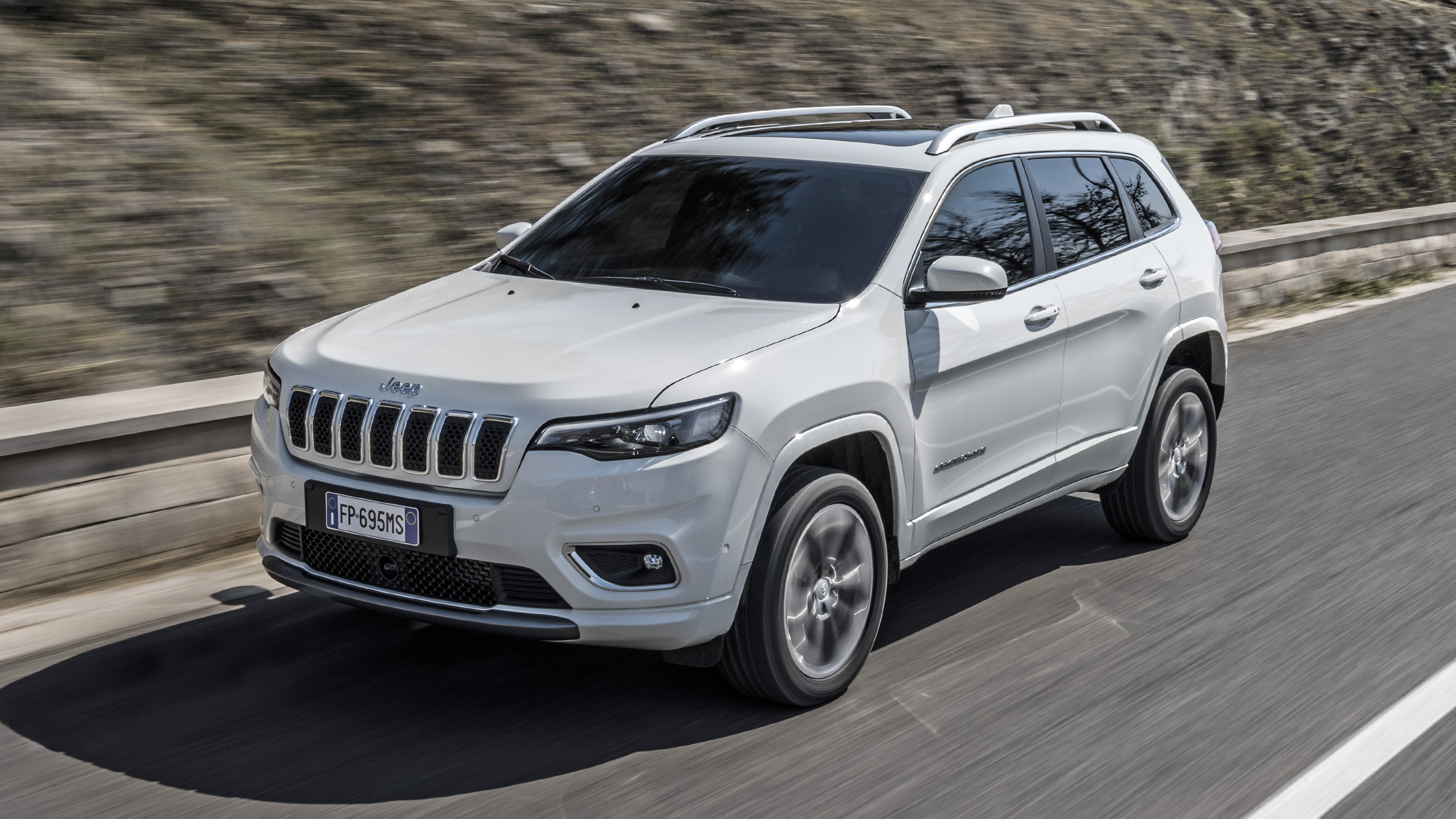
The Jeep Cherokee is a compact SUV with a long history. First released in 1974, it’s known for its off-road skills and practical design. The latest models offer modern features, better fuel efficiency, and improved safety. You can choose from several trim levels, including Latitude, Limited, and Trailhawk, each with different features and price points.
Key Features
- Four-wheel drive options
- Advanced safety tech
- User-friendly infotainment system
- Strong towing capacity
Cherokees are often praised for their versatility. They handle city driving, highways, and rough trails well.
Performance And Reliability
Performance is one of the main reasons people consider a Jeep Cherokee. The SUV comes with different engines, from a 2.
4-liter four-cylinder to a 3. 2-liter V6.
The V6 is more powerful and offers better towing, while the four-cylinder is more fuel-efficient.
| Engine | Horsepower | MPG (City/Hwy) | Towing Capacity |
|---|---|---|---|
| 2.4L I4 | 180 | 22/31 | 2,000 lbs |
| 3.2L V6 | 271 | 20/29 | 4,500 lbs |
The Trailhawk version is designed for off-road use. It has extra ground clearance, skid plates, and special tires. Many users say the Trailhawk performs better than rivals like the Toyota RAV4 and Honda CR-V on rough terrain.
Reliability is a mixed story. Some Cherokees, especially older models, have had issues with the transmission and electrical systems. Newer models have improved, but they still rank average in reliability compared to competitors.
Comfort And Interior
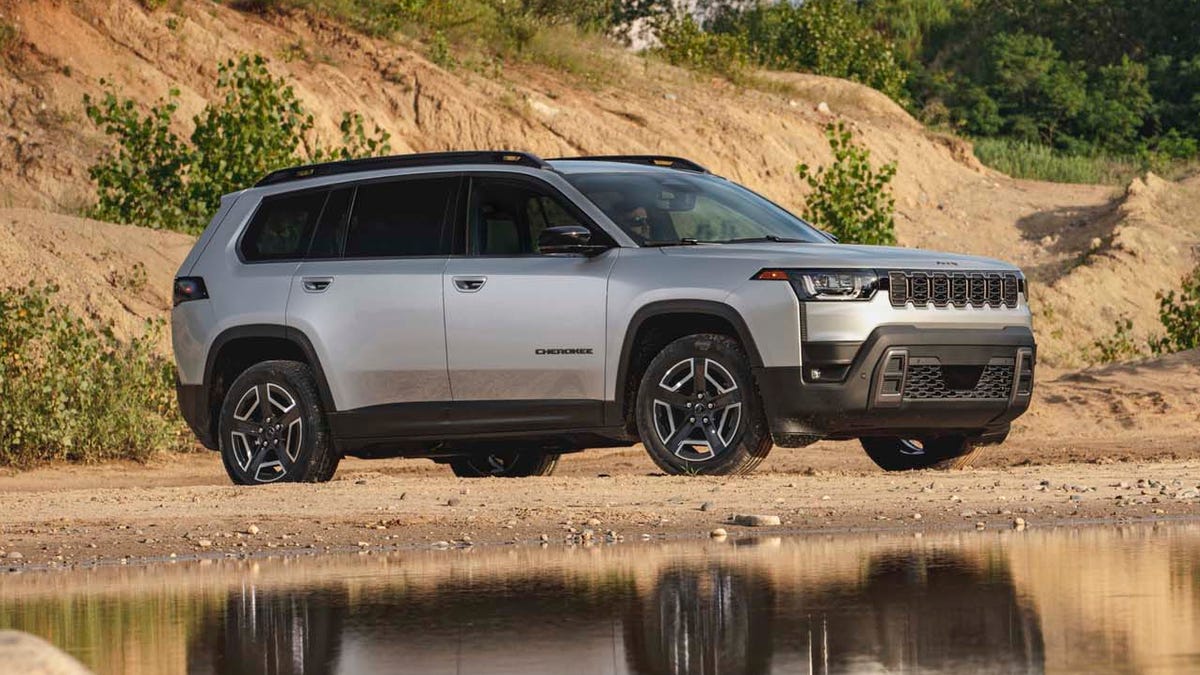
Cherokee’s interior is built for comfort and practicality. Seats are supportive, and the cabin feels spacious for a compact SUV. The infotainment system is easy to use, with touch-screen controls and smartphone integration.
| Feature | Jeep Cherokee | Toyota RAV4 | Honda CR-V |
|---|---|---|---|
| Legroom (front/rear) | 41″/40″ | 41″/37″ | 41″/40″ |
| Cargo Space (cu ft) | 25.8 | 37.6 | 39.2 |
| Touchscreen Size | 7″ or 8.4″ | 7″ or 8″ | 7″ or 9″ |
While the Cherokee offers good space for passengers, its cargo area is smaller than some competitors. This can be an issue if you need to carry lots of luggage or gear.
Safety And Technology
Safety is a top concern for buyers. The Cherokee comes with features like blind spot monitoring, rear cross-traffic alert, and lane departure warning. It scored well in crash tests, but not always at the top.
The infotainment system supports Apple CarPlay and Android Auto. Navigation, premium audio, and wireless charging are available in higher trims.
One thing new buyers often miss: Some safety features are optional or only available in more expensive trims. Always check what’s included before you buy.
Cost And Value
The price of a new Jeep Cherokee starts around $31,000 for the base model and goes up to about $40,000 for fully-loaded versions. Used Cherokees are much cheaper, but older models may have reliability issues.
| Year | Average Price (Used) | Known Issues |
|---|---|---|
| 2014-2015 | $10,000 – $15,000 | Transmission, electronics |
| 2016-2018 | $15,000 – $20,000 | Minor recalls |
| 2019-2022 | $20,000 – $28,000 | Improved reliability |
Insurance costs for the Cherokee are moderate. Fuel economy is average, with the four-cylinder engine getting better mileage. Maintenance is not expensive, but parts can cost more than some other brands.
Real-world Experiences
Many owners love the Jeep Cherokee for its versatility. It handles snow, mud, and rough roads with ease. City driving is comfortable, and the cabin stays quiet even at highway speeds.
However, some report issues like engine stalling, transmission jerks, or electronic glitches. These problems are less common in newer models, but it’s wise to check recalls and service history before buying.
A non-obvious insight: The Trailhawk trim holds its value better than other versions, because off-road fans often seek it out. Also, Cherokees with fewer tech features are usually more reliable over time.
Who Should Buy A Jeep Cherokee?
The Jeep Cherokee suits people who need:
- Off-road capability
- Comfortable daily driving
- Moderate towing
- Modern safety features
It may not be ideal for those wanting maximum cargo space, the highest reliability, or luxury finishes. If you often drive in tough conditions, the Cherokee is a strong choice.
Frequently Asked Questions
How Many Miles Will A Jeep Cherokee Last?
A well-maintained Jeep Cherokee can last 150,000 to 200,000 miles. Regular servicing and gentle driving help extend its lifespan.
Is The Jeep Cherokee Good For Winter Driving?
Yes, the four-wheel drive system and high ground clearance make it excellent in snow and icy conditions. Winter tires improve safety even more.
Are Jeep Cherokees Expensive To Maintain?
Maintenance costs are average for SUVs. Repairs can be more costly for models with complex electronics or advanced off-road gear.
What Are Common Problems With Jeep Cherokees?
Older Cherokees sometimes have transmission issues, electrical faults, and engine stalling. Newer models have fewer problems but check for recalls before buying.
How Does The Cherokee Compare To Other Suvs?
The Jeep Cherokee beats many rivals in off-road ability but falls behind in cargo space and long-term reliability. For more details, see this Wikipedia Jeep Cherokee Overview.
Jeep Cherokees offer a mix of adventure and comfort that’s hard to match. If you value rugged performance and a practical cabin, they are a solid choice.
Just make sure to research the specific model year and trim to get the features and reliability you want.