The Willys Jeep is an icon of American history and engineering. Its rugged design and reliability made it a key vehicle during World War II, and later, it became a symbol of adventure for civilians.
But when was the first Willys Jeep made, and what made it so special?
Let’s explore the origins, development, and impact of this legendary vehicle.
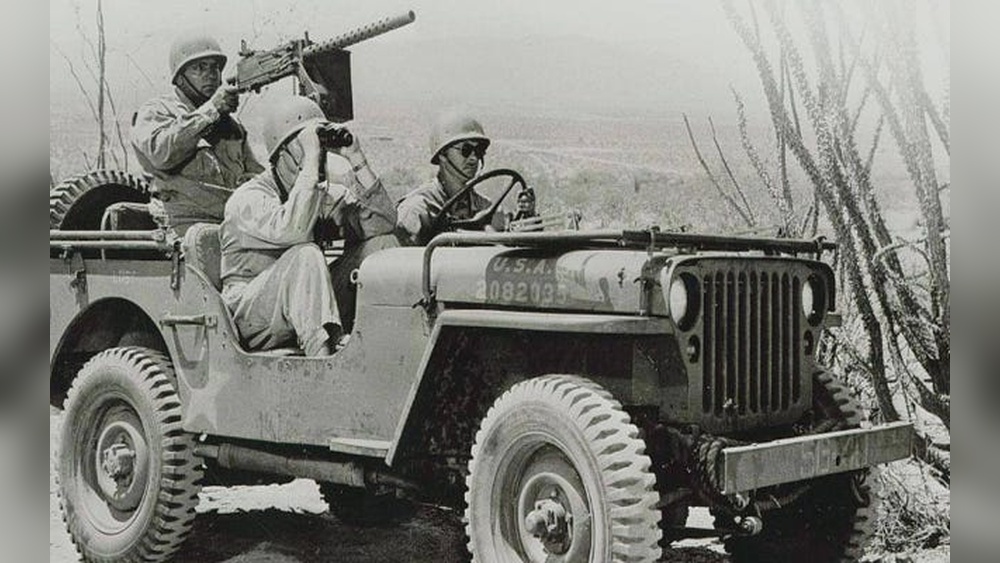
The Birth Of The Willys Jeep
The story of the first Willys Jeep begins in 1940. At that time, the U.S. Army needed a new light reconnaissance vehicle. They wanted something fast, tough, and easy to use. Only 49 days were given for car makers to build prototypes.
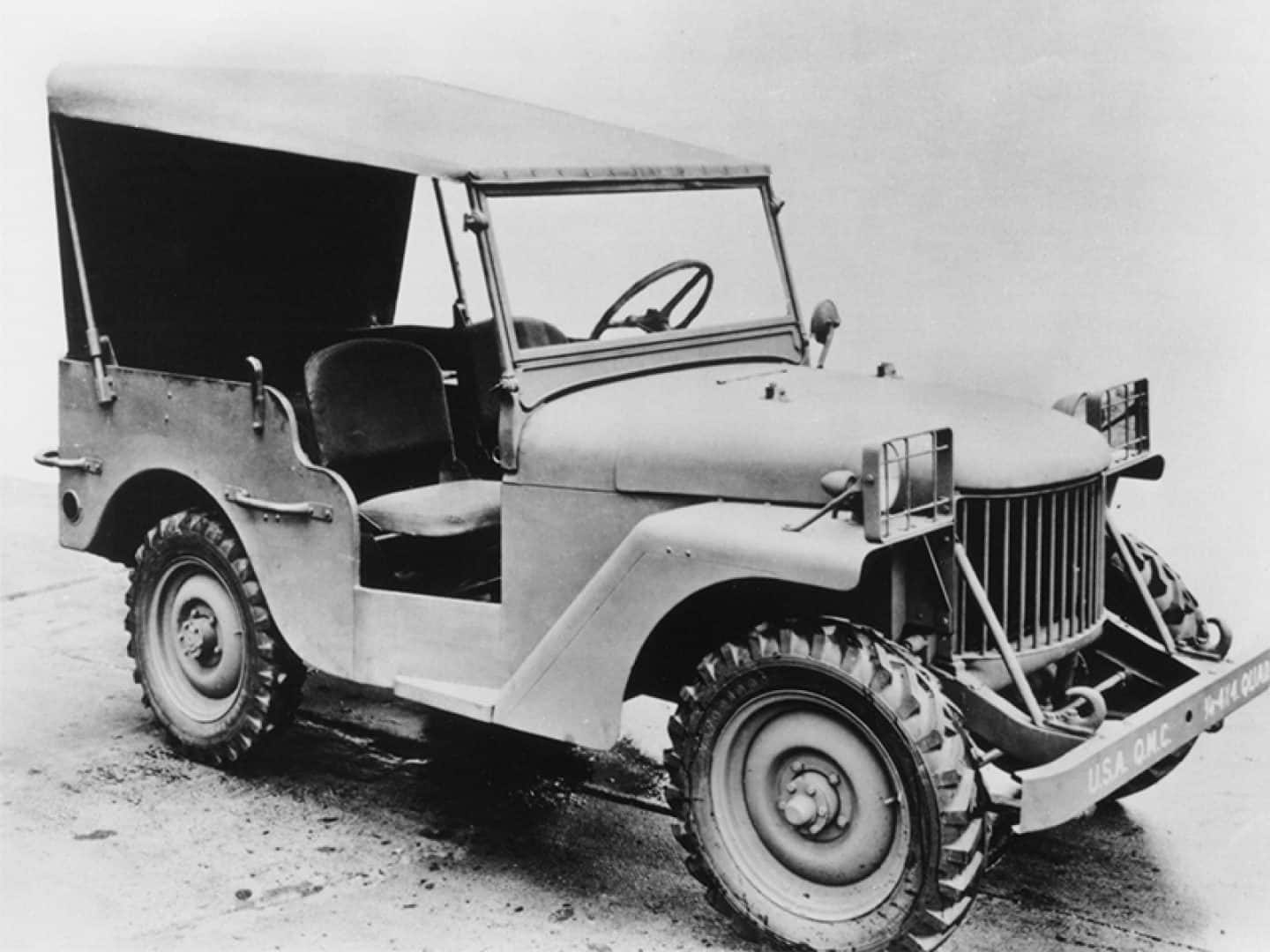
Three companies joined the race: American Bantam, Ford, and Willys-Overland. Bantam produced the first prototype, but Willys-Overland won the contract because their vehicle, called the “Quad,” was powerful and cost-effective.
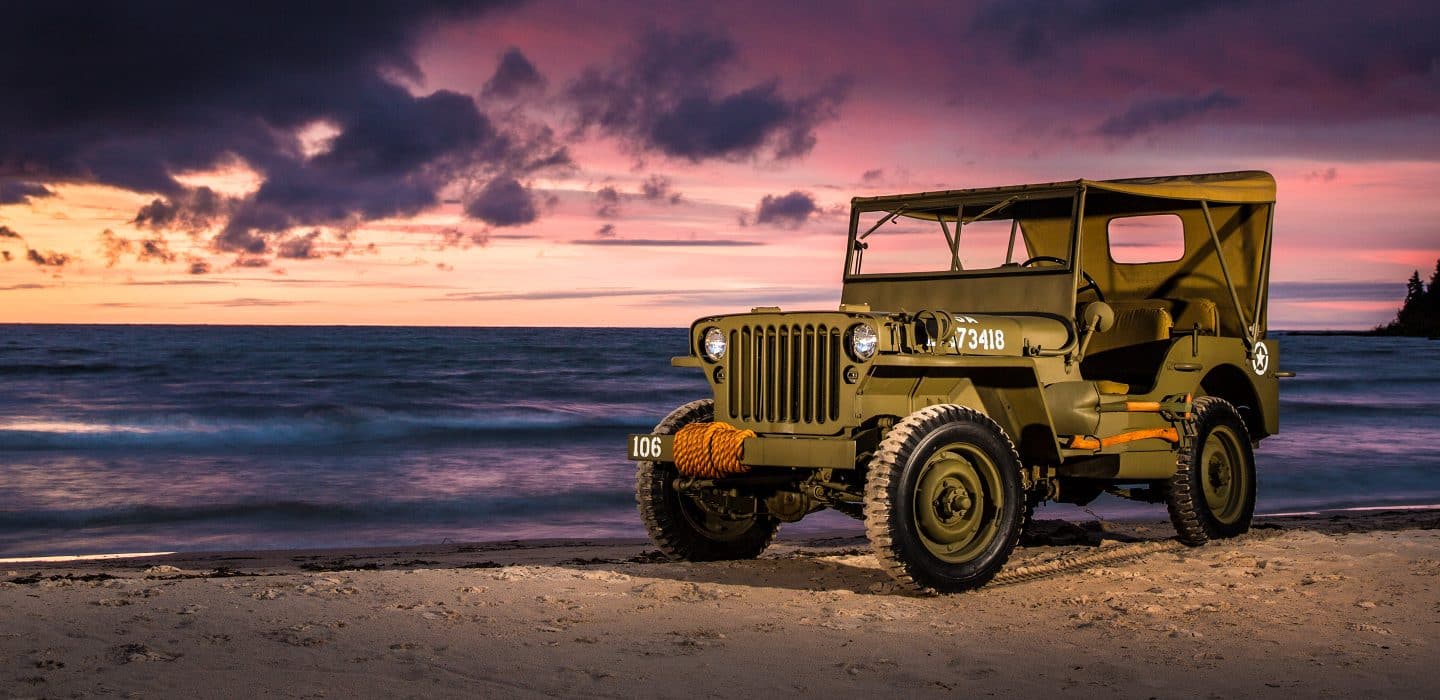
The first Willys Jeep was made in 1941. Its official name was the Willys MB. This model became the main military Jeep used during World War II.
The pressure and speed behind the Jeep’s development were unique. The Army’s tight deadline meant engineers had to work around the clock, testing new ideas and materials.
Willys-Overland managed to build a vehicle that was not only strong but also affordable, which helped them win over the Army.
Interestingly, Willys did not invent the Jeep from scratch. They took the basic Bantam design and improved it, adding their own powerful engine and making the frame tougher.
The Willys MB quickly became known for its ability to handle mud, snow, and rocky paths, which was essential for battlefield survival.
Key Features Of The First Willys Jeep
The Willys MB was designed for tough conditions. Soldiers needed a vehicle that could cross rough terrain, carry equipment, and transport wounded men. Here are some of its standout features:
- 4-wheel drive: Essential for off-road performance.
- Compact size: Easy to transport and maneuver.
- Simple mechanics: Repairs could be done quickly in the field.
- Powerful engine: The “Go-Devil” engine had 60 horsepower, which was strong for its size.
The body was made from flat steel panels, which were easy to replace or repair. The windshield could fold down, and the seats were simple but sturdy. The Jeep could fit into airplanes for transport and even be dropped by parachute in some missions.
Because of its light weight, soldiers could push or pull it if needed. The Willys MB was also built to carry extra equipment, like stretchers, radios, and mounted guns.
Willys Mb Specifications
Here’s a quick look at the main specs of the first Willys Jeep:
| Feature | Specification |
|---|---|
| Engine | 2.2L Go-Devil I4 |
| Horsepower | 60 hp |
| Transmission | 3-speed manual |
| Weight | 2,450 lbs |
| Top Speed | 65 mph |
The “Go-Devil” engine was a big step forward. It was reliable, used simple parts, and could run for long hours without overheating. The three-speed manual transmission gave the Jeep flexibility for different terrains, from city roads to muddy fields.
The Willys Jeep And World War Ii
The Willys Jeep changed the way armies moved and fought. Over 360,000 Willys MBs were built during the war. Its versatility made it useful for many jobs:
- Carrying soldiers and supplies
- Acting as an ambulance
- Towing small artillery
- Laying communication wires
Besides transportation, Jeeps were used for scouting missions, carrying officers, and even as mobile command centers. Some Jeeps were fitted with machine guns or radio equipment for special missions.
The Jeep’s open design allowed soldiers to jump in and out quickly, making it ideal for fast-moving battles.
Other countries noticed its design. The Jeep inspired vehicles in Britain, Russia, and beyond. Many soldiers said the Willys Jeep was “as important as the rifle. ”
The Jeep’s influence was so strong that after the war, many armies copied its basic idea. Russia created the GAZ-67, and Britain developed the Land Rover, both inspired by the Willys MB.
The Jeep’s ability to operate in extreme environments, from deserts to forests, made it a favorite among soldiers everywhere.
Willys Mb Vs. Ford Gpw
Ford also made Jeeps for the military, using Willys’ designs. Let’s compare the Willys MB with the Ford GPW:
| Model | Manufacturer | Production Years | Main Difference |
|---|---|---|---|
| Willys MB | Willys-Overland | 1941–1945 | Original design, Willys engine |
| Ford GPW | Ford | 1942–1945 | Copied Willys design, Ford chassis |
Both models looked very similar. The main difference was the chassis and some details in construction.
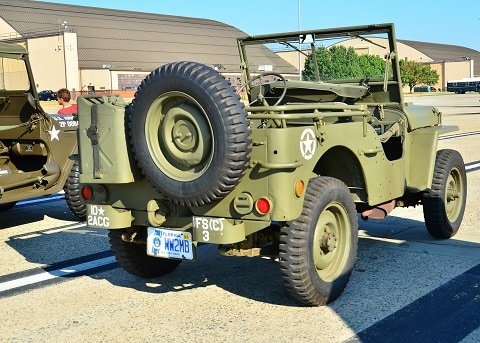
Some people say you can spot a Ford GPW by looking for an “F” stamped on many parts. Ford did this to mark its own components. Both Jeeps could use the same spare parts, which made repairs easier for soldiers in the field.
Civilian Jeep: From War To Peace
After the war, Willys saw a new opportunity. Many people wanted a Jeep for farming, travel, and fun. In 1945, Willys released the CJ-2A, the first civilian Jeep.
The CJ-2A kept most of the MB’s features, but added things like a tailgate and improved seats. It became popular with farmers and outdoor lovers.
The civilian Jeep was more than just a vehicle. It helped farmers plow fields, haul crops, and even run small businesses.
Some owners used Jeeps for hunting trips or mountain adventures. Willys even offered special kits for the CJ-2A, such as plows and winches, to make it useful for different jobs.
Willys Mb And Cj-2a Comparison
Here’s a quick comparison of the Willys MB and its civilian successor:
| Model | Purpose | Notable Features |
|---|---|---|
| Willys MB | Military | Rugged, minimal comfort, for combat |
| CJ-2A | Civilian | Tailgate, improved seats, civilian use |
The CJ-2A showed that a war vehicle could adapt to daily life. It became a bridge between military innovation and civilian needs.
Non-obvious Insights
Most people think the Jeep was only made by Willys. But Bantam was the first to design the prototype. Willys improved it, making a stronger engine and easier production.
Another thing beginners miss: The Jeep’s simple design was a big reason for its success. Soldiers could fix it with basic tools. This made the Jeep reliable in harsh conditions.
Here’s one more insight: The Jeep’s fame grew because it could be used in many ways. It was not limited to one job. You could turn it into an ambulance, a radio car, or a supply vehicle. This flexibility saved armies money and time.
Also, the Jeep’s flat fenders and open body were not just for looks they made it easy to add special equipment, like stretchers or field radios. The Willys MB was a “blank canvas,” ready for whatever the mission required.
The Willys Jeep Legacy
The first Willys Jeep was not just a car. It was a tool for survival and victory. Its design influenced SUVs and off-road vehicles for decades.
Today, Jeep is still a strong brand. Modern Jeeps owe their DNA to the Willys MB. Collectors and historians value the original models highly.
The Willys Jeep’s impact can be seen in the adventure culture of today. Off-roading, camping, and exploring wild places have become hobbies for many people, thanks to the Jeep’s reputation. Many classic Jeeps are restored and shown at car events.
Museums display them as symbols of freedom and innovation.
If you want to learn more about the Jeep’s history, visit the Wikipedia page on Willys MB.
Frequently Asked Questions
When Was The First Willys Jeep Made?
The first Willys Jeep was made in 1941. This model was called the Willys MB and used mainly by the U.S. military.
Who Designed The First Jeep?
The first Jeep prototype was designed by American Bantam. Willys-Overland improved the design and produced the first mass-market Jeep.
How Many Willys Jeeps Were Made During World War Ii?
Over 360,000 Willys MBs were built for the U.S. military between 1941 and 1945. Ford made about 280,000 similar Jeeps.
What Made The Willys Jeep So Popular?
Its simple mechanics, rugged design, and ability to handle tough terrain made it popular. It could be fixed easily, even by soldiers with little training.
Is The Willys Jeep Still In Production?
The original Willys MB is not in production anymore. However, Jeep vehicles today still carry the spirit and style of the Willys MB.
The Willys Jeep’s story is a powerful example of smart engineering and adaptation. Its impact goes beyond military use shaping the world of cars and adventure for years to come.