Is The Jeep Grand Cherokee Rear Wheel Drive?
The Jeep Grand Cherokee is one of the most recognized SUVs on the road today. Many people love its mix of rugged style, comfort, and off-road ability.
But a common question for buyers and fans is: Is the Jeep Grand Cherokee rear wheel drive? Understanding the drivetrain is important, as it affects how the vehicle handles, its fuel economy, and how well it performs in different weather conditions.
Let’s take a close look at the Grand Cherokee’s drivetrain options and what they mean for drivers.
Understanding Drivetrain Types
Before we dig into the Grand Cherokee, it helps to know the difference between the main drivetrain types.
- Rear Wheel Drive (RWD): Power goes to the rear wheels. This is common in trucks and sporty vehicles. RWD often gives better handling and towing, but may not be as good in snow.
- Front Wheel Drive (FWD): Power goes to the front wheels. This is typical in smaller cars. FWD is usually better for fuel economy and traction in rain or light snow.
- Four Wheel Drive (4WD): Power can go to all four wheels, usually controlled by the driver. Ideal for off-road and tough conditions.
- All Wheel Drive (AWD): Power can go to all wheels automatically, adjusting as needed. Good for all-weather use.
Understanding these options helps you pick the right vehicle for your needs.
Is The Jeep Grand Cherokee Rear Wheel Drive?
The short answer is yes—some models of the Jeep Grand Cherokee are rear wheel drive. But it’s not that simple. Over the years, Jeep has offered several drivetrain options for this SUV. Let’s break it down.
Standard Drivetrain
Most base models of the Jeep Grand Cherokee come with rear wheel drive. Jeep calls this setup “2WD” or “RWD” in their brochures and on their website. For example, the entry-level Laredo trim usually features RWD as standard.
Optional Drivetrains
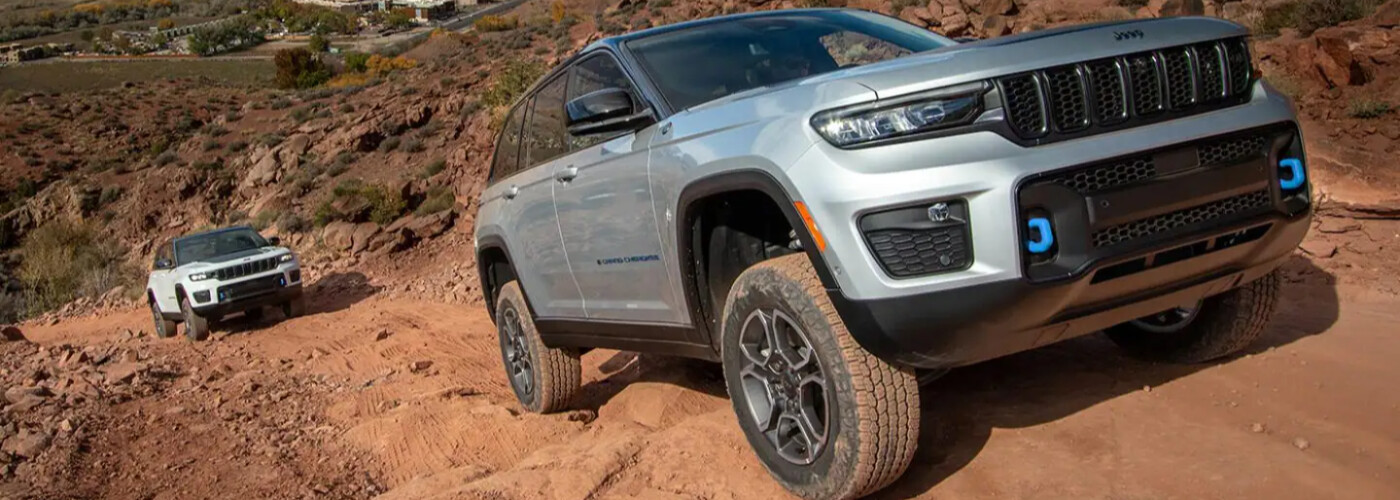
While RWD is standard on many trims, buyers can often upgrade to four wheel drive. Jeep offers several 4WD systems, like Quadra-Trac I, Quadra-Trac II, and Quadra-Drive II. These systems give the Grand Cherokee excellent off-road ability.
Trim And Year Differences
The drivetrain can change based on the model year and trim level. For example, the high-performance SRT and Trackhawk models come with all wheel drive only. In recent years, the Grand Cherokee L (the 3-row version) is often available with both RWD and AWD, depending on the engine and trim.
Here’s a simple comparison for the 2023 Jeep Grand Cherokee lineup:
| Trim | Standard Drivetrain | Available Upgrade |
|---|---|---|
| Laredo | RWD | 4WD |
| Limited | RWD | 4WD |
| Trailhawk | 4WD | – |
| Overland | RWD | 4WD |
| SRT/Trackhawk | AWD | – |
Benefits And Drawbacks Of Rwd In The Grand Cherokee
Knowing that many Grand Cherokees are RWD, you may wonder if that’s good or bad. Here are some key points:
Benefits:
- Better towing: RWD handles heavy loads well, which is useful if you tow boats or trailers.
- Improved handling: Power to the rear wheels gives a more balanced feel, especially at higher speeds.
- Lower cost: RWD models are usually cheaper than 4WD or AWD versions.
Drawbacks:
- Less traction in snow: RWD can struggle in ice or heavy snow, unless you add winter tires.
- Not for serious off-roading: If you want to tackle tough trails, 4WD is a better choice.
How To Know Which Drivetrain You Have
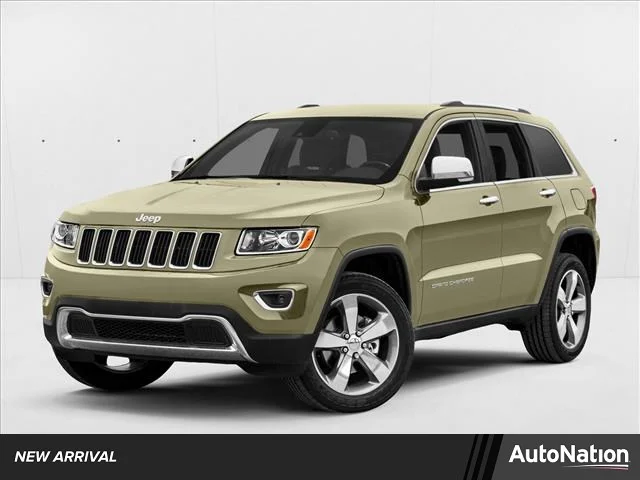
If you already own a Jeep Grand Cherokee or are shopping for a used one, it’s important to check which drivetrain it has. Here’s how:
- Look at the badge: Many Grand Cherokees have a “4×4” badge if they are 4WD.
- Check the VIN: The Vehicle Identification Number can tell you the drivetrain when decoded.
- Read the window sticker: The original sticker lists all major features, including drivetrain.
- Ask your dealer: They can check the build sheet for your exact vehicle.
Real-world Performance: Rwd Vs. 4wd
Many buyers wonder how big the difference is between RWD and 4WD in daily driving. Here’s a simple look:
| Condition | RWD Performance | 4WD Performance |
|---|---|---|
| Dry pavement | Good | Good |
| Wet roads | Fair | Better |
| Snow/Ice | Poor | Good |
| Off-road | Limited | Excellent |
| Towing | Strong | Strong |
Not-so-obvious Insights
Many buyers think that 4WD or AWD is always better. But RWD Grand Cherokees often have better fuel economy and a smoother ride. If you live in a warm climate and rarely go off-road, RWD is usually all you need.
Another point many miss: RWD Grand Cherokees are lighter than their 4WD cousins. Less weight means less wear on brakes and tires and sometimes lower maintenance costs.
Should You Choose Rwd Or 4wd?
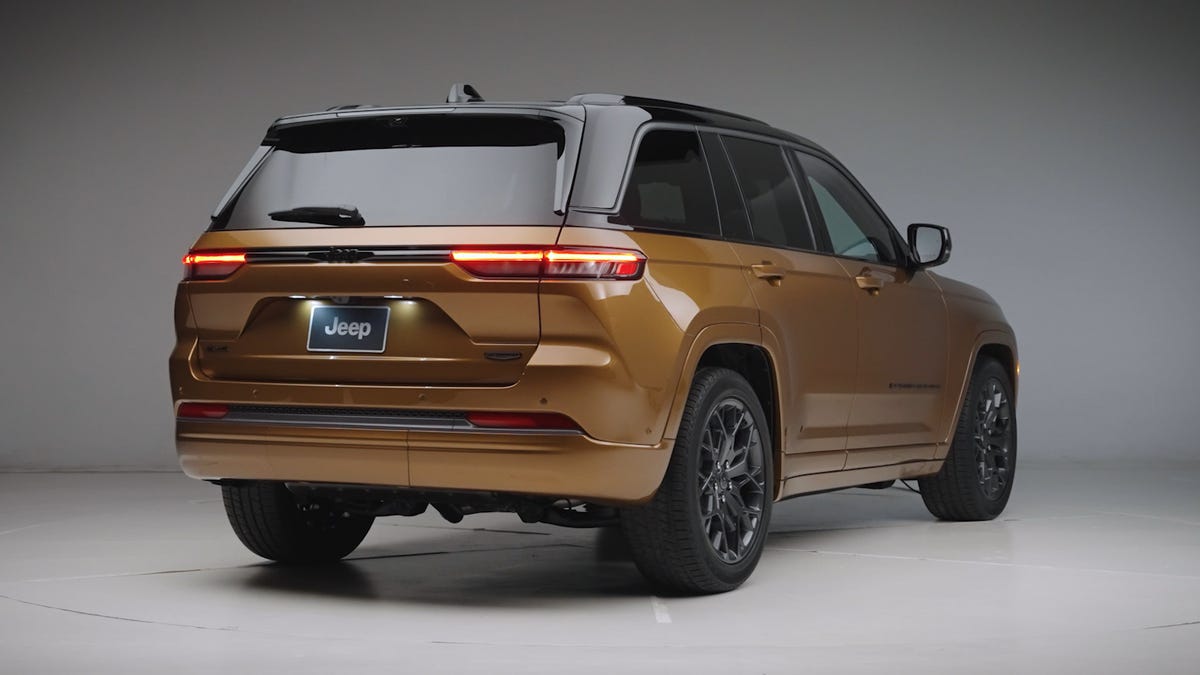
The best choice depends on your needs. If you mainly drive on highways or in the city, and you don’t get much snow, RWD is a smart and budget-friendly option. If you live in the mountains, face rough winters, or want to go off-road, 4WD or AWD is worth the extra cost.
Here’s a quick decision guide:
| Your Main Use | Best Drivetrain |
|---|---|
| City and highway driving | RWD |
| Light off-road, occasional snow | 4WD |
| Heavy snow, rough terrain | 4WD/AWD |
| Performance driving | AWD (SRT/Trackhawk) |
Frequently Asked Questions
Is Every Jeep Grand Cherokee Rear Wheel Drive?
No, not every Jeep Grand Cherokee is rear wheel drive. Many trims come standard with RWD, but 4WD and AWD are common upgrades, especially on higher trims and special editions.
How Can I Tell If My Grand Cherokee Is Rwd Or 4wd?
Check for a “4×4” badge on the back, look at your window sticker, or ask your dealer to check the build sheet. The VIN also contains information about your drivetrain.
Is Rwd Safe In Winter?
RWD can be tricky on snow and ice. If you drive in winter, consider good snow tires or upgrade to a 4WD model for better traction and safety.
Does Rwd Affect Towing Ability?
RWD Grand Cherokees are strong tow vehicles. In fact, RWD often provides better balance and stability when towing compared to FWD vehicles.
Where Can I Find More Details On Jeep Grand Cherokee Specs?
For full specifications and details on all trims and years, visit the official Jeep website.
The Jeep Grand Cherokee offers both RWD and 4WD options, so you can find a model that fits your climate, driving style, and budget.
Whether you’re looking for efficiency or off-road power, knowing your drivetrain helps you get the most out of your SUV.