Taking off a Jeep hardtop is not easy for most owners. The top is heavy, often over 100 pounds, and awkward to lift.
You need at least two people, and there’s always a risk of dropping or damaging it. Many Jeep fans want a simple, safe way to remove and store their hardtop at home.
This is where a DIY Jeep hardtop hoist shines. With the right setup, you can lift and store your hardtop by yourself, saving time and worry.
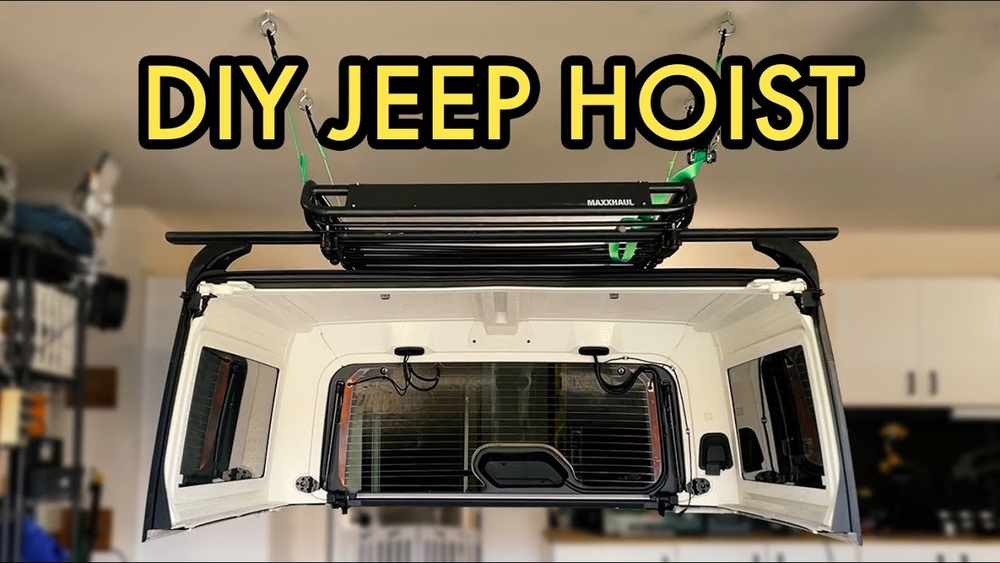
Let’s walk through the essentials, real-world tips, and smart comparisons to help you build your own hoist, even if you’re new to garage projects.
Why A Diy Hardtop Hoist Makes Sense
A hoist lets you lift the top vertically and keep it out of the way. Commercial hoists can cost $150–$600, but a homemade system often costs $50–$150. More importantly, you can tailor your hoist to your space and needs. If you drive a Jeep Wrangler or Jeep Gladiator, a hoist can make seasonal top changes much easier.
Two key benefits stand out:
- Safety: Less risk of dropping or scratching your hardtop.
- Convenience: No need for extra hands—one person can do the job.
Many beginners don’t realize you also gain extra garage space, since you can store the top above your vehicle, freeing up floor room.
Choosing The Right Hoist Design
There are three main types of DIY hoist setups. Each suits different garages and budgets.
| Hoist Type | Best For | Estimated Cost |
|---|---|---|
| Manual Pulley System | Low ceilings, tight budgets | $50–$100 |
| Electric Winch Hoist | High ceilings, frequent use | $90–$150 |
| Counterweight Hoist | DIY enthusiasts, custom setups | $70–$120 |
Most owners choose a manual pulley system for its simple design and lower cost. Electric winch hoists are faster but require a strong ceiling and electrical outlet. Counterweight hoists are rare and need careful balancing.
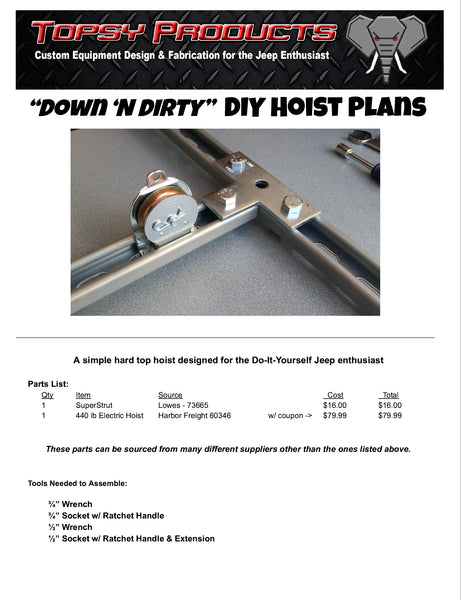
What You’ll Need: Materials And Tools
Before starting, gather these key items:
- Heavy-duty pulleys (2–4, rated for 200 lbs)
- Rope or lifting strap (minimum 3/8″ thick, at least 400 lbs capacity)
- Eye bolts or ceiling hooks (heavy-duty, securely mounted)
- Drill and drill bits (for mounting hardware)
- Electric winch (optional, for powered lifting)
- Soft sling straps (to protect the hardtop)
- Stud finder (for safe ceiling mounting)
Most people miss the importance of stud finders. If you anchor your hoist into drywall or weak wood, it can fail. Always mount into solid ceiling joists.
Here’s a quick comparison of hardware strength:
| Hardware Type | Load Capacity | Recommended For |
|---|---|---|
| Standard Eye Bolt | 150 lbs | Small tops, light hoists |
| Heavy-duty Eye Bolt | 300 lbs | Jeep hardtops |
| Ceiling Hook | 200 lbs | Basic pulley systems |
Step-by-step Guide To Building Your Hoist
Follow these steps for a safe, effective setup:
- Find Ceiling Joists: Use a stud finder. Mark at least two strong joists above your Jeep.
- Install Eye Bolts: Drill pilot holes, then screw in eye bolts or hooks. Test them by pulling hard—no movement should occur.
- Attach Pulleys: Mount pulleys directly to the eye bolts. Make sure they swing freely.
- Thread Rope or Strap: Run your rope or strap through pulleys. Use a high-quality rope; cheap rope can fray or break.
- Add Lifting Straps: Loop straps under the hardtop, then hook them to your rope. Choose soft, wide straps to protect the paint.
- Lift Carefully: Pull the rope (or use the winch) to raise the hardtop. Go slowly, watching for tilting.
- Secure Top: Once lifted, tie off the rope securely. If using a winch, double-check the brake or lock.
It’s easy to miss that soft straps are essential. Hard straps or chains can scratch or crack the top, especially for newer models.
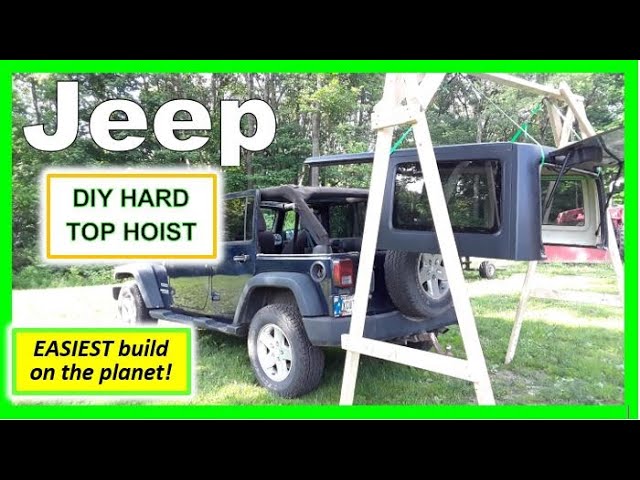
Common Mistakes And How To Avoid Them
Many DIYers make simple errors that can be costly:
- Mounting into weak wood or drywall: Always anchor into solid joists.
- Using cheap rope or hardware: Low-quality gear can break under load.
- Not protecting the hardtop: Use soft straps, and pad contact points.
- Lifting too quickly: Slow, steady lifting prevents tilting and accidents.
One overlooked tip: measure your ceiling height before buying rope. You want enough length to reach the top of your Jeep plus extra for tying knots.
Maintenance And Storage Tips
Your hoist will last longer if you maintain it. Check pulleys, ropes, and bolts every few months.
Look for signs of wear, rust, or fraying. Replace parts as needed.
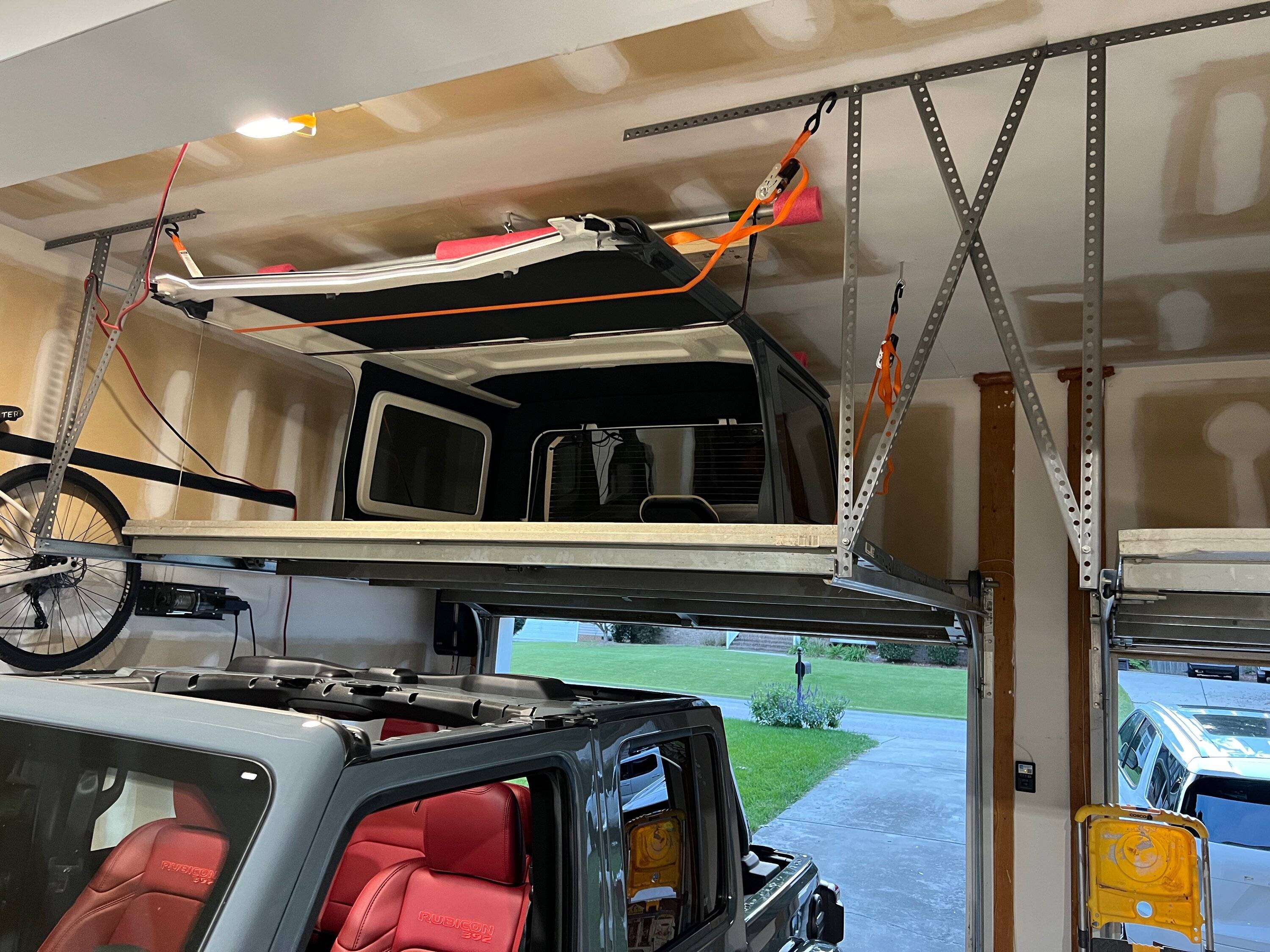
When storing the hardtop, keep it high enough to clear your Jeep, but not so high you can’t reach it safely.
You can find official Jeep hardtop weights and removal tips on the Jeep Official Site.
Frequently Asked Questions
How Much Weight Can A Typical Diy Hoist Hold?
Most DIY hoists can safely lift 150–200 lbs, more than enough for most Jeep hardtops. Always check the weakest component’s rating before lifting.
Can I Use A Hoist For Soft Tops Or Other Vehicle Parts?
Yes, but soft tops are much lighter. Adjust straps and hardware for the lighter load, and avoid over-tightening.
Is An Electric Winch Hoist Worth The Extra Cost?
Electric winches make lifting faster and easier but require power and strong ceiling mounts. If you remove your hardtop often, it’s a good investment.
How Do I Prevent Scratches On My Hardtop?
Use soft lifting straps and add foam padding where straps touch the top. Never use chain or wire directly on painted surfaces.
What If My Garage Ceiling Is Too Low?
You can still install a hoist, but you may need a side-mount system or wall storage. Measure carefully before buying any parts.
n
A DIY Jeep hardtop hoist saves time and protects your investment. With careful planning, quality hardware, and safe lifting techniques, you can enjoy quick top removal all year. If you keep your setup checked and maintained, your Jeep and your garage will thank you.