If you own a classic Jeep, especially a Jeep CJ from the 1980s, you may have heard about the Nutter Bypass. This simple upgrade can make your Jeep run better, especially if you’re struggling with engine problems or poor performance.
But what is a Nutter Bypass, and why do so many Jeep owners recommend it? Let’s break it down in clear, simple terms.
What Is A Nutter Bypass?
A Nutter Bypass is a wiring modification for Jeeps with the Carter BBD carburetor and the AMC 258 (4.2L) inline-six engine, mostly found in 1981-1990 Jeep CJs and Wranglers (YJ). The main goal is to bypass the factory computer-controlled ignition system. This gives you more direct control over ignition timing, making the engine easier to tune and troubleshoot.
The name “Nutter Bypass” comes from a Jeep enthusiast, John Nutter, who first shared this trick on Jeep forums in the 1990s. It’s a popular fix for Jeeps that suffer from unreliable performance due to faulty emissions control electronics.
Why Was The Nutter Bypass Needed?
In the 1980s, Jeep added a computerized emission control system. This system tried to lower pollution, but it often caused more problems than it solved. The system controlled ignition timing and the carburetor’s air-fuel mix using several sensors and a computer called the Engine Control Unit (ECU).
Common issues included:
- Rough idling
- Hard starting
- Poor fuel economy
- Loss of power
These problems often came from failing sensors, old wiring, or a weak computer. Many Jeep owners found the original system hard to fix because parts are now rare and expensive.
How Does The Nutter Bypass Work?
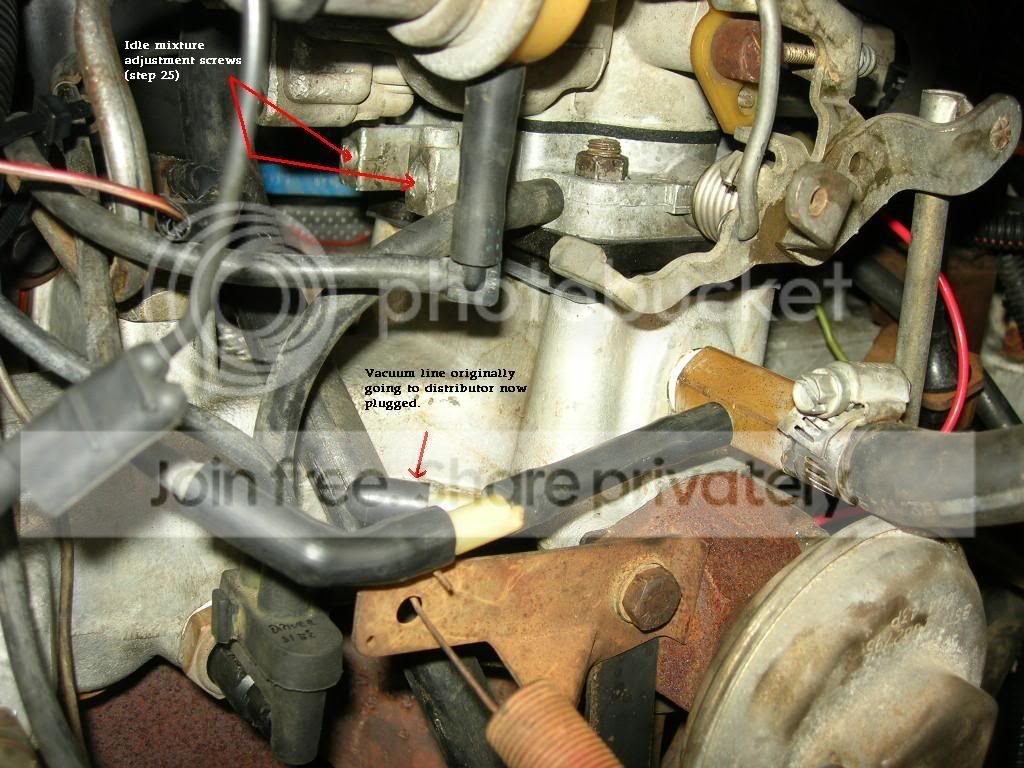
The Nutter Bypass rewires the ignition system so that the computer is no longer involved. Here’s what you do in basic steps:
- Disconnect the computer from the ignition system.
- Reroute two wires from the ECU to the ignition module, so the distributor gets its signal directly.
- Set ignition timing manually using a timing light.
This change removes the computer’s control but keeps the emissions system mostly untouched. Your Jeep can now run smoother and be tuned with basic tools.
Here’s a simple comparison of how the ignition signal flows before and after the Nutter Bypass:
| System | Ignition Signal Path |
|---|---|
| Factory Setup | Distributor → ECU → Ignition Module |
| Nutter Bypass | Distributor → Ignition Module (ECU bypassed) |
Pros And Cons Of A Nutter Bypass
Like any modification, a Nutter Bypass has good and bad sides. Here’s a quick look:
| Pros | Cons |
|---|---|
|
|
How To Perform A Nutter Bypass
Before you start, make sure you have some basic tools:
- Wire cutters and strippers
- Electrical tape or heat-shrink tubing
- A wiring diagram for your Jeep
- A timing light
Here’s a summary of the steps:
- Locate the ignition wiring coming from the distributor.
- Find the wires that go to the ECU (usually orange and purple).
- Cut these wires near the ECU.
- Splice the distributor wires directly to the ignition module.
- Tape up and secure any unused wires.
- Set your ignition timing as recommended for your Jeep.
Some owners choose to remove the ECU completely. Others leave it in place in case they want to reverse the change later.
Practical tip: Always label your wires before cutting. Take clear photos as you go. This makes it much easier if you need to troubleshoot later.
Common Mistakes To Avoid
Many beginners make the same errors during a Nutter Bypass:
- Cutting the wrong wires: Double-check the wiring diagram for your Jeep’s year.
- Poor connections: Use proper connectors, not just twisting wires together.
- Forgetting to set timing: After the bypass, the timing must be set manually for the engine to run well.
- Ignoring emissions rules: Check local laws before doing this mod. In California and some other states, bypassing emissions controls is not legal.
Does A Nutter Bypass Increase Horsepower?
The Nutter Bypass is not a performance mod in the usual sense. You may notice better throttle response and smoother running, but you won’t gain much raw horsepower. The main benefit is fixing hesitation, stalling, or rough idle caused by a failing ECU.
If you want more power, consider other upgrades like a better carburetor, a new ignition coil, or a modern fuel injection system. The Nutter Bypass is a good base for these changes because it makes the ignition system more reliable.
Nutter Bypass Vs. Other Solutions
Some Jeep owners ask if it’s better to do a TeamRush upgrade or a full fuel injection swap instead of a Nutter Bypass. Here’s a quick comparison:
| Upgrade Type | Cost | Complexity | Main Benefit |
|---|---|---|---|
| Nutter Bypass | Low (under $20) | Easy | Ignition reliability |
| TeamRush | Medium ($50-$100) | Moderate | Stronger spark |
| Fuel Injection Swap | High ($1000+) | Difficult | Fuel efficiency and power |
For most owners with a rough-running 4. 2L Jeep, the Nutter Bypass is the best first step. It’s cheap, fast, and reversible.
When Not To Use A Nutter Bypass
If your Jeep must pass strict emissions tests, or you want to keep it 100% factory original, a Nutter Bypass is not a good choice.
Also, if your engine has deeper problems (like low compression or a worn-out carburetor), the bypass will not solve them.
Some owners also keep the ECU working for other systems, such as the automatic transmission or emissions equipment. Always research your Jeep’s exact setup before making changes.
Is It Worth Doing?
For most 1980s Jeep CJ and YJ owners, the answer is yes. The Nutter Bypass is a simple fix for a common problem. It’s especially valuable if you drive your Jeep off-road, where reliability is more important than following strict emissions rules.
If you want to learn more about Jeep wiring and modifications, you can check the Jeep CJ Wikipedia page for background.
Frequently Asked Questions
What Models Is The Nutter Bypass Used On?
It’s mainly used on 1981-1990 Jeep CJ and YJ models with the AMC 258 (4.2L) engine and Carter BBD carburetor.
Will The Nutter Bypass Fix My Emissions Test?
Usually, no. This bypass can make your Jeep run better, but it may not pass emissions tests in states that check for working ECU controls.
Is The Nutter Bypass Reversible?
Yes, if you label your wires and make clean connections, you can reverse the mod and reconnect the ECU if needed.
Does The Nutter Bypass Affect Fuel Economy?
It can improve fuel economy if your Jeep was running poorly before. But the main benefit is smoother running, not big fuel savings.
Do I Need Special Tools For The Nutter Bypass?
No, just basic hand tools, wire strippers, and a timing light. It’s a job most DIY owners can do in an afternoon.
A Nutter Bypass is a smart, low-cost way to improve your classic Jeep’s reliability. With a bit of care and some basic tools, you’ll enjoy a smoother ride and less time spent troubleshooting old electronics.