The Scout Jeep is a name that brings curiosity to many car enthusiasts and military history fans. When you hear “Scout Jeep,” you might imagine a rugged, small, off-road vehicle built for tough terrains.
But who actually made the Scout Jeep? The answer is more complex than it seems.
This article explores the origins, creators, and legacy of the Scout Jeep, clearing up common myths and highlighting the facts.
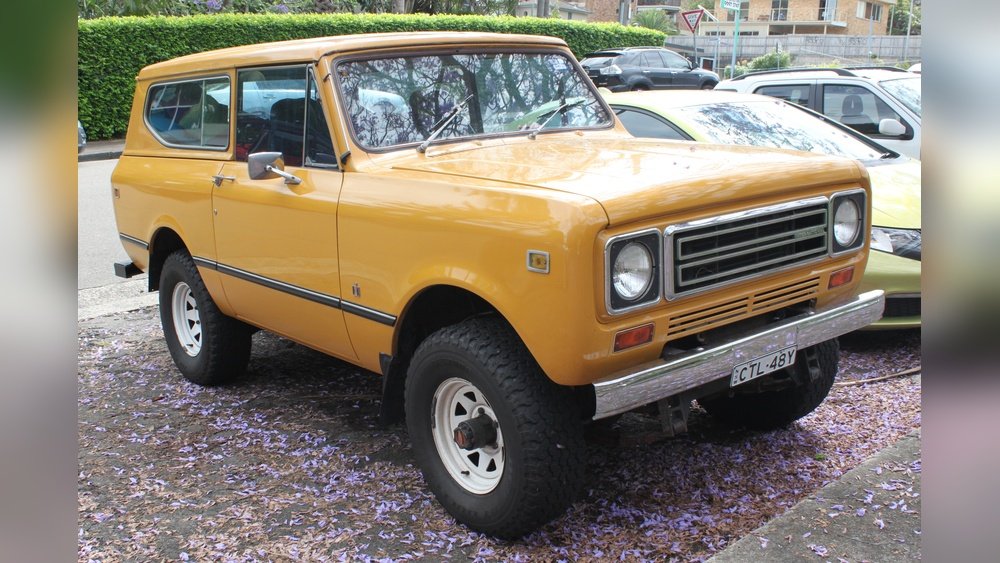
The Birth Of The Scout Jeep
During World War II, the U.S. Army needed a light, four-wheel-drive vehicle for reconnaissance, known as a scout car. In 1940, the Army sent out requests to multiple car manufacturers to design a vehicle that was fast, tough, and easy to build in large numbers. The requirements were strict: the vehicle had to be under 2,160 pounds, have four-wheel drive, and be able to carry 600 pounds of equipment.
Several companies answered the call. Three main names stood out:
- Bantam Car Company
- Willys-Overland Motors
- Ford Motor Company
These companies raced to create a prototype that would later be known as the Jeep.
Bantam’s Role: The First Prototype
The Bantam Car Company, a small company based in Pennsylvania, was the first to submit a working prototype. In September 1940, Bantam delivered the first model called the Bantam Reconnaissance Car (BRC). This car was the earliest version of what would become the Scout Jeep.
Bantam’s design impressed the Army, but the company was too small to produce the large numbers needed for war. The government shared Bantam’s blueprints with Willys and Ford, asking them to improve and mass-produce the design.
| Company | Prototype Name | Year Submitted |
|---|---|---|
| Bantam | Bantam BRC | 1940 |
| Willys-Overland | Willys Quad | 1940 |
| Ford | Ford Pygmy | 1940 |
Willys And Ford: Mass Production
After Bantam’s successful prototype, Willys-Overland and Ford improved the design. Willys introduced the Willys MB, known for its strong “Go-Devil” engine and solid construction. Ford’s version was called the Ford GPW. Both models were almost identical, following the Army’s specifications.
Production numbers tell the story:
| Manufacturer | Model | Units Produced (1941–1945) |
|---|---|---|
| Willys-Overland | MB | ~363,000 |
| Ford | GPW | ~280,000 |
| Bantam | BRC | ~2,700 |
Willys and Ford became the main producers of the Scout Jeep, while Bantam made trailers and a small number of vehicles.
Why Was It Called A “scout Jeep”?
The term “Jeep” has a mysterious origin. Some believe it came from the military abbreviation “GP” for “General Purpose” or “Government Purpose.” Others say it was inspired by a comic strip character named “Eugene the Jeep.” Whatever the case, soldiers quickly adopted the word.
“Scout Jeep” refers to the Jeep’s use in scouting missions and reconnaissance. These vehicles were light, fast, and could go almost anywhere. Their role as scout cars earned them the nickname.
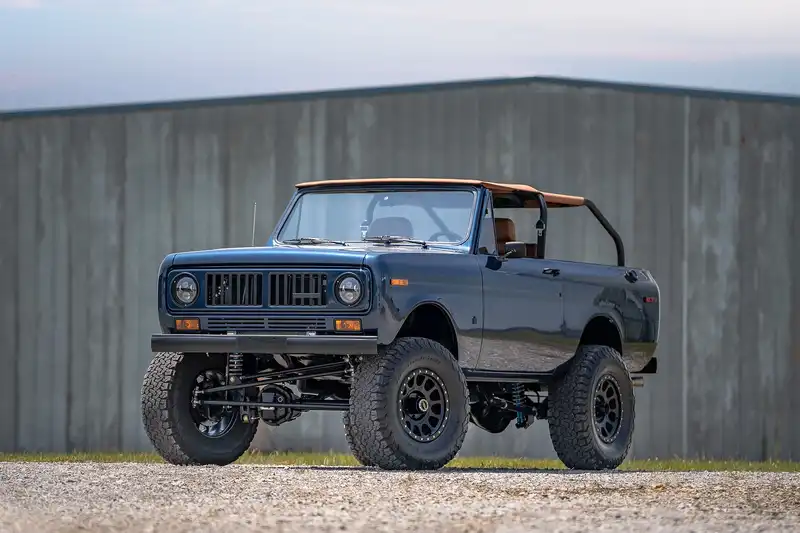
Key Features That Made The Scout Jeep Unique
What Set The Scout Jeep Apart From Other Military Vehicles?
- Lightweight design: Easy to transport and repair
- Four-wheel drive: Handled rough terrain better than most trucks
- Simple mechanics: Soldiers could fix Jeeps with basic tools
- Versatility: Used as ambulances, radio cars, and weapon carriers
A lesser-known fact: The Jeep’s flat fenders were designed so soldiers could sit on them or mount equipment.
The Scout Jeep’s Influence On Modern Vehicles
The impact of the Scout Jeep goes far beyond World War II. After the war, Willys trademarked the “Jeep” name and created civilian models, leading to the birth of the SUV (sport utility vehicle) market. Today, the Jeep brand is famous worldwide for its off-road vehicles.
The original Scout Jeep also inspired military vehicles in other countries. For example, the Soviet GAZ-67 and the British Land Rover both took ideas from the American Jeep.
| Vehicle | Country | Year Introduced | Inspired By Jeep? |
|---|---|---|---|
| GAZ-67 | Soviet Union | 1943 | Yes |
| Land Rover Series I | UK | 1948 | Yes |
| Toyota Land Cruiser | Japan | 1951 | Yes |
Common Myths And Surprising Facts
Many people think Willys invented the Jeep, but Bantam created the first true prototype. Another surprise: Ford’s “F” stamped parts are still found on restored Jeeps, showing their role in mass production.
A detail beginners often miss is that the military did not care about the “Jeep” name what mattered was function and fast production. Branding only became important after the war.
Legacy And Recognition
The Scout Jeep became a symbol of American creativity and teamwork. The design influenced not only military vehicles but also cars used by farmers, explorers, and families.
In 1991, the original Jeep was named one of the “top 10 cars that changed the world” by the Museum of Modern Art.
If you want a deeper look at the Jeep’s history, you can read more from this Wikipedia page.
Frequently Asked Questions
Who Made The First Scout Jeep?
The Bantam Car Company made the first prototype in 1940. However, Willys and Ford produced most of the Jeeps used in World War II.
What Was The Scout Jeep Used For?
It was used for reconnaissance, transporting troops, carrying equipment, and many other tasks. Its small size and speed made it perfect for scouting.
Why Did The Army Choose Willys And Ford Over Bantam?
Bantam was too small to meet the Army’s production needs. Willys and Ford could build Jeeps quickly and in large numbers.
Yes, the Jeep brand began with the Willys MB. Today’s Jeeps are the descendants of the original Scout Jeep.
Did Other Countries Copy The Scout Jeep?
Yes, countries like the Soviet Union, UK, and Japan made vehicles based on the Jeep design after seeing its success in World War II.
The story of the Scout Jeep shows how teamwork, creativity, and a bit of luck can create a vehicle that changes history. From battlefields to city streets, the Scout Jeep’s legacy lives on.